
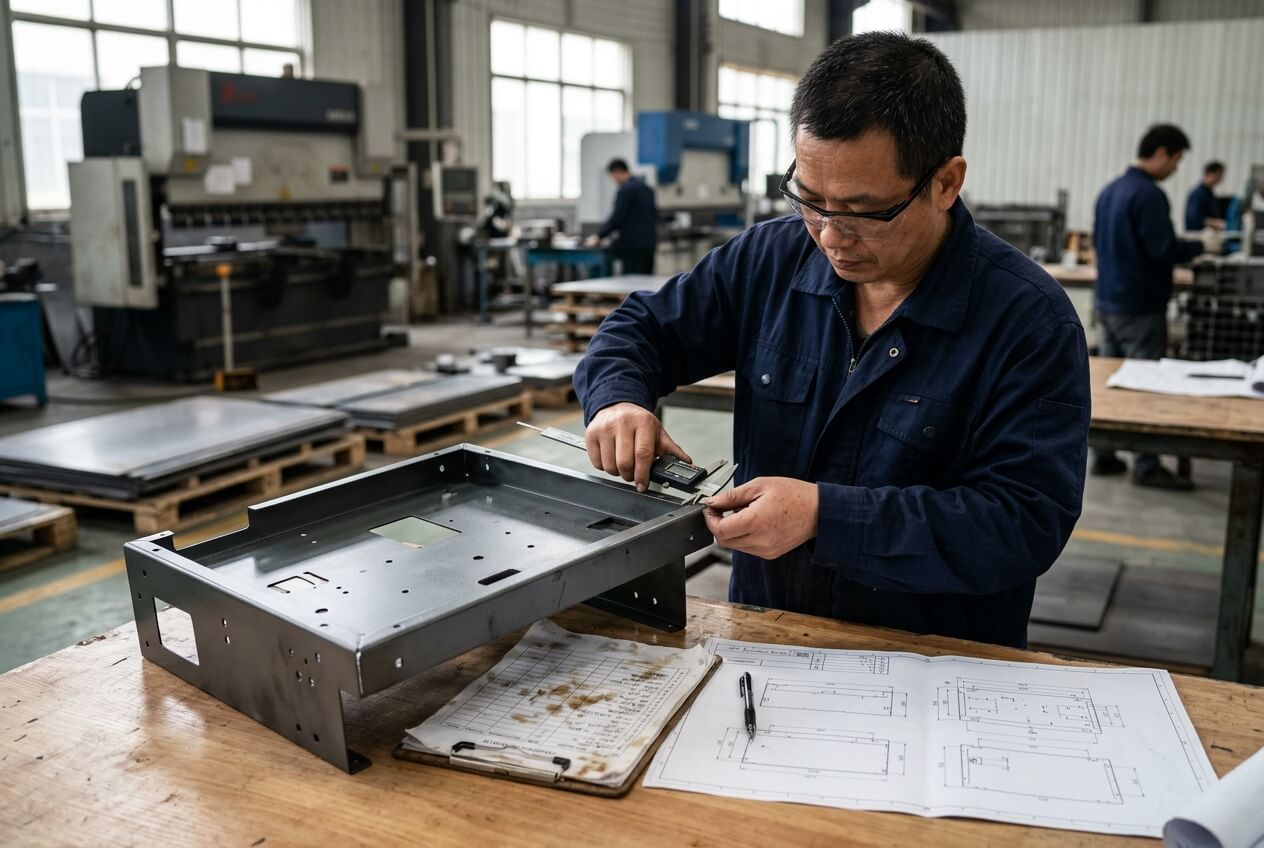
An OEM buyer sends the same powder coat steel enclosure drawing to three suppliers. The drawing shows laser-cut panels, bent flanges, welded corners, hinge holes, latch cutouts, and a black textured finish. One quote comes back much lower than the others, so procurement feels pressure to award quickly.
The price gap may not show better efficiency. It may show missing assumptions. One supplier may quote a dry indoor cabinet with basic pretreatment and limited masking. Another may price outdoor exposure, sealed welds, protected threads, cosmetic inspection, and stronger packaging. Both suppliers can claim they followed the drawing because the RFQ did not force the same interpretation.
This article focuses on one procurement risk: RFQ ambiguity that lets suppliers quote different versions of the same powder coat steel part. The consequence chain usually starts before production. A vague note such as “powder coat black” affects price, prototype review, assembly fit, corrosion resistance, and batch consistency. By the time the problem appears in production, the buyer may face rework, delayed shipment, or a dispute over who should pay.
Powder coating can improve appearance and corrosion resistance. It cannot compensate for unclear drawings, missing masking notes, sharp edges, poor weld preparation, blocked threads, or weak packaging. Buyers reduce risk when they make quote assumptions visible before they compare prices.
Where RFQ Ambiguity Starts to Distort Powder Coat Steel Quotes
A supplier cannot price the real job if the RFQ leaves the use environment undefined. Powder coat steel parts used indoors in a dry factory need different controls than outdoor cabinets exposed to rain, UV, and condensation. The drawing may show the same sheet thickness and hole pattern, but the finish risk changes.
When buyers omit the environment, suppliers fill the gap. One supplier assumes standard steel, basic cleaning, and a single topcoat. Another allows for phosphating, better edge coverage, primer, sealed welds, or tighter handling controls. The second quote looks higher because it includes costs the first quote has not recognized.
Environment details change the quoted process
A wall-mounted control enclosure for an indoor packaging line may need clean threads, stable door fit, and a consistent front face. A roadside electrical cabinet needs those same features plus stronger corrosion planning. Moisture can sit near bottom flanges, hinge brackets, louvers, and welded seams. Thin coating at corners can become the first failure point.
The RFQ should state whether the part will face indoor dry use, humid factory air, outdoor rain, coastal exposure, cleaning chemicals, or temperature cycling. Procurement does not need to write a full coating specification for every job. It does need to stop suppliers from pricing the wrong environment.
Visible faces and masked areas are not minor details
Cosmetic expectations also change cost. A rear mounting plate inside a machine may accept normal texture variation. A customer-facing cabinet door may need a controlled color, gloss, orange peel level, and scratch-free packaging. If the drawing does not mark visible faces, one supplier may inspect every exposed panel. Another may inspect only for major damage.
Masked areas create the same problem. Powder buildup can block threaded holes, interfere with PEM nuts, reduce grounding performance, or tighten hinge clearances. If the RFQ does not show masking locations, the supplier may quote without plugs, tape, post-coating tapping, or bare contact zones. The low price then becomes a hidden assembly cost.
Yishang often sees this risk when buyers submit enclosure drawings with only a color note. A short drawing review can reveal whether coating thickness, grounding pads, weld cleanup, and packaging should appear in the quote before the buyer compares suppliers.

How Missing Finish Details Become Assembly and Warranty Problems
RFQ ambiguity rarely stays inside the purchasing file. It moves into production and then into assembly. A slot that fits before coating may bind after coating. A hinge that works on one sample may drag across a batch. A grounding stud may lose electrical contact because powder covers the mating surface.
These problems do not always mean the supplier made a bad part. Often, the supplier made the part they assumed the buyer wanted. That difference matters during claim discussions. If the drawing only said “powder coat steel, black,” the buyer has less leverage when powder buildup affects assembly.
Coating buildup changes fit, not just appearance
Powder coating adds thickness to surfaces, edges, holes, and slots. That thickness may look small, but it can matter around fit-critical features. Door gaps, latch cutouts, gasket channels, sliding rails, captive fasteners, and close-tolerance slots all deserve review before quotation.
Consider a powder coated steel control box with a removable cover. The drawing calls out hole positions and bend dimensions, but it does not identify the cover screws as installation-critical. The supplier coats the holes without masking. During assembly, screws start poorly and operators chase threads by hand. The part passes visual inspection, yet assembly time rises and delivery slips.
A buyer can prevent this by naming fit-critical interfaces in the RFQ. The supplier can then choose masking, adjusted hole size, post-coating tapping, or a different assembly sequence. That decision affects unit price and lead time, so procurement should clarify it before award.
Welds and edges decide where corrosion starts
Powder coat steel weldments create another consequence chain. Heat scale, weld spatter, grinding marks, and sharp laser-cut edges all influence coating coverage. If the supplier does not remove contaminants or improve edge condition, the coating may look acceptable at shipment and fail later in humid service.
A welded battery cabinet illustrates the risk. The buyer may focus on panel thickness, ventilation openings, and mounting holes. The supplier should also question bottom seams, drain paths, weld sealing, and cutout edges. If rainwater collects near welds, basic powder coating may not protect the part for long.
Procurement should ask suppliers to state how they will prepare welds and exposed edges. The answer may include grinding level, deburring, pretreatment, primer, topcoat, and inspection method. A quote that ignores these steps may look attractive, but it pushes corrosion risk into the field.
Why a Clean Prototype Can Still Hide Batch Production Risk
A single approved prototype does not guarantee stable batch production. Prototype teams often give one sample extra attention. They may hand-fit a cover, chase coated threads, polish visible welds, or adjust a bent panel after coating. If nobody records those actions, the batch may follow a different process.
Procurement teams often treat prototype approval as a finish milestone. The sample looks good, the door closes, and the bracket fits. Yet the approval may not capture coating thickness, masking locations, weld cleanup level, fixture method, or inspection criteria. Those missing records create risk when the order moves from one sample to fifty, five hundred, or five thousand parts.
Prototype touch-ups must become controlled production steps
A powder coated steel mounting bracket may pass prototype testing after a technician opens two slots with a file. That touch-up sounds harmless until batch production begins. Operators then discover the mating bolt does not pass through coated slots without extra work. The supplier may argue that the drawing dimensions were correct before coating. The buyer may argue that the approved prototype fit.
Both sides could have avoided the dispute by converting prototype findings into controlled instructions. If coated slots need more clearance, revise the drawing or approve a manufacturing note. If threads need masking, mark them clearly. If a grounding pad must remain bare, define its size and location.
Prototype feedback should also include finish observations. A buyer may accept light weld witness marks on a rear frame but reject them on a front-facing retail display. Without that distinction, batch inspectors may apply the wrong standard.
Batch consistency depends on fixtures and inspection points
Welded assemblies need fixtures that hold the shape before coating. Heat, grinding, handling, and coating cure can influence flatness or squareness. A prototype frame may sit level because a skilled worker adjusted it manually. Batch frames may rock on the floor if the supplier has not controlled weld sequence and fixture checks.
Inspection should match the risk. A simple visual check may suit an internal bracket. A metal enclosure with a gasketed door may need checks for door gap, latch engagement, hinge alignment, thread cleanliness, and coating damage after assembly. Outdoor cabinets may also need coating thickness checks at edges and welded corners.
Yishang can review prototype feedback with buyers when powder coating, bending, welding, and assembly fit interact. The goal is not to add unnecessary inspection. The goal is to prevent one carefully adjusted sample from becoming a misleading production approval.
What Buyers Should Lock Down Before Comparing Supplier Prices
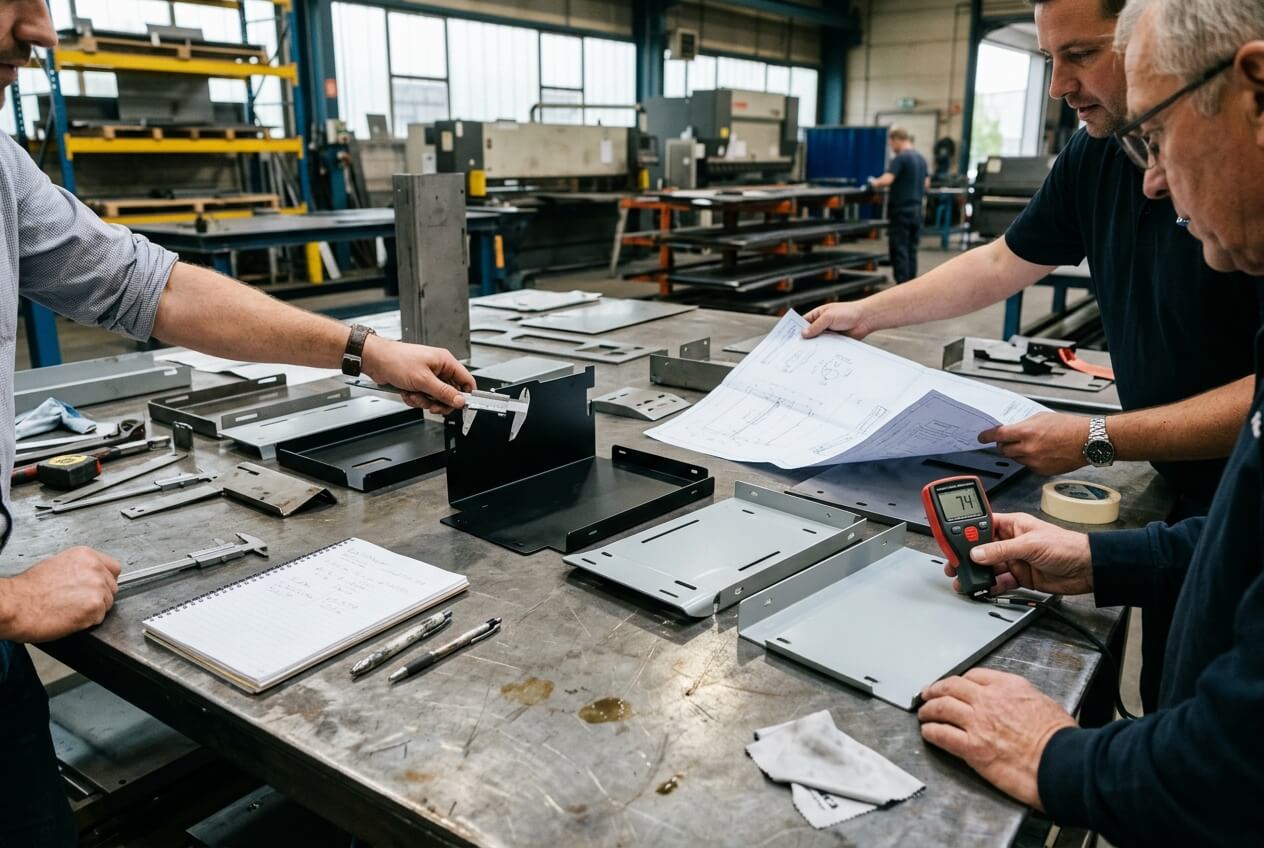
The safest quote comparison starts before the first price arrives. Buyers should make each supplier expose the assumptions behind the powder coat steel job. That does not require a long specification. It does require enough detail to stop three suppliers from pricing three different outcomes.
Start with the drawing package. Include part drawings, assembly drawings, critical dimensions, tolerance notes, and any sample photos. Mark visible faces, fit-critical features, masked holes, grounding points, weld appearance zones, and surfaces that must not receive coating. If a surface can accept normal tooling marks, say so. That prevents suppliers from pricing unnecessary cosmetic work.
Quote language that exposes hidden assumptions
Procurement can ask suppliers to confirm the coating system, pretreatment, film thickness range, masking method, weld cleanup level, packaging method, and inspection points. These items drive cost, but they also drive claim responsibility. If a supplier excludes masking, the buyer can compare that exclusion against a supplier who includes it.
Material choice should also connect to the application. Carbon steel may suit strong frames, brackets, and enclosures when cost and rigidity matter. Galvanized steel, aluminum, or stainless steel may reduce corrosion or weight risk in some projects. The RFQ should not let suppliers quietly substitute materials or quote different grades unless the buyer requests alternatives.
Lead time deserves the same clarity. A quote that includes primer, masking, fixture checks, sample approval, and protective packaging may need more time than a basic coat-and-ship process. Buyers should compare schedule against the real process, not against an incomplete quote.
Two project examples that show the cost of unclear RFQs
In one enclosure project, the buyer specified black powder coat steel and supplied accurate CAD files. The RFQ did not mention the bare grounding area inside the cabinet. The first batch arrived with powder over the contact pad. Assembly workers sanded each unit by hand, which damaged nearby finish and slowed shipment. A small masking note would have shifted that cost into the quote and protected the schedule.
In a welded display frame project, the buyer approved one good-looking sample. The supplier had polished the front welds manually but did not include that step in the production routing. Batch parts showed visible weld texture under the powder coating. The parts were structurally sound, but the retailer rejected them for appearance. The RFQ should have marked customer-facing welds and required the same cleanup level across the batch.
These examples show why the lowest quote often hides a decision rather than a saving. A buyer may still choose a lower-cost finish level for an internal part. The risk appears when the buyer believes the quote includes controls that the supplier never priced.
Before awarding a powder coat steel order, send suppliers a short clarification package. Include drawings, material requirements, quantities, tolerances, finish expectations, use environment, visible surface notes, assembly photos, prototype feedback, and packaging needs. Ask each supplier to confirm what they included and what they excluded.
RFQ support: Send Yishang your drawings, material requirements, order quantity, tolerances, and finish expectations before final supplier comparison. Yishang can review manufacturability, masking, coating, assembly fit, prototype controls, and batch inspection points for custom sheet metal parts, enclosures, brackets, frames, and welded assemblies. Visit Yishang to share your project details.
FAQ: Reducing Powder Coat Steel RFQ Risk
Why can the cheapest powder coat steel quote become expensive later?
The cheapest quote may exclude work the buyer assumed was included. Common omissions include weld cleanup, improved pretreatment, masking, thread protection, cosmetic inspection, coating thickness checks, and protective packaging. These omissions can create rework, assembly delays, field corrosion, or finish rejection.
What should an RFQ say beyond “powder coat black”?
The RFQ should state the use environment, color or reference sample, gloss or texture expectation, visible surfaces, masking locations, fit-critical features, coating thickness concerns, and packaging needs. It should also ask the supplier to confirm pretreatment, weld preparation, inspection, and exclusions.
How does powder coating affect tolerances and assembly fit?
Powder coating adds thickness to holes, slots, edges, hinge areas, latch cutouts, and sliding surfaces. Tight clearances may bind after coating even when bare metal dimensions meet the drawing. Buyers should mark fit-critical features and ask whether masking, revised hole sizes, or post-coating operations are needed.
When should welded powder coat steel parts need extra clarification?
Extra clarification matters when welded parts face moisture, outdoor exposure, cosmetic inspection, or tight assembly alignment. Weld scale, spatter, grinding marks, and sharp edges can affect coating appearance and corrosion resistance. The RFQ should define weld cleanup, visible weld zones, pretreatment, and edge expectations.
Does prototype approval protect the buyer from batch finish problems?
Prototype approval helps, but it does not protect the buyer unless the supplier records the process used to make the sample. Any hand fitting, thread chasing, weld polishing, masking, or packaging method should become a production instruction before the batch starts.
What information should buyers send for a useful powder coat steel review?
Send 2D drawings, 3D files if available, material requirements, quantities, tolerances, finish expectations, use environment, visible surface notes, assembly photos, samples, and prototype feedback. This information helps the supplier identify quote assumptions before they become production disputes.