
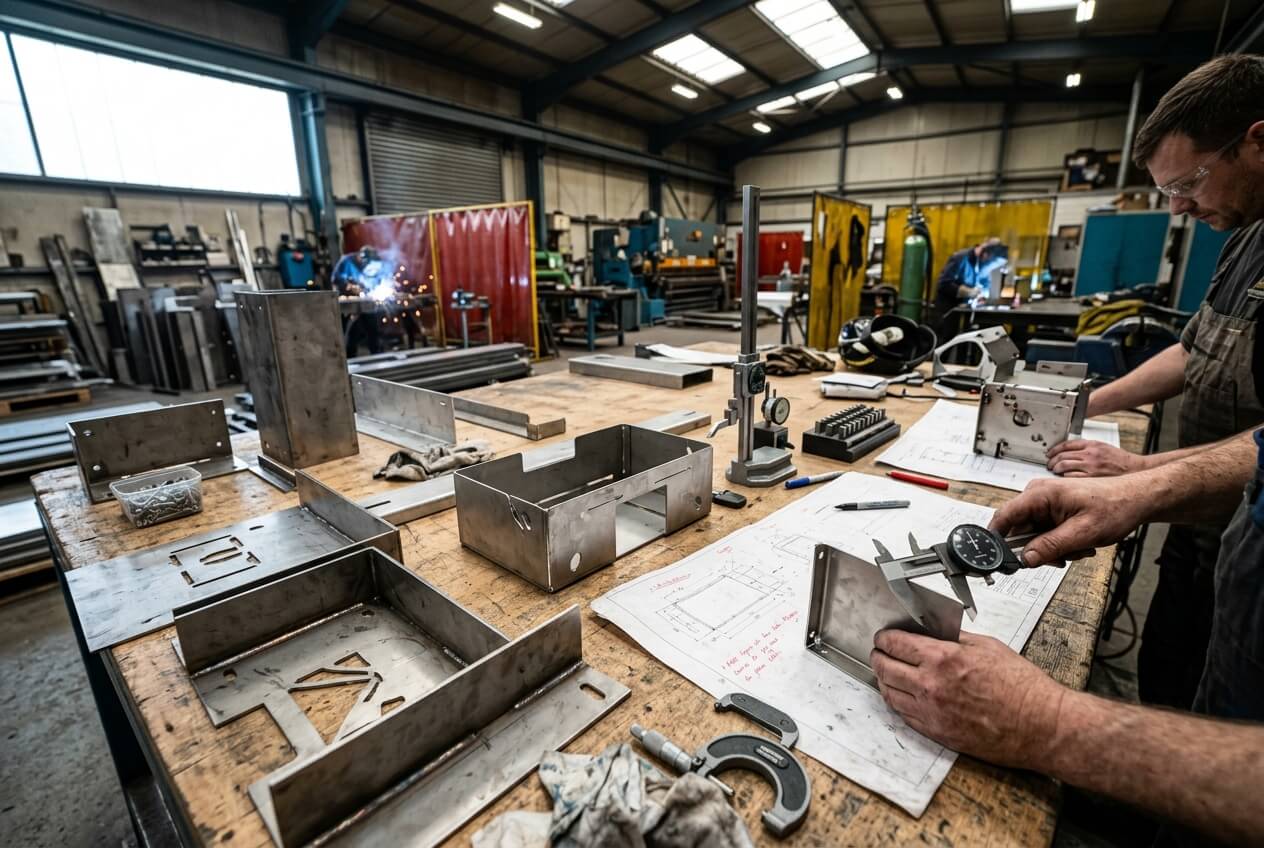
A buyer sends an RFQ for a refurbishment batch of sheet metal cabinets. The parts already have black paint. The drawing package includes laser cut doors, bent side panels, welded base frames, threaded inserts, and one short note: powder coating over paint if possible.
Three suppliers return prices for the same part number. One includes full stripping before recoating. One prices sanding with spot removal around damaged areas. One assumes cleaning only, then direct powder coating over paint. The lowest price looks efficient, but it may only be cheaper because the supplier has accepted less responsibility for the old finish.
This article focuses on one procurement risk: unclear RFQ responsibility for the existing coating. That risk distorts price, lead time, warranty, assembly fit, and batch consistency. It also makes quote comparison unreliable because suppliers may price different production routes under the same finish description.
Powder coating over paint can work in selected cases. The old coating must bond well to the substrate, tolerate curing temperature, allow grounding, and support the required film build. Buyers should not treat the old paint as a free primer unless the RFQ defines how the supplier must inspect, prepare, mask, coat, and release the parts.
Old paint responsibility is the assumption that breaks quote comparison
The first quote problem starts before production. The buyer describes the desired color and texture, but not the condition of the existing paint. A supplier then fills the gap with its own assumption. One supplier may assume clean, sound paint. Another may expect chipped edges, corrosion at welds, adhesive residue, and inconsistent old film thickness.
Those assumptions change the cost structure. Full stripping adds labor, chemicals or blasting media, waste handling, inspection time, and possible rework. Sanding with spot stripping costs less, but it still requires judgment at damaged areas. Direct recoating costs the least at quotation stage, yet it transfers more adhesion risk to the buyer.
If the original coating releases from the base metal, the new powder layer fails with it. If the old paint softens or outgasses during oven cure, the new finish may blister. If oil, silicone, labels, or residue remain under the film, the part may pass a quick visual check and fail during assembly, shipment, or installation.
Procurement teams often compare the unit prices first. That creates a trap. The quote with the lowest finishing line may exclude the work that protects the project from peeling, poor grounding, and claims. The RFQ should define whether the supplier owns the condition of the old paint or only applies powder to buyer-supplied surfaces.
A cabinet example: the lowest recoating price hides seam risk
Consider outdoor electrical cabinets made from bent steel panels and welded bases. The buyer wants a refreshed black finish for a later project phase. Photos show large panels, but they do not show rust near welded seams, hinge cutouts, or bolt holes. One supplier quotes full stripping around corrosion-prone areas. Another quotes scuffing visible surfaces only.
Both quotes may say powder coating over paint. They do not carry the same risk. The cheaper route may leave weak coating and corrosion near the locations where outdoor failures usually start. If the buyer discovers blistering after installation, the discussion moves from price to responsibility. That argument usually costs more than a clearer RFQ would have cost.
Preparation rules control price, lead time, and warranty exposure
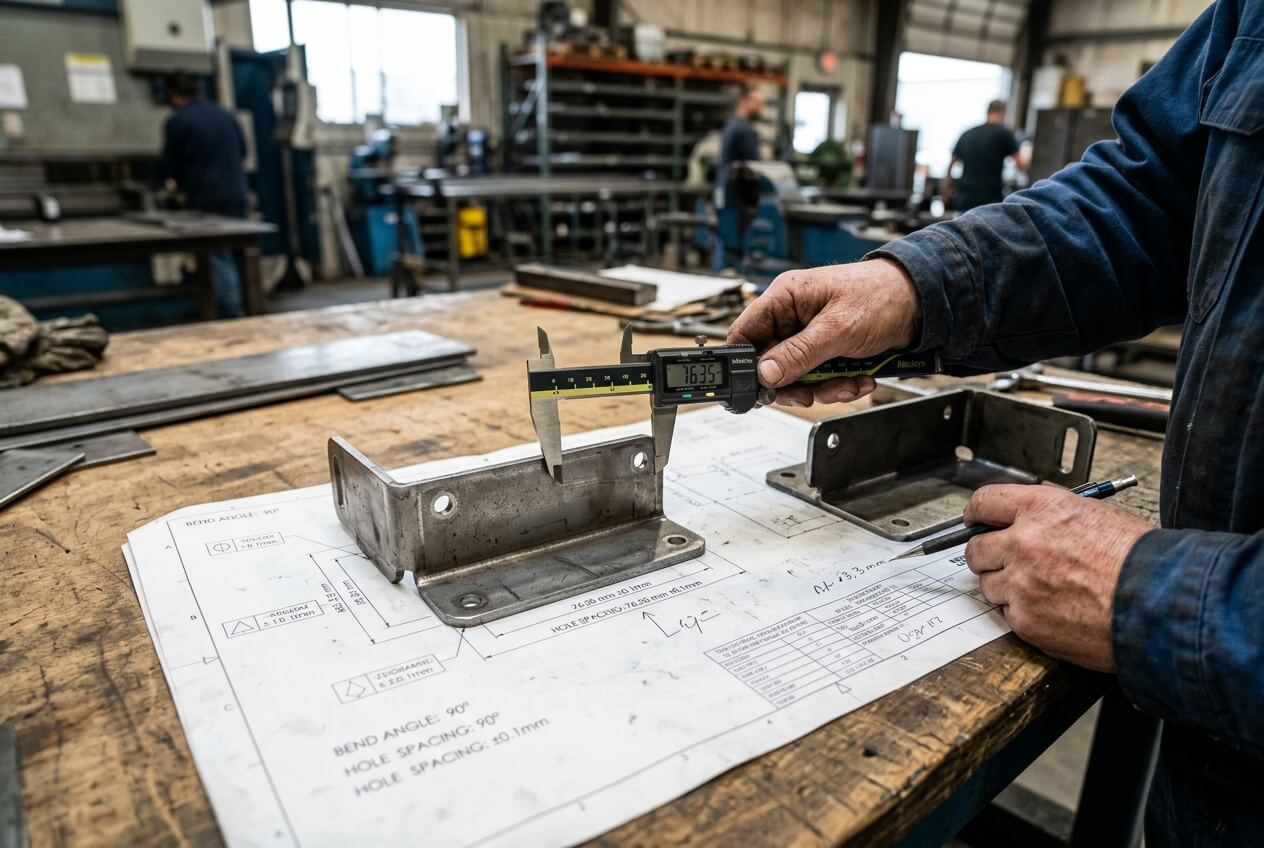
Recoating does not fail because a buyer asked for powder coating over paint. It fails because the RFQ leaves preparation open to interpretation. The supplier must decide how much sanding, cleaning, stripping, masking, and testing to include. If the buyer does not freeze those rules, each quotation represents a different risk position.
A useful RFQ states what the supplier must do when the old coating looks sound. It also states what happens when the supplier finds flaking paint, rust, deep scratches, dents, or contamination. Without that boundary, production may stop after incoming inspection. The supplier may request a price increase, extend lead time, or proceed with limited responsibility.
Buyers should also connect preparation rules to warranty language. If the buyer instructs direct recoating over unknown old paint, the supplier may limit claims caused by the original coating. If the supplier recommends stripping after a sample review, the higher price may reduce warranty exposure. Procurement should compare those options as risk levels, not only as cost differences.
Details that change the quoted route
The RFQ should identify the existing coating when possible. State whether the parts have liquid paint, old powder coating, primer, e-coat, mixed coatings, or an unknown finish. If the finish is unknown, allow the supplier to inspect sample parts before confirming the batch route.
Preparation notes should define full stripping, spot stripping, sanding only, or supplier decision after inspection. They should also describe how to handle rust, bare metal, failed paint, adhesive residue, labels, oils, fillers, and weld contamination. These details influence labor, consumables, cure success, and inspection effort.
Cure exposure matters as much as surface roughness. Powder coating requires oven curing. Old paint, plastic inserts, fillers, sealants, or trapped contamination may not tolerate the curing cycle. If the part includes gaskets, threaded inserts, plastic hardware, or heat-sensitive components, the supplier needs that information before quoting.
Yishang can review drawings, photos, quantities, and finish notes during RFQ review for custom sheet metal fabrication projects. That review helps identify whether the quote should include direct recoating, sanding with spot stripping, or full removal before coating. It also helps prevent a low finishing price from hiding later production questions.
Unclear recoating assumptions become fit problems on fabricated parts
Buyers often treat recoating as a cosmetic decision. On sheet metal parts, the coating route can become a dimensional and assembly issue. Old paint plus new powder adds film build. That extra thickness can block threaded holes, change door gaps, reduce gasket compression, and shift mating surfaces.
The risk grows when drawings include tight tolerances or functional interfaces. Hinges, PEM nuts, studs, slots, latch cutouts, grounding points, sliding faces, and gasket lands all need clear coating instructions. If the drawing only says black powder coat, the supplier may coat areas that should stay masked or controlled.
Grounding also deserves attention. Electrostatic powder application needs a reliable electrical path. Thick old paint can insulate the part and reduce transfer efficiency. A supplier may need a bare metal contact point or a masked grounding zone. If the RFQ does not identify that zone, coverage can vary inside cabinet corners, around flanges, and near welded brackets.
An enclosure example: a good finish creates a sealing problem
A control enclosure buyer sends removable covers for recoating so they match newly fabricated bases. The covers have old paint on the gasket flange. The supplier cleans, sands, and applies new powder without masking the flange because the RFQ only specifies color and gloss.
The parts look acceptable after coating. During assembly, the gasket sits higher than expected. Some covers no longer seal evenly because the old paint and new powder changed the compression stack. The problem began as an RFQ omission, moved into production as an unpriced masking decision, and appeared later as an assembly rejection.
A frame example: threads and mating plates absorb the hidden cost
A welded display frame uses threaded leveling feet and bolted sheet metal shelves. The buyer asks for powder coating over paint to refresh returned frames for indoor use. The RFQ does not mark threaded areas, mating plates, or shelf contact faces.
After coating, workers chase threads and scrape powder from contact points. The finish team met the color requirement, but assembly absorbed the cost. If procurement had marked functional surfaces before quoting, the supplier could have priced masking or post-coating thread cleaning. The unit price might have increased, but the project would have avoided rework and damaged coating.
Prototype approval does not remove batch risk unless the old coating varies are controlled
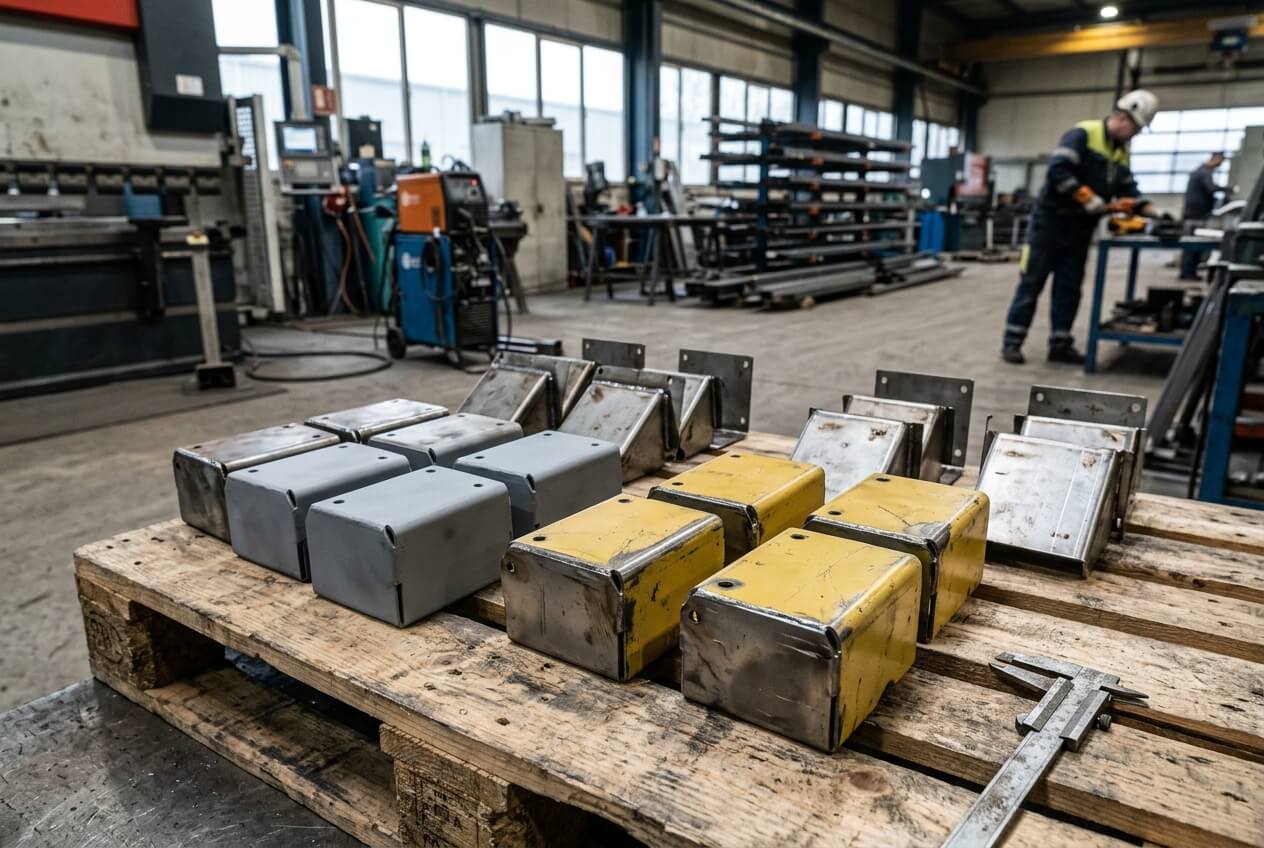
A sample part can reduce uncertainty, but it cannot represent every old painted part in a refurbishment batch. Prototype approval often creates false confidence when the batch contains mixed coating ages, different paint thicknesses, hidden corrosion, or parts from several production lots.
One hand-prepared sample may pass adhesion and visual inspection. The batch may still fail because operators receive parts with different old coating conditions. Some doors may have sound paint. Others may show peeling near holes or rust under chipped edges. If the RFQ does not define sorting rules, the same production instruction produces different outcomes.
Batch consistency requires a decision before quotation. The buyer can choose full stripping to create one controlled baseline. That costs more but improves repeatability. The buyer can also allow sorting into preparation categories. That may reduce cost, but it needs clear inspection criteria and commercial approval for different routes.
Lead time also changes with this decision. Direct recoating may look faster, yet incoming inspection can uncover defects that stop production. Spot stripping adds process steps but may prevent later rework. Full stripping may extend the front end of the schedule, while reducing assembly disruption and claim risk after delivery.
Supplier communication should cover how the first article links to the batch. Ask whether the supplier will inspect all parts or sample by lot. Define who approves route changes when inspection finds failed paint. Confirm whether the approved sample represents color only, or color plus preparation, masking, film thickness, cure, and adhesion.
For custom sheet metal parts, tolerances and finish build should align. A drawing may allow generous outside dimensions but tight fit around hinges, tabs, slots, or mating brackets. If coating thickness affects those areas, the finish note should reference the functional requirement. Otherwise, inspection may approve the coating while assembly rejects the part.
Clarify the recoating boundary before you compare suppliers
The safest RFQ does not force every supplier into one method without evidence. It asks suppliers to price the recoating boundary clearly. Buyers can request options for full stripping and powder coating, sanding sound paint with spot stripping in failed areas, and direct recoating after cleaning with limited adhesion responsibility.
That structure makes the risk visible. Procurement can compare cost drivers, lead time impact, and warranty limits. Engineering can review assembly fit, masking, tolerances, grounding points, and functional surfaces. Quality can define release checks such as visual limits, film thickness range, cross-hatch adhesion, cure verification, or salt spray testing when the application justifies it.
The RFQ package should include drawings, material requirements, quantities, tolerance notes, photos of the existing coating, color and texture expectations, masking requirements, and assembly notes. Add close-up photos of edges, welds, holes, hinges, gasket faces, and corrosion-prone areas. Distant photos of the best surface rarely show the areas that determine recoating risk.
Buyers should also state acceptance criteria in plain language. For indoor display parts, a cosmetic standard and basic adhesion check may be enough. For outdoor cabinets, industrial housings, or welded assemblies exposed to moisture, the RFQ should raise the preparation and inspection standard. Powder coating over paint may still be possible, but the buyer should know what the supplier excludes.
If you plan a refurbishment or mixed new-and-recoated sheet metal project, send Yishang your drawings, material requirements, quantities, tolerances, finish expectations, photos, and assembly concerns. Yishang can review the package before quoting custom sheet metal fabrication, metal enclosures, brackets, frames, or welded assemblies so the price reflects preparation risk instead of an unclear finish note.
Frequently Asked Questions
Can powder coating over paint be quoted without full stripping?
Yes. It can be quoted when the old coating bonds well, stays clean, and tolerates the powder curing cycle. The RFQ should state whether the supplier must test adhesion, sand the surface, remove failed areas, or coat directly with limited responsibility for the original paint.
Why do suppliers give very different prices for the same recoating job?
Each supplier may assume a different preparation route. One may include full stripping, while another may include only cleaning and sanding. These routes carry different labor, lead time, inspection, waste handling, and warranty risks. Buyers should request separate options before comparing unit prices.
Which surfaces should buyers mark before recoating sheet metal parts?
Mark threaded holes, grounding points, gasket faces, hinge seats, slots, sliding faces, latch areas, mating plates, and tight assembly interfaces. Powder buildup on these areas can create fit problems even when the visible finish looks acceptable.
Does a good prototype prove the whole recoating batch will pass?
No. A prototype may represent one old coating condition only. Batch parts can vary by paint age, film thickness, corrosion, contamination, and previous handling. Buyers should define sorting rules, preparation categories, and inspection criteria before approving batch production.
When should buyers avoid direct powder coating over paint?
Direct recoating becomes risky when paint flakes, rust appears at edges or welds, the coating type is unknown, the film is too thick for grounding, or the part has critical mating surfaces. Outdoor cabinets and welded frames often need stronger preparation than indoor cosmetic parts.
What information should an RFQ include for recoating metal enclosures or frames?
Include drawings, material requirements, quantities, tolerances, photos of the existing coating, finish expectations, masking notes, assembly requirements, and any prototype history. This information helps suppliers price the preparation route and not only the final powder color.