Introduction: The Problem Behind “Green” Infrastructure
Renewable energy investment is accelerating worldwide, and with it comes a sharp rise in demand for mounting systems, equipment housings, structural frames, brackets, cabinets, and protective metal assemblies. For buyers, that demand creates both opportunity and pressure: projects must move quickly, but the supporting hardware still has to last for decades.
That is where many clean-energy programs run into trouble. In the push to control upfront budget, some projects treat structural hardware as a low-priority commodity. The result is a hidden risk: long-life renewable assets supported by short-life metal infrastructure.
A solar module may carry a 25- to 30-year performance warranty, but that warranty means little if the racking system corrodes early, if a BESS enclosure cannot withstand thermal and environmental stress, or if wind-related hardware begins to fail under real operating loads.
For procurement teams, the real issue is not whether a project is labeled sustainable. It is whether the underlying fabricated metal components are designed and sourced with the same long-term mindset as the energy system itself.
This article explains why lifecycle-focused metal fabrication matters in renewable projects, how it affects ROI and operational reliability, and where buyers should raise their standards when sourcing hardware for solar, offshore wind, and battery storage applications.
From Cost-Driven Parts to Long-Life Infrastructure
In renewable projects, every structural component is part of a bigger financial equation. For buyers, the lowest quoted price is rarely the same thing as the lowest long-term cost.
The problem with a purely price-first sourcing model is that it often treats brackets, cabinets, racking assemblies, and structural supports as interchangeable metal parts. In reality, these items influence:
- field reliability
- maintenance frequency
- replacement cost
- project uptime
- total lifecycle return
The Real Difference: Short-Term Thinking vs. Lifecycle Thinking
| Decision Dimension | Short-Term Sourcing Mindset | Built-to-Last Infrastructure Mindset |
| Primary objective | Lower upfront CAPEX | Better lifecycle value and lower long-term ownership cost |
| Material strategy | Commodity-grade selection | Material chosen for actual environment and load profile |
| Design approach | “Good enough” for initial installation | Designed for durability, service life, and structural consistency |
| Supply-chain logic | Replace when necessary | Reduce failure risk and extend usable life |
| Procurement success metric | Lowest initial bid | Stable long-term performance with fewer downstream issues |
For renewable energy buyers, this distinction matters because project economics depend on years of stable performance, not just successful installation. A well-made racking system, enclosure, or structural frame protects both the physical system and the long-term business case behind it.
How a Long-Life Manufacturing Philosophy Becomes a Real Product
A renewable project does not become more durable because a supplier talks about sustainability. It becomes more durable when that philosophy shows up in material choice, design tolerance, welding quality, coating strategy, and documentation discipline.
Pillar 1: Design for Durability
Durability starts with design. In renewable applications, structural hardware should not be designed only to survive installation; it should be designed to remain stable through wind load, moisture exposure, thermal cycling, vibration, and long service intervals.
That means making deliberate decisions on:
- steel or aluminum grade
- coating system
- wall thickness and reinforcement strategy
- joint design and weld accessibility
- fabrication tolerances that affect long-term fit and load transfer
For example, a support structure intended for general outdoor use may perform adequately with one galvanization standard, while a coastal or aggressive environment may demand a far more robust corrosion strategy from the beginning.
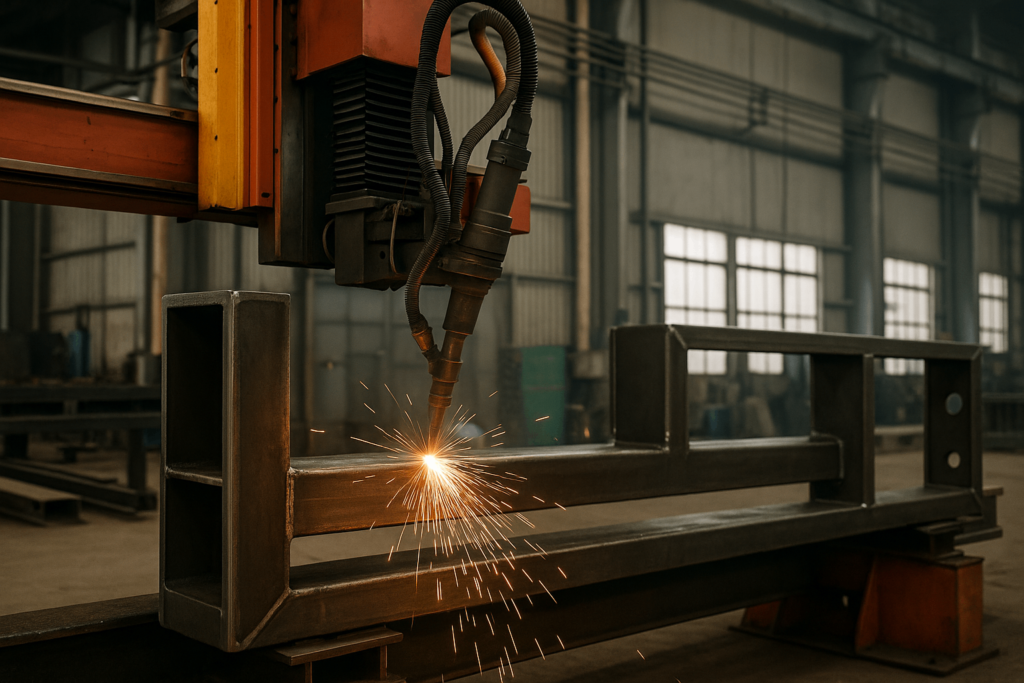
Precision fabrication also matters. Better laser cutting, cleaner part fit-up, and more consistent welding reduce the small defects that often become large structural issues after years in service.
Pillar 2: Designing Waste and Rework Out of the Supply Chain
In renewable hardware sourcing, efficiency is not only about labor cost or freight cost. It also depends on how much waste is designed into the product from the beginning.
A more durable fabrication strategy often includes:
- smarter nesting and material usage
- design choices that reduce scrap and unnecessary rework
- joinery approaches that support maintenance, replacement, or eventual recycling
- material choices that balance durability with future recoverability
These decisions matter more than they first appear. Over large production volumes, small design improvements can reduce raw-material waste, improve packaging efficiency, and lower lifetime replacement demand.
Pillar 3: Traceability and Ethical Sourcing Are No Longer Optional
For buyers involved in renewable projects, documentation has become part of product quality. It is no longer enough for a supplier to say the material is compliant or responsibly sourced. The claim needs to be backed by records.
That is why serious buyers increasingly expect:
- Mill Test Reports (MTRs)
- country-of-origin visibility where required
- coating and finishing documentation
- revision-controlled drawings and process records
This kind of transparency helps protect buyers from both technical and reputational risk—especially in markets where ESG expectations, customer audits, and certification requirements are tightening.
Pillar 4: Renewable Projects Need Hardware That Works Beyond Standard Layouts
Renewable deployment is becoming more decentralized. Community-scale solar, distributed storage, and hybrid rural energy systems often do not fit a single standard hardware template.
That means buyers increasingly need fabrication partners who can handle:
- site-specific brackets and frames
- custom cabinet layouts
- small-to-medium batch flexibility
- adaptation to unusual terrain, spacing, or structural needs
In this context, good fabrication is not just about producing parts. It is about providing hardware that still performs reliably when the project itself is less standardized.
Where Renewable Metal Fabrication Becomes Mission-Critical
The importance of better metal fabrication becomes easiest to understand in applications where structural performance directly affects uptime, safety, and maintenance cost.
Application 1: Agrivoltaics
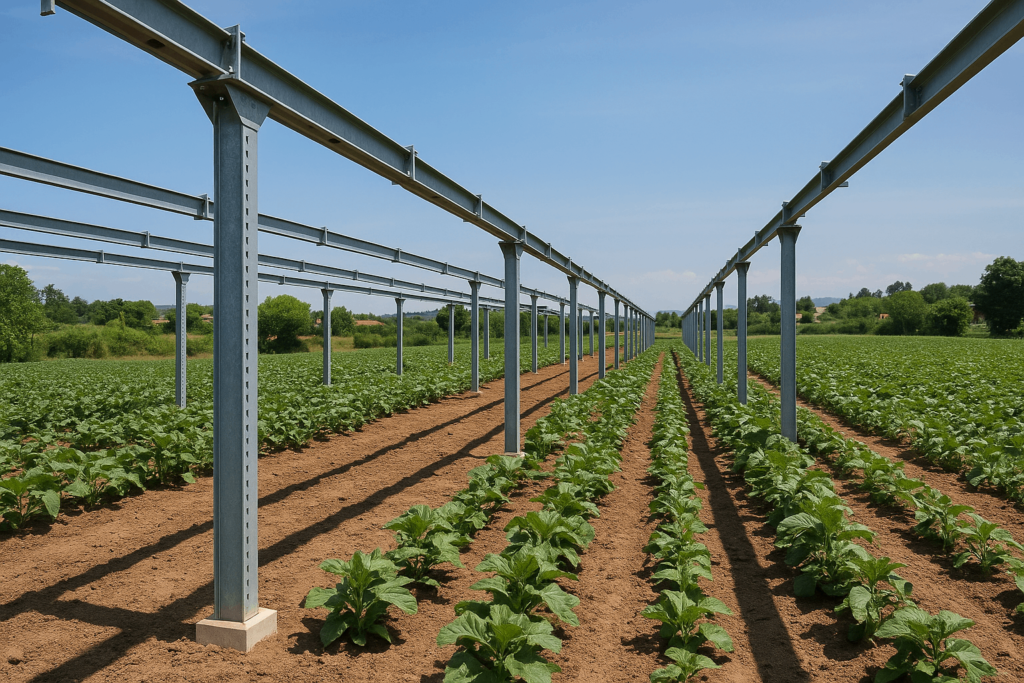
Agrivoltaics combines energy generation with agricultural land use, which creates unusual structural requirements. Hardware has to work around:
- tractor and machinery clearance
- crop access and light distribution
- wind load and seasonal environmental variation
- long-term corrosion resistance in exposed field conditions
For buyers, this means standard solar mounting logic is often not enough. The fabricated structure must be adapted to both the energy system and the agricultural environment.
Application 2: Offshore Wind
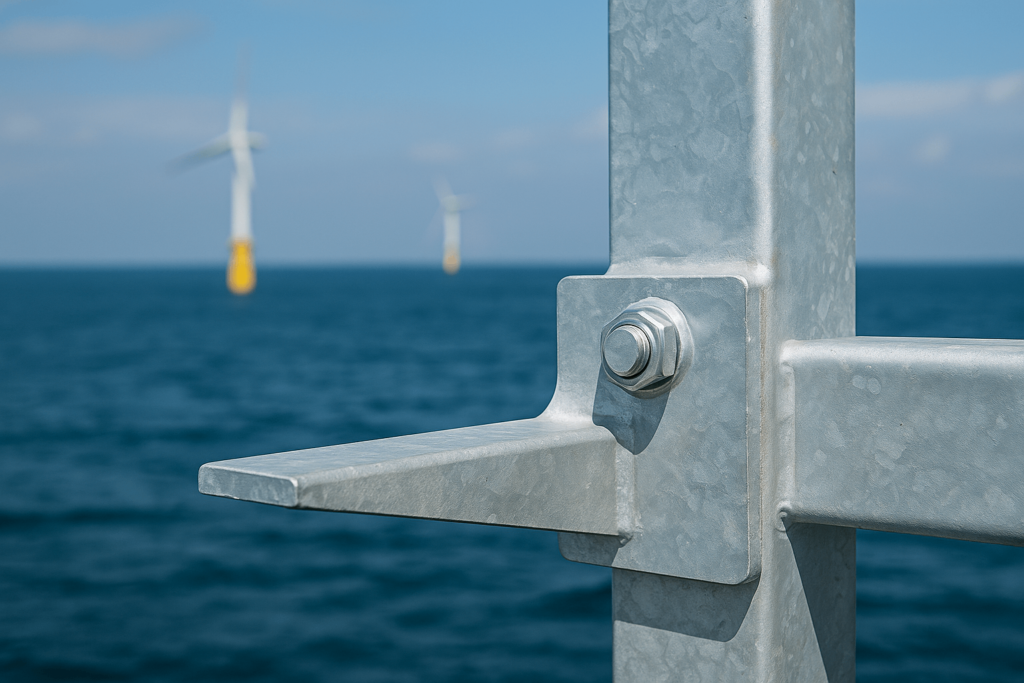
Offshore wind hardware operates in one of the harshest corrosion environments in modern infrastructure. Salt spray, moisture, vibration, and continuous exposure place exceptional demand on:
- base material selection
- fastener integrity
- coating performance
- weld consistency
In this context, poor metal fabrication does not just shorten service life—it can create expensive maintenance cycles in locations where repair access is already difficult and costly.
Application 3: Battery Energy Storage Systems (BESS)
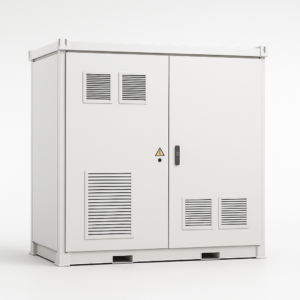
Battery storage enclosures must do far more than hold equipment. They often need to balance:
- structural protection
- weather resistance
- thermal management
- accessibility for maintenance
- compliance-related design features
For buyers, the fabrication quality of a BESS housing influences both equipment protection and long-term operating stability. Poor fit, weak sealing, or inadequate finishing quickly becomes a field problem.
Conclusion: In Renewable Projects, Metal Fabrication Is Part of the ROI Equation
Renewable systems are often discussed in terms of energy output, efficiency, and policy support. But for procurement teams, long-term project success also depends on something more basic: whether the physical hardware is built to last.
That is why metal fabrication should not be treated as a low-priority commodity decision. The quality of the frame, enclosure, bracket, cabinet, or support structure affects:
- maintenance cost
- service life
- field reliability
- replacement frequency
- overall investment return
For buyers, the right manufacturing partner is not simply the one who offers the lowest price. It is the one who understands that in renewable infrastructure, durability, traceability, and process discipline are commercial advantages, not optional extras.