
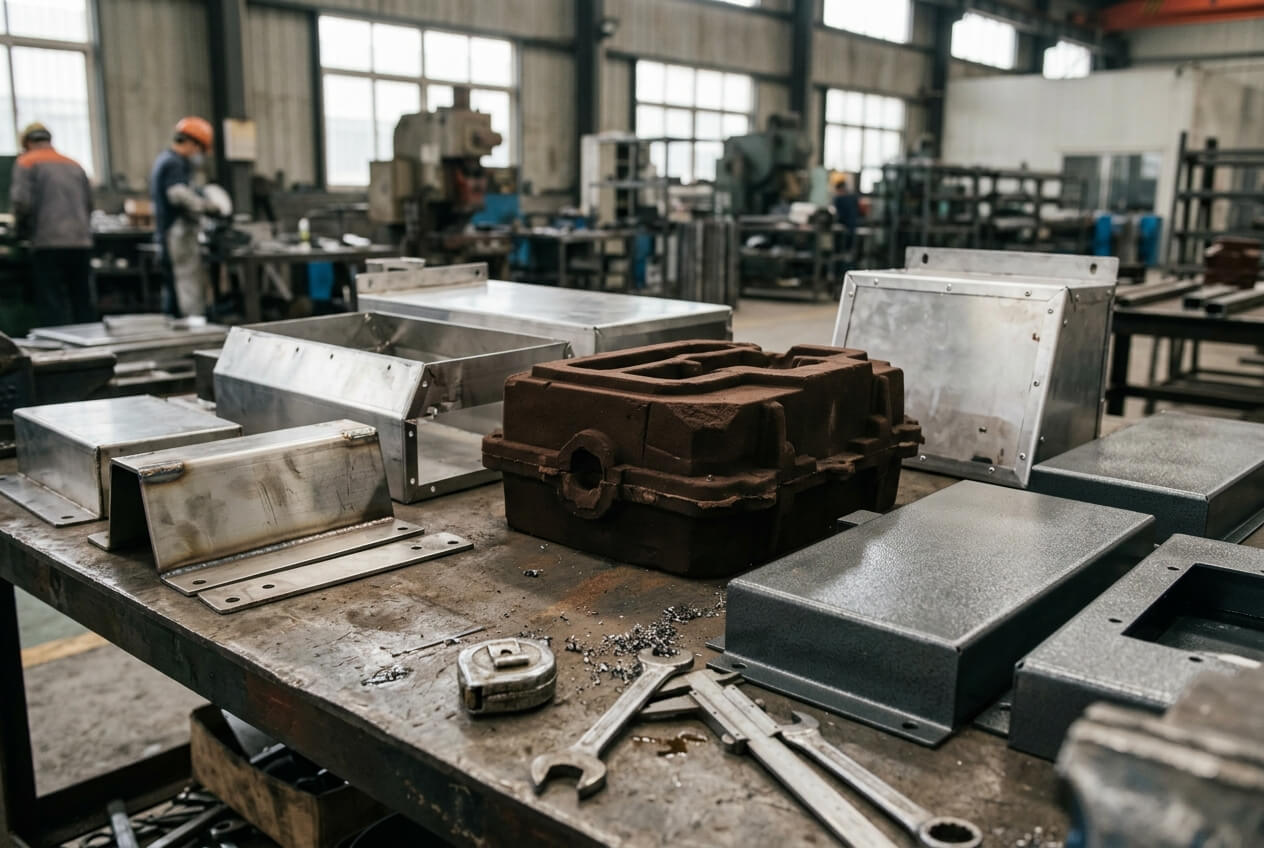
An OEM buyer can send the same drawing to three foundries and get three very different sand molding quotes. The part number looks identical. The pricing does not. One supplier assumes generous machining stock. Another assumes loose cosmetic acceptance. A third prices extra core work, tighter inspection, or a different sand route. That is the real procurement risk in sand molding: the quote often reflects hidden assumptions, not just metal and labor.
For buyers of custom sheet metal fabrication, sheet metal parts, metal enclosures, brackets, frames, and welded assemblies, that risk matters even when the project starts as a casting inquiry. A housing, cover, or mounting body can move between fabricated and cast routes quickly. If the RFQ is vague, the first number may look attractive and still fail at machining, sealing, or assembly.
That is why sand molding should be treated as a scope-definition exercise, not a price hunt. Yishang often reviews drawings at this stage because a small wording change can shift the whole quotation model.
Why One Sand Molding Drawing Produces Quotes That Do Not Compare Cleanly
The core problem is not that suppliers make mistakes. It is that they read risk differently. One foundry prices the casting as rough, then adds machining later. Another assumes a cleaner surface and tighter dimensional control. A third includes more tooling work because the geometry needs it. Buyers see one drawing, but the shop sees pattern work, core complexity, inspection burden, and finishing risk.
That mismatch starts early. If the RFQ does not separate as-cast faces from machined faces, suppliers fill the gap with their own assumptions. If the drawing does not identify the sealing land, mounting pads, or hole locations that matter in assembly, the supplier may price for the cheapest acceptable interpretation. The low quote then becomes the most expensive option once the part reaches the machine, the coating line, or the assembly bench.
What the quote is really measuring
In sand molding, the part price is usually tied to more than metal volume. It also reflects pattern cost, core count, gating design, riser size, machining allowance, yield loss, inspection effort, and how much rework the supplier expects after the first sample. When those items stay hidden, the buyer compares numbers that are not built on the same process plan.
A clearer RFQ forces the supplier to show its assumptions. Ask what the quote includes for tooling, cores, machining, and first-article checks. Ask what the supplier excluded. If the answer stays vague, the price probably hides a change order.
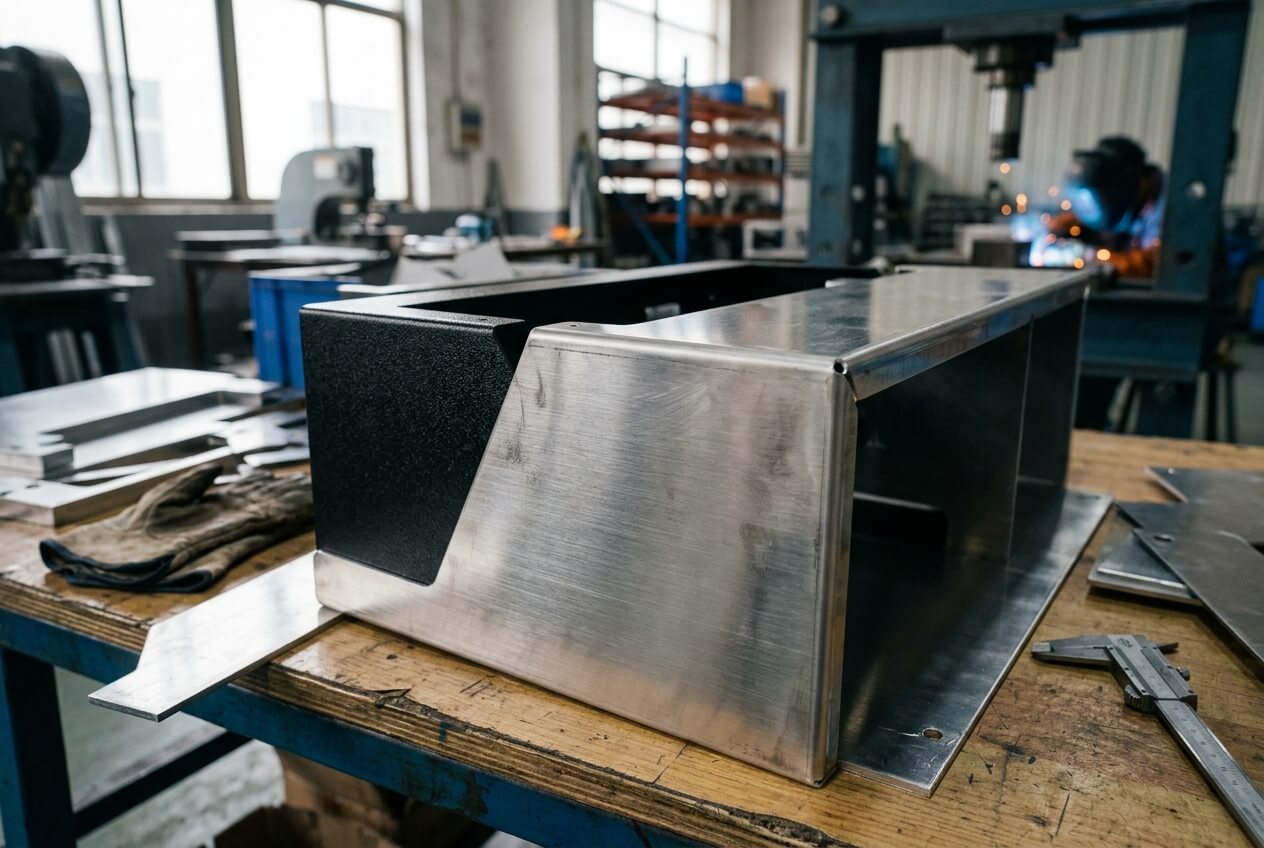
Machining Allowance, Draft, and Geometry Decide Whether the Part Fits or Fails Later
Geometry drives more cost movement than most buyers expect. A thin wall beside a heavy boss can create filling problems. A blind pocket can need extra core work. A missing draft angle can increase tooling complexity. None of those issues always show up in the first quote, but they often show up in the first machined part.
This is where the chain reaction starts. The drawing leaves a feature open. The foundry guesses at the allowance. The casting comes back oversized, shifted, or uneven. Machining then removes more stock than planned. If the part belongs in a bracket set, enclosure, or frame assembly, the hole pattern or pad location may drift out of fit. The project then moves from casting cost into scrap, rework, and delayed approval.
Geometry details that need to be frozen early
Buyers should lock the dimensions that control fit, not just overall size. That includes minimum wall thickness, draft angle limits, inside radii, and which faces stay as-cast. It also includes which holes are cast, drilled, tapped, or reamed later. If a face seals, locates, or carries load, it should be called out clearly. Otherwise, the supplier may optimize for foundry yield instead of assembly performance.
For a motor cover, a flange that looks simple on paper may need tighter flatness after machining. For a cabinet bracket, a few millimeters of position error can stop the assembly from closing. A supplier such as Yishang can review the drawing before quote release and flag where a fabrication route may be safer than a cast route.
One practical example: a buyer requests a sand-molded pump housing with a machined face and threaded ports. The drawing marks the outer shell, but it does not define the machining stock. The foundry quotes low. The first samples need extra cleanup near the ports, and the flange fails sealing inspection. The real issue was never the metal price. It was the missing machining assumption.
Prototype Approval Can Hide Batch Variation When the Part Joins an Assembly
A sample often looks better than the batch that follows. The prototype may get hand finishing, extra checking, and a careful setup. Batch production usually runs with tighter cycle pressure and less manual correction. If the process route is not frozen, the approved sample can give buyers false confidence.
This matters most when the part sits inside an assembly. A casting that passes on its own may still fail when it meets a gasket stack, a welded frame, or a bolted enclosure. Small changes in core shift, flash, or shrink behavior can move the fit enough to create problems later. The consequence chain is easy to miss: the sample passes, the order releases, and then a batch issue appears after tooling or machining is already committed.
Project-style example: an enclosure base that looked ready
An equipment buyer requested a cast base for a control enclosure. The prototype matched the print visually, so the sample passed review. During batch production, however, a small shift in the mounting pads moved the door alignment enough to interfere with the seal. The buyer had to rework the mounting stack and delay integration. The drawing had checked the shape, but it had not frozen the process controls behind the shape.
That is why first-article data matters. Buyers should ask whether the sample used the same sand system, gating plan, riser layout, and core setup as the batch order. If the answer is no, the sample is only a snapshot. It is not a production promise.
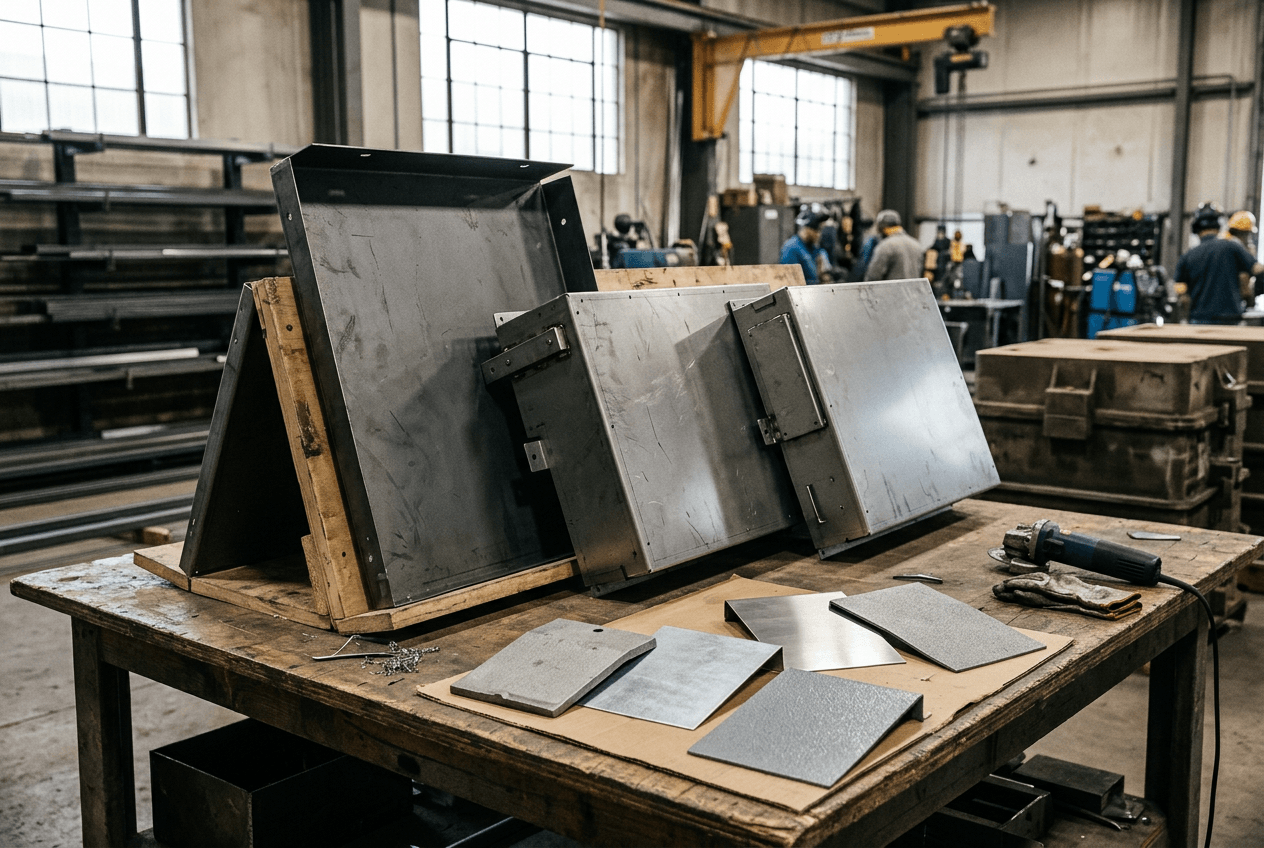
When Sand Molding Is the Wrong Route for Brackets, Frames, and Welded Assemblies
Not every metal housing should go through sand molding. Some parts are really fabrication jobs in disguise. A rectangular enclosure, a cabinet frame, a guard, or a welded bracket set may produce a cleaner and cheaper result as laser-cut, bent, and welded sheet metal. That route often gives better hole control, easier revisions, and less risk on flat cosmetic faces.
The mistake is choosing the process by habit instead of by fit risk. If a part needs repeated mounting holes, flat locating pads, or frequent design changes, a fabricated route may save more than it costs. If the geometry has thick sections, internal passages, or unusual mass distribution, sand molding may still win. The buyer should compare the production route against the assembly need, not against the drawing alone.
Project-style example: a bracket set with repeated revision risk
A buyer once asked for a bracket assembly as a casting because the first concept looked simple. The geometry turned out to be mostly flat plate work with a few formed transitions. The quote for sand molding included tooling, machining, and inspection that the part did not need. A fabricated route would have allowed faster revisions and lower correction cost. The issue was not whether the part could be cast. It was whether casting was the safest way to make the bracket fit the machine.
For buyers who are still deciding between a sand casting and a fabricated build, Yishang can review drawings, assembly notes, and quantity targets before the RFQ is locked. That kind of check often prevents a process choice that looks fine on paper and becomes expensive in production.
What Buyers Should Freeze Before They Compare Sand Molding Quotes
Price comparison only works when the scope is stable. Buyers need to freeze the process assumptions that shape the quote, the sample, and the batch. Otherwise, each supplier bids a different job. The safest RFQ is not the longest one. It is the one that leaves less room for interpretation.
Start with the drawing. Mark the faces that stay as-cast and the faces that will be machined. Then identify the holes, pads, and seals that affect assembly. Add the material grade, expected quantity, tolerance priorities, and finish expectations. If the supplier should quote prototype and batch separately, say so. If the order needs a stable first article before release, say that too. Small clarity here can prevent large changes later.
Buyers should also ask for a direct explanation of what each quote includes. Does the price cover pattern work? Are cores included? Is the machining allowance fixed? What inspection data will come with the first piece? These questions matter because they reveal where the supplier is taking risk and where the buyer may inherit it later.
For RFQs that blend sheet metal fabrication with cast or formed components, the same logic applies. A welded enclosure, a sheet metal frame, and a cast base may all sit in one assembly. If one process is over-assumed, the whole build suffers. That is why the best quotes are built on a frozen scope, not on a hopeful interpretation.
If you want a cleaner comparison, send the drawing, material requirements, quantities, tolerances, and finish expectations together. If assembly fit is critical, include photos, mating-part details, and any sample notes. Yishang can review the package before you release the RFQ and help separate process choice from price noise.
Frequently Asked Questions
Why do sand molding quotes for the same part vary so much?
They vary because each supplier assumes different machining stock, core work, inspection effort, and finish expectations. If the RFQ does not freeze those points, the quotes are not truly comparable.
What drawing details reduce sand molding quote risk the most?
The most important details are as-cast versus machined faces, fit-critical holes, sealing lands, wall thickness, draft limits, and which dimensions control assembly. Those notes keep the supplier from guessing.
How does machining allowance affect final cost?
Machining allowance changes how much material the supplier leaves for finishing. Too little allowance can cause scrap. Too much allowance adds cutting time and can hide a more expensive process than the quote first suggests.
Why can a prototype pass while batch production fails?
Prototype parts often get hand tuning and extra attention. Batch parts follow a fixed process. If the gating, riser, or core setup changes, the batch can shift in size or position even when the sample looked perfect.
When should an OEM consider a welded sheet metal assembly instead of sand molding?
Consider fabrication when the part is mostly flat, needs repeated hole revisions, or depends on tight assembly fit rather than heavy section strength. Welded sheet metal often reduces tooling risk and makes revisions cheaper.
What should buyers send with a sand molding RFQ to get a useful quote?
Send the drawing, material requirements, quantities, tolerances, finish expectations, and any assembly or mating-part notes. If possible, add photos or a sample so the supplier can check manufacturability before pricing.