
Sourcing custom sheet metal fabrication services is a critical process for OEM buyers and procurement managers. The decisions made during this stage affect product performance, cost efficiency, and overall supply chain reliability. From selecting appropriate materials to determining production tolerances and surface finishes, every factor requires careful consideration to ensure your project’s success.
Material Selection: Aligning Durability and Cost
Choosing the right material for sheet metal fabrication is foundational to achieving your product goals. Common materials include stainless steel, aluminum, mild steel, and brass, each offering unique properties that suit different applications:
- Stainless Steel: Ideal for environments requiring corrosion resistance, such as food-grade equipment or outdoor enclosures. However, its higher cost may not suit budget-sensitive projects.
- Aluminum: Lightweight and versatile, aluminum works well for transportation components and aerospace applications. It’s less rigid than steel, which may limit its use in heavy-duty products.
- Mild Steel: A cost-effective option for structural applications, mild steel provides strength but may require additional coatings to protect against corrosion.
- Brass: Best suited for decorative or low-friction applications, brass is visually appealing but carries a higher price point.
For example, a manufacturer sourcing metal enclosures for outdoor equipment might prioritize stainless steel to withstand environmental exposure, while an OEM designing lightweight aerospace brackets might opt for aluminum to reduce weight.
Understanding Tolerances: Precision Meets Practicality
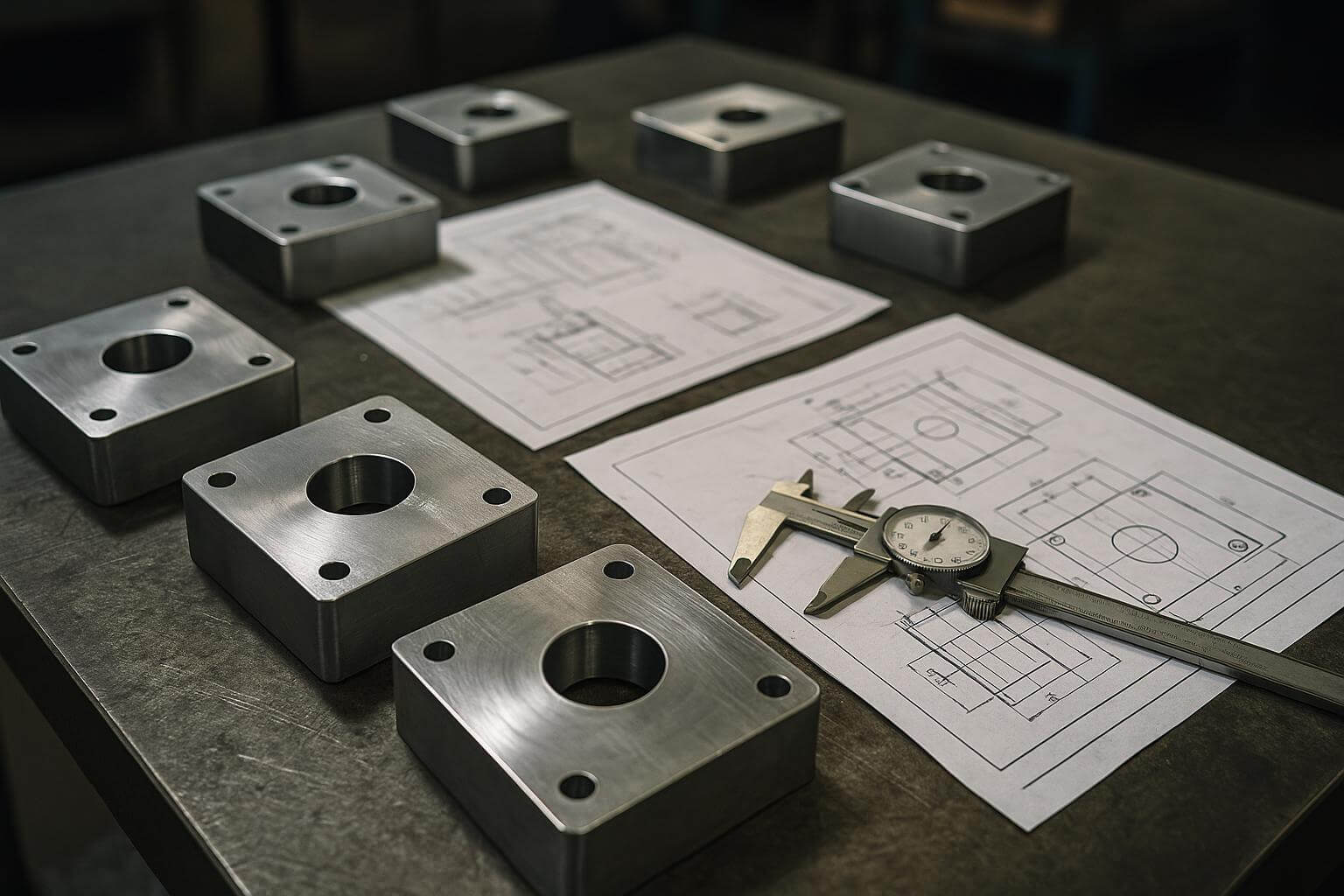
Precision is a cornerstone of sheet metal fabrication, particularly for components that must integrate seamlessly into assemblies. Tight tolerances are often required for brackets, frames, and enclosures to ensure proper fit and functionality. While advanced technologies like laser cutting and CNC forming enable high accuracy, mismatches between design tolerances and production capabilities can lead to costly delays.
To mitigate risks, buyers should provide detailed drawings specifying tolerances, dimensions, and any critical features. For example, if a bracket requires a ±0.1 mm tolerance to fit into an assembly, confirm that your chosen shop can consistently meet this standard during production.
Surface Finishing Options: Balancing Functionality and Aesthetics
The surface finish of sheet metal parts serves dual purposes: enhancing appearance and protecting against environmental factors. Common finishing methods include:
- Powder Coating: Provides a durable, uniform finish suitable for industrial and consumer applications.
- Anodizing: Commonly used for aluminum parts, anodizing improves corrosion resistance and allows for color customization.
- Polishing: Ideal for decorative components requiring a high-gloss finish.
For instance, a sourcing manager procuring metal frames for a consumer product might opt for anodized aluminum to achieve both durability and aesthetic appeal. Conversely, industrial enclosures exposed to harsh conditions might benefit from powder coating for maximum protection.
Prototyping and Batch Consistency: Key to Scaling Production
Prototyping is essential for validating designs and identifying manufacturability issues before committing to large-scale production. During this stage, ensure your supplier provides prototypes that match final production standards in terms of tolerances, finishes, and assembly compatibility.
Batch consistency becomes even more critical in high-volume production. Variations in dimensions, material quality, or finishes can disrupt assembly processes and lead to rework or product recalls. Communicate expectations clearly in your RFQ, specifying tolerances, material grades, and finish requirements. For example, a buyer sourcing welded assemblies for industrial machinery should confirm that welds remain consistent across all units to avoid structural weaknesses.
Lead Time Management: Avoiding Supply Chain Disruptions
Lead times are a crucial factor in procurement planning. Delays in sheet metal fabrication can cascade into supply chain disruptions, affecting delivery schedules for downstream assemblies. Factors influencing lead times include:
- Complexity of the design
- Material availability
- Setup time for specialized tooling
- Volume of production
For example, a buyer requiring custom enclosures for electronics might face longer lead times for designs that involve intricate laser cutting and multiple finishing steps. To avoid delays, provide comprehensive specifications upfront and maintain ongoing communication with your supplier.
Yishang specializes in custom sheet metal fabrication, offering expertise in material selection, precision cutting, surface finishes, prototyping, and batch production. To explore tailored solutions for your project, share your drawings, materials, quantities, tolerances, and finish requirements via our website at zsyishang.com.
Frequently Asked Questions
What information should I include in a sheet metal fabrication RFQ?
Include 2D or 3D drawings, material grade, sheet thickness, tolerance requirements, surface finish expectations, quantity, application context, and any assembly or inspection requirements. Clear RFQ details help reduce quote assumptions and avoid production delays.
How do tolerances affect the cost of custom sheet metal parts?
Tighter tolerances usually require more careful process control, inspection, tooling, or secondary operations. For cost control, buyers should separate fit-critical dimensions from non-critical dimensions instead of applying tight tolerances across the entire drawing.
Which materials are commonly used for custom sheet metal fabrication?
Common options include stainless steel, aluminum, carbon steel, cold rolled steel, and galvanized steel. The right choice depends on corrosion resistance, strength, weight, appearance, weldability, and the operating environment of the final product.
Why is surface finish important for sheet metal enclosures and brackets?
Surface finish affects appearance, corrosion resistance, wear resistance, electrical behavior, and long-term field performance. Powder coating, anodizing, polishing, brushing, and galvanizing each suit different product environments and buyer expectations.
Should I request a prototype before batch production?
A prototype is recommended when parts involve tight fit-up, visible surfaces, welded assemblies, complex bends, or mating components. It helps confirm dimensions, assembly behavior, finish expectations, and manufacturability before committing to larger production quantities.
How can Yishang help reduce risk before production?
Yishang can review drawings, clarify RFQ details, evaluate material and finish choices, check manufacturability concerns, and discuss prototype or batch production requirements. This helps buyers reduce ambiguity before fabrication begins.