
Introduction: Why Hemming Matters to Global Buyers
For global buyers, hemming is not just a minor bend detail. It affects edge safety, structural stiffness, assembly fit, cosmetic quality, and batch-level consistency.
In sheet metal sourcing, a well-controlled hem can improve durability and appearance at the same time. A poorly controlled hem can create cracking, alignment issues, visible defects, and unnecessary rework. That is why hemming deserves attention early in the RFQ and DFM stage, not only after samples are made.
Engineering the Edge: What Exactly Is a Hemmed Edge?
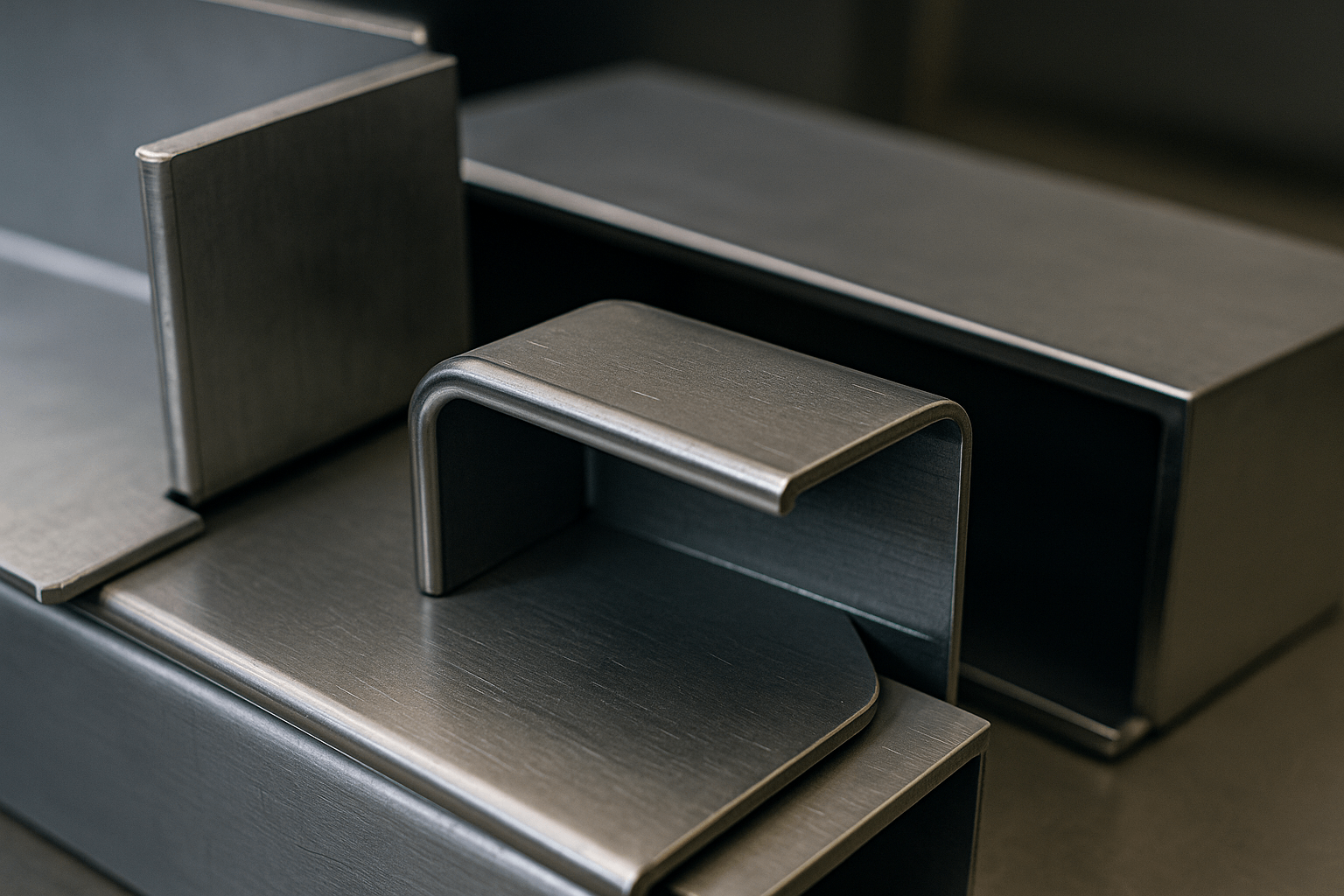
A hemmed edge is created by folding sheet metal back onto itself. In practical manufacturing, this is done to improve safety, stiffness, edge quality, and sometimes visual appearance.
Unlike joining methods that connect separate parts, hemming modifies the edge of the same part. For buyers, the important issue is whether the supplier can control hem geometry, springback, thickness effect, and repeatability well enough to support the product’s final function.
Hem Types and How They Impact Your Product’s Performance
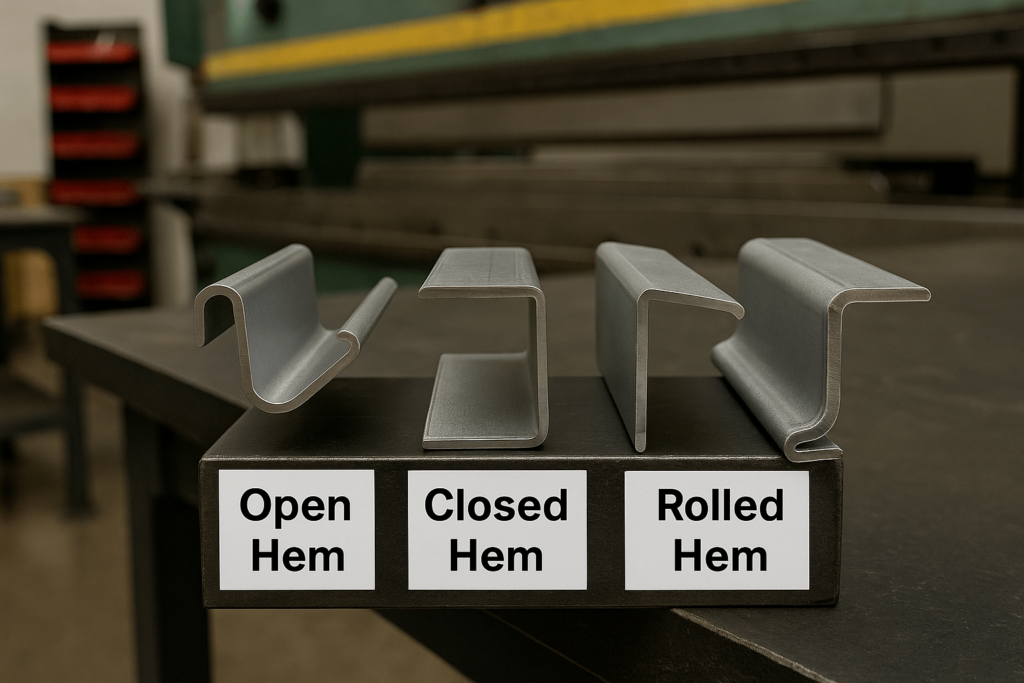
Different hem types support different product goals.
Open Hems
Open hems leave a controlled gap and are often used where flexibility, lighter forming stress, or a simpler cosmetic solution is acceptable.
Closed Hems
Closed hems fold the edge more tightly and are often preferred where buyers need a cleaner edge, stronger rigidity, or better structural feel.
Teardrop and Rolled Hems
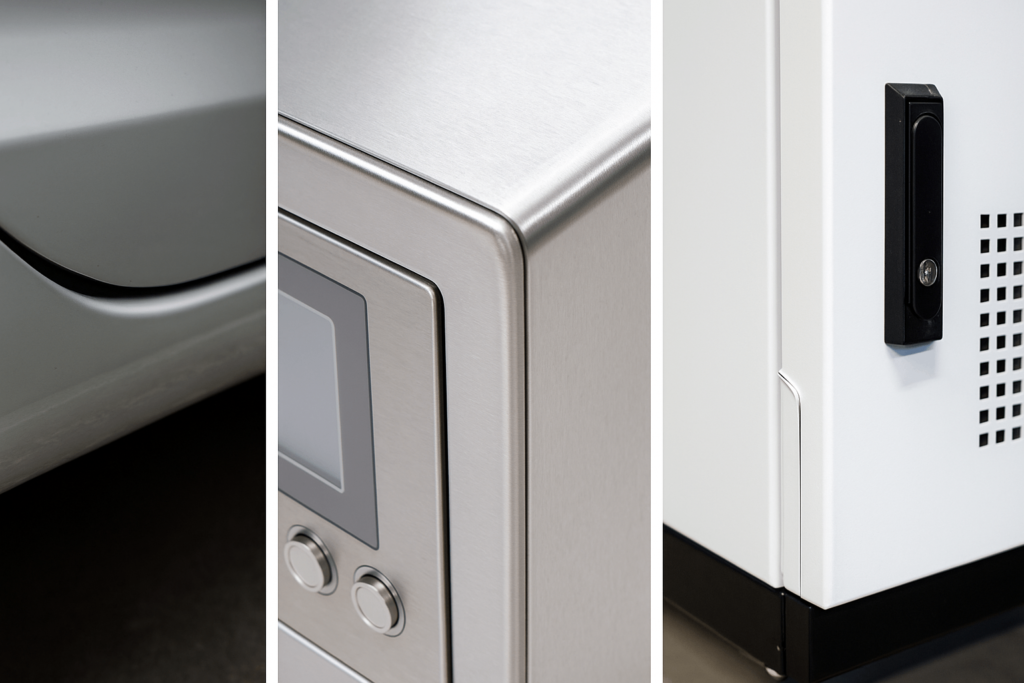
These hem styles are usually selected where edge softness, decorative finish, or controlled curve appearance matters more. They are common in products such as appliance panels, furniture parts, and display structures.
For buyers, the correct hem type should be selected based on assembly requirement, edge appearance, structural expectation, and downstream handling risk.
From CAD to Production: Avoiding Costly Design Mistakes
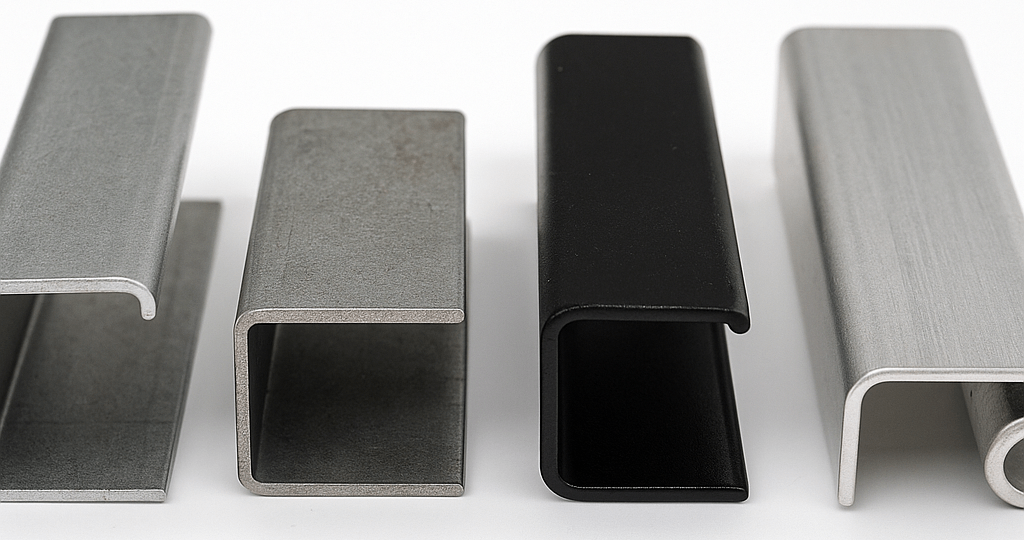
Many hemming problems begin in the design stage, not on the machine. Drawings that do not clearly define hem type, bend allowance, tolerance-critical zones, or corner treatment often create unnecessary quoting delays and production risk.
For procurement teams, this means the RFQ should clearly show hem type, material thickness, radius expectations, fit-sensitive areas, and any dimensions influenced by folded edges. Better drawings usually lead to faster DFM feedback and fewer surprises in production.
Cost Drivers: Understanding the Real Impact of Hemming on Unit Price
Hemming affects more than appearance. It influences tooling need, setup complexity, cycle time, scrap risk, and fixture planning, which means it can change the real unit cost of a part.
For buyers, the cost impact usually depends on production volume, material behavior, hem complexity, and whether the process is being optimized for prototype flexibility or stable mass production.
Quality Assurance Buyers Can Trust
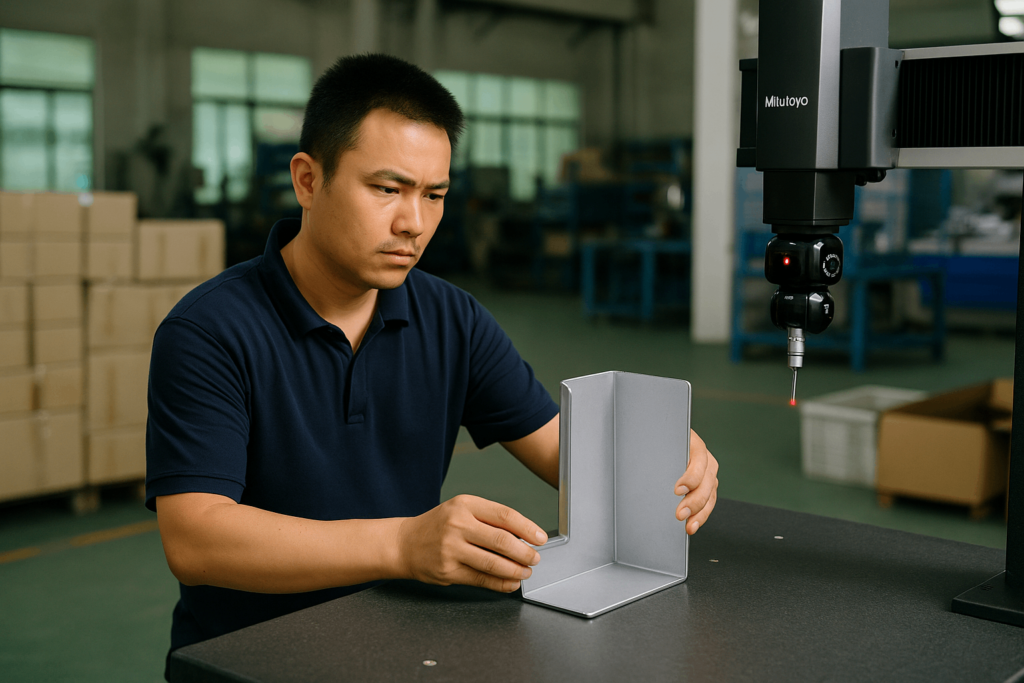
Hemming quality should be controlled with the same discipline as any other critical sheet metal feature. Buyers should look for suppliers who verify edge consistency, fold geometry, part length, appearance, and packaging protection.
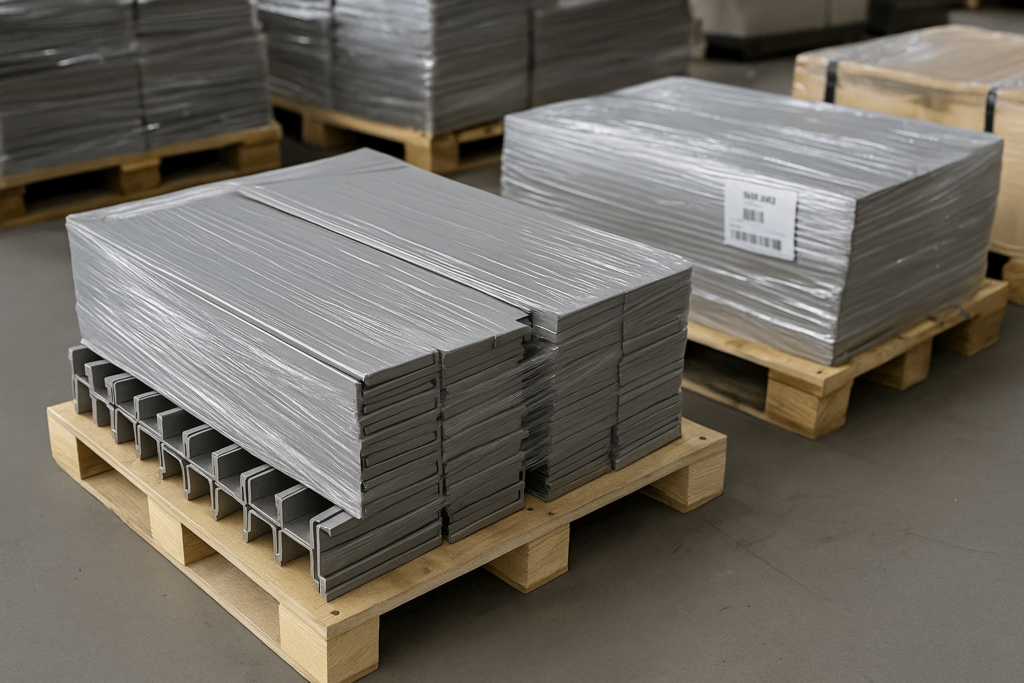
For export projects, this matters even more because hemmed edges can deform in handling if packaging is weak or if dimensional control is not stable from batch to batch.
Application-Specific Hemming Support
Hemming requirements vary by industry.
In automotive-related parts, buyers may prioritize reinforcement and consistent panel fit. In medical products, edge safety and cleanability may matter more. In vending, appliance, or kiosk structures, hemming often helps improve stiffness and edge appearance without adding separate reinforcement pieces.
The important point is that hemming should be matched to the actual product function rather than copied from a general drawing habit.
Common Questions from Global Buyers
Q: What’s your MOQ?
MOQ depends on part complexity, tooling requirement, and whether special fixtures are needed. Simpler folded parts usually allow lower starting quantities than more complex closure or enclosure parts.
Q: Can I get a free DFM review before committing?
Many buyers request DFM feedback before quotation approval because hemming details often affect both cost and manufacturability.
Q: Can you support repeatable production over multiple years?
Long-term repeatability depends on tooling control, process documentation, and consistent QA standards. Buyers should confirm how the supplier manages repeat programs.
Q: Do you supply parts with surface treatment?
For many projects, hemming is only one step in the full manufacturing flow, so it is useful when the supplier can also support coating, finishing, or related post-processing.
Why Global Sourcing Managers Choose YISHANG
At Yishang Metal Products Co., Ltd., we support OEM and wholesale buyers with sheet metal fabrication built around real sourcing priorities such as repeatability, manufacturability, structural fit, export packaging, and scalable production control.
With 26+ years of manufacturing experience, we support processes including laser cutting, bending, stamping, welding, CNC machining, surface treatment, assembly, packaging, inspection, and shipment. For hemmed parts, we work with customers to align edge design, tooling feasibility, and batch consistency before production moves forward.
📩 If you are evaluating hemmed sheet metal parts, enclosure panels, cabinets, frames, or other custom metal products, send us your drawings or requirements to discuss the most suitable manufacturing approach.