
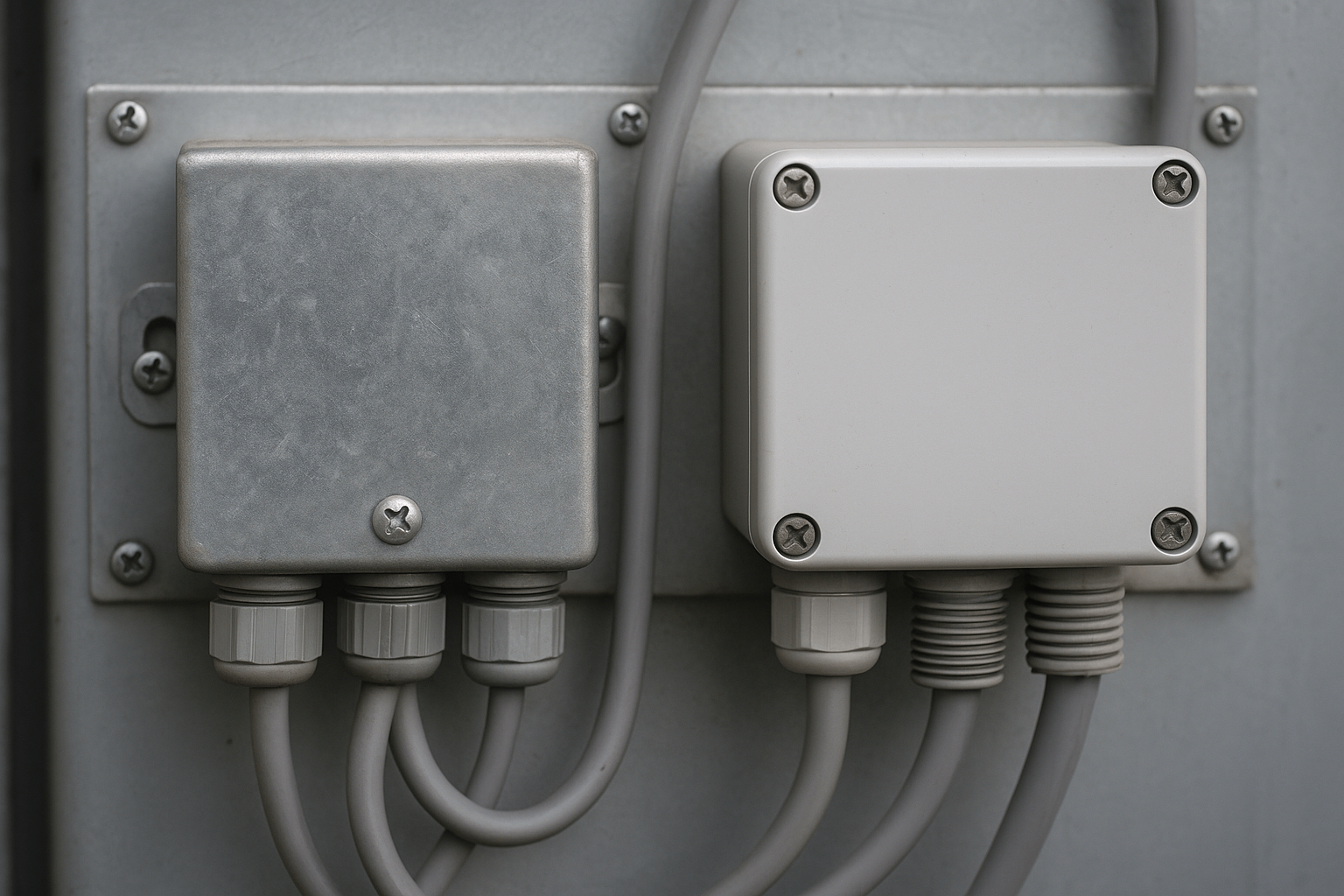
When buyers compare a terminal box with a junction box, they are usually not asking a theoretical question.
They are trying to decide which enclosure makes more sense for a real installation: a simple power branch, an outdoor lighting circuit, a field device connection point, or a structured control system that may need to be serviced repeatedly over time.
That is why this comparison matters. The two box types can look similar from the outside, but they are built around different wiring philosophies. A junction box is usually about safe containment for splices and branch connections. A terminal box is usually about structured, organized, serviceable wiring—especially in industrial and automation environments.
This guide explains that difference in practical terms, so engineers, OEM teams, and procurement professionals can specify the right enclosure with fewer mistakes and less rework later.
Executive Summary: The Fastest Way to Tell Them Apart
At a practical level, the decision comes down to one question:
Are you protecting a few splices, or are you managing a structured wiring point that needs to stay organized and serviceable?
If the job is simple circuit branching or enclosed splicing, a junction box is often the correct and more economical choice.
If the job involves multiple conductors, control wiring, future maintenance, labeling, testing, or DIN-rail-mounted components, a terminal box is usually the better fit.
Quick Comparison Table
| Attribute | Junction Box | Terminal Box |
| Primary Function | Safe enclosure for wire splices and branch connections | Organized interface for field wiring, control signals, and serviceable terminations |
| Typical System Complexity | Low | Medium to high |
| Internal Structure | Open space with connectors/splices | DIN rail, terminal blocks, markers, accessories |
| Initial Cost | Lower | Higher |
| Long-Term Serviceability | Limited in complex systems | Much better in structured systems |
| Common Use Cases | Lighting, branch circuits, basic outdoor power points | Automation, instrumentation, OEM equipment, industrial control wiring |
This table is the short version. The rest of the decision depends on wiring density, environment, service expectations, and the kind of system you are building.
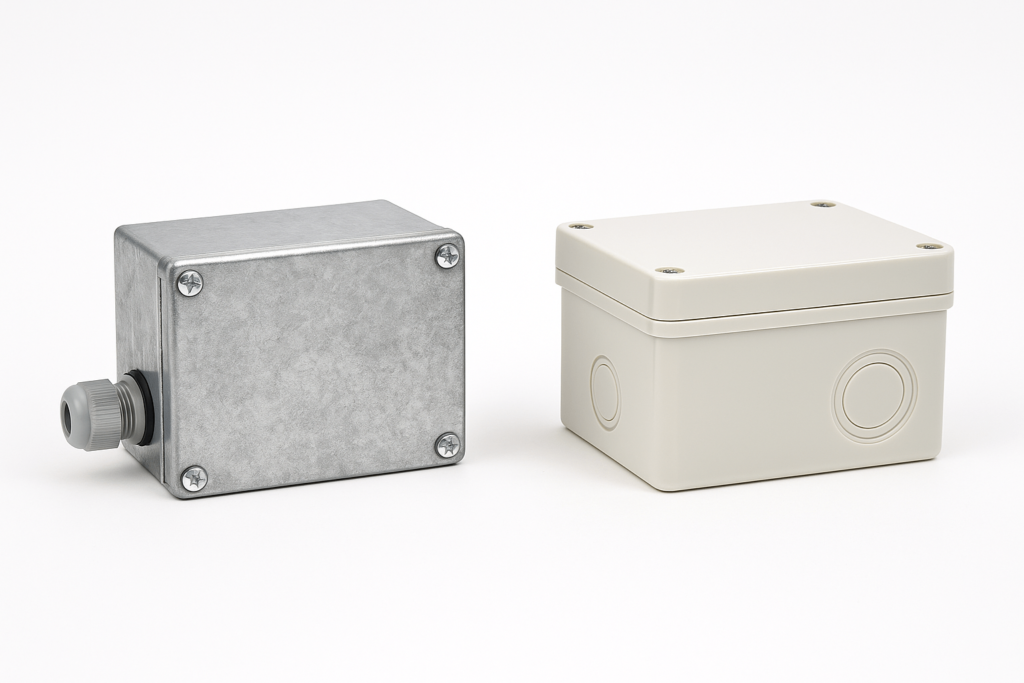
When Should You Use a Junction Box?
A junction box makes the most sense when the installation is straightforward.
Typical cases include:
- branching one circuit into several loads
- enclosing a small number of splices
- protecting outdoor or indoor cable connections
- supporting lighting, utility, or basic power-distribution points
In these situations, the buyer usually cares most about:
- enclosure strength
- ingress protection
- ease of installation
- compatibility with conduit or cable glands
- low unit cost
A junction box works
When Is a Terminal Box the Better Choice?
A terminal box becomes the better choice when the wiring has to remain readable, organized, and maintainable over time.
That usually happens in:
- PLC and control-panel field connections
- instrumentation loops n- motor and sensor terminations
- machine wiring interfaces
- distributed industrial systems
Buyers choose terminal boxes when they need:
- clean wire segregation
- easier troubleshooting
- labeled termination points
- modular expansion
- faster service work in the field
In short, a terminal box is less about simple containment and more about controlled wiring management.
What’s Inside? The Internal Design Logic Is Different
The biggest difference between these enclosures is not their outer shell. It is what they are designed to hold and how people are expected to work inside them.
A junction box is mainly a protected cavity for connections.
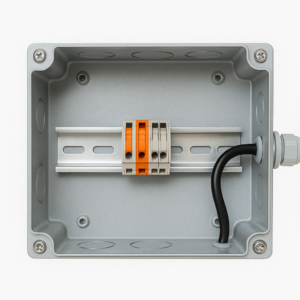
A terminal box is a structured wiring interface, often built around DIN rail hardware and terminal blocks.
That difference affects installation speed, wire organization, inspection, and future maintenance.

What Are Junction Boxes Used For — and Why Do They Still Matter?
Junction boxes remain relevant because most electrical systems still include simple connection points that do not justify a more complex enclosure.
They are widely used in:
- building wiring
- outdoor lighting
- utility connections
- branch circuits
- basic equipment feeds
Their value is not sophistication. Their value is that they do a basic job reliably when specified correctly.
Inside a Metal Junction Box: What Actually Matters
In most industrial or commercial settings, a metal junction box typically includes:
- enclosure body
- removable cover
- conduit knockouts or gland entry points
- grounding provision
- space for splices or wire connectors
That simplicity is exactly why junction boxes are still widely used.
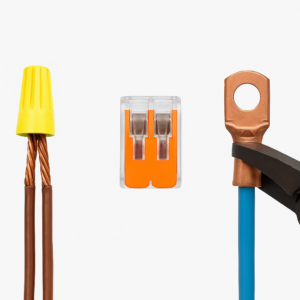
How Do Splice Methods Affect Reliability?
The enclosure alone does not determine reliability. The internal connection method matters too.
Common splice approaches include:
- twist-on connectors
- lever-style connectors
- crimp connectors
A good junction box installation depends on both enclosure protection and connection quality. If either one is weak, the whole assembly becomes less dependable.
Why Terminal Boxes Excel in Industrial Applications
A terminal box is designed for control, not just containment.
Its internal layout usually makes room for:
- DIN rails
- terminal blocks
- separation of circuits
- markers and labeling
- shield or grounding connections
- cleaner service access
That is why it performs so well in industrial environments. Once wire counts increase or maintenance becomes routine, a structured terminal box usually saves time repeatedly over the life of the system.
What Is a DIN Rail System — and Why Should Buyers Care?
A DIN rail system allows terminal blocks and accessories to be mounted in a standardized, modular way.
For buyers, that matters because it improves:
- installation organization
- upgrade flexibility
- spare-parts interchangeability
- maintenance speed
- technician readability
A DIN rail terminal box often costs more upfront than a simple junction box, but in a control-heavy environment it can reduce troubleshooting and modification time significantly.
Terminal Block Types and Connection Technologies Buyers Should Know
The connection style inside a terminal box also affects labor and service behavior.
Common options include:
- screw terminals for familiar, proven mechanical retention
- spring-clamp terminals for vibration-resistant and faster termination in many applications
- push-in terminals for quick assembly and compact layouts
The right choice depends on installer preference, vibration exposure, maintenance habits, and system standardization.
Which Box Works Better in Real Projects?
The easiest way to choose is to look at how each box behaves in real use.
Case 1: Agricultural Irrigation Systems
In agricultural irrigation, field wiring often connects valves, sensors, pumps, and control devices across long cable runs.
A terminal box usually works better here because technicians need:
- organized terminations
- easier fault isolation
- structured sensor and actuator wiring
- cleaner service access in the field
The wiring may not be visually complex from outside, but once maintenance starts, structured internal layout becomes a real advantage.
Case 2: Outdoor Lighting Projects
In outdoor lighting, the wiring task is often simpler. A feed comes in, a branch goes out, and the enclosure mainly needs to protect the splice from moisture, dust, and accidental contact.
That is why outdoor junction boxes remain a strong choice for:
- pole lighting
- parking-lot lights
- signage lighting
- basic exterior branch circuits
In low-complexity systems, a well-specified junction box usually delivers the better cost-to-function balance.
Environmental & Standards Guide: What Buyers Should Check First
Enclosure selection is never only about wiring style. Environment changes everything.
IP Ratings and Outdoor Suitability
If the box will be exposed to weather, washdown, dust, or aggressive site conditions, the ingress rating matters immediately.
Common buyer concerns include:
- rain exposure
- hose-down cleaning
- dust ingress
- outdoor UV exposure
- corrosion around entry points and covers
For many demanding installations, buyers start at IP65 or IP66 and work upward only if the actual environment justifies it.
What Metal Is Best for Your Enclosure?
Material choice should follow the site condition.
- Stainless steel works best in corrosive, marine, hygienic, or chemical-heavy environments.
- Galvanized steel is a practical, economical choice for many industrial settings where impact resistance and cost matter.
- Aluminum offers lighter weight and good corrosion resistance for many general outdoor or industrial uses.
The “best” metal is the one that fits the environment without forcing unnecessary cost into the project.
Certifications and International Compliance
Buyers should also verify the enclosure’s compliance framework where relevant.
Depending on the market and application, common requirements may include:
- UL
- CE
- RoHS
- ISO 9001-backed manufacturing control
If the project is export-facing or tied to regulated markets, those details should be confirmed before ordering, not after sample approval.
The Most Common Mistakes Buyers Make
A surprising number of enclosure problems come from choosing the simpler-looking option too quickly.
Typical mistakes include:
- using a junction box where structured terminal organization is clearly needed
- underestimating service space and wire-bending clearance
- ignoring IP rating requirements for the real environment
- forgetting grounding and bonding needs in metal enclosures
- treating all “weatherproof boxes” as equally suitable for industrial outdoor use
Most of these errors are preventable if the buyer defines wiring complexity, environment, and service expectations at the RFQ stage.
What’s Next: Smarter Enclosures and More Integrated Field Wiring
Electrical enclosures are becoming more connected.
Buyers are increasingly seeing demand for boxes that can support:
- industrial Ethernet interfaces
- remote I/O modules
- pre-labeled field wiring systems
- compact signal-conditioning hardware
- more modular maintenance access
This trend matters most in automation, OEM machinery, utilities, and distributed control environments. It does not mean every enclosure needs to be “smart,” but it does mean buyers should leave room for future system growth where appropriate.
Conclusion
A junction box and a terminal box can look similar from the outside, but they solve different problems.
A junction box is usually the right answer when the need is simple, protected splicing and straightforward circuit branching.
A terminal box is the better answer when the system needs organized terminations, cleaner maintenance, clearer identification, and long-term serviceability.
That is why the best choice depends less on the name of the enclosure and more on the wiring philosophy behind the project.
At YISHANG, we help OEM and industrial buyers specify metal terminal boxes and junction boxes based on actual field conditions, enclosure material, wiring structure, and international project requirements—not just catalog labels.
Frequently Asked Questions (FAQ)
What is the main difference between a terminal box and a junction box?
A junction box is mainly used to protect wire splices and simple branch connections. A terminal box is used for more structured, organized, serviceable wiring—often in industrial control or automation systems.
Can a junction box be used instead of a terminal box?
Sometimes, but only in simpler applications. Once the wiring becomes more complex, serviceable, or heavily labeled, a terminal box is usually the better fit.
Which box is better for outdoor use?
Either can work outdoors if the enclosure material, sealing, and IP rating match the environment. Outdoor suitability depends more on enclosure specification than on the name alone.
Why are terminal boxes common in industrial systems?
Because they support organized field wiring, DIN rail mounting, terminal blocks, labeling, and easier maintenance over time.
What should buyers confirm before ordering?
Buyers should confirm:
- wiring complexity
- enclosure material
- IP rating
- cable-entry method
- grounding needs
- compliance requirements
- internal layout expectations