
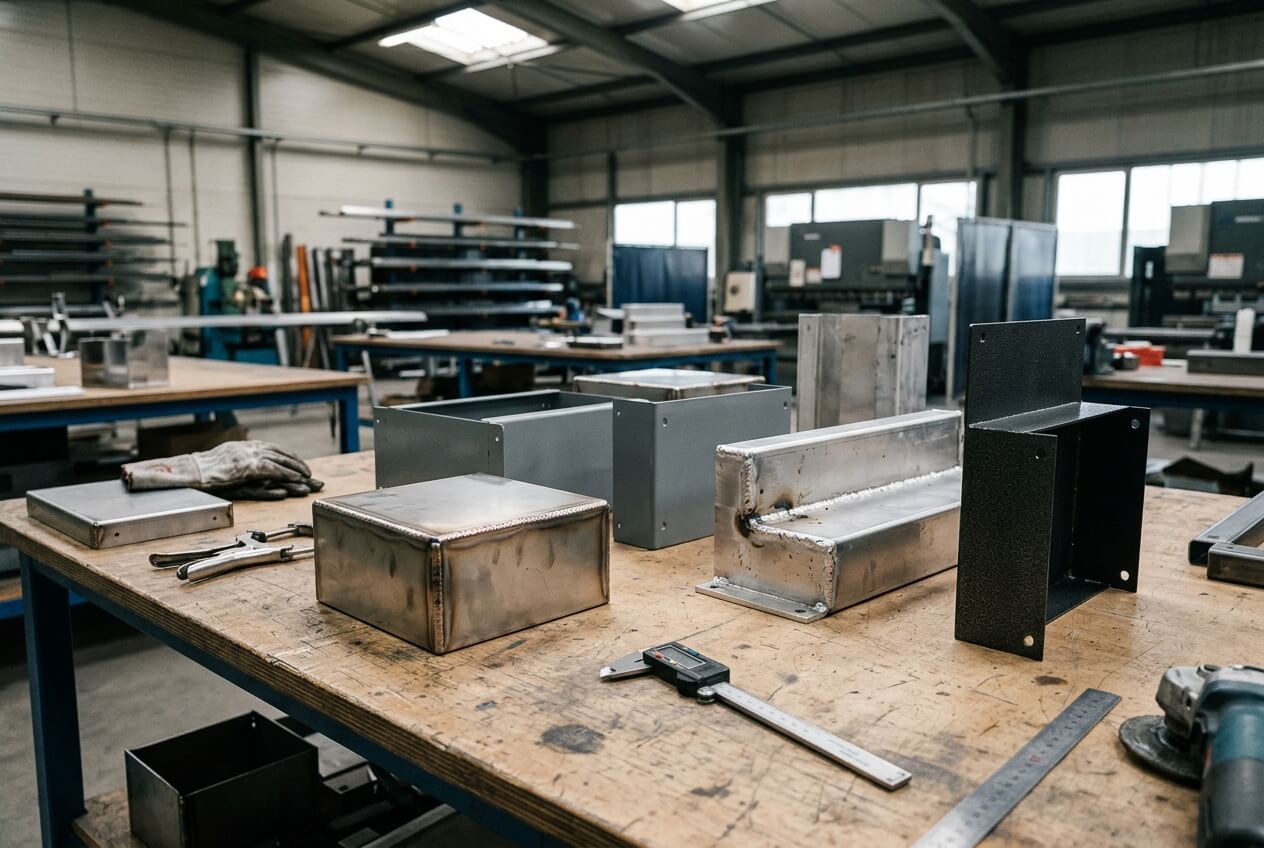
An OEM buyer sends one welded enclosure drawing to three sheet metal suppliers. The drawing shows weld symbols, material thickness, and powder coat color. It does not explain which seams stay visible, which dimensions must hold after welding, or whether the prototype used TIG welding, MIG welding, or both.
The quotes come back with different prices and lead times. One supplier assumes fast MIG welding and basic cleanup. Another includes TIG welding on visible corners, fixture checks, and extra grinding before coating. A third asks for clarification before quoting. At first, the buyer sees a price spread. In reality, the buyer has three different manufacturing scopes.
This is the main procurement risk behind tig welding vs mig welding. The danger is not choosing the wrong process in isolation. The bigger risk is allowing each supplier to decide the weld process, cosmetic level, heat control, and inspection scope without a shared RFQ baseline. That gap can create quote disputes, first article surprises, assembly rework, and batch inconsistency.
For custom sheet metal fabrication, welded assemblies rarely fail because buyers forgot a welding definition. They fail because the drawing leaves room for assumptions. Enclosures, brackets, frames, cabinets, housings, and metal guards all need the same early decision: what must the weld protect, and where can the supplier choose the most efficient method?
Undefined Weld Intent Turns One Drawing Into Several Quotes
A drawing that only says weld does not tell a supplier enough. It shows that two parts join, but it may not explain why the joint matters. One joint may carry load. Another may hold a door frame square. A third may sit on a customer-facing corner after powder coating. Each one can justify a different welding method, finishing level, and inspection point.
MIG welding often fits thicker carbon steel frames, internal cabinet supports, machine bases, and many bracket assemblies. It deposits filler metal quickly, which helps production speed. TIG welding gives the operator more control and usually creates cleaner seams on thin sheet, stainless steel covers, aluminum parts, and exposed corners. Neither process solves every joint.
The RFQ problem starts when suppliers must guess which joints need control. If one supplier prices MIG welding on all seams, the quote may look low. If another prices TIG welding on every visible edge, the unit cost rises. If a third includes grinding, polishing, and post-weld checks, its lead time may look less competitive. The buyer may compare suppliers, while each supplier compares a different part.
Visible and Hidden Joints Need Different Instructions
A wall-mounted electrical enclosure gives a simple example. The rear mounting brackets may use MIG welding because strength and speed matter more than appearance. The front door frame may need TIG welding or controlled grinding because the customer sees it after coating. If the drawing only lists black powder coating, a supplier may miss the cosmetic risk.
A tubular display frame creates another common split. MIG welding may suit the hidden support frame. TIG welding may suit a stainless front trim or exposed sign bracket. The buyer does not need to write welding parameters for every bead. The buyer does need to mark which welds are visible, which are structural, and which dimensions must survive welding.
Clear weld intent keeps quotation fair. It also protects supplier communication. A supplier can recommend a mixed process, explain cost drivers, and flag risks before the purchase order. Without that clarity, purchasing may select the lowest quote and discover later that the quote excluded the finish or inspection work the project required.
Quote Assumptions Become Cost Drivers After the Purchase Order
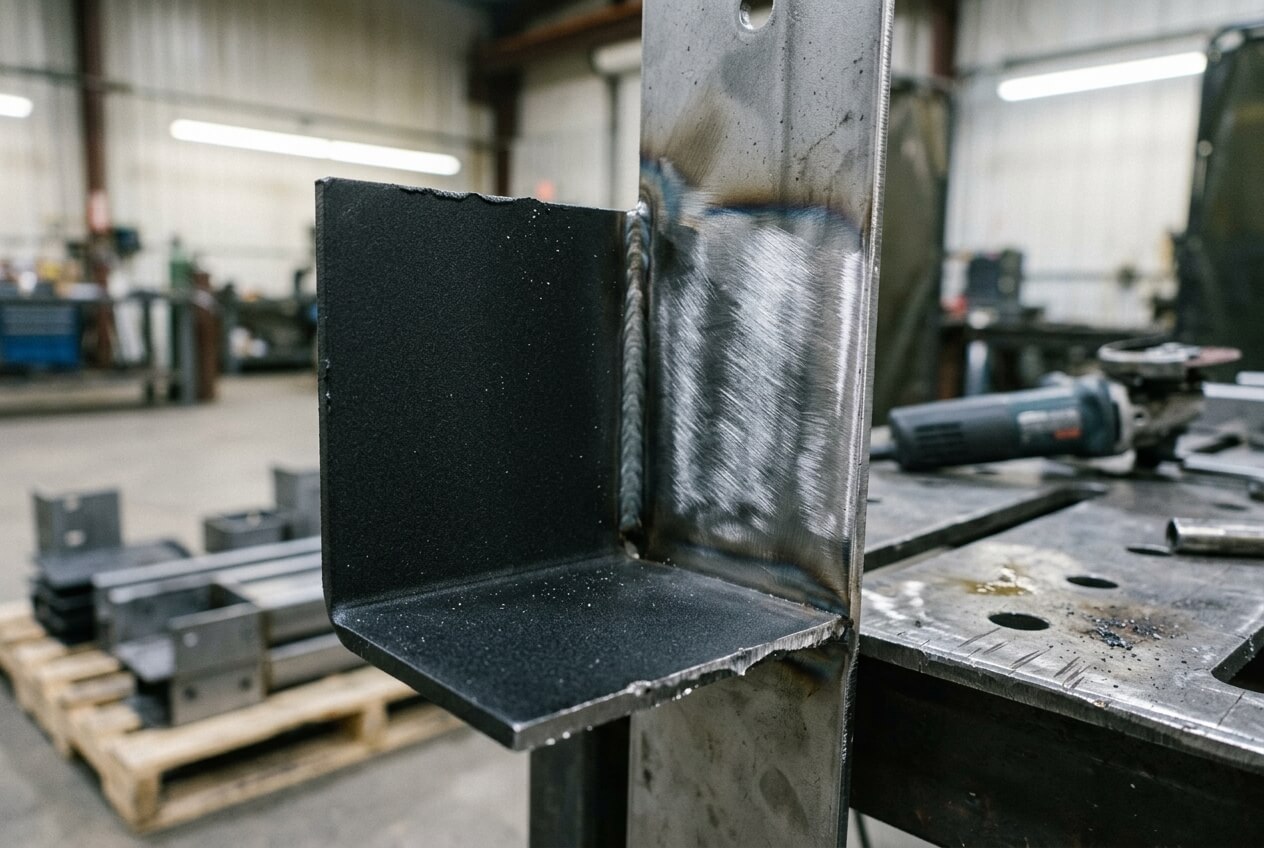
Many welded sheet metal cost increases appear late because the RFQ separates welding from finishing, tolerance, and assembly. Production does not separate them. The weld process affects heat input, grinding time, spatter cleanup, panel flatness, coating appearance, and how holes align with mating parts.
A TIG weld on a stainless cover may need minimal dressing if the joint fit-up is clean. A MIG weld on a carbon steel enclosure corner may work well when the seam hides under a flange. Place that same MIG weld on a front edge, and the supplier may need extra grinding before powder coating. That work changes labor time and can change the final look.
Powder coating does not erase every weld decision. It can hide small color differences, but it cannot remove poor fit-up, deep sanding marks, undercut, or distortion. If the RFQ states only the coating color, suppliers may price basic spatter removal. The buyer may expect smooth cabinet corners. That expectation gap becomes a cost dispute.
Grinding Scope Can Exceed Welding Time
Flush grinding every seam on a cabinet body can take longer than welding the seams. Polishing exposed stainless TIG welds needs different tools and skill than preparing mild steel for coating. A quote that includes full weld dressing will not match a quote that includes only weld completion.
Buyers should avoid broad notes such as all welds smooth unless every weld truly needs that level. Over-specifying drives cost into hidden areas. Under-specifying creates rejection risk on visible areas. A better RFQ marks customer-facing surfaces, hidden structural welds, and areas where bead variation can remain after coating.
The same logic applies to tolerances. A tight tolerance on every dimension raises inspection cost and may not improve function. The buyer should identify post-weld dimensions that affect assembly fit, such as hole spacing across a frame, door gaps, mounting face flatness, and bracket angles. Those dimensions should guide fixtures and inspection, not just the welding method.
Yishang can review drawings at this stage to separate cosmetic welds from hidden welds and identify where finishing or fixture control affects the quote. That review matters most before suppliers lock price, tooling, and production assumptions.
Prototype Approval Can Hide the Real Batch Welding Risk
A clean prototype can create false confidence. A skilled welder may slow down, adjust gaps by hand, and spend extra time dressing corners. The buyer approves the sample because it looks right and fits the mating assembly. Batch production then requires repeatable weld sequence, stable fixtures, controlled heat input, and realistic finishing time.
This is where TIG welding vs MIG welding becomes a production consistency issue. TIG may produce clean visible seams, but it takes more time. MIG may support faster batch welding, but it needs spatter control, fit-up control, and distortion control. If the prototype approval record does not state where each process was used, the batch team may change the method to meet price or schedule.
That change can still meet a loose drawing and fail the buyer’s real need. A prototype enclosure may use TIG welding on long visible seams. During batch production, a supplier switches some seams to MIG welding to save time. The part still has welded corners, but coating reveals grinding shadows. The drawing did not forbid the change, so the rejection becomes difficult to resolve.
Approval Records Should Lock the Manufacturing Assumption
Prototype approval should document more than dimensions and photos. It should record visible weld locations, weld process by joint group, grinding level, fixture points, finish samples, and post-weld inspection dimensions. This does not overcontrol the supplier. It records the assumptions that made the prototype acceptable.
Consider a batch of 500 powder coated control cabinets. The sample door frame fits well because the welder used a slow sequence and adjusted the frame before final welding. In batch production, operators follow a faster sequence without the same fixture pressure. The door gap changes after coating. The buyer sees a cabinet problem, but the root cause sits in the undocumented prototype process.
A welded equipment base shows a different pattern. MIG welding may suit the frame because it provides speed and strength. However, the foot plate holes must match anchor points. If the sample passed after manual correction, the batch still needs a fixture and post-weld hole inspection. Otherwise, installation teams may enlarge holes, add shims, or reject the frame on site.
When buyers share assembly conditions, prototype notes, and expected batch quantities, Yishang can discuss whether TIG, MIG, or a mixed process makes sense for production rather than only the first sample. That discussion helps the buyer compare repeatable manufacturing plans, not polished one-off samples.
Heat and Fit-Up Assumptions Create Assembly Failures
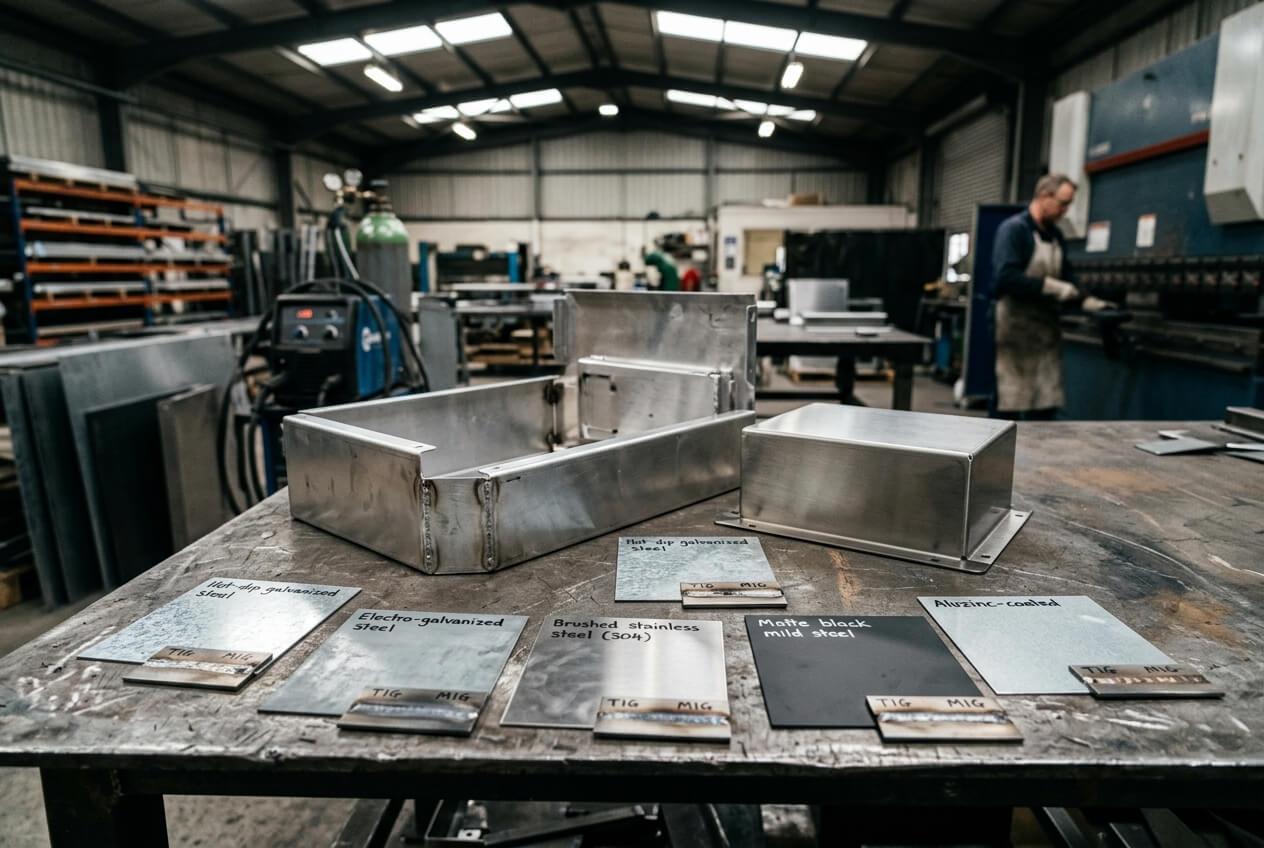
Welding heat moves sheet metal. The movement may look small at the workbench and become expensive during assembly. A two-millimeter shift in mounting holes can stop an enclosure from fitting a machine frame. A twisted bracket can pull a sensor out of alignment. A cabinet door gap can change after welding and coating.
MIG welding often adds heat faster. That can suit thicker welded frames and structural brackets, but it can pull thin panels if the joint design lacks stiffness. TIG welding gives more control, yet it still adds heat. A long continuous TIG weld on thin sheet can distort an edge when a shorter stitch weld would meet the function.
Fit-up drives the risk before welding starts. Laser cut and bent parts must meet cleanly. If gaps remain, the welder fills them with extra metal. Extra weld metal adds heat, increases grinding, and may move the part. Poor bend allowance, unclear bend radius, or missing joint details can force parts into a fixture. Once welding ends, stress can release and shift the assembly.
Protect the Dimensions That Matter After Welding
Buyers should call out critical post-weld dimensions, not tighten the whole drawing. Useful dimensions include hole-to-hole distance across a welded frame, flatness of a mounting face, squareness of a cabinet opening, bracket angle after welding, and clearance for internal modules. These details connect the weld process to assembly fit.
For a laser cut enclosure with welded side seams, the internal width may matter more than the outside seam appearance. If a PCB tray slides into fixed rails, weld distortion can block assembly even when the outside looks acceptable. The RFQ should tell the supplier to check the internal width after welding and before finishing.
For a welded bracket used in a machine guard, appearance may matter less than hole alignment. MIG welding may be efficient, but fixture control must hold the mounting pattern. If the buyer does not highlight that pattern, the supplier may inspect only general dimensions. The part then fails at the buyer’s line, where correction costs far more.
Supplier communication should focus on these risk points. Ask where heat may move the part, which joints need continuous welds, which joints can use stitch welds, and which dimensions need inspection after welding. This keeps the TIG or MIG decision tied to real production risk.
Compare Supplier Quotes Only After Welding Scope Matches
Buyers can still let suppliers recommend the best process. They should not let every supplier quote a different hidden scope. A strong RFQ separates mandatory requirements from supplier-recommended options. It also asks suppliers to state their welding assumptions when drawings leave room for judgment.
For a stainless visible cover, the RFQ may require TIG welding on exposed corners and specify polishing direction. For a painted steel frame, the RFQ may allow MIG welding if the supplier controls distortion and checks the mounting pattern. For a mixed welded assembly, the buyer can ask each supplier to list weld process by joint type and explain where cost or appearance changes.
This approach improves price comparison. It also reduces late lead time changes. If a supplier excludes full grinding, the buyer sees that before issuing the order. If a supplier recommends changing a continuous weld to intermittent welds, engineering can confirm whether strength, sealing, and appearance allow it. If a tolerance will be difficult after welding, the supplier can propose a fixture or inspection step.
RFQ Details That Prevent Welding Scope Drift
A practical RFQ should include drawings, material grade and thickness, order quantity, target batch volume, tolerance priorities, finish expectations, visible-surface notes, and any prototype history. It should identify customer-facing seams, hidden structural welds, assembly-critical dimensions, and required inspection points after welding. The buyer should also ask the supplier to confirm any change from prototype to batch production.
This does not turn the buyer into a welding engineer. It prevents undefined assumptions from controlling the project. Purchasing can compare quotes on the same basis. Engineering can review manufacturability tradeoffs. Quality teams can inspect the dimensions and surfaces that matter when parts arrive.
The strongest buying question is not, which process is better? A better question is, which joints need TIG welding, which joints can use MIG welding, and what quote assumptions affect finish, tolerance, assembly fit, cost, and lead time? That question turns a generic welding comparison into a usable sourcing decision.
Have a welded enclosure, cabinet, bracket, frame, housing, or sheet metal assembly with unclear weld expectations? Send Yishang your drawings, material requirements, quantities, tolerance priorities, finish expectations, visible-surface notes, assembly conditions, and prototype records. The team can review where TIG welding, MIG welding, grinding, fixture control, and post-weld inspection may change the quote or batch result before production starts. Visit Yishang to start the RFQ review.
Frequently Asked Questions
How should an RFQ define TIG welding vs MIG welding for sheet metal enclosures?
The RFQ should mark visible seams, hidden structural joints, material thickness, finish expectations, and post-weld dimensions. Buyers can require TIG welding on exposed thin or stainless seams, allow MIG welding on hidden supports, and ask the supplier to state assumptions for every joint group.
Why can two suppliers quote different prices from the same welded assembly drawing?
The drawing may not define weld appearance, grinding scope, fixture control, or inspection after welding. One supplier may price fast MIG welding and basic cleanup. Another may include TIG welding, full dressing, and dimensional checks. The prices differ because the scope differs.
Does powder coating remove the need for weld appearance notes?
No. Powder coating can create a uniform color, but it cannot hide poor fit-up, distortion, deep grinding marks, or uneven corner shape. Buyers should still identify customer-facing surfaces and state whether welds must be smooth, lightly dressed, or acceptable as welded.
What prototype details should buyers record before batch production?
Buyers should record which joints used TIG welding, which used MIG welding, how welds were ground or polished, what fixtures held the part, and which dimensions were inspected after welding. These details help prevent an approved prototype from changing during batch production.
How does welding affect assembly fit in metal brackets and frames?
Welding heat can pull holes, faces, and angles out of position as the joint cools. Poor fit-up can add more heat and grinding. Buyers should protect critical hole patterns, mounting faces, squareness, and bracket angles with clear tolerance priorities and post-weld inspection.
Should buyers choose TIG welding or MIG welding before asking for a quote?
Buyers do not need to decide every weld method first. They should define function, visibility, finish, tolerances, quantity, and assembly risks. Suppliers can then recommend TIG welding, MIG welding, or a mixed process while keeping quote assumptions visible.