
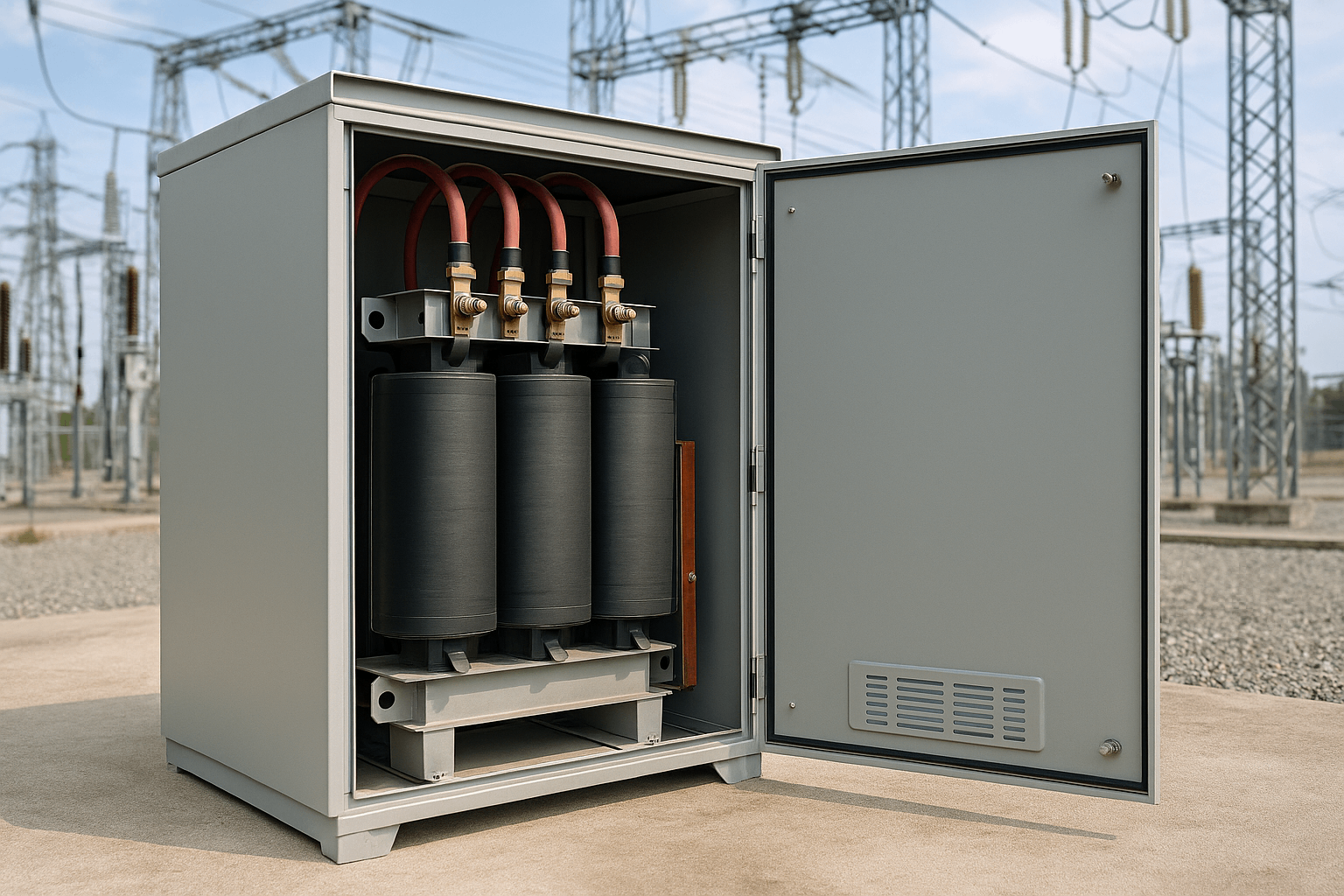
Transformer noise is often treated as background sound, but in enclosure procurement it can become a serious technical and commercial issue. For buyers involved in power distribution, substation control, telecom systems, EV charging infrastructure, and industrial electrical enclosures, noise is not just an acoustic concern.
It can affect compliance, site approval, end-user satisfaction, maintenance cost, and long-term enclosure performance. That is why transformer noise deserves attention during design, sourcing, and RFQ planning—not after installation.
Why Transformer Noise Matters in Electrical Enclosure Procurement
Transformer noise is often treated as a secondary issue, but in enclosure procurement it can become a direct commercial risk. For buyers working on power distribution systems, substation controls, EV charging infrastructure, or telecom power cabinets, excessive noise affects more than comfort.
It can influence site approval, compliance, user perception, long-term enclosure performance, and the cost of post-installation correction. That is why transformer noise should be evaluated as part of enclosure design from the start, not after the product reaches the field.
Not Just a Buzz: When Sound Affects Strategy
Noise is not always just an annoyance. In many cases, it points to mechanical resonance, poor vibration isolation, loose internal structure, or inadequate enclosure damping.
For procurement teams, this matters because enclosure geometry, mounting strategy, reinforcement design, and panel stiffness all influence whether transformer vibration is controlled or amplified. A poorly designed enclosure can turn normal transformer vibration into a visible field problem.
Compliance, Perception, and End-Use Applications
In many commercial and infrastructure projects, noise performance is tied to approval requirements, operating environment, and end-user expectations. In some cases, a cabinet may meet its electrical function but still fail deployment because the acoustic result is unacceptable.
This is especially relevant in urban utility projects, EV charging stations, data centers, telecom sites, and municipal infrastructure, where sound performance can affect acceptance just as much as ingress protection or structural durability.
The Acoustic Anatomy of a Transformer: Where the Noise Begins
To control transformer noise effectively, buyers first need to understand where it comes from. In most projects, the sound is not generated by a single source. It results from a mix of magnetic vibration, winding behavior, mechanical resonance, and enclosure interaction.
The Magnetic Core and Its Vibrational Signature
One of the main noise sources is the transformer core itself. As the magnetic field changes, the laminated core experiences small physical movement through magnetostriction, creating the familiar low-frequency hum.
This means core material, lamination quality, clamping pressure, and manufacturing precision all affect final noise output. For enclosure buyers, the important point is that even a well-built cabinet cannot fully compensate for a noisy transformer core.
Winding Resonance and Electromechanical Feedback
Windings can also contribute significantly to acoustic output, especially in higher-power units. If winding restraint is insufficient, electromagnetic forces may create broadband vibration and structure-borne noise that transfers into the enclosure body.
In these cases, the enclosure does not create the problem, but it can make the problem more visible if the structure is not designed to control resonance.
Categories of Transformer Noise and Their Structural Implications
Transformer noise is not one single acoustic phenomenon. Different frequency ranges and mechanical behaviors create different enclosure challenges.
Core-Induced Humming
Core-induced humming is the most familiar transformer sound. It is usually low-frequency and continuous, which makes it difficult to mask and easy for enclosure panels to amplify if the structure is too flat or too lightly supported.
For buyers, this is where panel stiffness, reinforcement layout, gasket strategy, and base isolation become important design variables.
High-Frequency Harmonics from Saturation or Faults
Higher-frequency noise often appears when the transformer operates under electrical stress, imbalance, or abnormal conditions. These harmonics can travel differently through the enclosure and may create a sharper, more noticeable sound signature.
In compliance-sensitive or public-facing applications, high-frequency noise can become a rejection issue even when average operating noise seems acceptable.
Mechanical Rattles and Cooling-Induced Noise
Not all transformer-related noise comes from the core or windings. Fans, cooling systems, brackets, loose panels, and poorly isolated accessories can create rattling, clanking, or intermittent vibration noise.
These problems are often mistaken for major structural defects, but in many cases they come from design details that should have been addressed during enclosure engineering.
How Transformer Noise Interacts with Metal Enclosures
The enclosure does not just contain the transformer. It also changes how sound and vibration behave. Material choice, panel layout, welding pattern, mounting points, and internal framing all affect whether noise is absorbed, reflected, or amplified.
Material Matters: Steel vs. Aluminum vs. Galvanized Shells
Different enclosure materials respond differently to transformer vibration.
- Carbon steel is strong and widely used, but it can transmit or reflect low-frequency vibration if the design is not properly damped.
- Aluminum can offer different damping behavior, but it usually requires careful structural support to avoid panel flex.
- Galvanized steel remains practical for many outdoor projects, though its acoustic behavior still depends heavily on structure, not just coating.
For buyers, material selection should not be based only on corrosion resistance, weight, or price. Acoustic performance is also part of the decision.
Fabrication Tolerances, Stiffener Geometry, and Mounting Strategy
Even a good material choice can underperform if the enclosure structure is poorly detailed. Large flat panels, uneven stiffener spacing, weak bracket geometry, or inconsistent fabrication tolerances can all make transformer noise worse.
This is why enclosure noise performance depends not just on concept design, but also on real manufacturing execution.
Measuring and Diagnosing Transformer Noise in Enclosure Projects
Noise control should be verified with data whenever the project scale or application risk justifies it. For bulk procurement projects, subjective discussion is not enough. Buyers need measurable evidence that the enclosure design can support the target acoustic outcome.
Common Acoustic Metrics
Several measurement approaches are useful in transformer enclosure projects:
- Sound pressure level (SPL) to assess overall loudness
- Frequency analysis to identify dominant resonance bands
- Vibration measurement to track structure-borne transfer
- Acoustic mapping to locate where sound is radiating most strongly
For volume buyers, pre-qualification reports or prototype testing can reduce risk before mass production begins.
Partial Discharge and Electrical Noise Correlation
In some cases, electrical phenomena such as partial discharge may overlap with mechanical or acoustic symptoms. While this is not always the main noise source, it can complicate diagnosis and make field troubleshooting less straightforward.
For procurement teams, this means transformer noise should be reviewed as part of a broader system assessment rather than treated as a purely cosmetic complaint.
Procurement Risks: When Transformer Noise Is Ignored
Ignoring transformer noise during sourcing often creates avoidable downstream cost. Once cabinets are installed, acoustic problems are harder to isolate, more expensive to correct, and more disruptive to customer relationships.
Reduced Lifespan of Surrounding Components
Continuous vibration can shorten the life of more than the transformer itself. It may loosen fasteners, stress brackets, affect weld areas, and increase fatigue on adjacent enclosure components.
For modular systems or multi-cabinet installations, even small vibration transfer issues can accumulate into larger maintenance problems over time.
Cost Escalation and Post-Installation Retrofits
Acoustic retrofits are usually far more expensive than early design adjustments. Once equipment is installed, fixes often involve extra labor, downtime, redesign, transport, or site-level rework.
That is why buyers handling repeat projects or large-volume deployments should treat noise control as an RFQ-stage requirement, not a post-installation correction item.
Effective Strategies to Reduce Transformer Noise via Enclosure Design
Transformer noise can often be reduced significantly through smarter enclosure design. The goal is not always complete silence. The goal is to prevent the enclosure from amplifying vibration and to keep acoustic performance within acceptable limits for the application.
Material and Structure-Level Adjustments
Useful design strategies may include:
- Multi-layer or composite panel structures where appropriate
- Additional ribs or cross-stiffeners on wide enclosure panels
- Internal acoustic treatments or damping materials when the use case supports them
- More effective bracket and panel geometry to reduce sympathetic vibration
These choices should be matched to the transformer type, enclosure size, and installation environment.
Vibration Isolation
Vibration isolation is often one of the most practical ways to improve acoustic behavior. Options may include isolating mounts, decoupled internal frames, floating base arrangements, or rubberized interface points between the transformer and cabinet structure.
When integrated early, these solutions are usually far more effective than trying to add them after the enclosure is already built.
Planning Noise Control into Your Transformer Enclosure RFQ
Buyers who want better results should include acoustic requirements directly in the RFQ. If noise expectations are left vague, suppliers may optimize only for cost, IP rating, or structural strength and overlook acoustic performance.
What to Ask When Sourcing from OEMs
Useful RFQ questions include:
- Is acoustic testing part of your prototype or pre-shipment process?
- Can you provide design drawings that show mounting and reinforcement strategy?
- Are damping materials or layered panel constructions available in volume?
- Can bracket layout, weld spacing, or rib geometry be adjusted for noise control?
These questions help move noise performance from assumption into engineering discussion.
Typical Inquiries from Our Global Buyers
Typical buyer questions include:
- Can this enclosure design meet local SPL expectations near residential or public areas?
- Do you have standard cabinet structures that help control low-frequency transformer hum?
- Can cooling-related vibration be isolated from the main enclosure body?
These are practical sourcing questions, and they should be discussed before tooling or mass production begins.
Conclusion: Noise Isn’t Just a Sound—It’s a Sourcing Risk
In transformer enclosure procurement, noise is not just an acoustic detail. It is a sourcing risk that can affect deployment approval, customer acceptance, maintenance cost, and long-term enclosure reliability.
For buyers in utilities, telecom, energy infrastructure, EV charging, and related sectors, the better approach is to treat transformer noise as part of the enclosure engineering scope from the beginning.
At Yishang Metal Products Co., Ltd., we support OEM and wholesale customers with custom metal enclosure manufacturing built around real project requirements. With 26+ years of experience in metal cabinets, sheet metal parts, structural enclosures, and custom fabrication, we help customers balance durability, compliance, manufacturability, and application-specific design.
We support processes including laser cutting, bending, stamping, welding, CNC machining, surface treatment, assembly, packaging, inspection, and shipment, with materials such as stainless steel 304/316, low carbon steel, galvanized steel, aluminum, copper, and brass.
📩 If your next project involves transformer enclosures or other electrical equipment housings, send us your drawings or technical requirements to discuss the right structure and sourcing solution.