
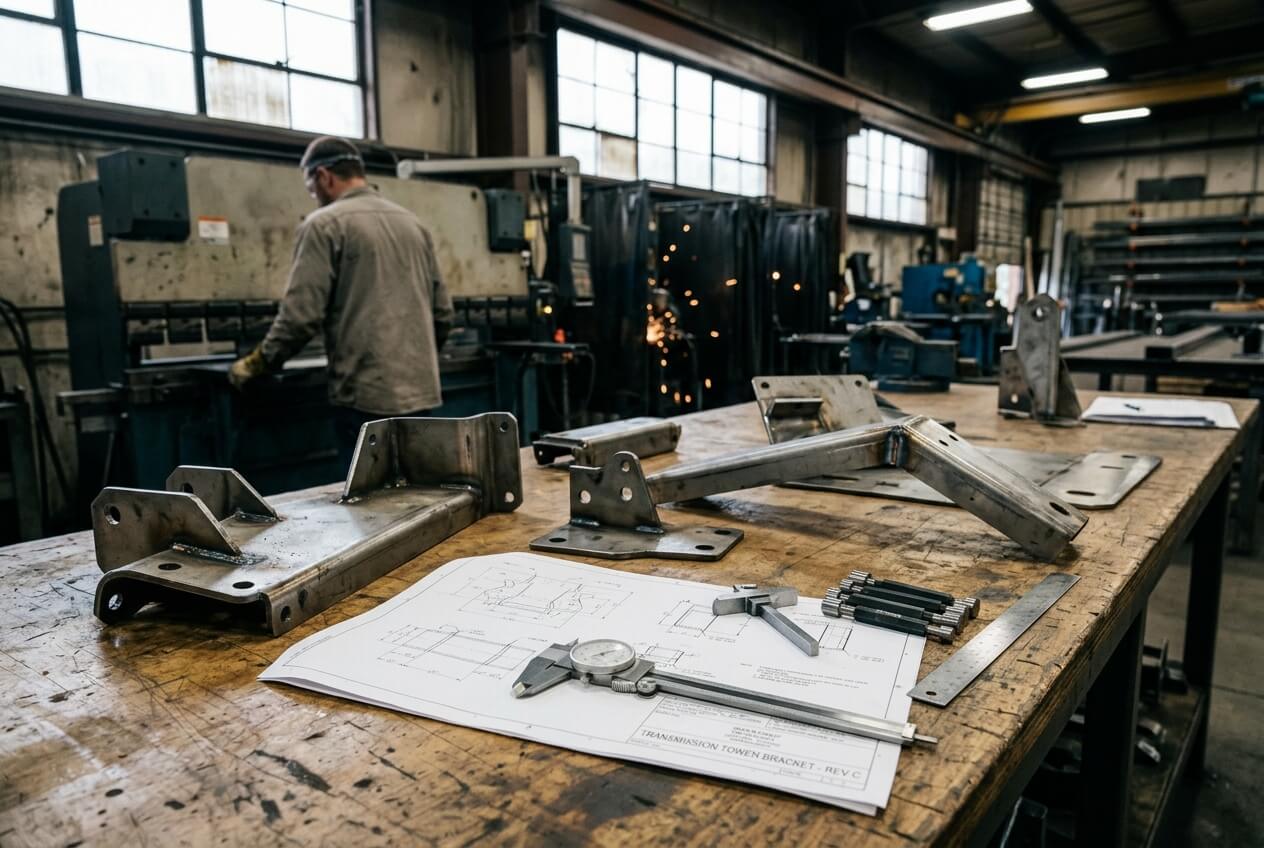
A buyer sourcing fabricated metal parts for transmission power lines may send one drawing package to three suppliers and receive three very different quotes. The lowest price can look attractive, especially during tender pressure. Yet that price may not cover the same product condition as the others.
This article focuses on one procurement risk: incomplete RFQs make fabrication quotes appear comparable when suppliers price different assumptions. That risk affects outdoor cabinets, cable entry plates, brackets, frames, covers, and welded assemblies used near transmission power lines. It can start with one missing note on the drawing. It can end with re-quotation, prototype delays, damaged coating, misaligned holes, field rework, or batch parts that do not match the approved sample.
The problem rarely comes from one single technical detail. It comes from a chain. A drawing leaves the operating context unclear. The supplier fills the gap with a reasonable shop assumption. The quote looks competitive. Then production exposes the missing requirement. By then, the buyer has less time and fewer good options.
Where RFQ Assumptions Start to Distort Fabrication Quotes
Drawings define geometry, but they do not always define the job the part must perform. That gap matters for sheet metal parts installed around transmission power lines. A laser cut cover inside a control room does not carry the same risk as a powder coated outdoor enclosure mounted near a substation yard.
When the RFQ does not explain the part role, suppliers build their own pricing logic. One may quote basic laser cutting, bending, welding, and standard powder coating. Another may include outdoor pretreatment, masked earth points, tighter hole control, packaging for sea freight, and assembly inspection. Both suppliers can follow the same drawing. They are not quoting the same outcome.
The drawing may be correct but still incomplete
A cabinet back panel may show all cable holes, bends, and outer dimensions. However, the drawing may not identify which holes carry cable glands, which holes are spare, and which edges need safe handling after punching. A supplier who treats every hole as a simple cut feature will quote quickly. A supplier who includes deburring, coating control around openings, and installed gland plates will quote higher.
The buyer sees a price gap. The real difference sits inside the assumptions. If procurement awards the lower quote without checking scope, the issue may return during wiring or installation. Sharp edges can damage cable jackets. Coating buildup can affect gland seating. Missing hardware can stop a site crew that expected an installation-ready panel.
Project example: monitoring enclosure RFQ
A contractor requested small outdoor enclosures for transmission line monitoring equipment. The drawing showed the box size, door, hinge positions, and cable entry plate. It did not state gasket compression, coating thickness, masked grounding points, or whether the latch should ship installed. One quote covered fabricated and coated metal only. A second quote included fitted hardware and a door closing check. The second price looked higher, but it matched the site expectation.
The buyer could have avoided the comparison problem by adding a short RFQ note. The note should have stated outdoor use, installed hinge and latch, masked grounding stud, gasket fitted before final inspection, and packaging that protects the door corners. That information would not over-engineer the product. It would make the quotes comparable.
Why Material, Finish, and Hardware Scope Change More Than Unit Price
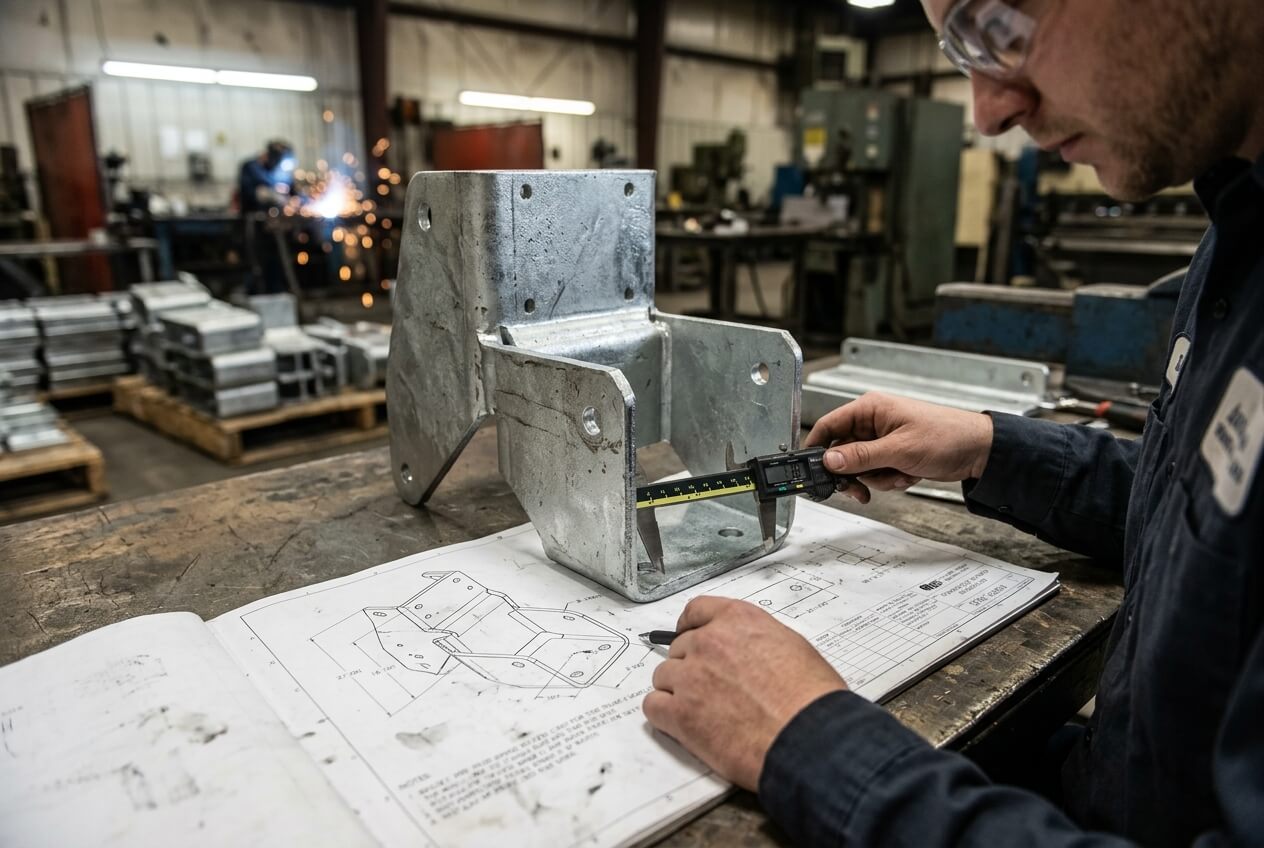
Material and finish details do more than move the unit price. They define what the supplier must control during cutting, forming, welding, coating, packing, and inspection. If the RFQ uses broad phrases such as mild steel, stainless steel, or powder coated, suppliers may select different standards and process routes.
For transmission power lines support equipment, environmental exposure often drives hidden cost. A cover placed inside a clean control cabinet can use a different finish plan from a bracket exposed to rain, sun, dust, or coastal air. The RFQ should not rely on the supplier to guess the exposure level.
Finish language creates quote gaps
A finish note that says powder coat black leaves too many decisions open. It does not define pretreatment, powder type, color reference, gloss, film thickness range, corrosion expectation, cosmetic zones, or areas that need masking. One supplier may quote a normal polyester powder with basic handling. Another may include pretreatment, coating thickness checks, threaded stud protection, and careful packaging.
The lower quote may win the purchase order. Later, the buyer may discover coating inside threads, poor grounding contact, scratches after transport, or inconsistent appearance across batches. At that point, the price discussion becomes a quality dispute. The supplier can argue that the RFQ never required the missing controls.
Hardware scope affects assembly risk
Hardware also changes the real scope. Hinges, latches, rivet nuts, PEM fasteners, studs, cable gland plates, earth points, labels, and gaskets need clear responsibility. A supplier may quote loose fabricated parts if the RFQ does not require installation. Another supplier may quote fitted hardware, torque checks, and functional inspection.
This gap becomes costly when the project uses overseas supply. Missing rivet nuts or incorrect hinge installation can delay site assembly far more than the hardware cost. A buyer should ask every supplier to state whether the quote includes parts only, installed hardware, partial assembly, or a checked subassembly.
Yishang can review drawings and RFQ notes at this stage to identify assumptions that affect laser cutting, CNC punching, bending, welding, powder coating, assembly, and inspection. That review helps buyers compare the same delivery condition rather than the same drawing file.
When Tolerance Choices Move Risk From the Quote to the Installation Site
Tolerances often look like an engineering issue, but they also create procurement risk. If the RFQ does not mark critical-to-fit dimensions, suppliers may price different levels of control. One quote may use general sheet metal tolerances. Another may include fixture checking, tighter hole location control, or extra inspection after coating.
The danger does not come from every dimension. Most covers, panels, and simple brackets do not need tight control everywhere. The risk comes when a functional interface hides inside a general tolerance block. A hole pattern that matches a field structure needs different attention from a non-critical vent slot.
Project example: mounting bracket with slotted holes
A buyer ordered formed brackets for equipment mounted near transmission power lines. The drawing showed 3 mm sheet metal, two bends, and four slotted holes. It did not mark the hole center distance as critical. One supplier planned normal laser cutting and bending. Another supplier priced a forming check because the slots had to match an existing steel support.
The lower quote looked competitive until the first batch reached the site. Several brackets needed hole enlargement after bending. The issue started when the RFQ treated every dimension equally. It affected quotation because suppliers priced different control levels. It affected installation because field crews had to modify coated parts on site.
Bend radius and process route can shift hole positions
Bend radius, bend direction, and tooling choice affect finished dimensions. A prototype may fit because an operator adjusts it by hand. Batch parts may shift when the supplier changes tooling, nesting, or forming sequence. If holes sit close to bends, small differences can become real assembly problems.
Buyers should mark the dimensions that control assembly fit. They should also clarify whether tolerances apply before or after bending and coating. This matters for door gaps, hinge alignment, gasket compression, rail mounting, cable entry plates, and mating frame dimensions.
Over-tightening every tolerance creates another risk. It raises cost, lengthens lead time, and can force extra inspection without improving the final assembly. The better approach is selective control. Keep general fabrication tolerances where they work. Mark the few dimensions that protect installation, function, and batch repeatability.
Why Prototype Approval Does Not Guarantee Batch Consistency
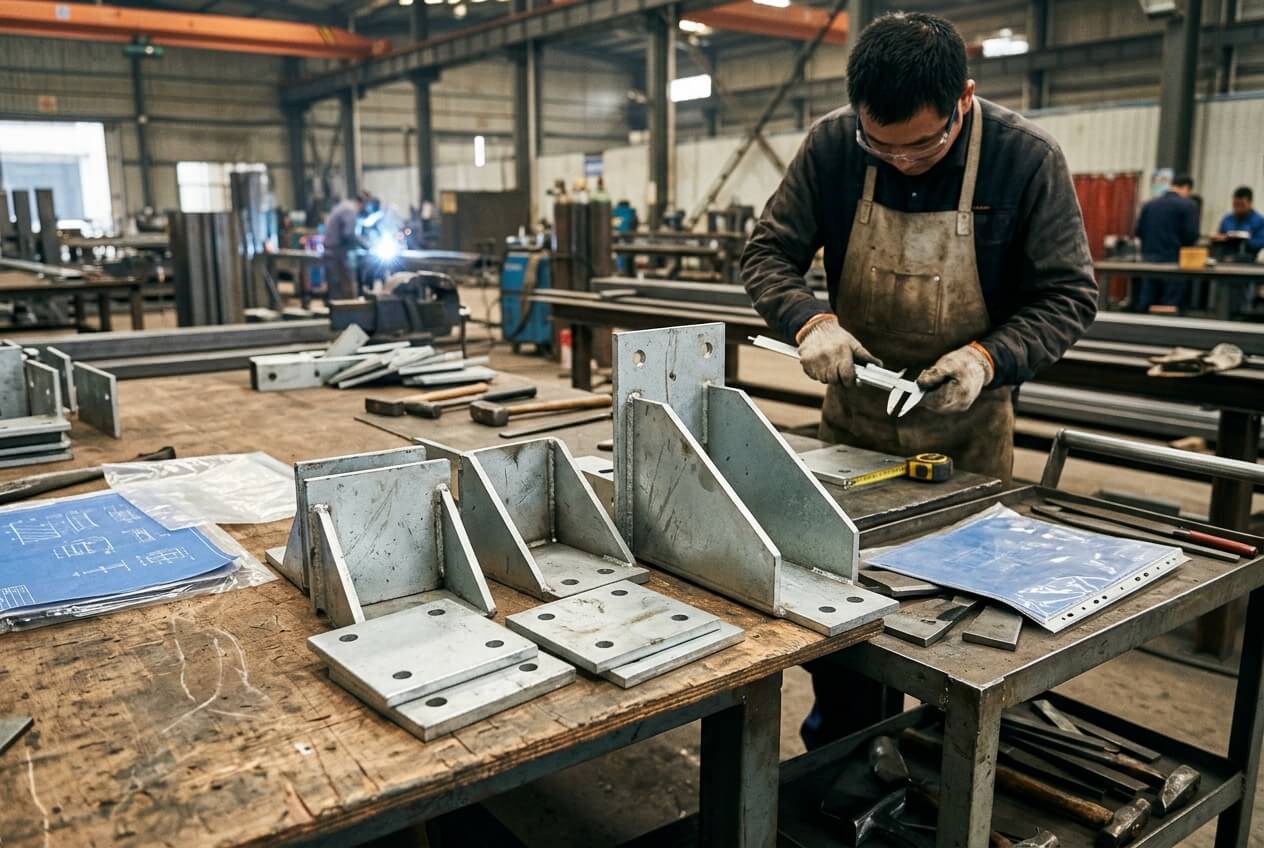
Prototype approval reduces uncertainty, but it does not close every RFQ gap. A supplier can make one good sample with extra handwork, slower welding, manual straightening, or careful coating placement. Batch production needs repeatable controls. If the buyer does not record what made the prototype acceptable, the batch may follow the drawing but miss the approval logic.
This problem appears often with cabinets, frames, and welded assemblies. The prototype may look square, close properly, and fit the mating equipment. During batch production, welding heat, fixture wear, coating buildup, and packing pressure can change the final condition.
Sample approval needs measurable notes
A prototype review should not end with approved. Buyers should record door gap, latch function, hinge alignment, gasket contact, critical hole distances, surface zones, acceptable weld appearance, coating defects, and packaging method. Photos help when they show the part mounted with its mating assembly.
For a powder coated control cabinet, a buyer may approve the sample because the door seals well and the wiring plate fits. If the RFQ does not convert that approval into production notes, batch production may use a different hanging point in the coating line. Hook marks may appear on a visible face. The supplier may see those marks as normal. The buyer may reject the batch because the sample did not show them.
Batch process changes should not change the required outcome
Suppliers often change the process route from prototype to batch. That is not automatically a problem. A prototype may use laser cutting for speed, while batch production may use CNC punching for repeated hole patterns. A prototype welded frame may use manual alignment, while batch production may need a fixture.
The buyer should ask which process assumptions support the batch price. If the batch quote excludes fixture control, straightening, coating inspection, or final assembly checking, the sample may not protect the project. Clear prototype notes help the supplier preserve the right outcome while still choosing an efficient production method.
Yishang often uses prototype feedback, marked drawings, and assembly photos to help turn sample approval into batch controls. That step matters when transmission power lines projects require repeated cabinets, brackets, panels, or welded frames across several shipments.
What Buyers Should Clarify Before Comparing Supplier Quotes
Quote comparison should expose assumptions before negotiation starts. A buyer does not need a long specification for every simple sheet metal part. The RFQ should focus on the few details that change cost, lead time, production method, inspection effort, and installation risk.
Start with the part function. State whether the item acts as a protective cover, cable entry plate, control enclosure, load-bearing bracket, welded support frame, or cosmetic panel. Then describe where it will be installed. Outdoor pole areas, substation yards, indoor control rooms, and coastal sites lead to different finish and packaging assumptions.
Normalize scope before negotiating price
Ask suppliers to confirm material grade and thickness basis, finish assumptions, tolerance standard, installed hardware, inspection evidence, and packaging method. A useful quotation should also list exclusions. If a supplier excludes gaskets, fasteners, coating masking, or fit-up checking, the buyer can compare that quote fairly.
Drawings should mark critical interfaces. These may include mounting hole patterns, bend direction, slot orientation, door gap, gasket compression, mating frame size, grounding contact areas, and cable gland openings. The buyer should also separate mandatory requirements from preferences. That keeps cost under control without hiding real assembly risks.
Communication should stay documented. If a supplier suggests bend relief, weld access changes, larger hole clearance, coating masks, or a packaging change, update the drawing or RFQ note. Verbal agreement may help during sampling, but batch production needs controlled records.
Lead time also depends on these assumptions. A quote that includes fixtures, special powder, installed hardware, coating thickness reports, or protective pallets may need more time. That time may still be safer than rushing a low-scope quote into rework. The goal is not to make every supplier use the same process. The goal is to make every supplier price the same expected result.
Comparing fabrication quotes for transmission power lines projects? Send Yishang your drawings, material requirements, quantities, tolerance notes, finish expectations, hardware scope, assembly photos, and prototype feedback. The team can review RFQ assumptions for custom sheet metal fabrication, metal enclosures, brackets, frames, and welded assemblies before you lock the supplier comparison. Visit Yishang to share your project package.
Frequently Asked Questions
Why do similar drawings produce different quotes for transmission power lines metalwork?
Similar drawings can hide different assumptions. Suppliers may price different coating systems, tolerances, hardware scope, assembly checks, or packaging methods. The buyer should compare the quoted delivery condition, not only the unit price.
Which RFQ details matter most for outdoor metal enclosures?
Buyers should clarify installation location, material grade, powder type, pretreatment, coating thickness range, gasket requirements, grounding masks, cable openings, installed hardware, and packaging. These details affect cost and reduce field installation risk.
How should buyers handle tolerances on brackets and mounting plates?
Mark only the dimensions that control fit, safety, or assembly. Critical hole patterns, slots, bend directions, and mating faces need clear notes. General fabrication tolerances can remain on non-critical dimensions to avoid unnecessary cost.
Why can a prototype pass but the batch still fail?
A prototype may include extra hand adjustment, slower welding, or special coating care. Batch production needs documented controls such as fixture use, door gap targets, flatness requirements, coating zones, and inspection frequency.
What should a supplier include in quote notes?
Quote notes should state material assumptions, process route, finish basis, included hardware, assembly level, tolerance standard, inspection evidence, packaging method, and exclusions. These notes help buyers normalize supplier prices.
When should packaging be defined in the RFQ?
Define packaging when parts have finished surfaces, installed hardware, thin panels, doors, frames, or deformation risk. Corner protection, separators, labels, hardware bags, and pallet plans can prevent damage before site installation.