
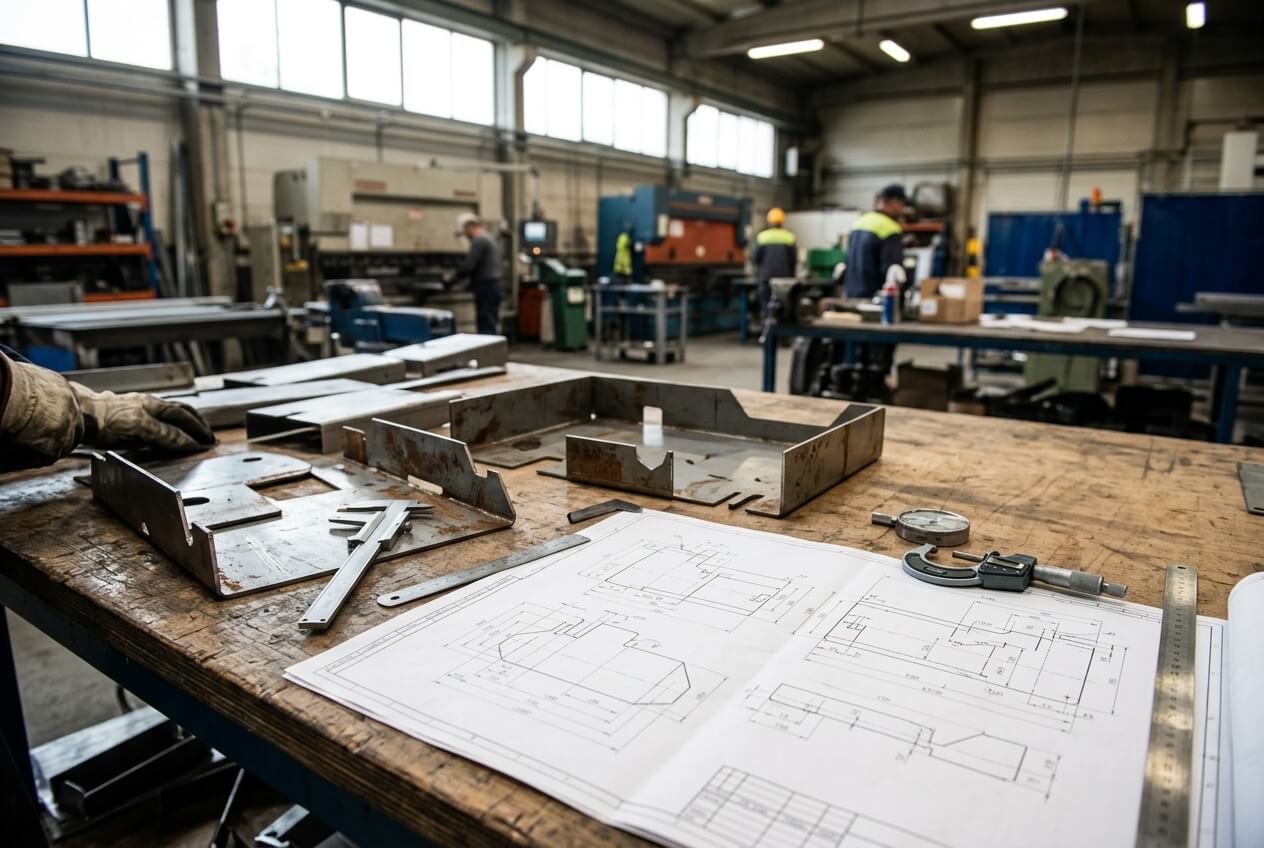
An OEM buyer can send the same sheet metal drawing to three suppliers and still get three different water for cutting prices. That is usually not a machine problem. It is a scope problem. One shop prices clean edge control, hole-location checks, and packing for assembly. Another prices the cut only and assumes the rest does not matter. A third may quietly assume the part is only a prototype and not a repeat order.
That gap creates procurement risk long before the first part is cut. The lowest quote often looks attractive because the RFQ leaves room for assumptions. Those assumptions later show up as edge disputes, hole rework, slow assembly, coating complaints, or parts that do not fit the enclosure, bracket, or frame they were meant to support. Waterjet cutting helps buyers avoid heat distortion, but it does not remove the need for clear purchasing notes.
For custom sheet metal fabrication, the part is rarely just a flat profile. It may become a welded assembly, a cabinet panel, a mounting bracket, or a structural frame. If the buyer does not describe how the part will be used, the supplier has to guess. Guessing changes the quote, and it often changes the production result too.
Where RFQ Ambiguity Starts to Distort Water for Cutting Quotes
Most quote variance starts before the machine starts. The drawing can look complete and still leave important gaps. A supplier can see the outline, dimensions, and material callout, then make different assumptions about edge quality, inspection, nesting, and part handling. That is why two water for cutting quotes can differ by a wide margin without either one being dishonest.
The main risk is not that suppliers read the drawing badly. It is that the drawing does not answer every production question. Does the buyer need a cosmetic edge? Should hidden edges be treated the same as exposed edges? Is the part a one-off sample or a recurring batch? Those answers affect how a shop plans the cut and how much time it spends checking the result.
The drawing can be accurate and still incomplete
A flat DXF or PDF may show the right geometry, but it does not always show the business intent. A stainless enclosure panel may need a clean outside edge because customers will see it after coating. A hidden internal bracket may not need the same finish. If the RFQ does not separate those surfaces, one supplier may price extra cleanup while another may not. The buyer then compares two different scopes as if they were the same job.
That is how a quote looks low at award time and expensive later. The shop may raise a change order for extra inspection, edge cleanup, or part sorting. It may also ship to the drawing exactly as written, only for the assembly team to reject the parts because the purchasing note never described the real fit requirement. Yishang can review those drawing notes early so the quote matches the production intent.
Hidden assumptions change more than unit price
Assumptions affect lead time, not just cost. If a supplier thinks the job is a simple cut-and-ship request, it may slot the work into a faster route. If it later learns that the buyer wants visual edge control and fit verification, the shop may need a different setup, a slower cut speed, or a separate inspection step. Those changes can move the delivery date as well as the price.
Buyers should not ask only, “What is the unit cost?” They should ask, “What did each supplier assume about the cut, the edge, and the final use of the part?” That question surfaces the real reason water for cutting quotes change after the RFQ hits the shop floor.
Why Hole Location and Edge Expectations Can Break Assembly Fit
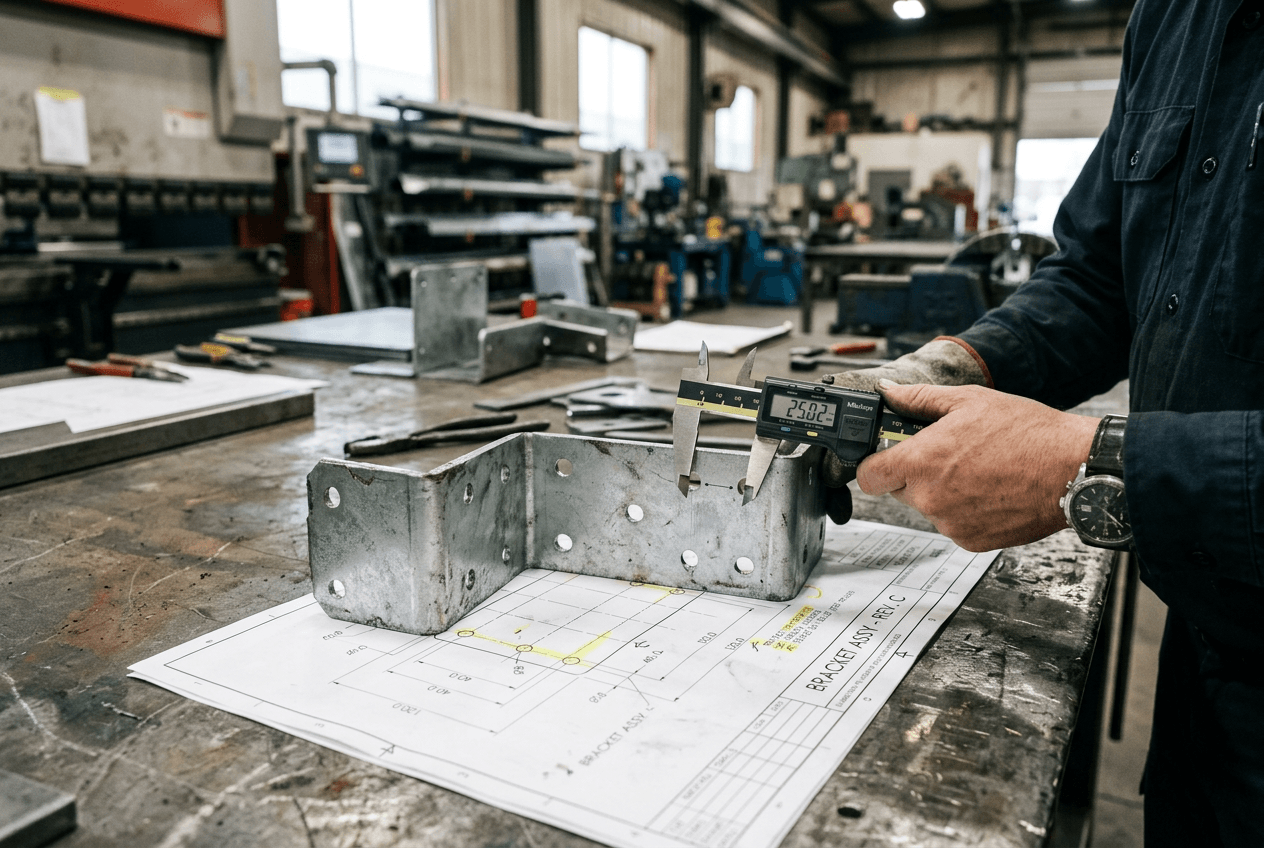
Waterjet parts often look right on a bench and fail in assembly. The reason is simple. A part can be dimensionally close and still create fit trouble when it has to align with bends, welds, fasteners, or mating hardware. Mounting holes, slot widths, and edge-to-feature distances become much more important once the part leaves the cutting table.
The buyer risk here is not cosmetic. It is functional. If the hole location drifts enough to make the fastener fight the bracket, the shop may need to rework the part or the assembly team may enlarge the holes during build. If the edge quality is rough where a gasket, hinge, or sliding component touches the part, the downstream issue can become a warranty problem rather than a shop-floor nuisance.
A flat part is not the finished part
In sheet metal fabrication, water for cutting is often only one step in a longer sequence. The part may be bent, welded, plated, powder coated, or assembled after cutting. That sequence matters. A hole that looks fine in the flat state may shift after forming. A tab that fits before welding may become tight after weld pull. A cut edge that seems acceptable in raw form may become a problem after coating adds thickness.
Buyers should state how the part will be used after cutting. If the part will be formed, the supplier needs bend-related references. If it will be welded into a frame, the buyer should note which faces control fit-up. If it must seat against another component, the drawing should identify the functional surfaces. Without that context, the quote may still be accurate for the flat profile but wrong for the finished assembly.
Project example: an enclosure door that looked right until coating
A buyer once requested waterjet-cut stainless enclosure doors for an industrial cabinet. The drawing covered the outline and hinge holes, but it did not call out which edge would sit against the gasket after coating. The shop cut the parts accurately. After powder coating, the gasket side became tight because the buyer had not allowed for the finished interface. The parts were not defective. They were incomplete from a procurement standpoint.
That kind of failure usually starts with a missing note, not a bad machine. A small clarification on edge condition, hole position, or surface priority can prevent a larger assembly delay. For buyers of metal enclosures, brackets, frames, and welded assemblies, that clarification belongs in the RFQ, not in a late-stage email thread.
Why Prototype Approval Does Not Guarantee Batch Consistency
Prototype approval creates confidence, but it does not prove repeatability. A first article often gets extra attention. Operators may slow the cut, inspect the edges more closely, and hand-sort the parts before packing. Batch production rarely receives that same attention unless the buyer requires it. That is where procurement risk returns.
Water for cutting is stable enough for many sheet metal parts, but repeatability still depends on setup control, nozzle condition, abrasive flow, and inspection discipline. If the buyer only approves one sample, the next lot may still drift in edge quality, taper, or hole finish. The geometry may stay within drawing limits while the assembly team still struggles with fit and repeatability.
One approved sample only proves one setup worked once
A bracket prototype can pass and still fail as a batch. Suppose the part is part of a rack system and the prototype holes align cleanly. In production, a slightly different nesting pattern or machine wear can change the hole edge or taper enough to slow assembly. The shop may still ship acceptable parts, but the buyer pays the price in labor and lost schedule.
That is why buyers should define what must repeat from lot to lot. They do not need to over-control every detail, but they do need to lock the features that matter. For recurring sheet metal parts, that may include hole location control, visible edge condition, cosmetic side orientation, and any inspection record tied to batch acceptance.
Project example: a welded frame that passed first article and slipped in the second run
A buyer approved a cut-and-bend trial for a welded machine frame. The first run fit the jig well. On the second run, the frame still matched the flat drawing, but the slot edges and hole edges varied enough to slow weld fit-up. The issue was not the design. It was the absence of a repeatability note in the RFQ. The buyer had approved the sample, but not the production method.
Batch work needs a different mindset. The question is not only, “Can the supplier make one good part?” It is, “Can the supplier keep making the same good part when volume rises?” That question belongs in procurement review before the order is placed.
What Buyers Should Fix Before Comparing Water for Cutting Quotes
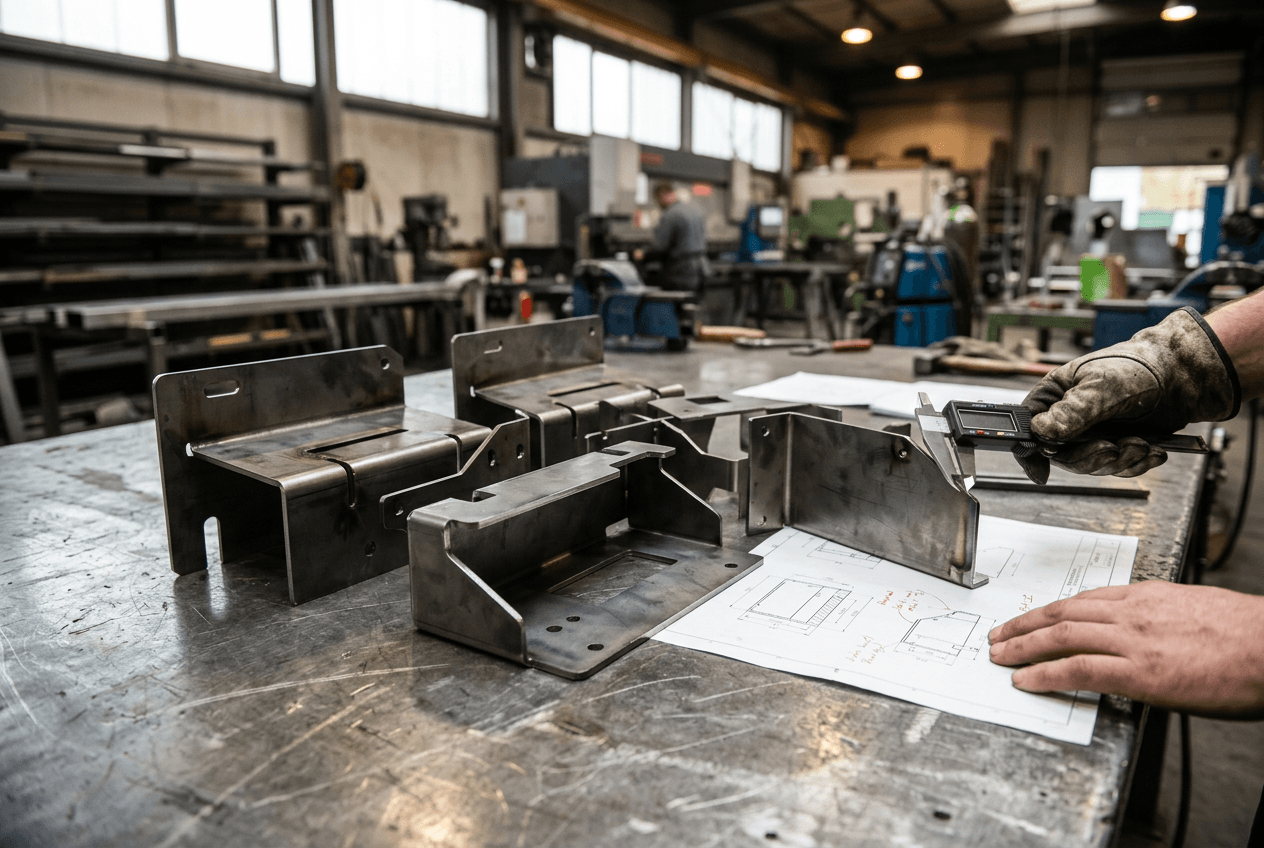
A fair quote comparison depends on a clean RFQ. Buyers do not need to write a long specification, but they do need to remove avoidable ambiguity. The most useful notes are the ones that connect the cut part to the next operation. If the supplier understands the downstream use, it can price the work accurately and flag manufacturability issues early.
Start with the material grade and thickness, not only the material family. Then state which features drive function. A 2 mm cosmetic stainless cover and a 12 mm carbon steel support plate are both cut parts, but they do not belong in the same cost bucket. Thickness changes cut speed. Surface expectations change inspection effort. Final use changes how much edge control matters.
Clarify the features that carry risk
Focus on the features that can trigger rework or assembly delay. Those features usually include mounting holes, slot widths, mating edges, countersunk areas, and any interface that touches another part. If the part will be bent, welded, or coated later, say so plainly. If a feature is cosmetic, functional, or hidden, identify that too. The shop can only price the right level of care when it knows what matters.
Buyers should also define the quantity stage. Prototype, pilot, and batch production often need different inspection effort. A pilot run may justify extra checks. A batch order may need only the critical ones repeated consistently. If the RFQ does not separate those stages, the supplier may quote one assumption while the buyer expects another.
Use the RFQ to prevent change orders, not just gather prices
A clean RFQ reduces change orders because it answers the questions that usually surface after award. It helps the supplier decide whether water for cutting is the best process or whether another method will reduce cost and improve repeatability. It also gives the buyer a better basis for comparing unit price, inspection scope, and expected risk.
That is the practical goal. Buyers want a price that matches the real part, not a low number that changes after release. If the project involves custom sheet metal fabrication, metal enclosures, brackets, frames, or welded assemblies, Yishang can review the drawing and flag any missing production notes before quoting.
If you are requesting water for cutting prices, send your drawings, material requirements, quantities, tolerances, and finish expectations together. Add any notes about bending, welding, coating, or assembly fit. That gives the supplier enough context to quote the actual job instead of guessing at the flat pattern.
How the Same Risk Shows Up in Real Parts Buyers Order Every Week
This procurement risk repeats across common sheet metal projects. An enclosure panel can look simple until the hinge holes, gasket edge, and coating allowance all need to line up. A mounting bracket can cut cleanly but still fail if the holes are too close to a bend line. A frame component can pass as a flat part and then fight the weld jig once it becomes part of an assembly. Water for cutting is not the weak point. Unstated expectations are.
For that reason, buyers should treat the RFQ like part of the manufacturing process. The drawing sets the geometry. The notes set the acceptance logic. If either one is vague, the quote will drift and the production result may drift with it. The best procurement outcome comes when the buyer names the function early and lets the supplier price around that function, not around a guess.
Frequently Asked Questions
Why do water for cutting quotes vary so much for the same drawing?
They vary because suppliers may assume different scopes. One may include edge cleanup, inspection, and assembly-aware handling, while another prices only the cut. The drawing may be the same, but the quoted work is not.
What should buyers clarify before requesting water for cutting prices?
Buyers should state material grade, thickness, quantities, tolerances, finish expectations, and the part’s next step. If the part will bend, weld, coat, or assemble later, that should appear in the RFQ.
Can a part pass prototype approval and still fail in production?
Yes. A prototype often gets extra attention that batch work does not. If the buyer does not define what must repeat, the next lot can drift in edge quality, hole finish, or fit-up even when the first sample passed.
Why do hole location and slot width matter so much on waterjet parts?
Those features control how the part fits into the next assembly step. A small shift can slow fastening, force rework, or create a mismatch after bending or welding. The risk is functional, not just dimensional.
What should a buyer send Yishang for a useful drawing review?
Send the drawings, material requirements, quantities, tolerances, and finish expectations. Add any notes about forming, welding, coating, or assembly fit so the quote reflects the real production sequence.