
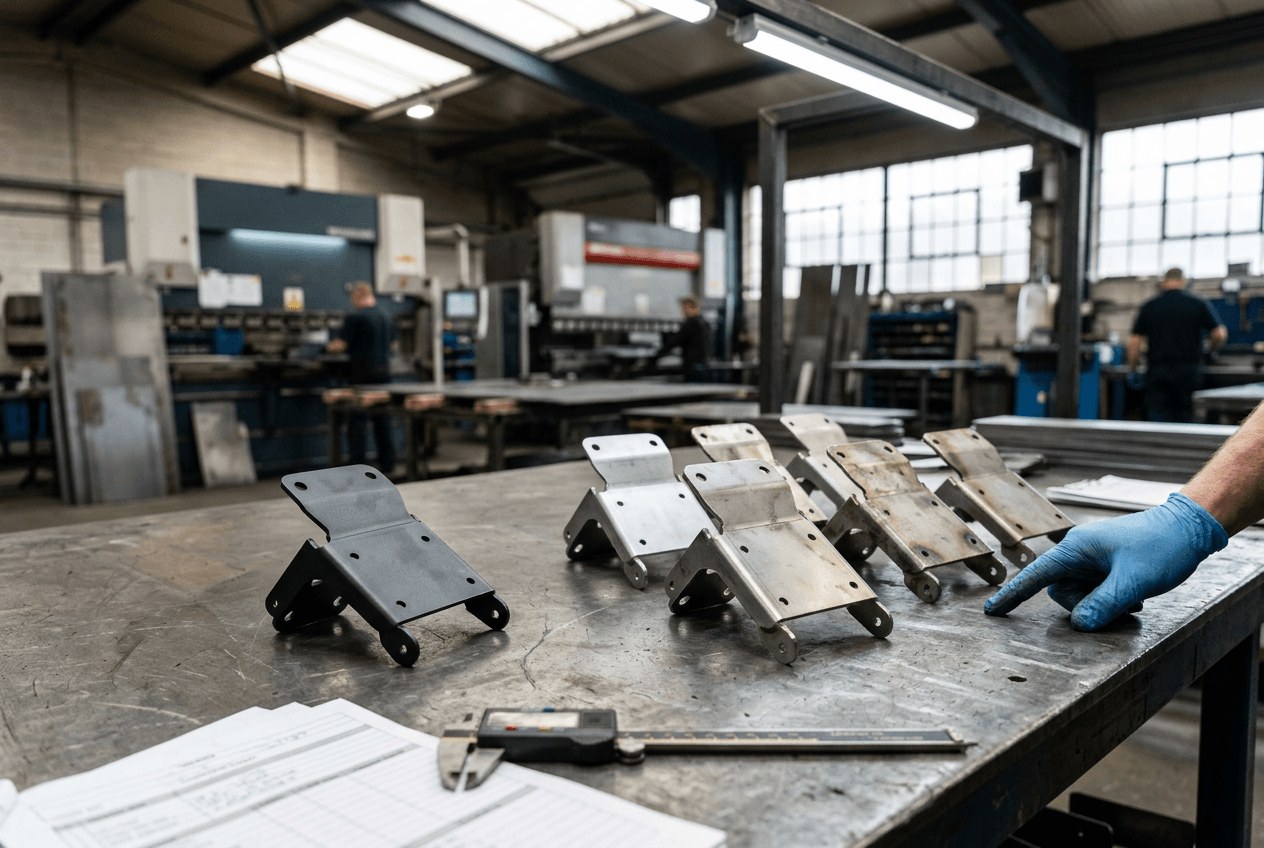
A buyer sends a drawing for a welded enclosure and adds one short note: “nitride if possible.” That line looks harmless, but it can split the RFQ immediately. One supplier thinks it means a dark cosmetic finish. Another assumes a nitrided wear surface. A third treats it as a legacy comment and quotes fabrication only. The price spread looks like normal market variation, yet the suppliers are not pricing the same job.
That is the real procurement risk behind what is a nitride in sheet metal work. The issue is not only chemistry. It is quote ambiguity. Once the word stays vague, it can change the forming route, the finishing method, inspection points, and even whether the part can be repeated in batch production. A prototype may still pass. The production order often exposes the gap.
For custom sheet metal fabrication, that matters more than textbook definitions. Enclosures, brackets, frames, and welded assemblies depend on fit, coating build, hole protection, and stable process control. If the buyer does not define what the nitride note is supposed to achieve, the supplier has to guess. Guessing creates cost risk, schedule risk, and batch inconsistency.
How one word in the RFQ splits the quote before production starts
In engineering language, a nitride is a compound of nitrogen and another element. In procurement, the word often appears in a very different way. It may sit in a finish block, a legacy drawing note, or an old specification that nobody wants to question. The problem is that sheet metal suppliers cannot quote from the word alone. They need to know whether the requirement is wear resistance, corrosion resistance, hardness, black appearance, or a special treated component.
That distinction changes the entire quote structure. A supplier quoting a simple enclosure may include laser cutting, bending, welding, and standard finishing. If the note suggests a nitrided or hard-coated area, the supplier may need a subcontract process, masking, extra handling, or a redesign. Another supplier may not include that scope at all and will look cheaper on paper. The lowest quote can be the one that assumed the least.
Buyers often see this gap only after sample approval. The prototype may look correct because the shop used manual touch-up work or a one-off workaround. Batch pricing then changes when the supplier has to move from a sample fix to a stable process. That is why the RFQ should explain function, location, and acceptable alternatives before the first quote comes back.
What the supplier needs to know first
If the note is about a wear surface, identify the exact contact zone. If it is about color, say so directly. If it refers to an engineering standard, include the full reference. A fabricator such as Yishang can review the drawing and separate the intended function from a vague legacy note, but the buyer still needs to define the requirement clearly enough for the quote to be comparable.
Why the wrong finish assumption turns into fit and inspection risk
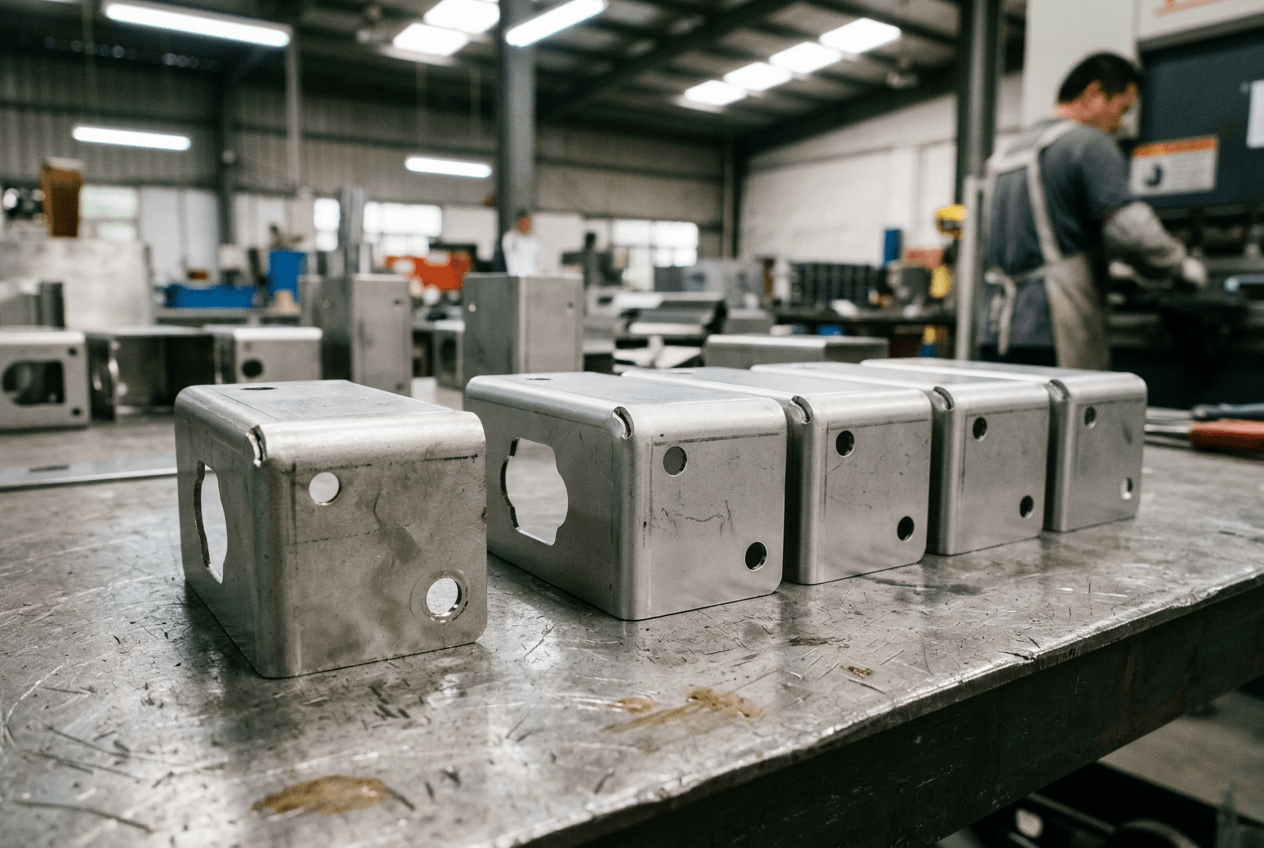
Sheet metal parts do not fail only because of bad dimensions. They also fail when the finish changes the part in ways the buyer did not plan for. Powder coating can build thickness around holes and slots. Plating can affect edge condition. A hard coating or treated insert can change how two parts slide, lock, or ground together. If the buyer uses “nitride” loosely, the finish decision can shift from a visual choice to a functional one without warning.
That becomes a procurement problem because the drawing often does not show which surfaces are cosmetic and which are functional. A black enclosure may need a durable appearance, but a latch bracket may need a precise contact surface. If the supplier treats the whole part as one finish zone, the coating can create fit issues. Screws may bind. Doors may rub. Grounding points may lose contact. The part may still match the CAD model and still fail in assembly.
One project example is a control cabinet with a front door and a powder-coated frame. The buyer wrote “nitride” in the finish note because an earlier prototype had a dark wear area near the latch. The shop assumed the whole cabinet needed a hard surface treatment. That would have added cost and introduced lead time pressure. The real need was much narrower: only the latch contact area had to resist wear. Once the buyer marked that zone, the supplier could quote a simpler and more repeatable route.
Another example is a steel bracket that carries a sliding pin. The first sample worked because the technician adjusted the slot by hand. In production, the slot width, coating thickness, and burr direction all mattered. The buyer thought the issue was finish quality. The actual problem was a missing functional note on the drawing. The quote had not failed because the supplier misread the part; it failed because the RFQ left the critical surface undefined.
Separate cosmetic and functional surfaces
Buyers should never leave one word to cover both appearance and performance. List visible faces, contact surfaces, masked areas, and threaded holes separately. That helps suppliers compare the same scope and helps inspectors decide what matters after fabrication. If the project needs a special treated insert, call out the insert clearly instead of asking the whole assembly to carry an unclear “nitride” requirement.
Why prototype approval can hide the batch-repeatability problem
A prototype proves that the idea can work. It does not prove that the process will hold. That difference matters when a vague nitride note appears on a sheet metal drawing. Small-run samples often survive on manual correction. Technicians can adjust bends, file a hole, polish a contact point, or swap a finish on the fly. Batch production removes those hidden repairs.
Once the order scales, the supplier must repeat the same result with fixtures, bend settings, weld sequence control, and stable finishing. Any unclear surface note becomes a repeatability risk. If the prototype used hand correction, the batch may need extra rework, and that adds cost. If the supplier chooses a different finish to solve the problem, the buyer may see a change in feel, color, or wear behavior even though the shape is unchanged.
This is where procurement teams can lose time. The sample gets approved because it fits the mating part. Then the order moves to production, and the supplier discovers that the prototype depended on a one-off correction. The batch quote goes up, or the delivery date moves. The buyer may call that a supplier problem, but the root cause usually sits in the RFQ and sample-release assumptions.
For welded assemblies, the risk is even higher. Weld shrinkage can move brackets, doors, and inserts. If the nitride-related requirement applies to a wear insert or a mating face, the buyer needs to define that relationship before release. Otherwise, the supplier may build the prototype one way and the batch another way.
Prototype approval should not freeze the wrong method
Buyers should approve geometry, finish intent, and production method as separate decisions. The prototype can confirm fit, but it should also reveal whether the finish can be repeated and whether the special surface note is realistic for batch work. If the answer is no, the drawing should change before release, not after the first shipment.
Which drawing details stop quote gaps from becoming production gaps
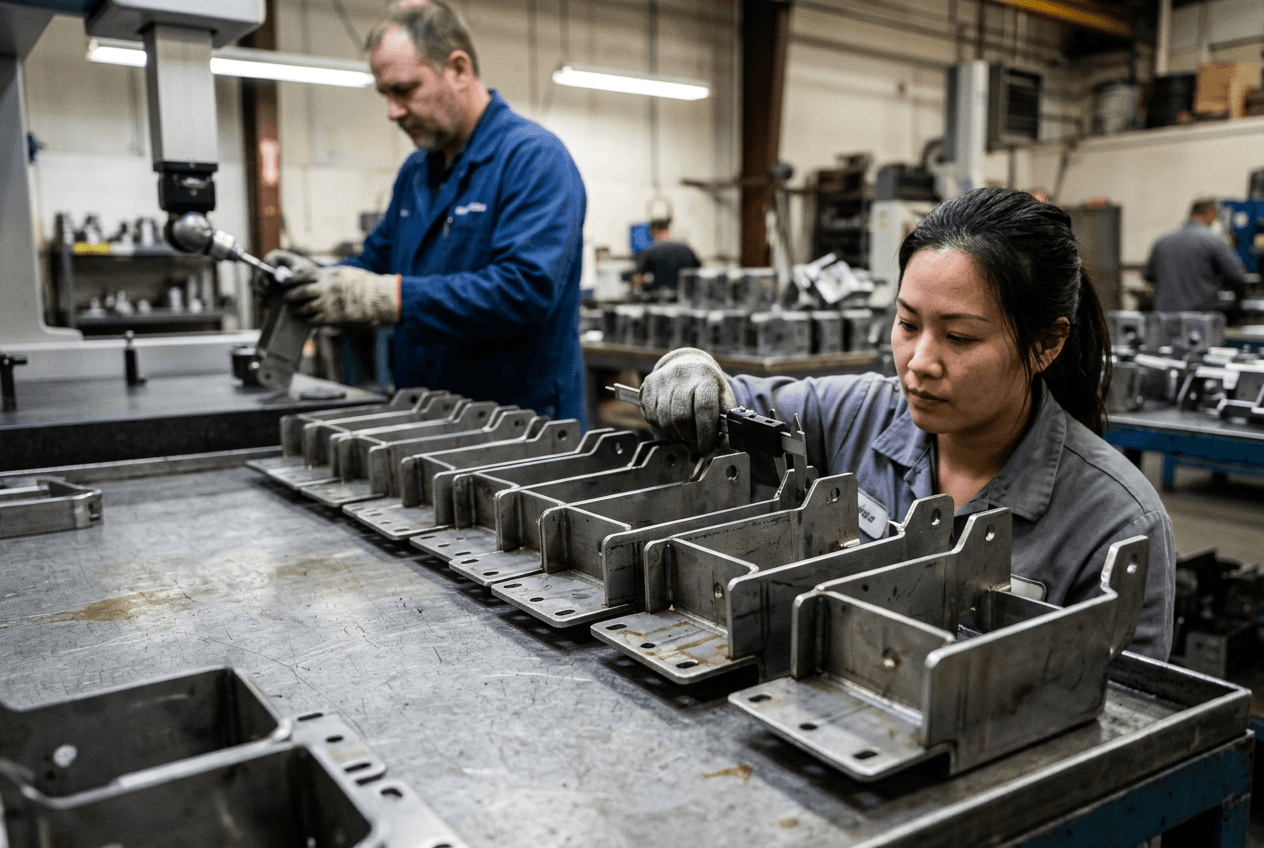
Most quote disputes begin with missing drawing detail. A supplier may ask whether the part is steel or stainless, but that is only the start. The finish note, hole protection, masking area, and assembly condition matter just as much. When a nitride-related note sits in the drawing without context, the supplier has to guess the process route and build the quote around that guess.
That guess affects more than unit price. It affects material selection, outside process cost, inspection time, and packaging. If the supplier assumes a standard cosmetic finish, the quote can look attractive. If the supplier assumes a hard surface treatment, the quote may be higher but more realistic. The buyer needs an apples-to-apples comparison, not a set of prices based on different assumptions.
The RFQ should make the manufacturing route visible. State whether the entire enclosure needs a dark surface, or only a local wear area. Say whether the treated part is part of the sheet metal fabrication or a purchased component. Include material grade, quantity target, tolerance-critical features, and finish expectations. If the drawing allows alternatives, define them clearly. That gives suppliers room to propose a better route without hiding the cost impact.
For buyers managing overseas sourcing, this step also shortens communication loops. A supplier can answer faster when the question is specific. Yishang, for example, can review drawings, finish notes, and prototype photos to clarify manufacturability before the quote is locked. That is useful only when the buyer sends enough detail to test the assumption chain.
What to freeze before release so the same part can be repeated
Batch release should lock the details that protect assembly fit. That does not mean every dimension needs the tightest tolerance. It means the buyer should freeze the points that control function after bending, welding, and finishing. Holes, flange positions, hinge lines, latch contact points, grounding pads, and masked areas are usually more important than cosmetic edges.
Coating thickness matters here. Powder coating can reduce clearance. Burrs can change how a bracket seats. Weld distortion can move a hole center. If the RFQ leaves the nitride note vague, the supplier may choose a process that looks fine on the surface but creates fit problems later. A part can meet the print and still fail in assembly because the critical surface was never defined.
One practical approach is to freeze the sample corrections as controlled requirements. If the prototype needed a hand-filed slot, record that slot width. If the door only fit after a hinge adjustment, record the hinge location and the allowed finish build in that area. If a treated insert carried the wear load, define how that insert must sit relative to the sheet metal frame. Those details turn a one-off sample into a repeatable production plan.
Buyers also need to align the commercial side with the technical side. A lower quote is not useful if it excludes a required treatment or assumes a finish that cannot survive assembly. A longer lead time may be worth it if the route is stable and the batch will not need rework. The best RFQ is the one that makes those tradeoffs visible early, when changes are still cheap.
When the requirement is still unclear, ask the supplier to quote the fabrication separately from the special surface process. That split helps procurement see where the cost sits and makes it easier to compare alternatives. It also tells the buyer whether the design should stay as one sheet metal assembly or shift to a hybrid build with a treated insert or a different surface strategy.
Before you release the RFQ: send your drawings, material requirements, target quantities, tolerances, finish expectations, and any prototype photos or sample corrections. If your notes mention “nitride,” “nitrided,” “TiN,” or a hard wear surface, mark the exact area and explain the function. Yishang can review the manufacturability and finish assumptions before the quote is finalized.
Frequently Asked Questions
What is a nitride in a sheet metal RFQ?
In an RFQ, the word often means more than a chemistry term. It may refer to a nitrided surface, a hard coating, a treated insert, or a vague legacy finish note. Buyers should define the performance need, the exact surface, and any acceptable alternatives before requesting quotes.
Why does one vague finish word change the quote so much?
Because suppliers may assume different scopes. One may quote fabrication only, another may add a special process, and a third may price a cosmetic alternative. The unit price changes because the process route changes. Without clarification, the cheapest quote may simply leave out the hardest part.
Can a prototype hide a batch problem?
Yes. A sample can pass with hand correction, manual polishing, or one-off adjustment. Batch production depends on repeatable tooling, welding, and finishing. If the drawing does not define the critical surface or fit condition, the batch can fail even when the sample looked correct.
What should buyers mark on the drawing first?
Mark the surfaces that affect fit and function, not just appearance. That usually includes contact areas, holes, slots, hinge points, grounding points, and masked zones. Then state the material, quantity, tolerance targets, and finish expectations so suppliers can quote the same scope.
How can finish notes affect assembly fit?
Finish build can reduce clearance around holes, slots, and mating edges. Welding can shift locations before finishing even starts. If the finish note is vague, the supplier may choose a process that looks right but creates binding, misalignment, or grounding loss during assembly.
How can Yishang help with a nitride-related RFQ?
Yishang can review drawings, prototype photos, and finish notes to identify whether the requirement is cosmetic, functional, or tied to a treated insert. That review helps buyers clarify assumptions before they compare quotes or release a batch order.