
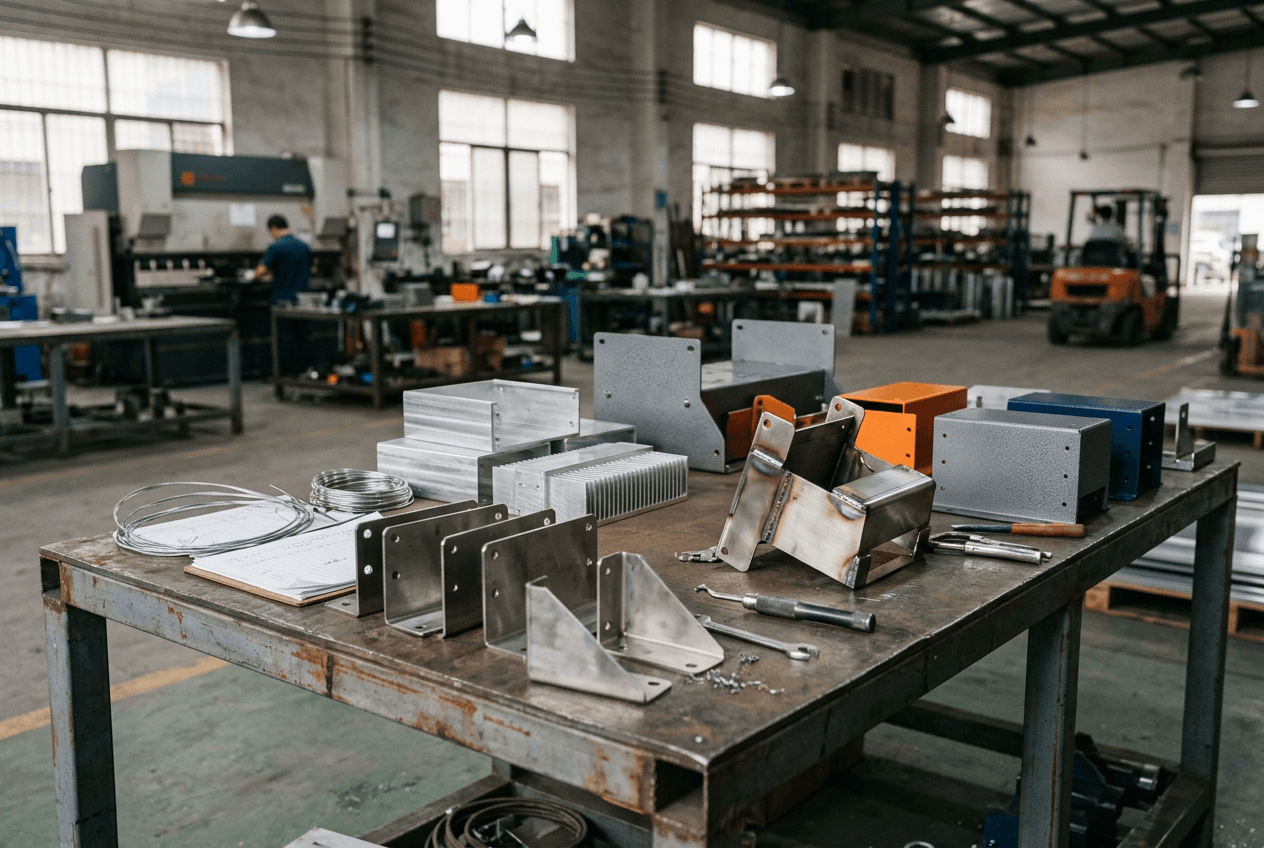
An OEM buyer sends one stainless steel enclosure drawing to three sheet metal suppliers. The drawing lists 304 stainless steel, 1.5 mm thickness, bend lines, PEM fastener locations, a powder-coated finish, and a target annual volume. The quotes arrive within a narrow price range, so the buyer assumes the scopes match.
They do not. One supplier quoted standard sheet stock. Another assumed annealed material to reduce bend cracking. A third added post-weld stress relief because the frame must stay square after coating. Each supplier priced a different production route, even though each used the same drawing.
This is why what is annealing matters in sheet metal procurement. Annealing is a heat treatment process that softens metal, improves ductility, reduces hardness, and can relieve internal stress. In buying decisions, the larger risk is RFQ ambiguity. If the RFQ does not define material condition or stress-relief assumptions, suppliers fill the gap in different ways.
That gap can change unit price, lead time, bend strategy, inspection timing, finishing risk, and assembly fit. A prototype may pass because the supplier used softer stock or corrected the part by hand. Batch production may fail because nobody locked the material condition or process route before quote approval.
This article focuses on one procurement risk: non-comparable quotes caused by unclear annealing and material-condition assumptions. The goal is not to add annealing to every drawing. The goal is to make sure each supplier quotes the same manufacturing risk.
Where Annealing Ambiguity Starts to Distort Sheet Metal Quotes
A material callout such as 304 stainless steel, 5052 aluminum, or mild steel sheet looks clear to a purchasing team. On the shop floor, it often leaves an important question open. Which condition did the buyer expect: standard commercial stock, annealed stock, a specific aluminum temper, or a separate stress-relief step after welding?
Suppliers cannot ignore that question. They must choose a route before they quote. If the drawing includes tight bends, short flanges, hinge holes near bend lines, or large cosmetic panels, material condition affects forming risk. The quote may include softer material, larger bend radii, extra trials, or rework allowance.
The same drawing can create three different scopes
One supplier may quote the lowest price by assuming readily available stock. Another may protect the part by pricing annealed material. A third may keep standard stock but add more setup time and inspection. The buyer then compares numbers, not assumptions.
That comparison can reward the quote that hides the most risk. The lower unit price may not include the material condition needed to form the part cleanly. It may also exclude the stress-relief step needed to keep a welded assembly square. The cost will return later as cracked flanges, bowed panels, delayed delivery, or rejected batches.
A short enclosure example
Consider a 1.5 mm stainless electronics enclosure with return flanges, louvers, PEM nuts, and a visible front face. The RFQ only says 304 stainless steel. Supplier A quotes standard sheet and increases the inside bend radius without calling attention to the change. Supplier B quotes annealed material to hold the drawing radius. Supplier C plans a forming trial before batch production.
All three quotes may look valid. Yet the finished enclosure may not fit the same bezel, show the same edge condition, or carry the same lead time. The buyer should not decide by price until each supplier states the material condition, bend-radius assumptions, and inspection point.
Yishang often reviews this type of RFQ before quoting custom enclosures, brackets, cabinets, frames, and welded assemblies. The useful question is simple: which annealing or temper assumption sits inside the price?
How the Wrong Assumption Moves From Quote Error to Production Failure
Annealing affects more than hardness. It changes how metal bends, springs back, stretches near holes, reacts to welding heat, and handles finishing. When the RFQ leaves material condition open, the first problem appears in the quote. The larger problem appears when production uses a different route from the one that made the sample succeed.
Bend cracking and springback do not fail alone
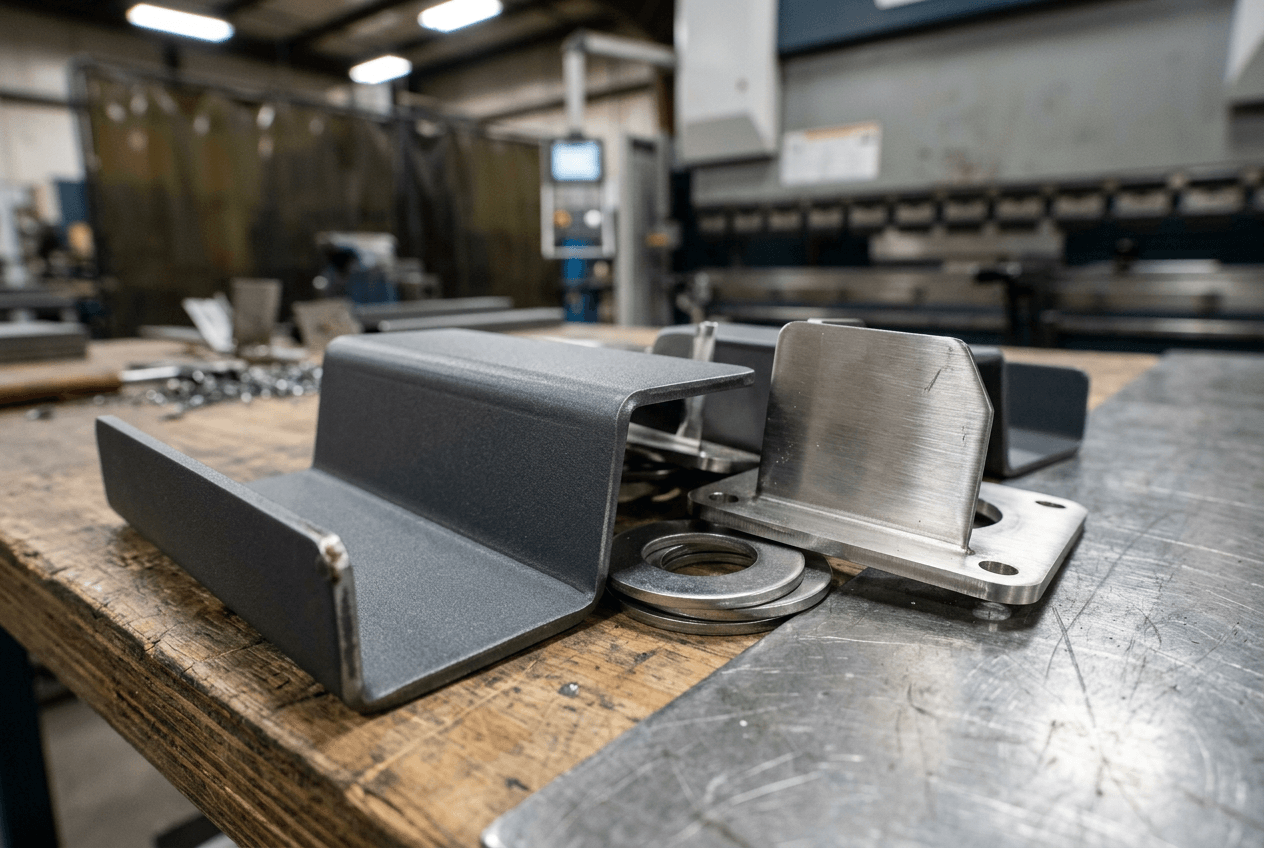
Tight bends create a common chain of failure. A buyer specifies a small inside radius because the part must fit inside an existing assembly. The supplier assumes standard stock and forms the flange. The material cracks at the outer surface, or the bend angle springs back more than expected.
The team then faces a difficult choice. They can accept a larger radius, which may affect clearance. They can switch to softer material, which may change handling and dent resistance. Or they can add a forming trial, which affects lead time. If the buyer had clarified material condition before quote comparison, the cost and schedule impact would have appeared earlier.
Hole alignment can shift after forming
Mounting holes, hinge holes, key slots, and insert locations often sit close to formed features. Metal flows during bending, especially near short flanges and narrow tabs. Softer material may stretch differently around the hole edge. Harder material may crack if the hole-to-bend distance is too small.
A drawing that only defines hole position on the flat pattern can mislead both sides. The buyer cares about finished assembly fit. The supplier may inspect before forming unless the RFQ says otherwise. For annealing-related risk, inspection timing matters. A hole that passes before bending may miss the mating part after forming and coating.
Welded assemblies add residual stress
Welding introduces heat and shrinkage. A cabinet frame, machine guard, or display rack can pull out of square after welding. Annealing or stress relief may reduce some residual stress, but it does not replace good joint design, fixturing, weld sequence, and datum planning.
The quote should identify whether the supplier included any post-weld stress relief or only standard welding control. It should also state when critical dimensions will be checked. A frame that passes before powder coating may move after oven curing if stress remains in long members or wide panels.
Why Prototype Approval Does Not Freeze the Annealing Assumption
Prototype approval often creates false confidence. The buyer sees a good sample and releases a larger order. However, the sample may not represent the batch process. The prototype might use available soft stock, slower manual forming, extra hand correction, or more careful welding than production will allow.
Sample approval defines the result. It does not automatically define the route. If the RFQ never recorded material condition, annealing assumptions, bend setup, welding sequence, coating route, and inspection method, the approved sample cannot protect batch consistency.
An aluminum panel example
A buyer orders an aluminum front panel with countersunk holes, formed side flanges, and a brushed cosmetic surface. The sample looks clean. The flanges show no cracks, and the holes match the assembly. The batch then arrives with inconsistent flatness and small flange cracks.
The investigation finds that the prototype used a softer temper from stock. Production used a harder, more available temper to meet the quoted cost and lead time. Both sheets matched the alloy number, but they did not bend the same way. The quote never locked the temper, so both sides believed they followed the drawing.
This kind of failure does not only create scrap. It can delay product launch, disrupt assembly planning, and trigger urgent sorting at the buyer’s warehouse. The buyer may ask for replacement parts, while the supplier argues that the drawing did not specify the condition used for the approved sample.
A welded frame example
A stainless welded machine frame passes prototype inspection after careful TIG welding and manual straightening. The batch needs fixture welding for efficiency. After coating, several frames fail squareness checks, and mounting holes do not align with the customer’s base plate.
The root cause may include weld sequence, clamping, heat input, and residual stress. Annealing or stress relief may help, but only if the quotation includes it. If the prototype involved hand correction and the batch quote excluded that work, the buyer approved a sample that no longer represents the production method.
Before moving from prototype to batch, buyers should ask one direct question: will production use the same material condition and process route as the approved sample? If not, the supplier should identify which dimensions, finishes, and assembly interfaces need revalidation.
RFQ Details That Make Annealing Assumptions Comparable Before Price Review
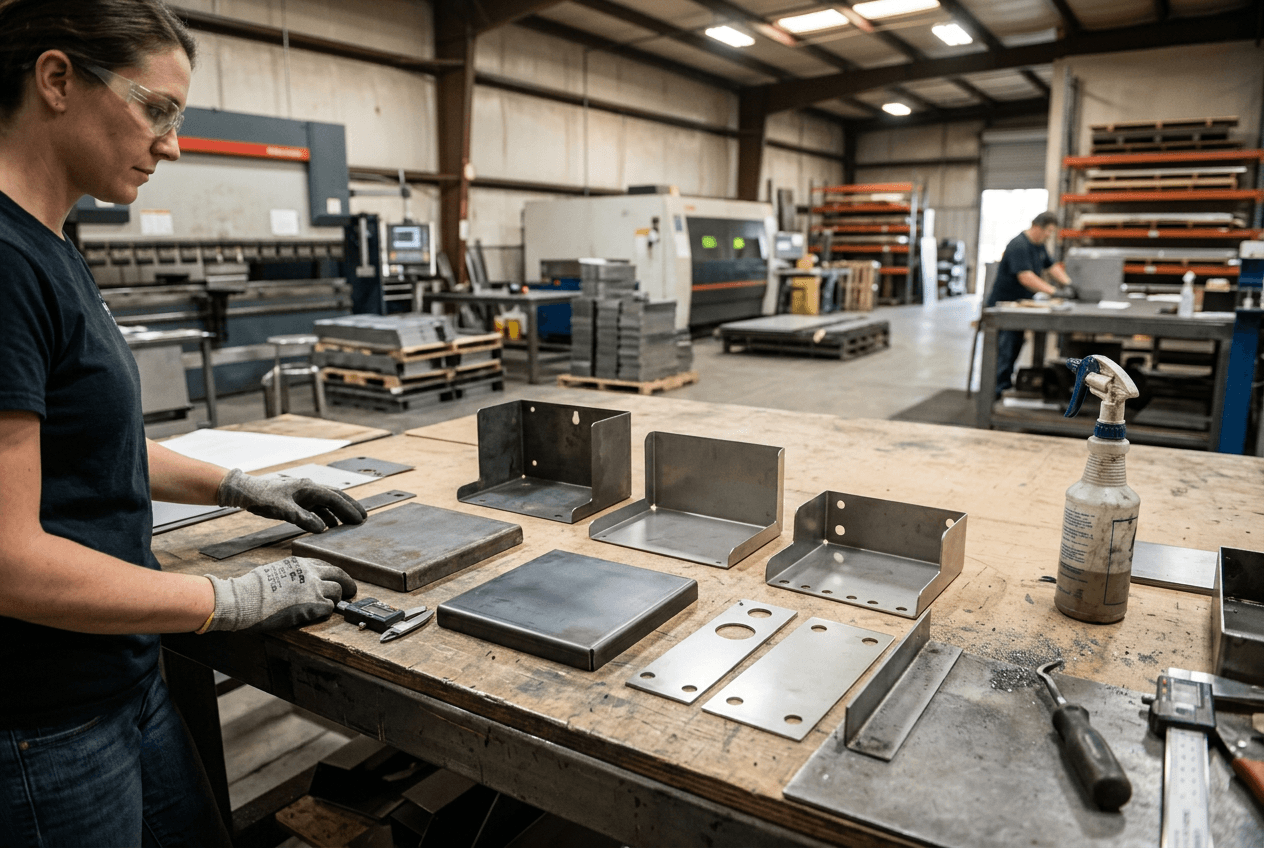
Buyers do not need to write a heat-treatment manual. They need to stop hidden assumptions from entering the quotation. A strong RFQ tells the supplier where annealing, temper, and residual stress could affect the part’s function. It also requires the supplier to list any assumption used in the quote.
Clarify the condition, not just the grade
When the material condition is known, state it on the drawing or RFQ. Examples include annealed stainless, half-hard stainless, full-hard stainless, or a specific aluminum temper. If the condition is unknown, ask the supplier to recommend one and explain the quotation impact.
Do not rely only on alloy names. Aluminum alloy numbers can behave very differently in different tempers. Stainless steel can work harden during forming. Low-carbon steel may form well without special annealing, but large panels and welded assemblies can still carry residual stress risk.
Connect material condition to the features that matter
Flag the geometry that creates risk. Tight inside radii, short flanges, louvers, tabs, deep returns, embosses, holes near bends, and cosmetic edges all deserve attention. The supplier can then decide whether annealed stock, a larger radius, relief cuts, a different forming sequence, or a forming trial makes sense.
Also define the dimensions that matter after finishing. Powder coating, polishing, brushing, and welding can change the part after first-article inspection. If a door must remain flat after powder coating, state that requirement clearly. If hinge holes must match an existing assembly, define the datum and final inspection condition.
Ask suppliers to expose the tradeoff
A useful RFQ request might say: "Please state material condition assumed for quotation. List any annealing, stress relief, bend-radius change, or post-finish inspection included or excluded." This single note can prevent a misleading price comparison.
The supplier may respond with options. One option may use standard stock and a larger bend radius. Another may use annealed stock to hold the current geometry. A third may include prototype validation before batch release. These options help buyers compare cost, lead time, fit, and appearance instead of choosing the cheapest unknown.
For custom sheet metal fabrication, Yishang can review drawings, material notes, finish expectations, and assembly interfaces before final quotation. That review should not add unnecessary heat treatment. It should make the quoted route visible before the buyer approves price and delivery.
Cost Control Comes From Defining the Risk, Not Adding Annealing Everywhere
After one bad batch, some teams add annealing notes to every related drawing. That reaction can increase cost and lead time without solving the actual problem. Annealing helps in certain cases, but it cannot correct every poor bend radius, weak weld plan, or unclear inspection requirement.
A better approach starts with the failure mode. If the issue is bend cracking, review material condition, inside radius, grain direction where relevant, hole-to-bend distance, and burr direction. If the issue is springback variation, check temper consistency, tooling setup, and whether the prototype and batch use the same sheet condition.
If the issue is welded distortion, study joint design, fixture support, weld sequence, heat input, and final inspection datums. Stress relief may form part of the answer, but the quote should show that step clearly. If the issue is flatness after coating, examine panel size, stiffening ribs, residual forming stress, coating bake temperature, and acceptance criteria after finish.
This risk-based method protects cost. A hidden internal bracket may only need a larger bend radius and a clear fit tolerance. A cosmetic control cabinet door may need stricter material control and post-finish flatness inspection. A welded frame may need fixture design and sequence control more than annealed sheet.
Supplier communication also improves when buyers share priorities early. Tell the supplier which surfaces are cosmetic, which holes control assembly, which dimensions need tight tolerance, and which finishes occur after welding or forming. Include prototype history if a previous batch cracked, warped, or failed fit-up.
The best procurement question is not only "Can you anneal this part?" A stronger question is: which material condition and process route will allow this part to form, finish, and assemble consistently at the quoted batch quantity?
Before comparing quotes, send the details that control the assumption. Share drawings, material requirements, quantities, tolerances, finish expectations, assembly notes, photos, samples, and prototype history with Yishang. A complete RFQ helps confirm whether annealed material, stress relief, radius changes, inspection timing, or prototype validation belongs in the quotation.
Frequently Asked Questions
What is annealing in sheet metal fabrication procurement?
Annealing is a heat treatment that softens metal, improves ductility, reduces hardness, and can relieve internal stress. For procurement, the key issue is scope clarity. If the RFQ does not state material condition, suppliers may quote different routes while using the same material grade.
Should every tight-bend sheet metal part use annealed material?
No. Some parts can use a larger bend radius, relief cuts, a different forming sequence, or standard material with proper tooling. Annealed material becomes more important when the part has tight radii, short flanges, crack history, cosmetic surfaces, or assembly features that cannot move.
How can annealing assumptions make two quotes non-comparable?
One supplier may include annealed stock, while another assumes standard stock. A third may include post-weld stress relief or extra inspection. The unit prices may look similar, but the risk, lead time, and production method differ. Ask each supplier to list the material condition and heat-treatment assumptions in the quote.
Why can a prototype pass but batch production fail?
The prototype may use softer available stock, slower forming, manual correction, or a different welding method. Batch production may use another material lot, faster fixtures, and less hand adjustment. Buyers should confirm that the approved sample and batch production share the same material condition and process route.
Does annealing solve welded frame distortion?
It can help reduce residual stress in some cases, but it does not replace good weld design. Frame squareness also depends on joint layout, fixturing, weld sequence, heat input, and inspection datums. The quote should state whether stress relief is included or excluded.
What RFQ notes help suppliers quote annealing risk correctly?
State the material grade and condition when known. Flag tight bends, hole-to-bend distances, cosmetic surfaces, welding requirements, post-finish dimensions, and assembly datums. Also ask the supplier to identify any annealing, stress relief, temper, bend-radius, or inspection assumptions used for pricing.