
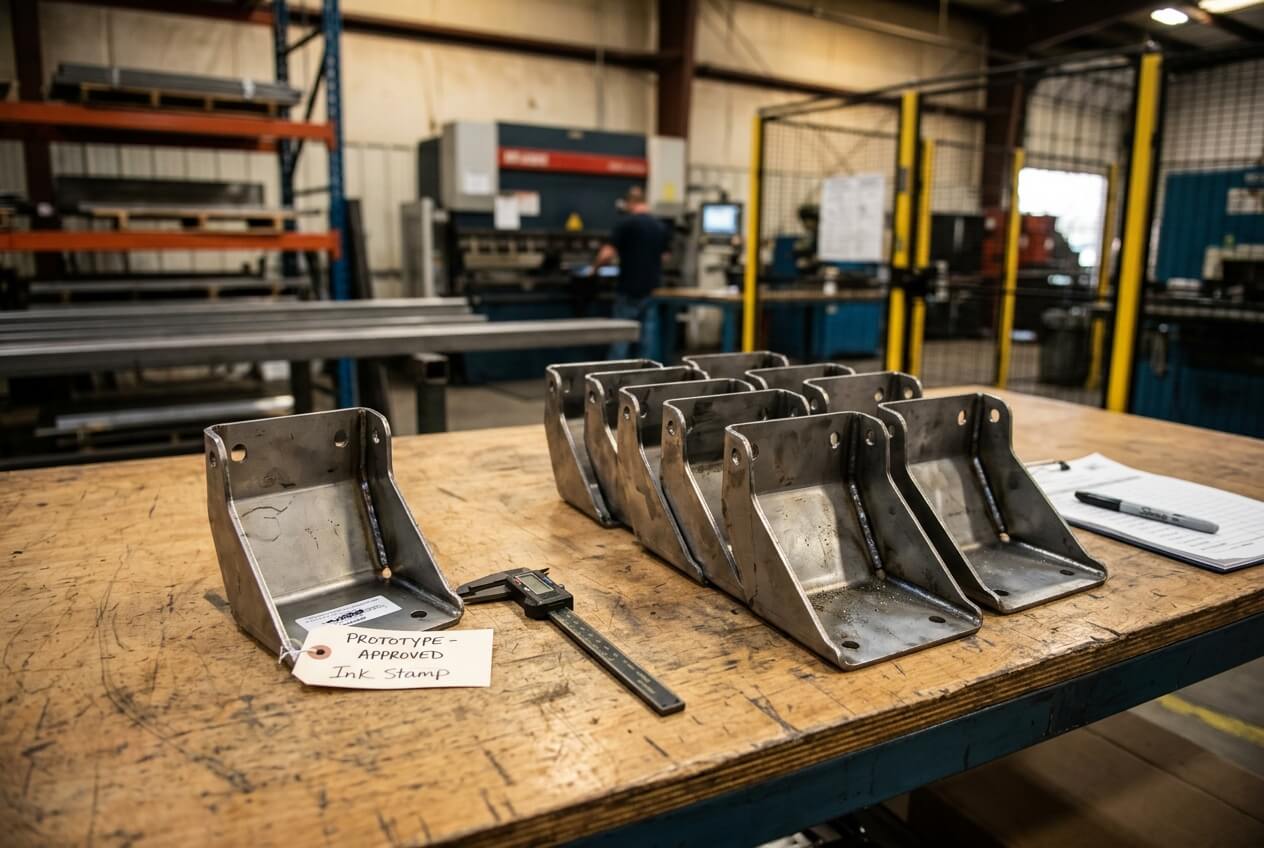
An OEM buyer approves a neat prototype housing for a control cabinet. The cast aluminum sample feels solid, and the powder coated sheet metal version looks slightly less rigid on the desk. At first glance, the casting seems safer. Then the buyer installs the internal rails, door hardware, gasket, and PCB tray. The sheet metal sample fits with fewer adjustments.
That moment changes the sourcing question. The buyer is no longer only asking what is metal casting. The more expensive question is whether the approved prototype proves batch production repeatability.
Prototype approval can create false confidence. A supplier may machine, polish, repair, adjust, or hand-select one sample before shipping it. Another supplier may build a sheet metal prototype with extra manual correction. Both samples can pass. Neither sample proves that 300, 1,000, or 5,000 parts will hold the same assembly fit, finish, and dimensional relationship.
This article focuses on one procurement risk: approving a prototype before the production assumptions behind it are clear. That risk affects casting and sheet metal fabrication in different ways. It also changes quote comparison, tooling decisions, lead time, inspection cost, and batch consistency.
For OEM buyers sourcing enclosures, brackets, frames, cabinets, panels, or welded assemblies, the safest decision does not come from choosing the process name too early. It comes from clarifying which prototype details must become controlled production requirements.
Prototype Approval Can Hide the Real Difference Between Casting and Fabrication
Metal casting melts metal and pours it into a mold. The metal cools, solidifies, and takes the mold shape. Depending on the process, the part may still need machining, grinding, blasting, painting, powder coating, or surface repair. That definition answers the basic search question, but it does not solve the buyer’s sourcing problem.
A cast part may suit thick, curved, integrated, or organic shapes. Die casting, sand casting, and investment casting can reduce assembly pieces when the geometry supports the process. Yet a rectangular enclosure, access panel, equipment cabinet, mounting bracket, or welded frame often depends more on hole location, door clearance, bend accuracy, fixture control, and coating thickness than on cast shape.
The prototype stage often hides this difference. One cast sample may look strong because it has mass. The supplier may machine the mounting face, clean up porosity, and polish visible defects. A sheet metal sample may look simpler, but it may match hinges, inserts, cutouts, and removable covers more predictably.
The sample may show effort, not repeatability
Buyers often approve what they can see. They check appearance, basic dimensions, and fit with one mating part. That review matters, but it does not show how the supplier produced the sample. A technician may have adjusted a bend, opened a slot, chased threads after coating, or selected the best casting from several trials.
That creates a quotation problem. One supplier may include machining, repair, and inspection in the price. Another may quote a raw casting with fewer secondary operations. A sheet metal supplier may include laser cutting, bending, welding, powder coating, and assembly checks. Another may assume standard tolerances and no post-coating fit test. The quotes look comparable, but they describe different production realities.
A procurement team should treat prototype approval as a gate, not a finish line. Before the batch order, ask which sample features came from controlled process settings and which came from manual correction. If the answer stays vague, the batch risk remains open.
Where the Prototype-to-Batch Risk Starts in the RFQ
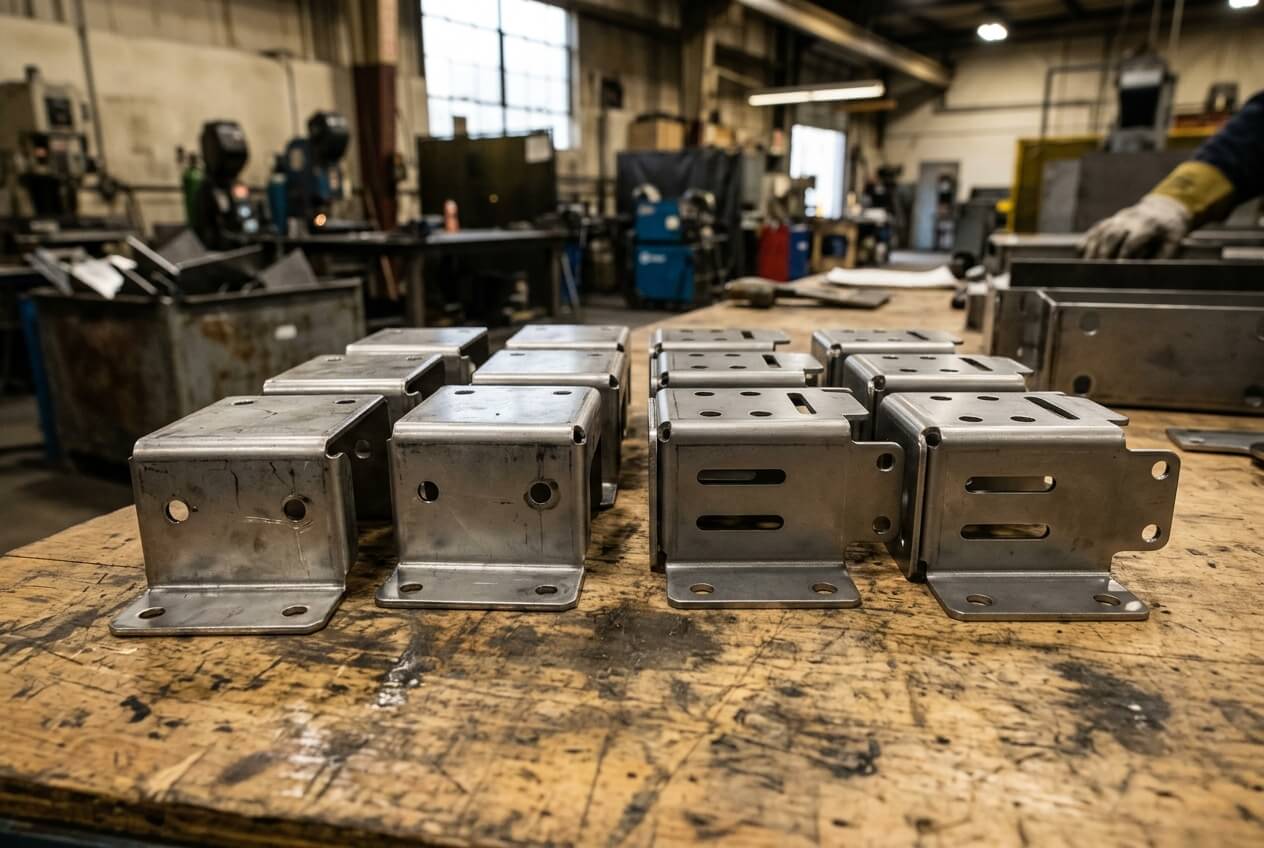
The risk usually begins before the first sample ships. It starts in the RFQ when the drawing shows a part shape but leaves production-critical details open. Suppliers then fill the gaps with their own assumptions. Each assumption changes price, tooling, lead time, and inspection scope.
For cast parts, RFQ gaps often involve draft angles, machining stock, shrinkage allowance, surface class, porosity expectations, and flatness on mounting faces. A drawing may show a flat base without saying whether the buyer accepts an as-cast surface. One supplier includes machining to protect assembly fit. Another assumes the cast surface will pass. The lower quote may only be lower because it excludes the work needed later.
For sheet metal parts, RFQ gaps often involve bend radius, hole-to-bend distance, weld visibility, fixture control, coating masking, and critical assembly dimensions. A cabinet drawing may show a door and latch but not define the acceptable door gap after powder coating. A bracket drawing may show four holes but not identify which two holes control location. Production then follows the supplier’s default tolerance, not the buyer’s assembly need.
A control enclosure example
An overseas buyer requests samples for a wall-mounted electrical enclosure. The cast option includes a one-piece body. The sheet metal option uses laser cut panels, bends, welds, studs, and powder coating. The cast sample looks robust, but the supplier quietly machines the gasket face and latch area. The quote does not clearly state whether that machining applies to every production unit.
During batch production, the buyer discovers that the unmachined cast surface cannot hold the gasket seal. The supplier adds machining, which raises cost and extends lead time. The issue did not start in production. It started when the RFQ failed to define the sealing face, flatness, and delivered surface condition.
The same failure can happen with sheet metal. If the RFQ does not define door gap, hinge alignment, and coating-free grounding points, a low quote may exclude masking or final assembly testing. The prototype may pass after hand adjustment. Batch units may require rework.
A stronger RFQ should identify critical interfaces, not every minor dimension. It should state material and thickness, expected quantities, prototype quantity, batch quantity, finish expectations, mating part information, and inspection priorities. When buyers send this information to Yishang for sheet metal fabrication review, the discussion can focus on production controls rather than vague sample approval.
Why Fit Problems Appear After a Beautiful Sample Passes
Many production failures appear after finishing and assembly, not during the first dimensional check. A prototype may look perfect before coating. Once the supplier adds powder coating, paint, plating, inserts, hinges, latches, or gaskets, the same part can become tight, uneven, or difficult to assemble.
Casting and sheet metal fabrication both face this risk, but the causes differ. Castings may include shrinkage variation, porosity, mold wear, and repair zones. Secondary machining can correct some surfaces, but it also adds cost and scheduling pressure. If the buyer approves only the exterior look, the supplier may not control hidden functional areas tightly enough.
Sheet metal fabrication brings different movement. Bending creates springback. Welding introduces heat distortion. Grinding changes corner appearance. Powder coating adds thickness around slots, hinges, tabs, and threaded holes. A production fixture can control these variables, but the supplier must know which dimensions matter.
A welded frame example
A buyer approves a welded display frame after checking height, width, and powder coated appearance. The prototype stands level because the supplier corrected one corner before coating. The drawing does not define diagonal tolerance, mounting foot flatness, or weld sequence. The quote also excludes a dedicated welding fixture.
In a batch of 500 frames, several units rock on the floor. Others show tight assembly at the top crossbar. The supplier can sort and rework the batch, but that adds labor and delays shipment. The buyer may also face repacking costs or missed installation dates.
The prevention step is not complicated. The buyer should mark squareness, diagonal dimension, mounting foot flatness, visible weld areas, and coating texture before approving production. If the supplier needs a fixture, the quote should show it. If manual straightening remains part of the plan, the buyer should understand the cost and consistency risk.
For cabinets and enclosures, similar clarification should cover hinge line, door gap, gasket compression, latch engagement, removable covers, rail position, and threaded inserts. These details decide whether a sample becomes a production reference or only a nice demonstration piece.
How Quote Assumptions Turn One Approved Prototype Into Different Delivered Parts
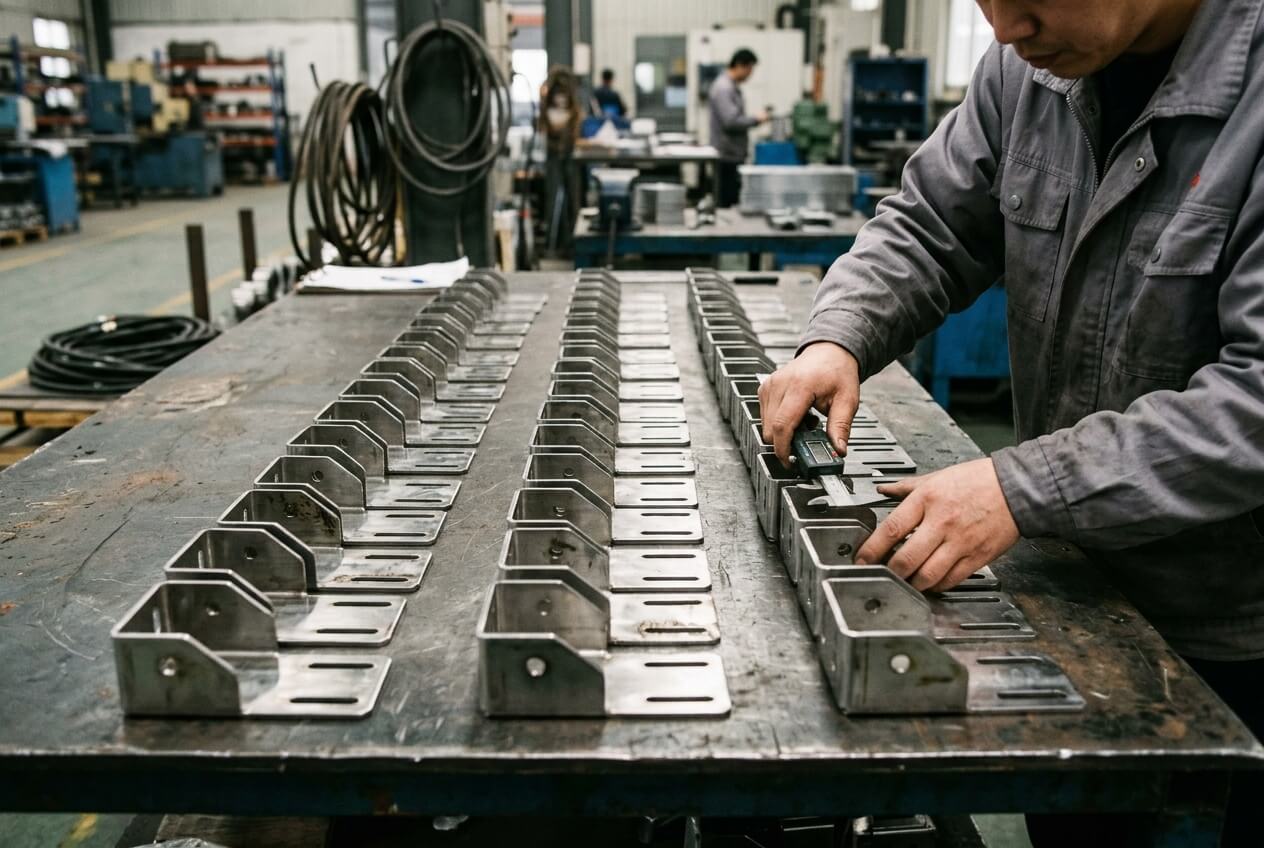
Two suppliers can quote the same drawing and deliver different products. The difference often comes from silent assumptions about the approved prototype. Procurement teams see the price gap first. Production teams see the real gap later, when parts do not assemble cleanly.
One supplier may quote casting with tooling, machining, surface repair, and painting included. Another may quote the casting only and list machining separately. One sheet metal supplier may include welding fixtures, powder coating masking, and first article inspection. Another may assume open tolerances and no mating part test. Both quotes may look complete unless the RFQ forces the same delivered condition.
Prototype approval can make this worse. Once the buyer approves a sample, each supplier may interpret the approval differently. One treats it as a visual standard. Another treats it as a dimensional standard. A third treats it as permission to use manual correction when needed. Without written notes, the approved sample becomes an argument instead of a control reference.
Clarify what the sample controls
Before releasing a batch order, buyers should define the role of the sample. Does it control appearance only? Does it control function? Does it set a limit for weld marks, surface texture, corner radius, color, gloss, or door gap? Does it override the drawing, or does the drawing remain the master?
This question matters because samples often include deviations. A prototype may use substitute hardware, a temporary weld length, a different powder coating gloss, or a hand-filed slot. If those details should not repeat, the buyer must say so. If the changes improve the part, the drawing revision should capture them.
Cost drivers also become clearer at this stage. Casting cost may depend on tooling complexity, machining time, scrap allowance, surface repair, and inspection. Sheet metal cost may depend on laser cutting time, bending complexity, weld length, fixture needs, grinding standard, masking, coating, and assembly checks. A quote that names these items gives buyers a better basis for comparison than a single attractive unit price.
Supplier communication should stay specific. Instead of asking whether the supplier can make the part, ask how the supplier will reproduce the approved condition. Request process notes, inspection points, fixture plans, coating masking details, and first batch reporting. Clear questions reduce late email loops and prevent suppliers from guessing what the buyer will accept.
What Buyers Should Freeze Before Releasing Production
Prototype approval should trigger a production freeze review. This review protects the buyer from paying for a batch that matches the supplier’s assumptions rather than the buyer’s assembly need. It also helps compare casting and sheet metal fabrication on a fair basis.
Start with the drawing revision. Update every prototype change that affects fit, function, finish, or inspection. If a bracket hole moved during testing, revise the drawing. If a cabinet door needed extra clearance after powder coating, record the new gap. If a welded assembly required a fixture to hold squareness, confirm that fixture before production.
Next, freeze material and thickness requirements. Casting and sheet metal use different process logic, so buyers should not assume that similar appearance means similar function. For sheet metal parts, material thickness affects bending, stiffness, hole distortion, welding heat, and coating behavior. For cast parts, alloy choice and casting method affect shrinkage, porosity, machinability, and surface finish.
Then define the few tolerances that control risk. Avoid tightening every dimension. That increases cost without improving the product. Focus on holes that locate mating parts, surfaces that seal, rails that carry internal modules, feet that contact a mounting plane, and gaps that affect doors or covers. This gives suppliers room to manufacture efficiently while protecting the features that matter.
Finish expectations need the same discipline. Mark visible surfaces, functional surfaces, and masked areas. Note threaded holes, grounding points, sliding contact zones, gasket faces, and latch areas. Powder coating thickness can change fit, so the inspection plan should include post-finish checks where clearance matters.
Finally, agree on first batch evidence. Photos help, but they rarely prove fit. Ask for inspection records on critical dimensions, finish confirmation, and assembly checks with mating parts where possible. For high-risk parts, approve a first article before the full batch continues.
If your team is deciding between casting and custom sheet metal fabrication, send Yishang the drawing revision, material requirements, quantities, critical tolerances, finish expectations, prototype notes, and mating part photos. A focused review can identify where bending, welding, powder coating, assembly, or inspection assumptions should be clarified before you release the batch order.
Frequently Asked Questions
What is metal casting in an OEM sourcing decision?
Metal casting forms a part by pouring molten metal into a mold and letting it solidify. In sourcing, buyers should look beyond the definition. They need to confirm whether the casting can repeat the required fit, surface, machining, and assembly condition in batch production.
Why can prototype approval create risk before batch production?
A prototype may pass because the supplier repaired, machined, polished, adjusted, or hand-selected it. Unless the buyer records how that condition will repeat, the batch order may rely on manual correction instead of controlled production.
When is sheet metal fabrication lower risk than casting?
Sheet metal often lowers risk for cabinets, enclosures, brackets, access panels, frames, and welded assemblies that depend on holes, bends, doors, rails, and removable covers. It can also support design changes more easily before fixtures and production controls are frozen.
What should an RFQ include when comparing casting and sheet metal quotes?
The RFQ should include drawing revision, material and thickness, quantities, critical dimensions, mating part details, finish expectations, inspection priorities, and prototype requirements. These details help suppliers quote the same delivered condition.
How does powder coating affect prototype-to-batch consistency?
Powder coating adds thickness around slots, hinges, latches, threaded holes, and sliding surfaces. A prototype may fit after manual adjustment, but batch parts can become tight if masking and post-coating inspection are not defined.
What should buyers freeze before releasing a production order?
Buyers should freeze the drawing revision, material, thickness, critical tolerances, finish requirements, approved deviations, fixture needs, inspection points, packaging needs, and assembly checks. This turns the approved prototype into a controlled production reference.