
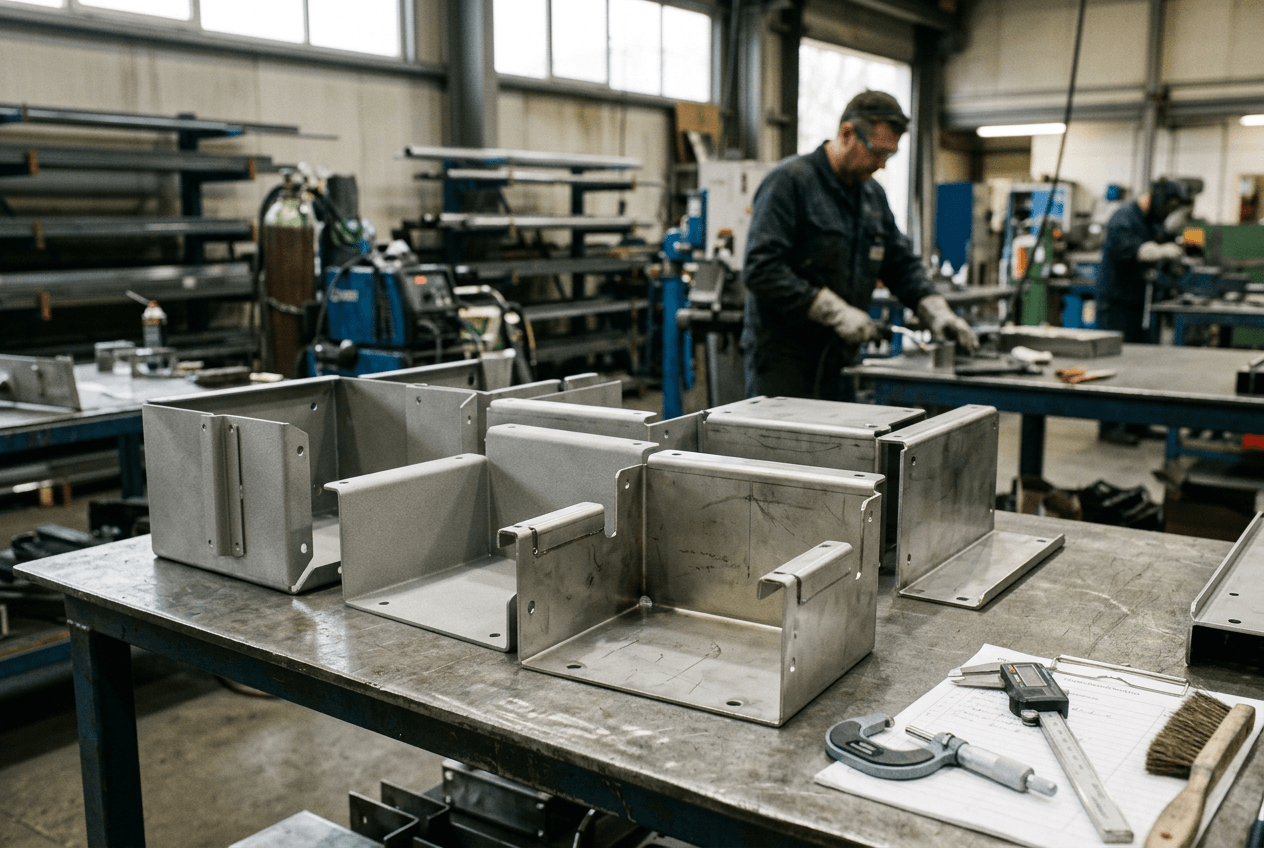
A buyer sends a sheet metal enclosure RFQ with one line: sand blast before powder coating. That short note looks simple, but it often creates the biggest quote risk in the job. One supplier assumes a light clean-up blast. Another prices full coverage on every visible face. A third adds masking, cleaning, inspection, and extra handling. The result looks like a price gap, but the real problem is scope ambiguity.
So, what is sand blasting in sheet metal fabrication? It is an abrasive blasting process used to remove scale, light contamination, and oxide while creating a surface profile for coating adhesion or a specific cosmetic texture. In production, the blast decision can affect roughness, hole cleanliness, assembly fit, and the final look after coating. If the drawing does not define the blast intent, the quote usually fills in the blanks with supplier assumptions.
Where a Sand Blasting Note Turns Into a Quote Assumption
Sand blasting becomes a procurement risk when the RFQ only names the process and never defines the purpose. A supplier cannot tell whether the buyer wants rust removal, coating prep, or a uniform matte finish. That missing context changes labor, masking, cleaning, and inspection. It also changes whether the job runs as a quick preparation step or as a controlled cosmetic operation.
This is why two quotes for what looks like the same cabinet door can vary so much. A small laser-cut bracket may only need a fast blast to remove weld discoloration. A customer-facing enclosure panel may need protected logo areas, taped threads, cleaned grounding points, and careful coverage on the outer faces only. The second version costs more because the supplier must control the process, not just run it.
What the supplier hears from a vague note
When a drawing says only “sand blast,” the shop usually has to guess the target. Should it blast all sides? Should it protect inside surfaces? Should it leave holes clean for PEM hardware? Should it keep cosmetic faces uniform after powder coating? Each unanswered question creates a different work order in the estimator’s mind. That is where quote spread starts.
For example, a welded frame for an equipment base may look straightforward. If the buyer wants only adhesion improvement before coating, the shop can price a basic prep step. If the frame includes machined pads, leveling feet, or contact surfaces that must stay clean, the blast scope gets more complicated. The quote rises because the labor risk rises with it.
Why the same part gets different prices
The cost difference usually comes from the hidden tasks around the blast itself. Masking takes time. Cleaning trapped media takes time. Inspecting threads and recesses takes time. Rework takes even more time. If the buyer never marks those features, each supplier decides its own protection plan. Some will assume minimum work. Others will assume the safest and most expensive path. Neither quote is wrong, but only one may match the buyer’s intent.
A clean RFQ should therefore say more than “sand blasting required.” It should explain whether the blast prepares the part for powder coating, supports a specific cosmetic standard, or removes fabrication residue before assembly. That one sentence can change the entire pricing logic.
Why Blasting Scope Affects More Than Surface Appearance
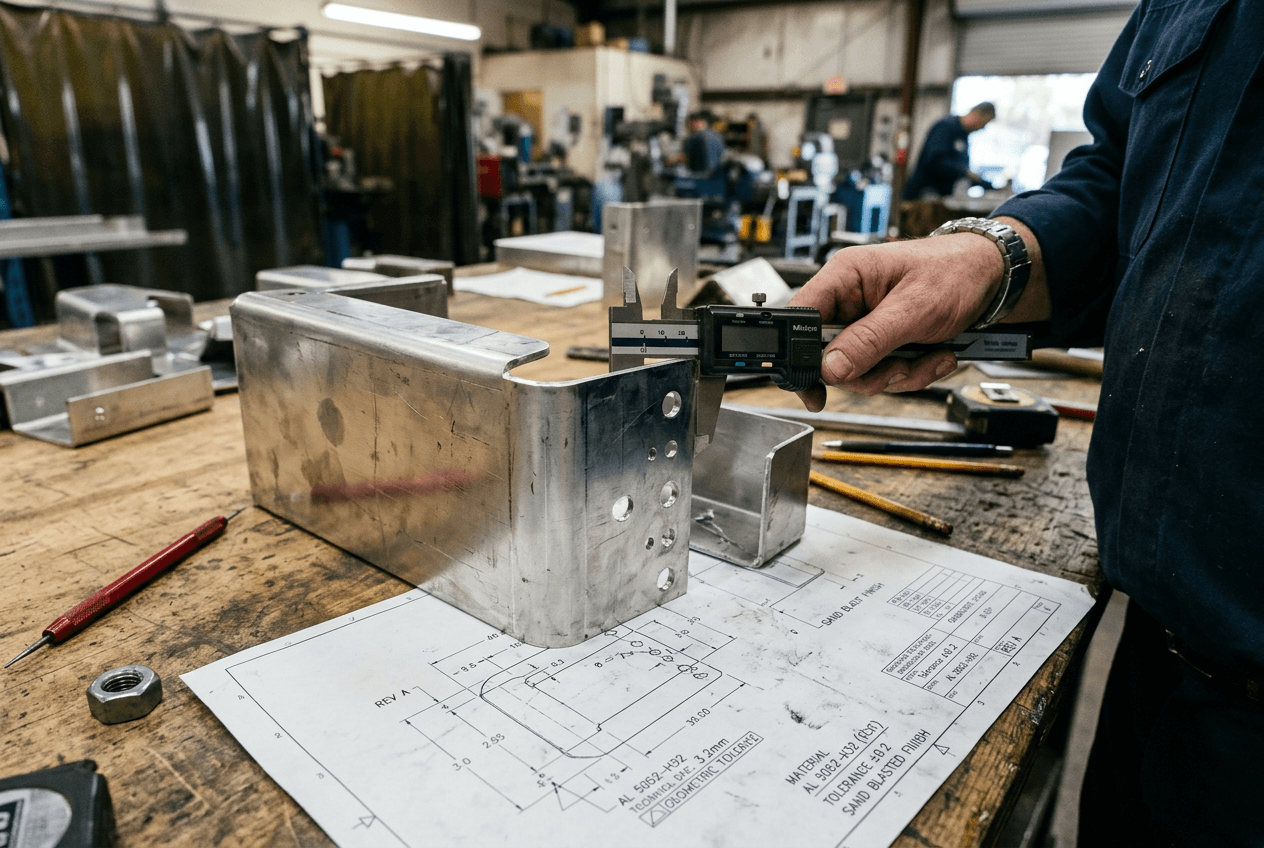
Many buyers think of blasting as a finish decision. In sheet metal fabrication, it also affects fit-up and inspection. Media can lodge in holes, corners, seams, and vent slots. Aggressive blasting can soften edge feel on thin flanges or change the way parts sit together after coating. If the part includes hinge holes, PEM hardware, locators, or tight assembly points, the blast step becomes a functional issue, not just a visual one.
That matters because the quote does not stop at the blast booth. The supplier must decide what to protect, what to clean again after blasting, and what to check before it moves to coating or assembly. If those steps are not clear at RFQ stage, the job may still look correct on paper while becoming difficult in the shop.
Fit-critical features need a different callout
On a control box, the outer skins may want a consistent matte texture, but the inside could need cleaner handling. Threads, grounding points, and alignment holes should stay free of media. If the buyer does not mark those areas, the supplier may blast them anyway and discover the issue only during assembly. Then the job needs extra rework, and the schedule slips even though the part dimensions never changed.
A practical example is a powder-coated access door. One buyer may want a uniform finish for the customer-facing side only. Another may expect both sides to match. If the drawing does not separate cosmetic faces from hidden faces, the supplier may overquote to protect itself. That overquote often looks like poor pricing, but it actually reflects missing information.
Project example: enclosure with hardware inserts
A buyer once requests a set of electrical enclosures with press inserts and a sand-blasted exterior. The first quote assumes full-face blasting and standard masking. The second quote adds protection for the inserts, the label area, and the grounding stud. The price jump looks large until the buyer realizes the inserts must stay clean for assembly and the label area must remain readable after coating. The cheaper quote would likely have needed rework.
That is the main consequence chain. The ambiguity starts in the drawing note, moves into the estimator’s assumptions, then shows up later as extra labor, assembly delays, or a finish that does not match the approved intent.
How Finish Expectations Drift After the First Prototype Is Approved
Prototype approval creates false confidence when the buyer does not freeze the blasting method. A prototype often gets extra care. The operator may spend more time masking it, choose fresh media, or clean it more thoroughly. Then the batch order starts, and the finish shifts. The texture may look heavier. Weld shadows may show more clearly. Recessed areas may hold more residue. The dimensions may still pass, but the visual result no longer matches the sample.
This drift happens often in sheet metal enclosures, brackets, frames, and welded assemblies. The buyer thinks the sample has locked the process. In reality, it only approved one part from one setup on one day. Without process notes, the production run can still change.
What changes between sample and batch
Several small differences can move the finish. Media wears down during production. Operators may switch masking methods. Weld count can change because the batch uses a different fixture or sequence. Cleaning may be faster when the order size grows. Any one of those changes can alter the final look enough to trigger buyer concern.
This is why a prototype should not only confirm appearance. It should also confirm the exact blast media, masking locations, cleaning step, and coating route. If the sample passed because the process was unusually careful, the buyer should not treat that result as a free pass for mass production.
Project example: welded frame for a machine base
Consider a welded frame that receives sand blasting before powder coating. The prototype looks smooth and acceptable. The batch then shows a darker texture near the welds and more visible shadowing on the corners. The issue is not the frame geometry. The issue is that the batch used a faster blast setup and less finishing attention. If the buyer had tied acceptance to the same process details, the shift would have been easier to catch before release.
A review step from a manufacturing partner such as Yishang can help here, but only if the buyer sends the sample notes, the drawing, and the intended production route together. Otherwise, even a good prototype can mislead the release decision.
What to Lock Down in the RFQ Before You Compare Blasting Quotes
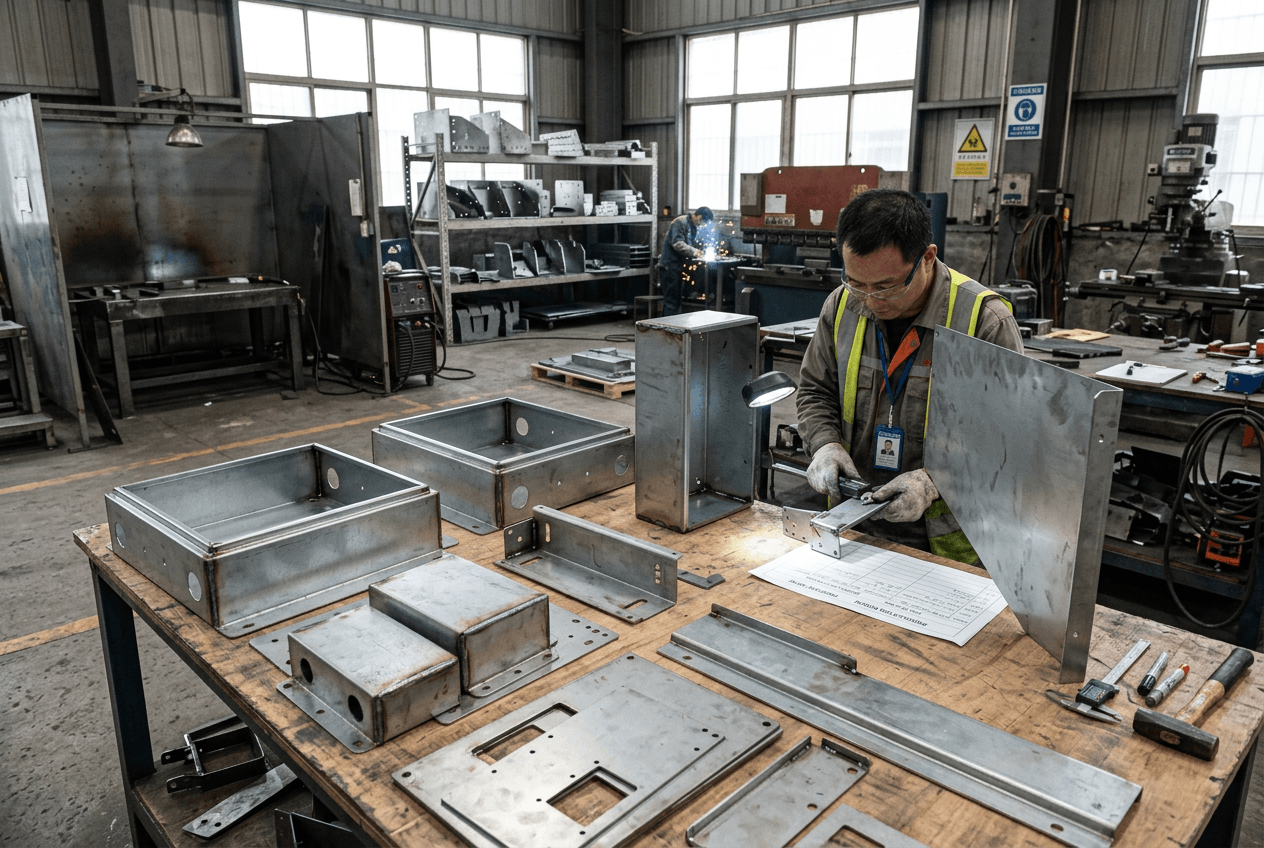
Buyers do not need a long specification, but they do need a precise one. The RFQ should explain why the part needs blasting and which features the supplier must protect. That simple distinction helps the quote match the actual work. It also reduces the chance of surprise charges after the order starts.
For sheet metal parts, the most useful details are usually the ones that define scope, not just finish. State whether blasting is for coating adhesion, cleanup after welding, or cosmetic appearance. Mark which faces matter most. Identify holes, threads, inserts, and contact points that must stay clean. If the part has a bend sequence or assembly order that affects access, say so early.
Three details that prevent most pricing disputes
First, mark cosmetic and hidden surfaces directly on the drawing. Second, define protected features with clear no-blast notes. Third, attach a photo or sample if the surface tone matters after coating. Those three items remove a large amount of guesswork.
Quantity matters too. A one-off prototype can justify careful handling that would be too expensive for a 500-piece batch. Material and thickness matter as well because they affect how aggressively the shop can blast without creating unwanted edge feel or cleanup work. None of these items should be buried in an email thread if the buyer wants comparable quotes.
When you send Yishang a drawing for a cabinet, bracket, frame, or welded assembly, include the material, thickness, quantity, tolerance notes, finish expectation, and any no-blast areas. That gives the quoting team enough context to price the real process instead of a guess.
How to Brief the Supplier So the Quote Matches Production Reality
The best RFQ language is short, specific, and tied to the part function. A supplier should know what the blast must achieve and what it must not touch. That is more useful than a generic finish line on its own. It also helps the buyer compare suppliers on the same basis, which is the real goal when the quote arrives.
For example, if the part will later be assembled with hinges, fasteners, or electrical contact points, say so. If the visible face must match a reference sample, say that too. If the buyer expects powder coating after blasting, note whether the blast must support adhesion only or also control final texture. That one decision changes media choice, pressure, coverage, and inspection effort.
Buyers often save time by asking one simple question before releasing the RFQ: “What would make this blast job more expensive or more risky for assembly?” The answer usually reveals the hidden assumptions that cause quote spread later. It also helps the buyer decide where to spend a little more time on the drawing and where not to over-specify.
If the project needs a drawing review or prototype check, Yishang can compare the blasting note against the part geometry, welding condition, and coating plan before production starts. That is most useful when the buyer wants the quote to reflect actual shop work, not a generic surface treatment.
Before you request pricing, send the drawing, material requirements, quantities, tolerances, and finish expectations together. Add photos, sample references, and any prototype notes if you have them. The more the supplier can see, the less it has to assume. That is how buyers avoid paying for the wrong blast scope, the wrong cleanup level, or the wrong finish target.
Frequently Asked Questions
What is sand blasting in sheet metal fabrication?
It is an abrasive cleaning and profiling process used before coating or assembly. In sheet metal work, it removes scale, light contamination, and oxide, and it can also create a uniform texture. The buyer risk comes from scope. If the RFQ does not define the goal, suppliers may price different blast levels.
Can sand blasting affect fit on sheet metal parts?
Yes. Media can stay in holes, seams, slots, and corners. Aggressive blasting can also change the feel of thin edges and flanges. That matters on brackets, enclosures, and welded assemblies with hinge holes, inserts, or other fit-critical features.
Why do two suppliers quote the same blasting note so differently?
They usually make different assumptions. One may price a light prep blast, while another includes masking, cleaning, inspection, and cosmetic control. The quote gap often reflects missing RFQ detail, not pricing inconsistency.
What should buyers mark on the drawing before requesting a blasting quote?
Mark cosmetic faces, no-blast zones, threads, inserts, grounding points, and any contact surfaces that must stay clean. If the part has a critical bend sequence or assembly order, note that too. Those details help the supplier price the actual work.
Why can a prototype look fine while the batch finish changes?
Prototypes often get more careful masking, fresher media, and slower handling. Batch production can use a different setup or faster cleaning step. That shift changes texture, shadowing, and residue levels even when dimensions stay the same.
What should I send with the RFQ for a blasted cabinet, bracket, frame, or enclosure?
Send the drawing, material, thickness, quantity, tolerance notes, finish expectations, sample photos, and any prototype notes. If the part will be powder coated, include that plan and identify the faces or features that need protection. That helps the shop quote the real process and reduce production surprises.