
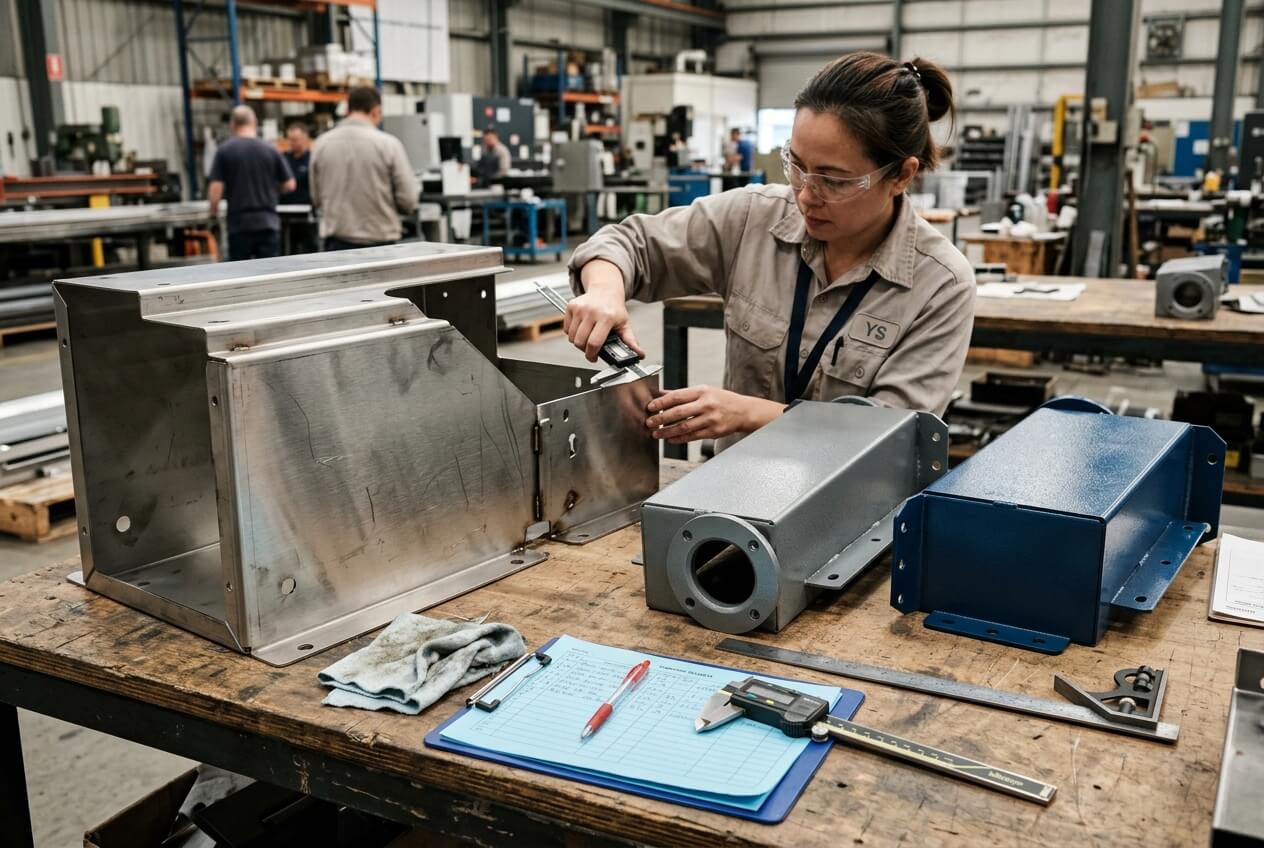
A buyer may ask, what is submerged arc welding, after seeing it listed in a quote for a heavy cabinet base, welded equipment frame, skid, or large metal enclosure. The short answer helps, but it does not protect the purchase order. Submerged arc welding, or SAW, uses a continuously fed electrode and granular flux to shield the arc and weld pool. It can produce strong, efficient welds on suitable long seams and heavier sections.
The bigger sourcing problem starts when the RFQ treats SAW as a complete manufacturing instruction. It is not. The process name does not define weld height, slag cleanup, grinding level, distortion control, coating preparation, inspection points, or final visible appearance. Two suppliers can quote the same drawing and both write “SAW,” yet they may price completely different work.
That gap creates the dominant procurement risk: quote assumptions around the finished weld condition. A low quote may exclude cleanup that the buyer expects. A prototype may look acceptable because workers hand-finished it. Batch parts may then fail because the production route leaves visible weld reinforcement, powder coating defects, or assembly interference. The rejection often appears at coating, inspection, or final assembly, but the cause sits inside the RFQ.
“SAW” in a Quote Does Not Define the Finished Weld Condition
Submerged arc welding sounds precise, but it only names the welding process. During SAW, granular flux covers the arc and molten weld pool. This shielding helps reduce spatter and supports stable welding. Technical references from welding organizations often describe SAW as productive for long, straight welds, especially in flat or horizontal positions.
Procurement teams should not confuse process productivity with finished-part acceptance. SAW can produce a sound weld and still create a surface that fails the buyer’s finish standard. Flux must be removed. Slag can remain in corners if workers do not clean carefully. Weld reinforcement may sit above the surface. Heat can pull a frame out of square.
Structural acceptance can hide cosmetic risk
A welded frame may pass a structural check but still fail customer approval after powder coating. The reason is simple. Powder coating adds color and protection, but it does not erase a raised bead, grinding wave, sharp weld toe, or slag mark. Gloss coatings can make these issues more visible.
For example, a buyer orders a powder coated machine base with SAW on the underside and side rails. The supplier assumes normal slag removal only. The buyer expects visible seams to look smooth after coating. The first production batch passes weld strength checks, then fails the customer’s visual inspection. The dispute does not start in the powder booth. It starts with an RFQ that never separated hidden structural welds from visible cosmetic welds.
Drawings should mark A-surfaces, semi-visible surfaces, and hidden surfaces. They should also state which welds may remain as-welded and which need blending or flush grinding. Without those notes, suppliers protect themselves with different assumptions. That makes prices hard to compare and quality hard to enforce.
Ambiguous Weld Cleanup Changes the Real Price of Frames, Cabinets, and Enclosures
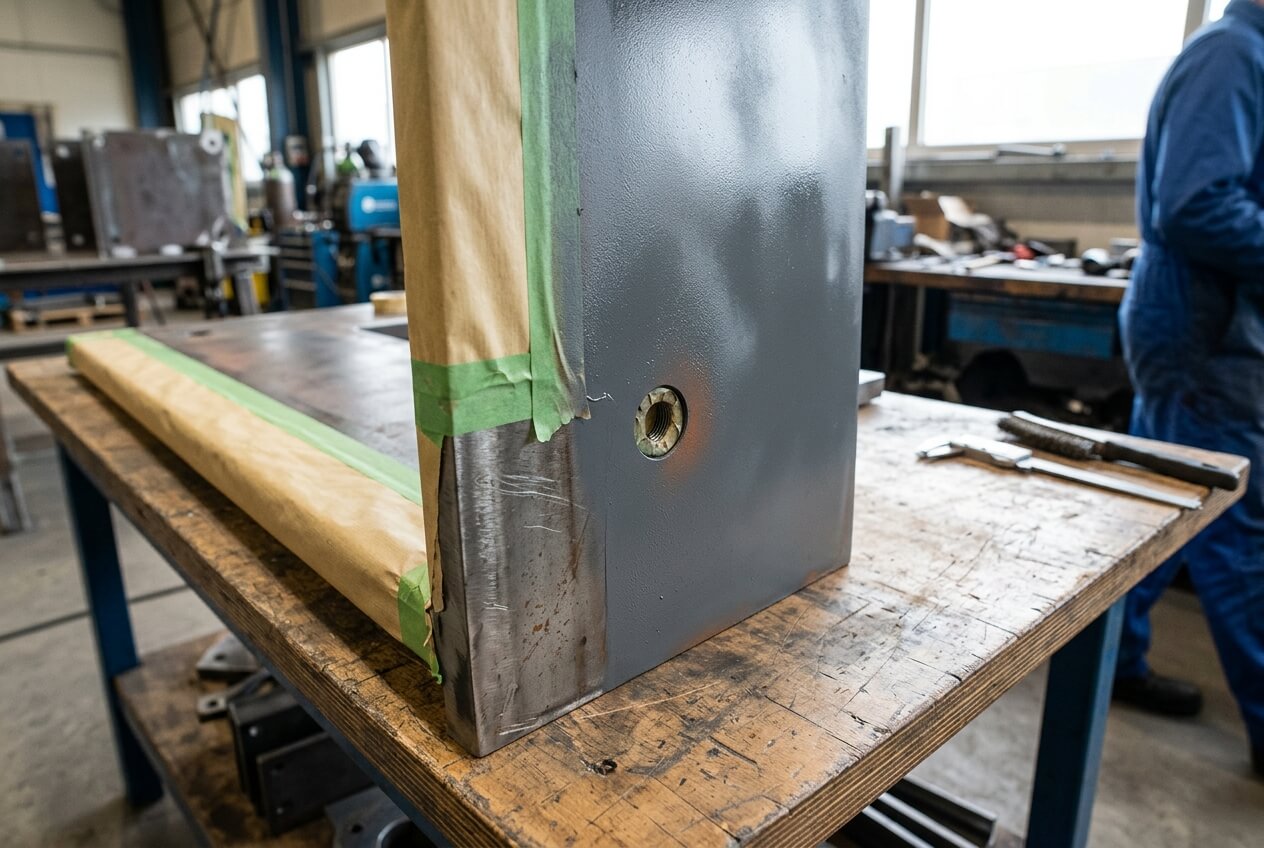
SAW can lower weld time on the right work, but weld time rarely equals total fabrication cost. The real cost may include bevel preparation, tack welding, fixturing, flux handling, slag removal, inspection, straightening, grinding, blasting, masking, coating, packaging, and rework allowance. If the RFQ only says “submerged arc welding,” each supplier decides which of those steps to include.
This causes a familiar sourcing problem. One quote looks cheaper because it prices the weld operation and basic cleaning. Another quote looks higher because it includes fixture time, controlled grinding, coating preparation, and dimensional checks after welding. Procurement may choose the lower number, then pay later through delays, rework, or rejected parts.
Project example: heavy electrical cabinet base
Consider a 1,800 mm wide electrical cabinet base made from cut, bent, and welded steel members. The base supports enclosure panels, doors, and internal mounting rails. A supplier proposes SAW for long seams to improve welding efficiency. That decision may work well if the base has enough thickness and the welds sit in suitable positions.
The risk appears when the RFQ does not define the weld envelope. A raised bead near a removable cover plate can block assembly. Extra grinding near a door opening can change local flatness. Slag left near a corner can affect blasting and powder adhesion. None of these issues change the basic answer to “what is submerged arc welding,” but they decide whether the cabinet passes final inspection.
Buyers should clarify weld profile limits near covers, fasteners, hinges, locks, slots, rails, and mating panels. They should also state whether the supplier may straighten the base after welding. If straightening is allowed, the RFQ should define the final flatness, diagonal, and hole alignment requirements.
Project example: welded industrial frame
A machine builder may source a long welded frame with thick side rails and CNC-cut mounting plates. SAW can suit the long rail seams. However, the assembly depends on accurate hole positions. If the frame pulls during welding, the mounting plates may no longer align with motors, guards, or leveling feet.
In this case, the buyer does not only need a welding method. The buyer needs a fixture and inspection assumption. The supplier should know the required diagonal tolerance, flatness at mounting pads, and hole-to-hole alignment before quoting. Otherwise, one supplier may include a rigid fixture and post-weld inspection, while another may quote a lighter production route.
Weld Appearance Must Be Linked to Coating and Assembly Fit Before Quotation
Many SAW-related disputes look like finish problems at first. A powder coated surface shows a raised seam. A painted corner shows a slag mark. A bracket will not seat because the weld bead enters the clearance zone. These problems seem different, but they share one cause: the RFQ did not connect weld condition to downstream acceptance.
Finish notes often focus on color, gloss, texture, and coating thickness. Those details matter, but they do not control the surface under the coating. A coating supplier cannot fully hide poor blending, contamination, undercut edges, or uneven weld reinforcement. The fabrication route must prepare the weld zone before surface treatment.
Coating expectations need weld-zone language
A useful RFQ should identify which welded areas need special preparation before powder coating, painting, or other finishing. It should state whether weld toes can remain visible. It should also define where grinding marks may appear and where they cannot. If the part uses textured powder, the buyer should still avoid assuming that texture will hide all weld features.
For metal enclosures, welded cabinets, display frames, and equipment housings, buyers should provide photos or marked drawings showing customer-facing surfaces. A front face and an underside should not carry the same finishing cost. This distinction helps suppliers quote honestly and prevents a low price from hiding missing labor.
Yishang can review fabrication drawings with weld visibility, powder coating, and assembly fit in mind. That review works best when buyers send the drawing package before they lock the welding process. The goal is not to force SAW or reject it. The goal is to define the finished condition that the quote must include.
Assembly clearance needs more than a weld symbol
Weld symbols help define size and location, but they may not show real clearance risk. A bead that meets the weld callout can still interfere with a sliding panel, bolted bracket, cable duct, gasket, hinge leaf, or removable cover. SAW reinforcement can become a problem when the assembly envelope is tight.
Procurement should include mating component drawings when fit matters. If those files are not available, the RFQ should at least identify restricted zones. Simple notes can prevent expensive rework: “No weld reinforcement above this plane,” “keep bead clear of slotted hole,” or “grind flush within marked cover seating area.” These notes also help suppliers select between SAW, MIG, TIG, or a mixed welding route.
Prototype Approval Can Freeze the Wrong Assumption for Batch Production
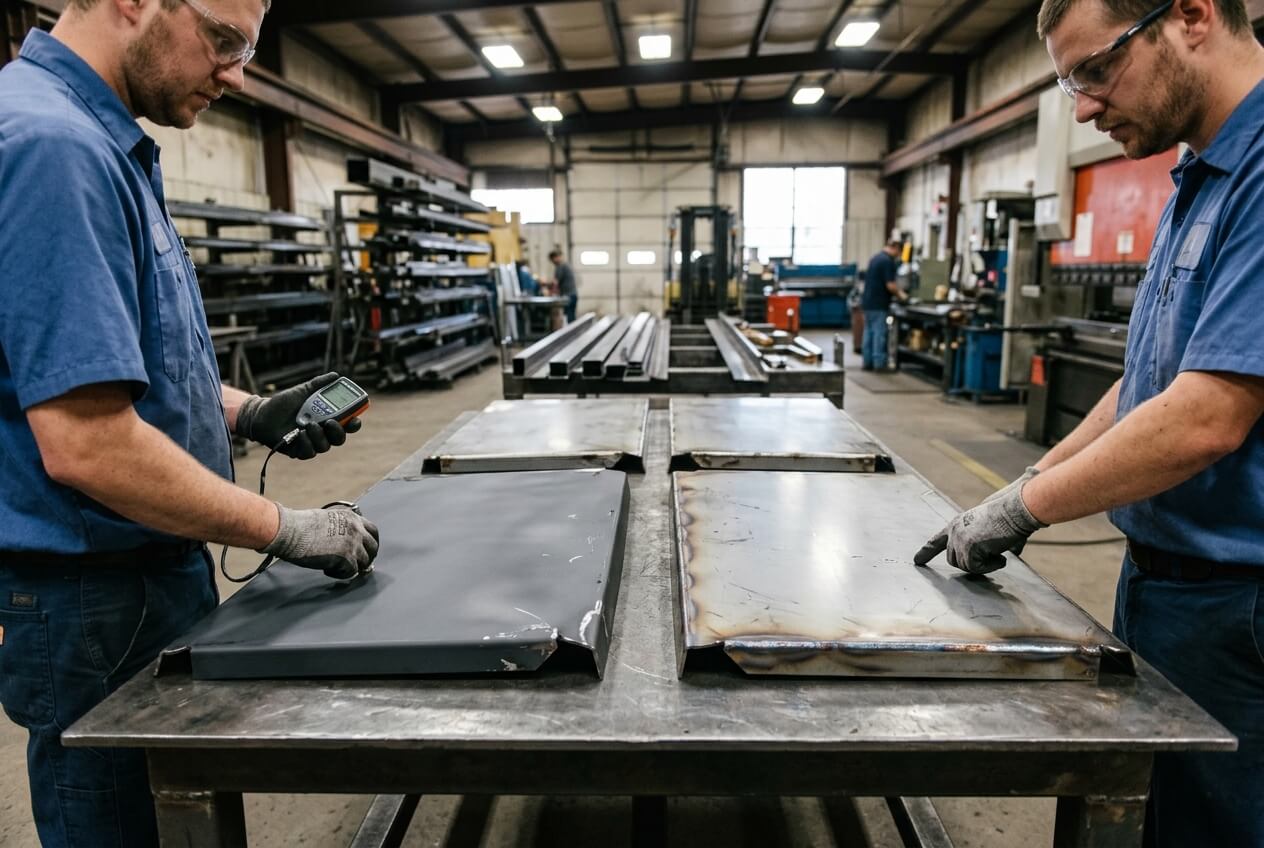
A prototype can reduce risk, but it can also create false confidence. Many prototypes receive extra manual attention. Workers may hand-grind visible welds, adjust frames, or correct fit issues one piece at a time. Batch production may use different fixtures, different welding sequences, or a more mechanized route such as SAW.
If the buyer approves only the prototype appearance, the approval record may not control the batch method. Production parts can then look different while still meeting the basic drawing. This frustrates buyers because the supplier can argue that the parts meet the stated requirements. The buyer expected the sample’s finish, but the RFQ never defined it.
What the approval record should capture
For welded assemblies, the approval record should include more than final coated photos. It should record which seams were welded by which process, which welds were ground, which welds remained as-welded, and where coating thickness was checked. Photos before coating help a lot because they show the real weld condition under the finish.
A buyer sourcing a batch of welded brackets may approve a hand-finished prototype. Later, the batch supplier uses SAW or a combined welding route for longer seams. The parts hold strength, but the bracket faces show visible weld transitions after coating. If the approval did not define weld blending, the buyer has weak grounds for rejection.
Batch consistency also depends on fixturing. A one-piece prototype may receive manual straightening until it fits. A 300-piece order needs a repeatable method. The RFQ should state final tolerances, inspection frequency, and whether the supplier must report any welding process change after sample approval.
Lead time also connects to this risk. If buyers discover finish or fit assumptions after production starts, they lose time to rework, recoating, sorting, or remaking parts. A clear RFQ may add review time before quotation, but it reduces schedule risk after purchase order release.
Clarify the Rejection Standard Before Comparing SAW Quotes
The safest buying approach does not require buyers to become welding engineers. It requires them to define what would cause rejection. SAW may be the right answer for thick, long, suitable seams. It may also be unnecessary or risky for thin cosmetic sheet metal parts, small brackets, or complex multi-position assemblies. The supplier should have room to recommend the process, but not room to guess the acceptance standard.
A strong RFQ should include the material grade and thickness, annual and prototype quantities, drawing tolerances, mating part information, cosmetic surface marks, finish expectations, and inspection requirements. It should also identify any areas where weld reinforcement cannot interfere with assembly. These details let suppliers price the same finished result, not just the same weld length.
For custom sheet metal fabrication, buyers should avoid writing only “welded and powder coated.” That phrase leaves too much open. Instead, they can state: “Supplier may recommend SAW, MIG, TIG, or mixed welding, but must identify visible welds, cleanup level, grinding assumptions, distortion control, coating preparation, and inspection points.” This wording supports manufacturability while reducing hidden quote differences.
Supplier communication should focus on assumptions before price comparison. Ask what the quote includes for slag removal, weld blending, fixture control, straightening, coating preparation, and dimensional inspection. Request photos of similar finished weld zones when cosmetic approval matters. If the quote changes after clarification, that is useful information. It shows which cost was previously hidden.
If your project includes heavy frames, cabinet bases, metal enclosures, brackets, or welded assemblies, send drawings, material requirements, quantities, tolerances, and finish expectations to Yishang for fabrication review. Include prototype notes, assembly photos, and any rejected sample examples if available. A clearer RFQ helps the quotation reflect weld cleanup, coating acceptance, assembly fit, and batch consistency before production starts.
Frequently Asked Questions
What is submerged arc welding in sheet metal fabrication?
Submerged arc welding is an arc welding process that uses a continuously fed electrode under granular flux. The flux shields the arc and weld pool. In procurement, the process name alone does not define cleanup, grinding, distortion control, coating preparation, or final weld appearance.
Why can two SAW quotes for the same welded frame differ so much?
Suppliers may include different assumptions. One may price only welding and basic slag removal. Another may include fixturing, straightening, flush grinding, blasting preparation, coating checks, and dimensional inspection. Buyers should define the finished weld condition before comparing prices.
Can submerged arc welding cause powder coating rejection?
Yes, if the RFQ does not define the weld surface under the coating. Raised reinforcement, slag residue, rough blending, or grinding waves can show through powder coating. Mark visible surfaces and state which welds need controlled grinding or blending.
Should buyers specify SAW for every heavy welded assembly?
No. SAW can suit long, thick, flat or horizontal seams, but it may not suit every part. Thin enclosures, tight cosmetic areas, small brackets, and complex assemblies may need MIG, TIG, spot welding, or a mixed route. Let the supplier recommend the method, but define the acceptance standard.
What should a prototype approval record include for SAW-related parts?
It should include photos before and after coating, weld process notes, grinding requirements, visible weld locations, coating checks, final tolerance results, and any allowed process changes for batch production. This helps prevent a hand-finished prototype from setting unclear batch expectations.
What information should I send for an RFQ review?
Send 2D drawings, 3D files if available, material grade and thickness, quantities, tolerances, finish expectations, cosmetic surface marks, assembly photos, and prototype comments. These details help the fabricator quote the finished part rather than guessing weld cleanup and inspection requirements.