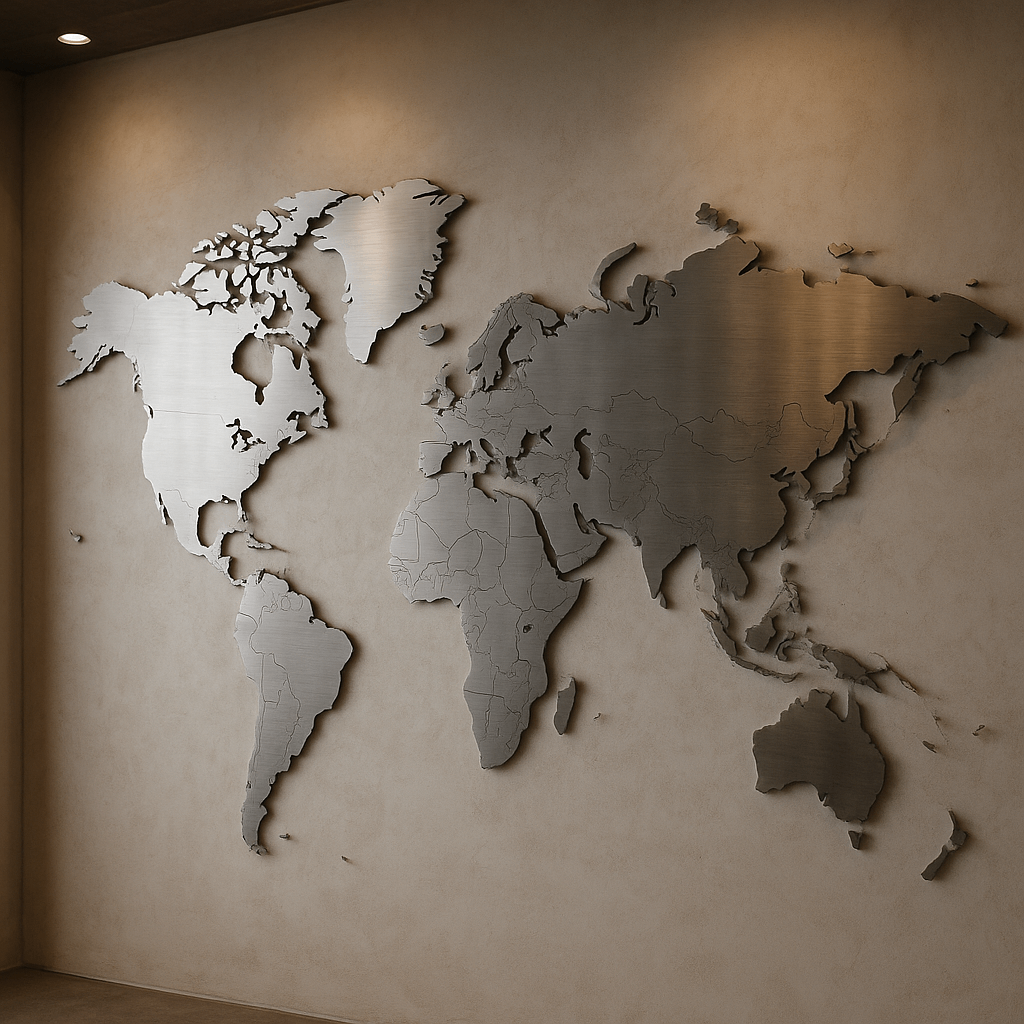
Introduction: Capitalizing on the Shift to Permanent Decor
The global interior design market is undergoing a fundamental shift. Commercial and residential clients are moving away from disposable decor, creating strong demand for durable, high-value pieces that serve as integral architectural features. This evolution presents a significant opportunity for wholesale buyers and distributors to offer investment-grade metal art that delivers lasting quality and commands a higher price point.
This guide is engineered for the discerning professional—the interior designer, procurement agent, and wholesale buyer. It is a comprehensive technical and creative roadmap for commissioning custom metal wall art. We will delve into the full production journey, from translating a client’s concept into a manufacturable design to the nuanced fabrication techniques and post-installation strategies that define a high-quality, long-lasting piece. This is your definitive resource for understanding and capitalizing on the growing demand for bespoke architectural metalwork.
To learn more about how we support custom architectural projects, explore our OEM & ODM fabrication services.
Part 1: The Vision – Translating a Client’s Idea into a Tangible Concept
Before any machinery is engaged, a successful custom wall art project begins with a robust design and material strategy. For wholesale partners and professional specifiers, the ability to guide a client from abstract vision to build-ready concept is a critical value-add. This discovery phase blends creative interpretation with engineering foresight.
It Starts with a Feeling: What Story Do You Want to Tell?
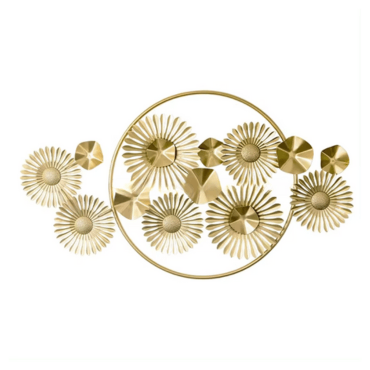
Initial consultations should prioritize purpose over visuals. Instead of diving into metal wall art portfolios, start with strategic intent: What emotional or functional role should this custom architectural wall art serve? The answer drives every material, fabrication, and mounting decision that follows.
For a bold statement in a corporate lobby or hospitality space, abstract metal sculptures or dimensional relief panels command attention and reinforce brand identity. These installations often use large-scale formats, reflective surfaces, and geometric layering to create visual gravity.
For environments focused on wellness or calm, such as spas or residential sanctuaries, nature-inspired metal art—featuring flowing botanical lines or organic silhouettes—introduces biophilic design principles into the space.
And for commercial signage or heirloom family pieces, personalized artwork like custom metal name signs or legacy motifs creates narrative permanence. A well-designed metal installation becomes more than a feature; it becomes part of the architectural story.
The Alchemist’s Palette: Choosing the Right Metal for the Right Message
Once the narrative is clear, selecting the proper substrate becomes critical. For professional buyers, matching aesthetic goals with technical properties ensures the commissioned artwork will age gracefully, endure its setting, and satisfy the brief.
For a breakdown of material performance and coating options, see our metal surface finishing solutions.
- Corten Steel (Weathering Steel): Perfect for outdoor metal wall art installations, corten develops a stable, rust-colored patina that self-seals over time. Ideal for storytelling through natural aging, this alloy is low-maintenance and dramatic in landscaped or industrial environments.
- Stainless Steel: A premium choice for sleek, modern interiors or high-humidity areas. Stainless is corrosion-resistant, structurally rigid, and compatible with mirror polishing, brushing, or bead-blasted finishes.
- Aluminum: For lightweight wall panels or ceiling-mounted artwork, aluminum is an optimal choice. It is easy to shape, corrosion-resistant, and compatible with anodized or powder-coated finishes. Suitable for large-scale metal signage and floating installations.
- Copper & Brass: These warm-toned metals evolve beautifully with age. Copper turns green-blue; brass deepens to rich amber. Both are well-suited for boutique retail interiors, legacy installations, or historical restorations.
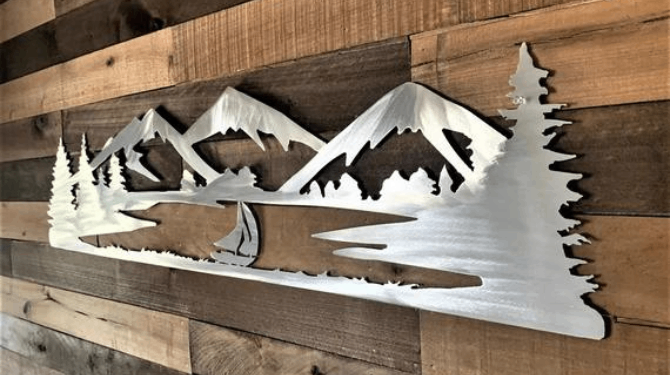
Each metal introduces different fabrication needs and mounting strategies, which should be considered early during the design phase. Understanding the inherent behavior of each alloy—such as thermal expansion, weldability, and oxidation—is essential to ensure performance and appearance across decades.
Case Study: Transforming a Flat Sketch into Sculptural Reality
Consider a commercial entryway project, where the client submitted a two-dimensional botanical sketch meant for simple CNC plasma cutting. The base design was sound but lacked depth.
The fabrication team at YISHANG proposed enhancements: forging selected branches and leaves in solid steel, applying layered assembly, and using TIG welds to create dimension. What began as a decorative panel evolved into a sculptural, architectural-grade metal art centerpiece. The final installation blended surface texture, strategic patina, and three-dimensionality—showcasing how fabrication insight can elevate a flat idea into a lasting legacy piece.
Part 2: The Craft – Metalworking Techniques That Define Quality
Once the design is finalized and materials are selected, transitioning to fabrication is more than mechanical—it is where the artwork begins to take physical form. Every decision during this phase, from precision cutting to final finishing, leaves a lasting impression on the integrity, longevity, and visual appeal of the piece.
To understand our advanced production capabilities, visit our page on custom metal fabrication.

Precision Cutting: Laying the Foundation
The first step in fabrication involves shaping the metal into its fundamental outline. For custom wall sculptures and decorative metal signage, the following cutting methods are commonly used:
- Laser Cutting: Ideal for intricate details and tight tolerances, laser cutting uses focused light beams to melt or vaporize metal. It ensures clean edges with minimal post-processing and is widely used for detailed architectural metal wall art panels.
- Waterjet Cutting: This cold-cutting method employs high-pressure water and abrasive material to slice through metal without heat, preserving structural integrity and finish. Waterjet is preferred for materials like aluminum, copper, or multi-layer panels.
- Plasma Cutting: A cost-effective solution for thicker metals, plasma uses electrically conductive gas to cut. While less precise than laser, it is ideal for rustic outdoor metal wall decor or large-scale structural elements.
Each method involves trade-offs in speed, accuracy, and cost. An experienced fabricator will recommend the right process based on design complexity, material behavior, and visual requirements.
Forming and Assembly: Adding Depth and Dimension
Once cut, metal sheets are shaped and assembled into dimensional structures. In architectural-grade installations, this often includes:
- CNC Bending: Creates clean, angular folds using programmable press brakes, ideal for geometric panels or structural bracketing.
- Stamping & Deep Drawing: These methods form curves, embossments, or bowls from flat sheets, often used in artistic or commercial wall installations where texture adds impact.
- Welding & Joinery: TIG or MIG welding techniques connect sections seamlessly. For clean lines and industrial-grade strength, flawless welds are non-negotiable in custom fabricated art panels.
Proper assembly ensures not only mechanical integrity but also enhances the sculptural narrative—whether evoking motion, volume, or flow.

Surface Finishing: Protection Meets Aesthetics
The final layer of craftsmanship is the surface finish. In both indoor and outdoor wall art applications, the finish must balance durability, maintenance, and visual character:
- Brushed Metal Finishes: Linear abrasions applied with mechanical tools create a matte, directional sheen—perfect for modern corporate environments.
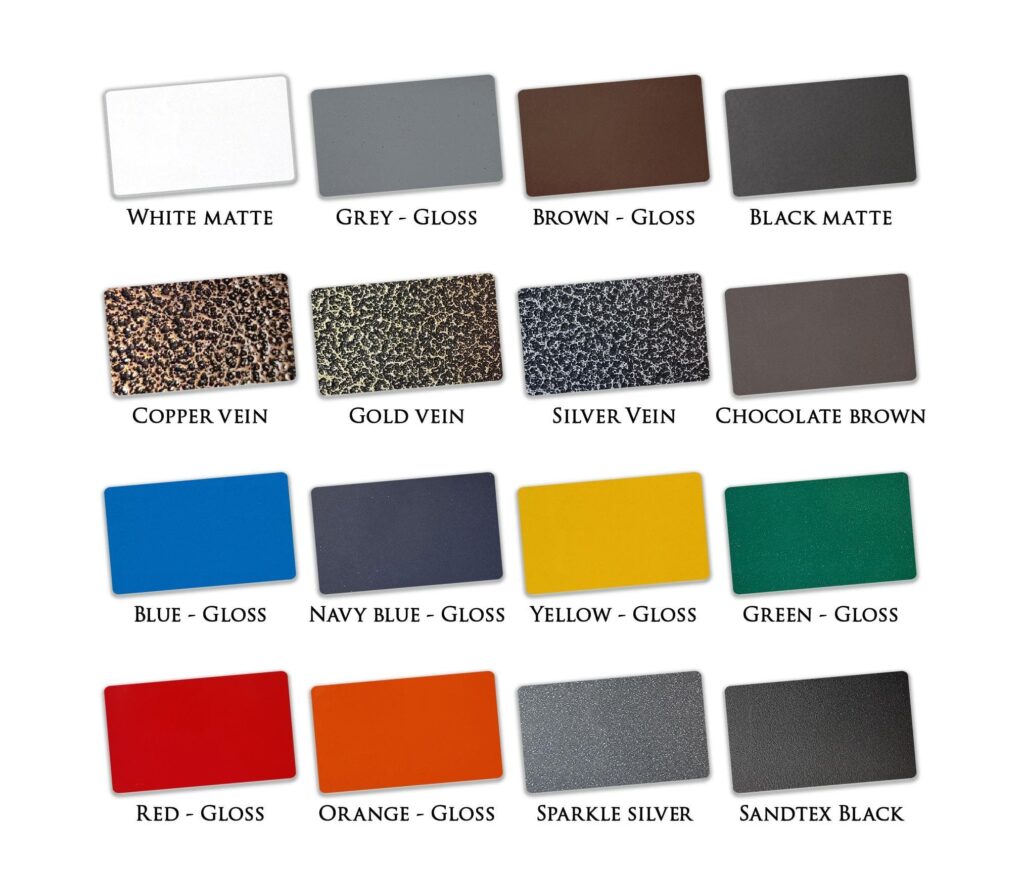
- Powder Coating: Electrostatic pigment coating cured under heat delivers an even, chip-resistant surface in custom colors and textures. Often used for weather-resistant metal signage or outdoor installations.
- Patinas & Flame Coloring: Controlled oxidation or thermal treatment brings out vibrant tones, especially on copper or steel. Ideal for one-of-a-kind gallery pieces or heirloom-grade commercial décor.
Finishes must be matched to installation context. For instance, exterior applications require UV- and corrosion-resistant coatings. Indoor pieces prioritize light interaction, reflectivity, and maintenance ease.
Part 3: The Partnership – Collaborating with a Fabricator
The success of a custom metal wall art installation does not rest on design and materials alone. For wholesale buyers, interior architects, or procurement professionals managing multi-site projects, selecting the right fabrication partner is pivotal. You are not just purchasing a product—you are commissioning a legacy.
Vendor Evaluation: What Makes a Fabricator Suitable?
Look beyond catalog capabilities. Ideal partners for custom architectural metal art fabrication should demonstrate:
- Experience with Decorative and Structural Artworks: Portfolios should include previous metal wall installations, showcasing the ability to handle both engineering-grade integrity and design finesse.
- Multi-Process Competence: From laser cutting to powder coating, a full-service supplier should manage all phases in-house or under strict QA systems.
- Custom Engineering Support: The ability to co-develop CAD files, advise on bracket integration, or simulate structural behavior is a mark of fabrication maturity.
- Scalability: For volume orders or repeat installations across commercial chains or hotels, inquire about production capacity, lead times, and packaging protocols.
At YISHANG, for example, cross-functional teams handle art-to-production transitions with in-house CAD engineers, metal artisans, and quality inspectors—streamlining procurement for B2B clients.
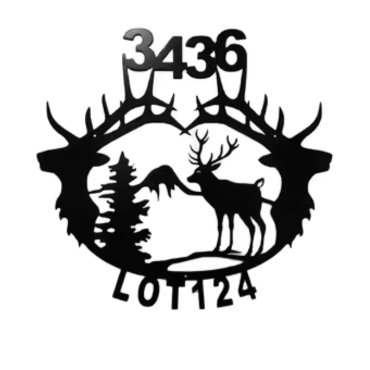
Production Workflow: From Sketch to Shipping
An efficient custom fabrication process typically includes:
- Concept Translation: From sketches, mock-ups, or architectural renderings to digital production drawings.
- Material & Process Confirmation: Based on visual goals, durability needs, and mounting scenarios (e.g., drywall vs. masonry).
- Prototyping or Sampling: Especially for high-profile projects or branded environments, early samples validate texture, color, and assembly.
- Fabrication & Assembly: All cutting, forming, and finishing stages are executed with project-specific tolerances.
- Inspection, Packaging & Logistics: For international clients, crating, labeling, and anti-corrosion packaging are often required.
This workflow ensures consistency across large-scale metal wall decor programs, and minimizes risk during on-site installation.

Pricing Factors and Budget Forecasting
Because no two pieces are alike, custom metal wall art pricing depends on several key drivers:
- Design Complexity: Intricate cut-outs, layered structures, or sculptural effects increase labor and programming time.
- Material Selection: Stainless, corten, and copper differ significantly in raw cost and processing needs.
- Finishing Method: High-polish surfaces, hand-applied patinas, or dual-layer coatings affect both cost and timeline.
- Mounting Integration: Brackets, cleats, or concealed hanging systems add fabrication hours and engineering checks.
For B2B buyers managing rollouts, fabricators like YISHANG often recommend value engineering options—such as modular panelization or batch powder coating—to optimize cost without compromising design fidelity.
Part 4: The Curation – Installation, Lighting, and Long-Term Value
The final phase of a successful commercial metal wall art project is often the most overlooked. Installation quality, lighting design, and long-term preservation all impact how a piece performs in its space. These considerations are particularly critical for B2B buyers managing large interior programs, outdoor public installations, or branded environments where consistency and durability matter.
To explore how we approach architectural integration and post-installation support, visit our custom architectural integration support.
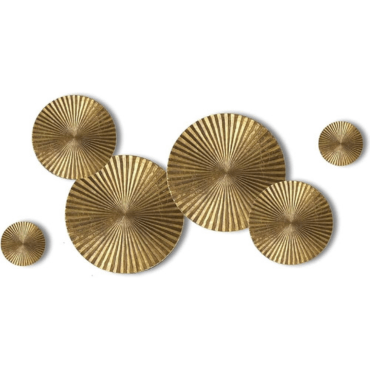
Mounting & Installation Planning
Depending on scale, weight, and substrate conditions, installation may require:
- French Cleats & Z-Clips: For secure flush mounting of interior panels.
- Standoff Mounts & Spacers: To create dimensional shadow lines or simplify surface maintenance.
- Reinforced Framing: For weather-resistant outdoor metal wall art, internal bracing helps mitigate wind load and prevent warping.
Installers should align with building code, ADA guidelines (if public-facing), and site-specific constraints like insulation layers or fireproofing. B2B fabricators like YISHANG can provide structural diagrams, bracket kits, and weight specs to simplify cross-department coordination.
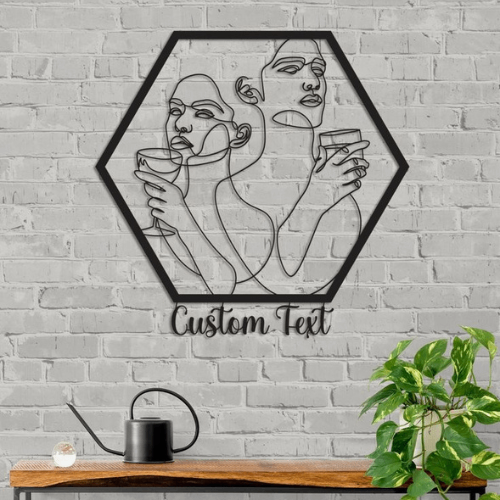
Lighting: Metal’s Secret Design Partner
Metal is uniquely reactive to light. In permanent installations—such as lobby art walls, hotel corridors, or exterior feature walls—lighting is as critical as the artwork itself:
- Directional Spotlights: Highlight textures, edges, and sculptural shadows.
- Wall Grazing: Accentuates surface finishes and patina variations.
- Color Temperature: Warm light deepens copper and brass; cool light sharpens stainless or powder-coated steel.
When managed correctly, lighting becomes a co-author of the visual experience—enhancing the perceived depth and movement of custom fabricated wall sculptures.
Maintenance and Material Stewardship
A commercial metal installation must look good not only on day one—but also in year five. Planning for material care signals professional-grade execution. Best practices include:
- Material-Specific Cleaning Protocols: Non-abrasive cloths for brushed aluminum; wax coating preservation for patinated steel.
- Finish Warranties & UV Protection: Especially relevant for architectural-grade outdoor wall décor exposed to sun, moisture, or pollution.
- Maintenance Guides for End Users: Distributors and contractors should supply care documentation as part of handover packages.
Buyers can also request periodic inspection schedules or bundled refurbishment services for long-term installations.
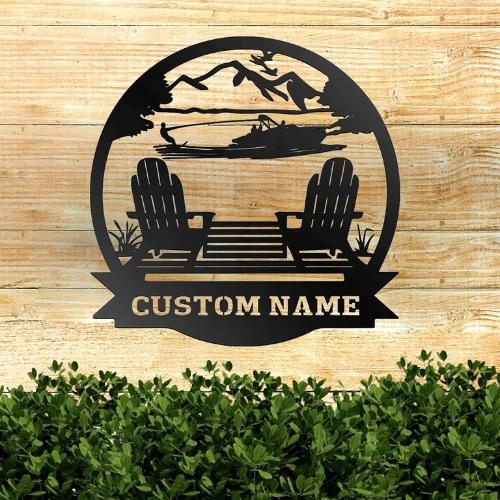
Closing the Loop: From One-Time Art to Brand Identity
Well-executed custom metal wall art can evolve from decorative accent to brand-defining statement. Whether used in flagship retail locations, corporate headquarters, or hospitality chains, large-scale installations create consistent spatial identity.
The best projects are not just beautiful—they’re engineered, documented, installed, and preserved with the same care as any architectural component. That is what elevates wall art from product to asset.