In the global marketplace of architectural metals, material selection is a critical decision balancing aesthetic intent with long-term performance and lifecycle value. For procurement professionals, architects, and developers, wrought iron represents a strategic investment in durability.
This guide moves beyond surface-level aesthetics to provide a definitive technical resource for specifying and sourcing wrought iron. We will deconstruct its material science, analyze its performance, and offer a framework for making intelligent procurement decisions that ensure project success and long-term ROI.
[Read Also: Custom Sheet Metal Fabrication for Architectural Projects →]
Part I: Material Specification: Deconstructing Wrought Iron’s Core Attributes
To specify a material with confidence, one must first understand its fundamental properties. What is wrought iron from a technical standpoint? The answer lies in its unique microstructure, which differentiates it from cast iron and modern steel and gives it a distinct performance profile. For a procurement manager, these details are the basis for quality assurance.
1.1 The Blacksmith’s Signature: Microstructure and Material Science
The term “wrought iron” literally means “worked iron,” a name that speaks to its manufacturing process of being heated and hammered into shape. The wrought iron composition consists of two primary elements: highly refined iron with a very low carbon content (typically below 0.08%) and 1–2% entrained slag.
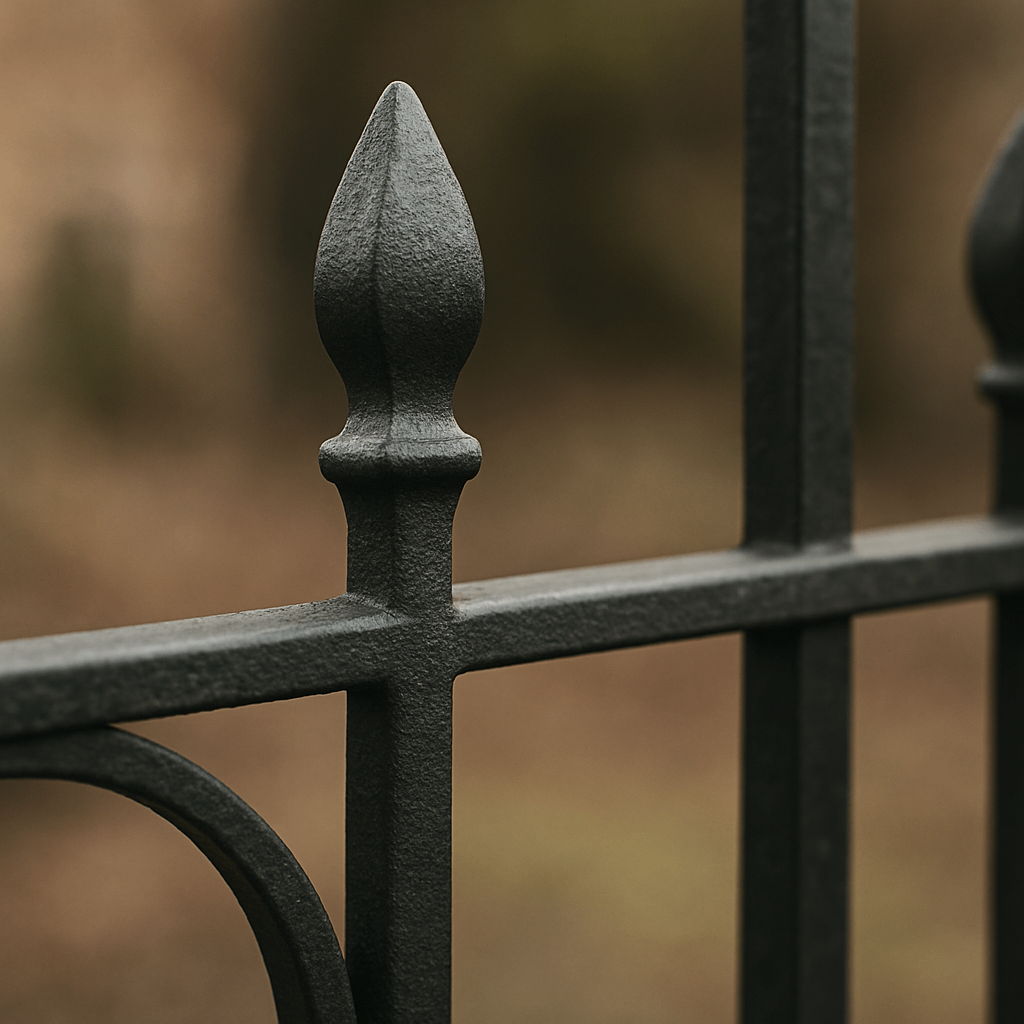
This slag is not an impurity but a critical feature. During forging, these silicate wrought iron slag inclusions are stretched into thousands of microscopic fibers, creating a fibrous structure akin to the grain in wood. This microstructure is central to many of wrought iron’s superior properties.
The fibers act as crack-arrestors, providing the material with exceptional fatigue resistance under cyclic loading. Furthermore, this structure enhances corrosion resistance; oxidation tends to propagate along these fibers, forming a dense oxide layer that protects the underlying metal from the localized pitting that is common in mild steel.
1.2 The Language of Form: Malleability and Design for Manufacture
The extremely low carbon content imparts outstanding wrought iron malleability and ductility. From a manufacturing perspective, this means the material can be formed into highly intricate shapes—such as ornate Baroque scrollwork or flowing Art Nouveau curves—without risk of fracturing.
This workability is a significant advantage for custom fabrication, allowing for a level of design freedom unachievable with brittle, high-carbon cast iron. For a wholesale buyer, this translates directly into enhanced product capabilities. A supplier with expertise in hand-forging can deliver bespoke designs tailored to specific architectural plans.
1.3 The Great Pretenders: A Technical Comparison of Wrought Iron, Cast Iron, & Steel
Specifying the correct ferrous metal is critical. The terms are often misused, but their performance characteristics are vastly different. Understanding the distinctions in this wrought iron vs cast iron vs steel comparison is fundamental for any procurement professional.
| FeatureAuthentic Wrought IronCast IronMild Steel (Low-Carbon) | |||
|---|---|---|---|
| Carbon Content | < 0.08% | 2% – 4% | < 0.3% |
| Manufacturing | Heated and hammered/rolled into shape (forged). | Melted and poured into a mold (cast). | Produced in large billets, then rolled or drawn. |
| Microstructure | Fibrous (iron with slag inclusions). | Crystalline (iron with graphite flakes). | Uniform crystalline (ferrite and pearlite). |
| Key Properties | Malleable, ductile, high tensile strength, fatigue resistant. | Brittle, high compressive strength, weak in tension. | Ductile, strong, weldable, less corrosion resistant. |
| Failure Mode | Bends and deforms before breaking. | Fractures abruptly under tension or impact. | Bends and deforms. |
| Identifying Marks | Subtle hammer marks, smooth forged welds, fibrous texture when broken. | Casting seams from molds, grainy surface texture. | Uniform, smooth surface; modern welding joints. |
ℹ️ According to ISO 4948 and ASTM A29 standards, carbon content classifications significantly influence mechanical properties, especially in tensile strength and ductility.
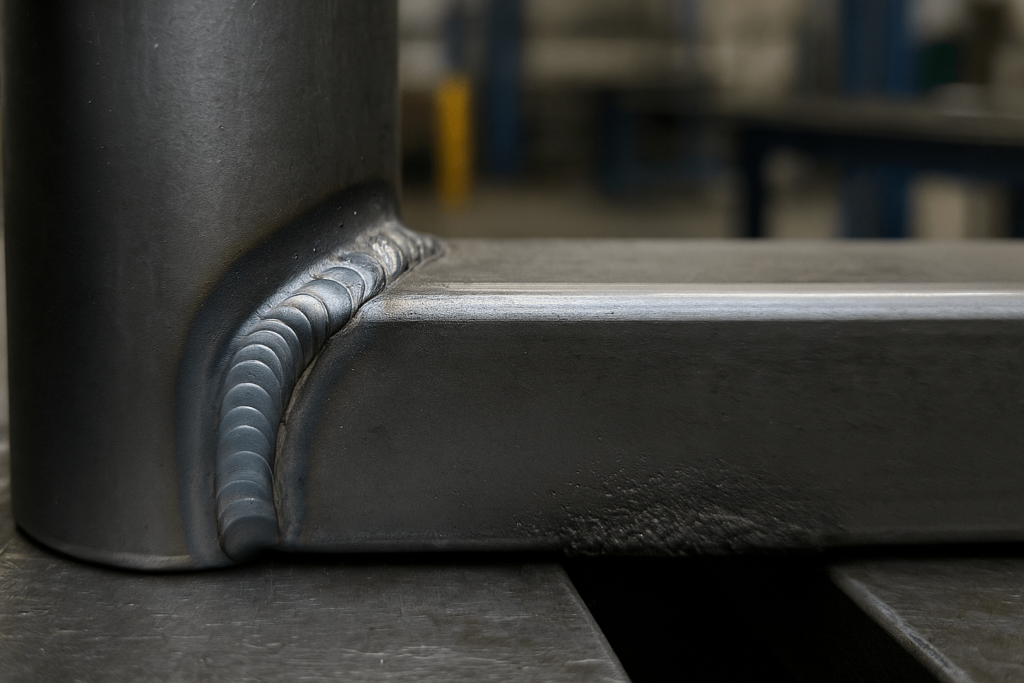
Knowing how to identify wrought iron is a crucial quality control skill. Look for the absence of casting seams and the presence of high-quality, full-circumference welds that are ground smooth. The substantial weight and distinct forged surface texture are also key indicators of authentic wrought iron.
Part II: Application & Design Versatility: A Cross-Market Analysis
For overseas procurement professionals, versatility across architectural markets is key to maximizing inventory ROI and client satisfaction. Wrought iron’s blend of strength, formability, and timeless aesthetics makes it ideal for varied use cases—from commercial build-outs to high-end custom home projects.
[Read Also: How CNC Machining Powers Custom Architectural Hardware →]
2.1 Functional and Decorative Roles in B2B Project Delivery
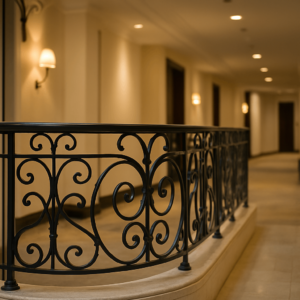
In architectural projects, metalwork serves both structural and design-enhancing purposes. Wrought iron in commercial interiors offers strong structural capacity—ideal for long-span stair railings and mezzanine barriers—while also serving as a visual centerpiece in corporate lobbies or hospitality installations.
As a design element, custom wrought iron fixtures—including lighting accents, ventilation grilles, and branded signage frames—contribute to cohesive spatial storytelling. These items reinforce brand tone and architectural identity, which is increasingly prioritized in hotel, restaurant, and retail chain projects.
For overseas wholesale buyers, this duality enables efficient product segmentation. The same supplier can deliver both functional load-bearing elements and value-added design pieces, streamlining logistics and expanding cross-category offerings.
2.2 Visual Identity Across Architectural Styles
One of wrought iron’s core advantages is its ability to adapt to multiple architectural languages while maintaining material authenticity. This makes it an ideal product line for fabricators and distributors serving diverse design markets.
- Minimalist & Industrial: Clean vertical balusters, matte-black structural shelving, or raw-finish handrails reinforce the sharp lines and exposed detailing of modern industrial design.
- Rustic & Farmhouse: Forged cabinet pulls, aged iron coat hooks, and wrought hinges accentuate natural textures in wood-heavy settings.
- Neoclassical & Restoration: Replicated scrollwork, acanthus motifs, and balustrade detailing support historical authenticity in regulated renovations and heritage builds.
For SEO targeting, these application segments allow strategic alignment with long-tail keywords such as “custom iron railing for farmhouse interiors” or “wrought iron handrails for minimalist design.”
2.3 Outdoor Integration and Longevity Payoff
In exterior construction, wrought iron delivers value through extended service life and climate resilience. Unlike wood or untreated steel, properly finished wrought iron resists moisture, UV damage, and temperature fluctuations without dimensional warping or loss of surface integrity.
Common exterior use cases include:
- Juliet balconies for apartment complexes
- Security gates for commercial perimeters
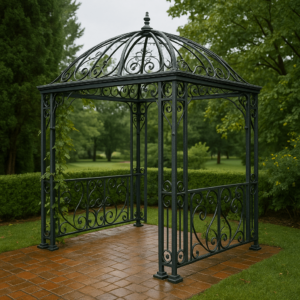
- Park pergolas and gazebos in hospitality landscaping
These installations benefit from wrought iron’s durability-to-weight ratio and its compatibility with powder coating and galvanizing—both of which extend product lifecycle and reduce annual maintenance costs.
For procurement teams managing outdoor build packages, wrought iron offers reliable specification control, minimal field modification, and lifecycle value—all of which contribute to higher end-user satisfaction and reduced RMA incidents.
Part III: Procurement Intelligence: A Buyer’s Guide to Long-Term Value
In the wrought iron category, effective B2B sourcing goes far beyond price tags. Procurement professionals must evaluate total lifecycle value, fabrication consistency, and supplier reliability. This section offers a strategic framework to assess the true cost and long-term ROI of wrought iron components for architectural and infrastructure projects.
[Related Resource: Understanding Total Cost of Ownership in Custom Metal Fabrication →]
3.1 The True Cost of “Cheap”: An Annualized Value Breakdown
Custom wrought iron often carries a higher upfront price compared to mass-produced alternatives. But surface-level cost comparisons can mislead. A lifecycle-driven model reveals that durability, maintenance frequency, and replacement cycles make the annualized cost of quality wrought iron more economical over time.
Take the example of a commercial staircase railing priced at $200/ft with a 60-year lifespan. Its effective annual cost is only $3.33/ft/year. In contrast, a $100/ft alternative that fails after 15–20 years may require multiple replacements, driving up labor, material, and disposal expenses.
Additionally, installation stability and aesthetic consistency reduce rework costs and improve tenant satisfaction in long-term lease or hospitality projects. For procurement professionals tasked with capital budgeting, this supports a compelling TCO-based justification for wrought iron investment.
3.2 Surface Finish Economics: Performance per Dollar
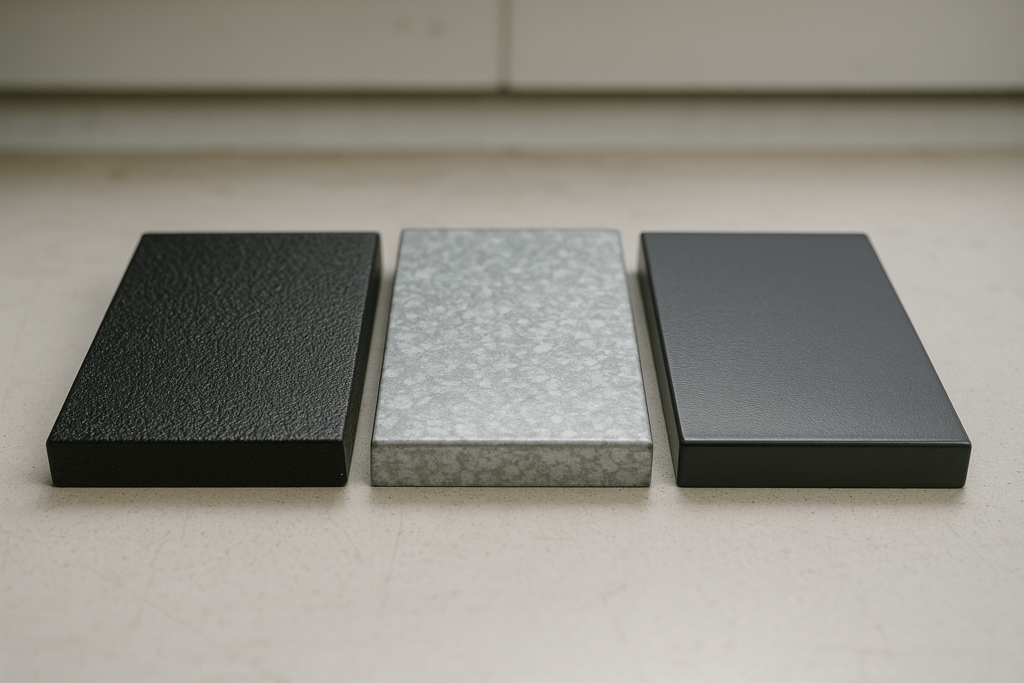
Exterior-grade metalwork lives or dies by its surface finish. Selecting the right protective system directly affects longevity and warranty exposure. Here’s how powder coating vs galvanizing vs liquid paint compares:
| Feature | Powder Coating | Hot-Dip Galvanizing | Liquid Paint |
|---|---|---|---|
| Protection Type | Barrier Film (UV-stable) | Sacrificial Layer (Zinc oxidizes first) | Basic Film (lower durability) |
| Lifespan (Avg.) | 10–25 years (with maintenance) | 50–100+ years (even in harsh climates) | 2–5 years (requires frequent touch-ups) |
| Aesthetic Options | High—textures, gloss levels, RAL palette | Low—industrial gray unless top-coated | Medium—color options but less uniform |
| Best Use Case | Decorative architectural features | High-exposure infrastructure, fences, balconies | Short-term or low-traffic installations |
📌 Per ISO 1461 and ASTM A123, hot-dip galvanizing provides long-term zinc-based corrosion protection exceeding 50 years in most atmospheric conditions.
The premium-tier solution is a duplex system, combining hot-dip galvanizing with powder coating. This configuration delivers exceptional resistance to corrosion, UV exposure, and chipping—ideal for exterior installations in coastal, humid, or high-traffic zones.
3.3 Supplier Due Diligence: What Professional Buyers Must Ask
Choosing the right wrought iron supplier isn’t just about product—it’s about process, quality assurance, and long-term accountability. Here are five vetting questions tailored for overseas procurement teams evaluating manufacturers:
- “What certifications and QA procedures govern your raw material sourcing?”
Look for ISO 9001 compliance and traceability documentation to verify steel grade, carbon content, and origin. - “Can you share engineering drawings and BOM documentation for review before production?”
This reveals whether the supplier has integrated CAD workflows and BOM-level cost transparency. - “How do you execute weld integrity and surface prep across different lot sizes?”
Ask about MIG/TIG protocols, grinding techniques, and in-process inspections. - “Which finishing systems are in-house, and what’s the QC pass rate post-coating?”
A reliable vendor will track cure temperatures, salt-spray resistance, and coating thickness uniformity. - “What is your default warranty structure for exterior ironwork, and how are claims resolved?”
Strong suppliers offer multi-year warranties with clear defect classifications and resolution timelines.
YISHANG, as a RoHS- and ISO 9001–certified Chinese metal fabricator, welcomes these procurement-grade inquiries. Our workflows are designed for transparency, repeatability, and export-grade finish consistency.
Part IV: Lifecycle Management: Maintenance and Restoration Protocols
Beyond upfront cost and performance, the long-term success of wrought iron in commercial and architectural applications depends on disciplined lifecycle management. This section outlines best practices for maintaining product integrity, managing surface finishes, and extending ROI through refurbishment when required.
4.1 Preventative Maintenance for Outdoor and Coastal Installations
Well-finished wrought iron is highly durable, but preventive care ensures its longevity—especially in high-exposure environments such as coastal resorts, open-air retail centers, or public infrastructure.
Recommended B2B maintenance schedule:
- Annual Cleaning: Wash surfaces with a non-abrasive soap and water mix to remove salts, pollutants, or organic buildup.
- Inspection for Finish Breach: Focus on weld zones, fastener interfaces, or architectural recesses where moisture may collect.
- Touch-Up Application: For powder-coated or painted systems, immediately treat exposed areas with a manufacturer-approved topcoat or anti-corrosion primer.
These steps minimize the risk of accelerated corrosion, maintain surface aesthetics, and extend performance warranties, reducing potential RMA claims from your clients.
4.2 Refurbishment: Technical Workflow for Iron Surface Restoration
If corrosion or coating failure occurs—especially on legacy installations—refurbishment is often more cost-effective than replacement. Overseas buyers managing retrofit or asset renewal projects should understand this structured process.
Standard restoration procedure:
- Mechanical Prep: Remove loose coatings and rust using a power sander, needle scaler, or media blasting, depending on job scope.
- Surface Neutralization: Use a degreasing agent to eliminate embedded contaminants, followed by clean water rinse.
- Chemical Stabilization: Where corrosion is present, apply a rust converter for iron that binds iron oxide and stabilizes the surface.
- Coating System Rebuild: Apply an epoxy-based primer followed by 2–3 layers of UV- and corrosion-resistant topcoat, applied per vendor specs.
For municipal, commercial, or hospitality environments, this process restores structural soundness and visual cohesion—without disrupting surrounding finishes or substrates.
Final Note: Proactive Lifecycle Planning = Procurement Impact
Wrought iron’s long life is an asset—if maintained strategically. Proactive maintenance planning, paired with clear finishing system specifications and supplier accountability, leads to longer asset value, higher client satisfaction, and reduced operating costs.
YISHANG supports overseas buyers not just in product fabrication, but also in lifecycle documentation, surface finish traceability, and design consultations that improve field longevity.