The Short Answer
| Category | Commonly Cited Record Holder | Approximate Melting Point |
| Pure metal | Tungsten (W) | 3422 °C |
| High-melting alloy / alloy system | Tungsten–hafnium carbide (WHC) | Extremely high, often cited among the highest for engineered alloy systems |
| Highest melting point material / compound | Tantalum hafnium carbide (Ta₄HfC₅) and related carbides | Often reported above 4000 °C |
For buyers, however, the more useful question is not simply what has the highest melting point, but which material remains practical, manufacturable, and reliable in the actual temperature range of the product.
Why Melting Point Matters—But Not in the Way Many Buyers Assume
A part usually fails long before it melts. In production and field use, buyers are more often dealing with:
softening,
loss of stiffness,
thermal distortion,
coating breakdown,
fatigue from repeated heat cycles.
Melting Point vs Real Failure Thresholds
| Thermal Concept | Why It Matters for Buyers |
| Melting point | The temperature where the solid becomes liquid |
| Softening behavior | The part may lose stiffness long before melting |
| Thermal deformation | Warping can damage fit, sealing, or alignment |
| Coating failure | Surface finishes often fail far below substrate melting point |
| Phase change / sublimation | Some advanced materials do not behave like conventional metals under extreme heat |
Highest Melting Point Materials: Metal, Alloy, and Compound Compared
| Category | Material | Why It Matters |
| Pure metal | Tungsten | Benchmark for high-temperature metallic performance |
| Alloy / alloy system | Tungsten–hafnium carbide (WHC) | Used as an extreme-temperature reference, though rarely a mainstream fabrication choice |
| Compound / ceramic class | Ta₄HfC₅ and related carbides | Frequently cited in research as among the highest-melting known materials |
| Carbon-based high-temperature material | Graphite | Important for furnace and thermal environments, though it behaves differently from conventional metals |
What Buyers Should Understand About Tungsten
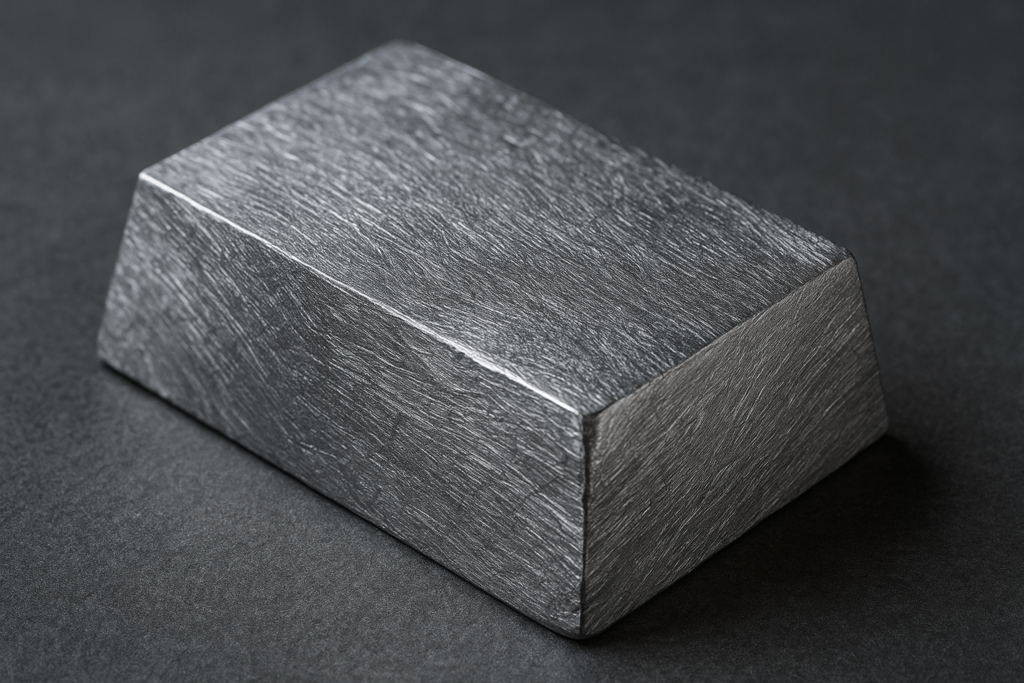
Tungsten is the highest-melting pure metal, but it also comes with practical constraints:
difficult machining and forming,
brittleness at room temperature,
challenging joining methods,
high cost and niche sourcing.
That makes tungsten important as a thermal benchmark, but not a default choice for typical industrial enclosures, cabinets, or general fabricated parts.
Optimization notes
Suggested change level: keep about 65%, rewrite 15%, enhance 20%.
Main adjustments:
preserve the strong content on tungsten and refractory systems;
use a cleaner comparison table;
emphasize the gap between record-holder status and practical applicability.
Why the Highest Melting Point Material Is Rarely the Best Sourcing Choice
For real industrial sourcing, buyers usually need a material that is not only heat-resistant, but also:
commercially available,
fabrication-friendly,
cost-realistic,
dimensionally stable in the required service range.
Practical Constraints Buyers Cannot Ignore
| Constraint | Why It Changes the Material Decision |
| Machinability / formability | Some high-temperature materials are too difficult or expensive to process |
| Weldability | High melting point does not guarantee easy joining |
| Lead time and supply chain | Niche materials may have unstable availability |
| Cost | Extreme materials often exceed the economic needs of the application |
| Service temperature vs melting point | A material may be fully adequate without being a record-holder |
A Practical Melting-Point Reference for Common Fabrication Metals
| Material | Approx. Melting Range | Practical Buyer Note |
| Stainless Steel 304 / 316 | 1375–1530 °C | Strong balance of corrosion resistance, strength, and fabrication practicality |
| Carbon Steel | 1425–1540 °C | Economical and widely usable, though strength drops with heat well below melting |
| Aluminum Alloys | ~660 °C | Lightweight but much more temperature-sensitive |
| Copper | 1084 °C | Excellent conductor; not ideal for many structural high-heat uses |
| Brass | ~900–940 °C | Useful in selected applications, but limited for higher thermal stress |
What Buyers Should Confirm Before Choosing a High-Temperature Material
| Check Item | Why It Matters |
| Real service temperature | The application range matters more than the absolute melting point |
| Weldability and fabrication route | A high-temperature metal that cannot be processed efficiently may create project risk |
| Dimensional stability | Warping or softening can matter before melting ever occurs |
| Coating compatibility | Surface finishes may fail far below the substrate’s limit |
| Cost and lead time | Refractory or niche materials may not fit normal industrial budgets or schedules |
FAQ
What metal has the highest melting point?
Tungsten has the highest melting point among pure metals, at about 3422 °C.
What material is often cited as having the highest melting point overall?
Research often cites tantalum hafnium carbide (Ta₄HfC₅) and related carbides as candidates for the highest melting temperature among known compounds.
Is the highest melting point material usually the best for industrial sourcing?
No. In many projects, fabrication practicality, service temperature, lead time, and cost matter more than the absolute record value.
Why does aluminum fail early in hot environments even though it is not near melting?
Because mechanical strength and stiffness can drop significantly well below the melting point, especially under heat and load.
Conclusion
The highest melting point material is usually not the most useful answer by itself. For buyers, the smarter decision comes from matching the material’s real thermal behavior to the application’s service temperature, fabrication route, and cost target.
Melting-point knowledge becomes most valuable when it helps eliminate unsuitable materials early and supports more realistic RFQs, supplier evaluations, and design reviews.