
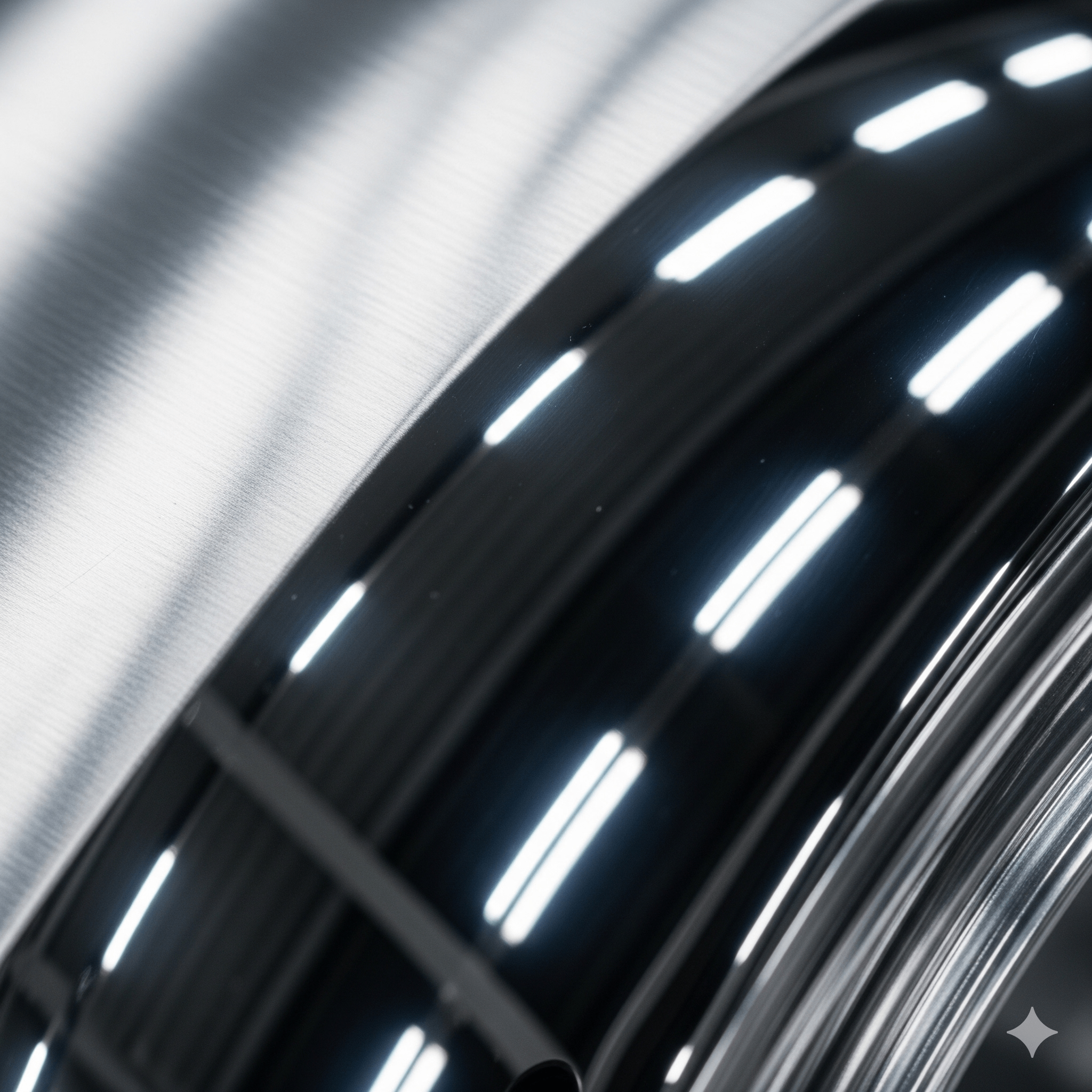
In the world of metal fabrication, a polished surface is often treated as the final “aesthetic” touch. However, for anyone managing large-scale industrial procurement, the finish is actually a high-stakes technical specification. Professional polishing isn’t just about how a component looks on the showroom floor. Instead, it’s about the delicate balance between material chemistry and mechanical endurance. In fact, the microscopic landscape of the metal—those invisible peaks and valleys—is what ultimately determines how your product stands up to environmental stress. Furthermore, this finish ensures your project meets strict NEMA safety standards.
At YISHANG, we’ve always viewed surface treatment as a strategic decision. Consequently, this choice directly moves the needle on the Total Cost of Ownership (TCO). Whether you’re sourcing solar battery enclosures for a volatile outdoor site or high-precision electrical meter boxes, the finish is vital. It dictates how often that unit needs maintenance. Ultimately, it determines how long it survives in the field. Therefore, this guide skips the marketing fluff to dig into the engineering logic that makes a wholesale order truly reliable.
I. More Than Skin Deep: The Chemistry of Corrosion Resistance
The legendary durability of stainless steel isn’t a permanent gift. On the contrary, it’s a hard-won result of a microscopic “passive layer” made of chromium oxide. Following ASTM A380 guidelines is about more than just cleaning. Specifically, it involves optimizing surface chemistry so this invisible film can heal itself.
Battling Microscopic “Viruses”
If a shop isn’t careful, tiny iron particles from tools can get hammered into the surface. If they stay there, they act like a virus. Consequently, this causes “tea staining” or pitting that can compromise an entire batch of carbon steel or stainless steel components. This damage often occurs within weeks of exposure to salt air or humidity.
Expert polishing is the process of stripping away those contaminants. As a result, the chromium underneath can finally breathe. This chemical reset is what keeps a NEMA 4X junction box from failing in wet environments.
Managing the Temperature Threshold
However, there’s a catch: heat. During the buffing process, the friction from the polishing compound has to be managed with precision. If the metal gets too hot, we call it “sensitization.” In this state, chromium carbides form at the grain boundaries. This leaves the steel hollowed out of its protective chromium. Consequently, it becomes vulnerable to corrosion from the inside out.
For a B2B buyer, this is where the real risk lies. When you invest in a high-quality finish, you aren’t just buying a look. Instead, you’re buying a surface that refuses to let chlorides and moisture take hold. With 26 years of shop-floor experience, YISHANG has refined the art of polishing. We do this without altering the molecular integrity of the metal. Ultimately, we make sure the shine is backed by real chemical armor, not just a temporary gloss.
Think about the scale of a wholesale order for electrical meter enclosures. A minor slip in process control leads to “batch variance.” As a result, some units fail while others don’t. This creates a nightmare for your brand’s reputation. Therefore, partnering with a team that prioritizes chemistry is essential. By doing so, you’re cutting those aesthetic and functional liabilities out of your supply chain before the products even ship.
A Note for Your Procurement Team: It’s always worth asking if your fabricator handles post-polishing passivation. Mechanical work alone can leave “active” sites on the metal. To ensure maximum protection, a professional chemical treatment following the ASTM A967 standard is necessary. This provides the resistance needed for C4 or C5 corrosive zones.
II. The Language of Numbers: Ra Values and the Logic of Grit
In a serious engineering conversation, words like “shiny” or “brilliant” don’t carry much weight. Instead, we prefer to talk about Ra (Roughness Average). This is the hard math of polishing. Specifically, it is a quantitative measurement of the surface’s vertical deviations. For industries like medical tech or food processing, Ra benchmarks aren’t a suggestion. Rather, they are a regulatory must to prevent bacteria from finding a place to hide.
Defining Standards with Ra
The table below breaks down the technical reality of common finishes:
| Finish Designation | Common Name | Typical Ra Value (um) | Real-World Wholesale Application |
|---|---|---|---|
| No. 3 | Intermediate | 1.0 – 1.5 | Base structural frames and heavy-duty carbon steel parts. |
| No. 4 | Brushed / Satin | 0.5 – 0.8 | The standard for medical furniture, push button enclosures, and control panels. |
| No. 6 | Matte Satin | 0.3 – 0.5 | Consistent, low-glare finishes for high-end control stations. |
| No. 7 | Partial Mirror | 0.1 – 0.2 | High-luminance electronics and premium commercial vending parts. |
| No. 8 | Mirror Finish | < 0.1 | The gold standard for cleanrooms, reflectors, and solar battery systems. |
The Risks of Shortcut Culture
Getting to these numbers requires a disciplined “ladder” of abrasives. This Grit Progression is an immutable logic. To be effective, each stage has to use a finer grit to erase the scratches from the previous coarser stage.
However, a common shortcut in the industry is “grit skipping.” This involves jumping from a 150-grit sandpaper straight to a 600-grit to save time. While this might look fine on day one, it leaves “ghost scratches.” These marks show up the moment the wax or polishing compound wears off.
At YISHANG, we’ve seen how those shortcuts hurt our clients’ bottom lines. Consequently, we’ve banned them. Whether it’s stainless steel pipes or complex meter systems, our team follows the full sequence. In fact, when we finally buff your steel with a specialized compound, the result is a deep, true reflection. It is not a clouded surface that hides flaws. This consistency is exactly why global buyers choose us for high-volume galvanized and carbon steel enclosure projects.
The real skill, however, shows up at the weld seams. “Weld blending” is where the joint effectively disappears into the grain. If a technician uses too much pressure, they risk “oil-canning.” This is the dreaded surface warping that ruins the structural flatness of an enclosure. It takes an experienced hand to blend a weld properly. Specifically, one must avoid creating a Heat-Affected Zone (HAZ) that leads to future cracking.
III. Strategic Sourcing: Consistency, Robotics, and the Last Mile
Scaling a project brings its own set of headaches. While manual polishing is great for a prototype, it’s hard to keep 1,000 units looking identical. In fact, people get tired and their pressure varies.
Automation for Massive Consistency
This is where robotic polishing systems change the game. By using Force-Torque sensors, these systems apply the exact same pressure at the exact same angle on every single unit. Consequently, for a procurement manager, this means every push button enclosure in the container meets the same Ra spec. Consistency is no longer a gamble.
But what should you be looking for during an audit? Specifically, keep an eye out for “Orange Peel.” This pebbled texture tells you the metal was overheated or over-polished. Furthermore, look for “Clouding.” This usually means the polishing wheels were contaminated.
Another issue involves “Comet Tails.” These are tiny micro-scratches caused by a coarse grain of sand snuck into a fine wheel. In the medical or cleanroom world, these aren’t just ugly. On the contrary, they are places for bacteria to grow. Therefore, they are grounds for immediate rejection.
Safeguarding the Final Delivery
The process doesn’t end when the buffing wheel stops. In fact, post-polishing integrity is the final pillar of a smart procurement strategy. We always recommend a chemical passivation treatment to “heal” the chromium layer before the products are packed.
Moreover, to make sure that mirror finish survives the ocean journey, we use high-grade Laser-PE protective films. These films aren’t just for show. Specifically, they protect against tool marks and the salty, vibrating environment of a shipping container.
Finally, there’s the matter of trust and compliance. YISHANG operates under ISO 9001 and RoHS standards. This ensures no hazardous substances sneak into your carbon steel or aluminum enclosure products. When you partner with us, you’re getting more than just metal. In addition, you’re getting a team that understands the nuances of international trade. This includes everything from material certifications to the complex logistics of wholesale delivery.
Ultimately, investing in a professional finish is an investment in your brand’s reputation. By focusing on hard numbers like Ra values and grit progression, you move away from vague requests. Instead, you move toward the kind of precise engineering that keeps a project on track. If you’re ready to bring a higher level of functional and aesthetic value to your next build, the YISHANG team is here to help you get the details right.
Ready to talk about the specifics of your next order? Send your quick inquiry today to the YISHANG engineering team for a technical review of your design.