
Misaligned expectations in sheet metal fabrication RFQs can derail projects, inflate costs, and create production delays. For OEM product teams and procurement managers sourcing components like equipment housings, metal enclosures, or electrical cabinets, understanding quote variances begins with recognizing the hidden assumptions embedded in RFQs. This guide explores how to eliminate ambiguity, outline clear priorities, and avoid expensive surprises when working with a fabrication shop like Yishang.
When Cosmetic and Structural Requirements Collide
One of the most common sources of quote distortion is unclear differentiation between cosmetic and structural priorities in RFQs. For example:
- The Scenario: An OEM team submits RFQs for metal enclosures requiring powder coating and tight tolerance assembly fit-ups. The drawings emphasize surface finish but omit critical notes on reinforcement brackets for internal strength.
- The Consequence: One supplier quotes based on simple surface aesthetics, underestimating the complexity of adding hidden structural reinforcements later. Another supplier overcompensates, assuming maximum internal reinforcements for every enclosure, leading to inflated costs and longer lead times.
In this case, the RFQ ambiguity has created two wildly different quote assumptions. Prototyping risks multiply as suppliers struggle to align on the real intent for both cosmetic quality and structural integrity.
How Yishang mitigates this risk: By actively reviewing RFQs for clarity in cosmetic vs structural notes, Yishang ensures that designs are manufacturable without unnecessary complexity or risk of compromised performance. This proactive review helps OEM teams avoid costly misalignment in both quoting and production stages.
Why Tolerance Ambiguity Creates Production Instability
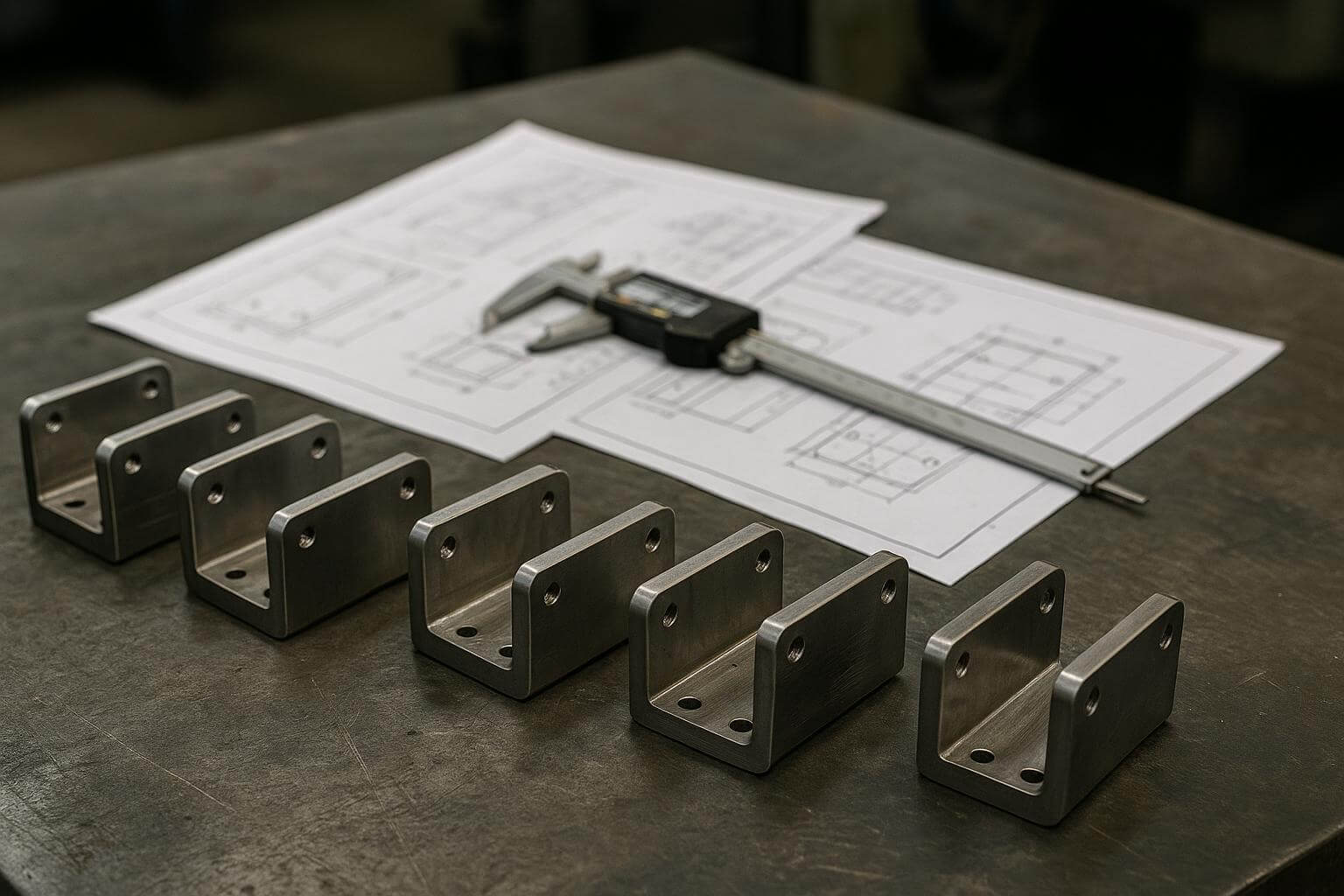
RFQs that lack precise tolerance specifications expose buyers to serious fit-up risks during production. Consider this:
- The Scenario: An electrical cabinet design includes laser-cut panels and CNC-punched openings for switches. The RFQ specifies dimensions but excludes detailed tolerance notes for the fit-up between the panels and secondary components like hinges or electronics.
- The Consequence: Suppliers quote based on their standard in-house tolerances, which may not align with the buyer’s actual assembly reality. During batch production, slight deviations in panel alignment cause assembly failures, leading to costly reworks or scrapped parts.
How Yishang ensures production stability: Yishang collaborates with buyers to identify fit-critical tolerance zones during RFQ reviews. This approach minimizes risk by ensuring that all fabricated parts align seamlessly in real-world assemblies, reducing rework and ensuring consistent quality across batches.
Hidden RFQ Assumptions That Distort Quoting Accuracy
Buyers often assume that material and finish choices are self-explanatory, yet RFQs frequently omit crucial details that impact quoting accuracy. For example:
- The Scenario: An OEM RFQ specifies stainless steel fabrication for control boxes but neglects to include surface finish expectations, such as brushed, polished, or matte textures.
- The Consequence: Suppliers interpret the material requirement differently, with one quoting a basic mill finish and another including costly polishing processes, leading to quote discrepancies that confuse decision-making.
Unclear assumptions about finishes, material grades, or secondary operations (like welding and deburring) create unpredictable cost variances and limit buyers’ ability to make apples-to-apples comparisons.
Yishang’s RFQ refinement approach: By clarifying hidden assumptions about material grades, finishes, and secondary operations during quoting, Yishang ensures buyers receive quotes that truly reflect their project’s needs, reducing confusion and preventing surprise costs.
Where Prototype Alignment Fails to Scale
Prototype approval is often mistaken as proof of manufacturability for full-scale production. However, hidden risks emerge when RFQs fail to account for scaling challenges. Consider this:
- The Scenario: An OEM team approves prototypes for a machine housing design, but the RFQ does not address batch-to-batch consistency or scaling strategies for material cuts, weld sequencing, or powder coating processes.
- The Consequence: During production scaling, variations in weld quality or coating uniformity lead to inconsistent housings, requiring rework and eroding trust in the supplier’s reliability.
Prototype success does not guarantee repeatable production performance, especially when RFQs overlook the complexities of scaling processes.
How Yishang builds scalable production plans: Yishang’s engineers collaborate with buyers during prototype development to integrate production scaling considerations upfront, ensuring consistent quality and minimizing risks tied to batch-to-batch variability.
The Real Cost of Lead Time Ambiguity
Lead times become unpredictable when RFQs lack clarity on critical project dependencies. For example:
- The Scenario: A procurement manager submits RFQs for display racks with welded assemblies but leaves out delivery dependencies tied to coordinating third-party components like glass panels or branding decals.
- The Consequence: Suppliers quote based on standard lead times for fabricated racks, unaware of external dependencies that will delay final assembly. This discrepancy causes scheduling conflicts and missed installation deadlines.
Yishang’s lead time transparency: By factoring external dependencies into quoting and production schedules, Yishang helps buyers achieve realistic delivery timelines for complex assemblies, reducing risks tied to uncoordinated lead time assumptions.
FAQs
- What details should I include in an RFQ for sheet metal fabrication? Include material grades, finishes, tolerance zones, cosmetic vs structural priorities, and critical dependencies for assembly or scaling.
- How can I ensure my RFQ aligns with my project’s true needs? Collaborate with suppliers like Yishang to refine RFQs, clarifying ambiguous areas and ensuring manufacturability before quoting starts.
- What are common causes of quote discrepancies? Missing assumptions about finishes, tolerances, structural reinforcements, and secondary operations often lead to variances in supplier quotes.
- Why do prototype approvals fail to guarantee production consistency? Scaling challenges such as weld sequencing, material cuts, and coating uniformity can create batch-to-batch variability if not accounted for in RFQs.
- How do I avoid lead time risks in sheet metal projects? Address external dependencies like third-party components, branding, or assembly logistics directly in the RFQ to ensure accurate lead time quotes.
- What makes Yishang different from other sheet metal shops? Yishang’s proactive RFQ refinement process, production scaling expertise, and tolerance alignment strategies minimize risks across quoting, prototyping, and scaling stages.