
Procurement managers and OEM buyers face numerous considerations when sourcing custom sheet metal components for industrial applications. From selecting appropriate materials to ensuring precise tolerances, every decision significantly impacts product performance, manufacturing costs, and lead times. This guide will help you navigate the complexities of working with a sheet metal fabrication shop, ensuring optimal outcomes for your projects.
Specifying Materials: Balancing Cost, Durability, and Application
One of the first and most critical decisions in sheet metal fabrication is selecting the right material. Common options include aluminum, stainless steel, carbon steel, and more specialized alloys. Each material offers unique properties, such as corrosion resistance, strength, weight, and cost-effectiveness.
For example, aluminum is lightweight and corrosion-resistant, making it ideal for aerospace or electronics enclosures. However, its lower tensile strength compared to steel may not suit heavy-duty structural applications. On the other hand, stainless steel provides excellent durability and aesthetic appeal but comes at a higher material and machining cost.
When specifying materials, buyers should provide detailed requirements, including the intended environment (e.g., indoor, outdoor, corrosive), load-bearing needs, and aesthetic preferences. Engaging with a supplier like Yishang early in the design phase allows for a review of material options to optimize both performance and cost.
Tolerances and Their Impact on Fit and Function
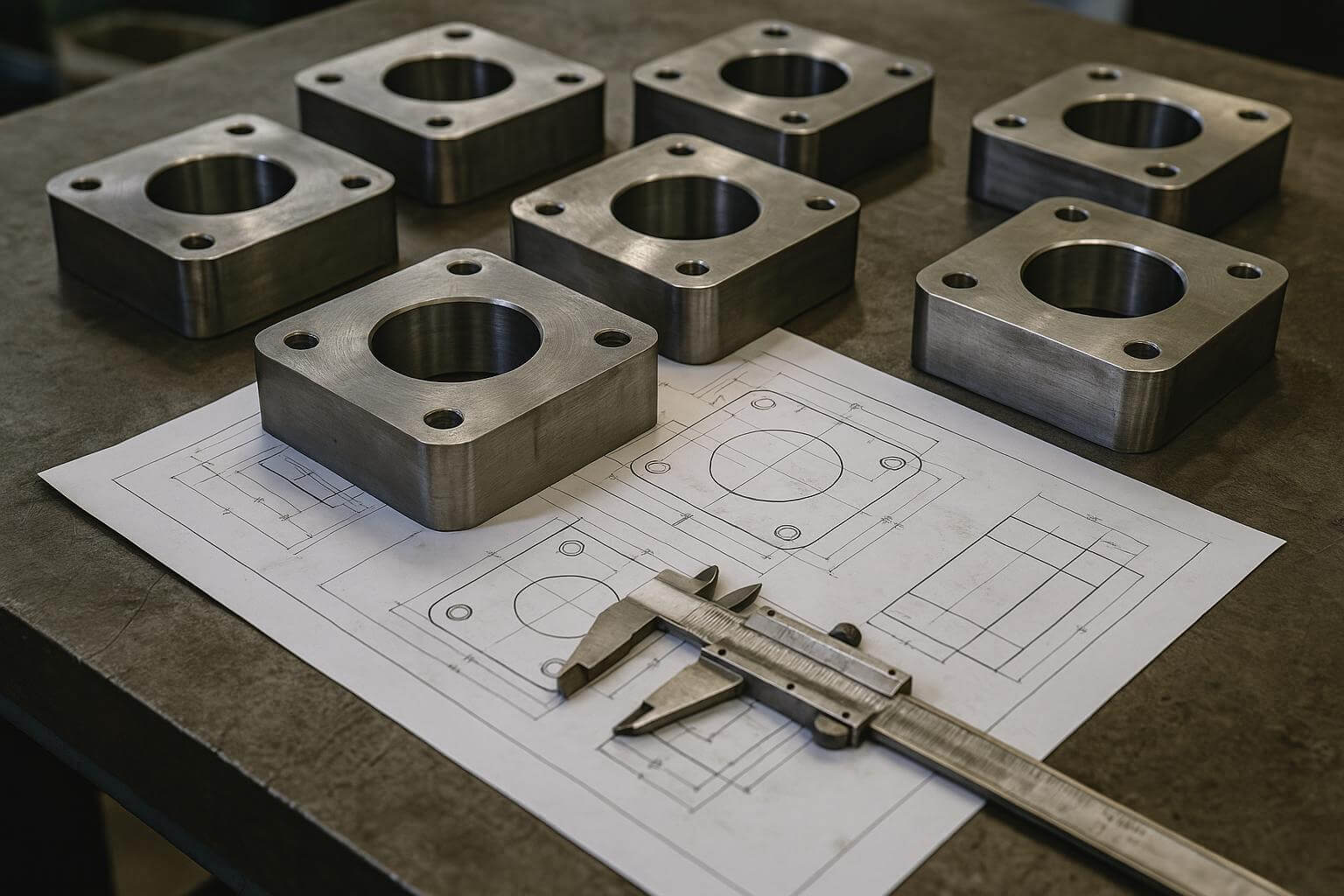
Tolerances define the acceptable variance in dimensions for fabricated parts. Specifying tolerances too loosely can lead to components that don’t fit together properly in assemblies, while overly tight tolerances may increase manufacturing costs unnecessarily.
For instance, a project involving industrial frames requiring tight tolerances for seamless assembly might need precision CNC machining. Conversely, decorative metal enclosures for retail displays may allow for wider tolerances, reducing costs without compromising aesthetics.
Always communicate detailed drawings with clear dimensional tolerances to your fabrication shop. This ensures alignment between your design intent and the manufacturing process. Suppliers like Yishang can assist in evaluating whether specified tolerances are feasible and cost-efficient.
Surface Finishes: Functionality Meets Aesthetics
Surface finishes serve both functional and aesthetic purposes in sheet metal parts. Options include powder coating, anodizing, galvanizing, or brushing, each suited to specific applications.
For example, a custom metal enclosure for outdoor telecommunications equipment may require powder coating to enhance corrosion resistance. In contrast, a polished stainless-steel bracket used in medical equipment might prioritize aesthetics and hygiene.
When submitting RFQs, buyers should specify not only the finish type but also the desired color, texture, and environmental conditions the product will face. In cases of uncertainty, suppliers can provide finish samples or recommend suitable options based on the application.
Prototyping and Batch Consistency in Manufacturing
Prototyping is a crucial step in validating the design and manufacturability of sheet metal parts before full-scale production. A prototype ensures that the part meets functional, dimensional, and aesthetic requirements while identifying potential issues early in the process.
For example, a buyer sourcing a welded assembly for industrial machinery may request a prototype to test the assembly’s structural integrity and fit. Discovering design flaws at this stage prevents costly rework during mass production.
Additionally, ensuring consistency across production batches is vital for OEMs. Suppliers should have robust quality control processes, including inspection protocols and material traceability, to meet these demands. Working with experienced suppliers like Yishang simplifies this process, as they provide feedback on manufacturability and consistency.
Lead Times and Communication: Avoiding Supply Chain Disruptions
In industries with fast-paced production schedules, lead times are a critical factor. Delays in sourcing sheet metal parts can disrupt entire supply chains, leading to missed deadlines and increased costs.
To streamline lead times, buyers should provide detailed and accurate RFQs, including drawings, quantities, materials, and finishing requirements. Clear communication with the fabrication shop ensures alignment on production schedules, reducing the likelihood of delays.
For example, a sourcing manager for an electronics OEM might coordinate with their supplier to prioritize the production of metal enclosures needed for a product launch. By maintaining open lines of communication and sharing forecasts, they can mitigate risks associated with supply chain disruptions.
Cost Drivers in Sheet Metal Fabrication: Where to Focus
Several factors influence the cost of custom sheet metal fabrication, including material selection, design complexity, tolerance requirements, and finishing processes. Understanding these cost drivers allows buyers to make informed decisions that align with their budgetary constraints.
For instance, opting for laser cutting instead of traditional stamping may reduce tooling costs for small production runs. However, for high-volume orders, investing in stamping dies could lower per-unit costs. Similarly, simplifying part designs by minimizing unnecessary bends or welds can reduce labor and machining expenses.
Engaging with your fabrication partner during the design phase can uncover opportunities for cost optimization without compromising quality or functionality.
By addressing these critical considerations, OEM buyers and sourcing managers can establish strong partnerships with sheet metal fabrication shops, ensuring successful project outcomes. To discuss your specific requirements, submit your drawings, material preferences, quantities, tolerances, and finish expectations to Yishang.
What information should I include in my RFQ for sheet metal fabrication?
Include detailed drawings, material specifications, quantity requirements, tolerances, finishing preferences, and any special instructions or deadlines.
How do I choose the right material for my project?
Consider factors such as strength, weight, corrosion resistance, cost, and the intended application. Consulting with your supplier can help you make an informed decision.
What are the common finishing options for sheet metal parts?
Popular finishes include powder coating, anodizing, galvanizing, and brushing. Each offers unique benefits depending on the part’s intended use and environmental exposure.
Why is prototyping important in sheet metal fabrication?
Prototyping validates the design, ensures manufacturability, and identifies potential issues before full-scale production, saving time and costs in the long run.
How can I reduce lead times for custom sheet metal parts?
Provide clear and detailed RFQs, maintain open communication with your supplier, and plan production schedules collaboratively to avoid delays.