
Choosing the right sheet metal fabrication shop is a critical decision for OEM buyers and sourcing managers. Whether you need precision metal enclosures, custom brackets, structural frames, or welded assemblies, your choice of supplier will directly impact lead times, production costs, and final product quality. This guide provides actionable insights to help you navigate the complexities of sourcing sheet metal parts for industrial applications.
Understanding Design Challenges in Sheet Metal Fabrication
One of the most common pitfalls in sheet metal fabrication is design inefficiency. Poorly optimized designs often lead to material waste, increased tooling costs, and production delays. For example, designs with excessively tight tolerances or overly complex bends can result in higher rejection rates and slower production cycles.
To mitigate these risks, ensure your engineering team collaborates with your fabrication partner early in the design phase. Many shops, including Yishang, offer design-for-manufacturability (DFM) consultations. These reviews can identify potential bottlenecks, suggest alternative material options, and recommend adjustments to simplify fabrication processes without compromising functionality or aesthetics.
Project Example: A client required a custom server enclosure with intricate ventilation patterns. By revising the design to use standard hole-punch configurations and adjusting tolerance levels, the fabrication shop reduced material waste by 10% and shortened lead times by two weeks.
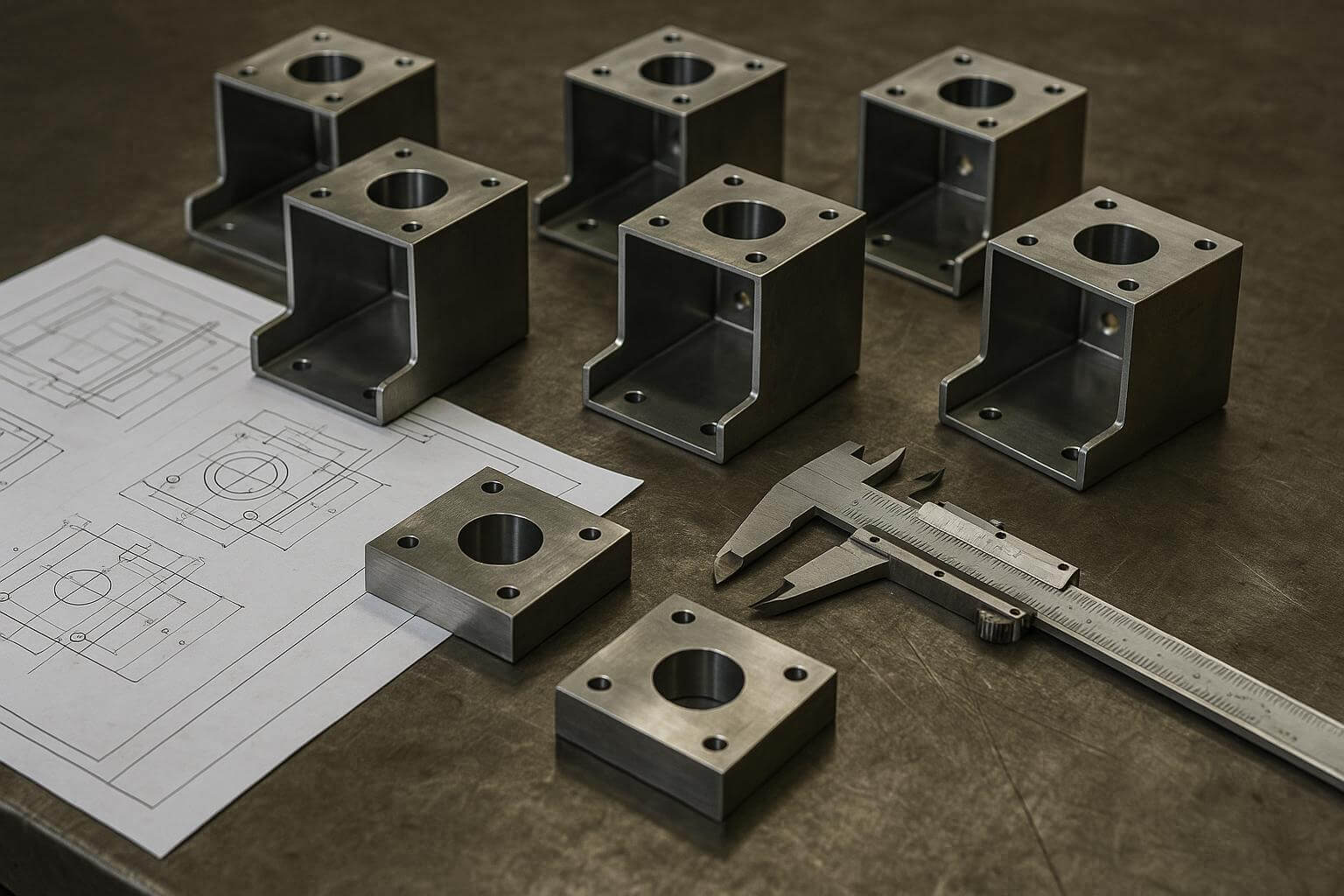
Material Selection: Balancing Cost, Performance, and Longevity
The choice of material significantly impacts both the performance and cost of your metal components. Common materials include stainless steel, aluminum, and mild steel, each offering distinct advantages and trade-offs:
- Stainless Steel: High corrosion resistance but more expensive, suitable for outdoor or high-humidity environments.
- Aluminum: Lightweight and corrosion-resistant, ideal for weight-sensitive applications like aerospace or automotive parts.
- Mild Steel: Cost-effective and versatile, often used for indoor applications with protective coatings.
Discussing your application’s specific requirements with your supplier can help you strike the right balance between durability and cost. For example, while stainless steel might seem like the safest choice, a powder-coated mild steel alternative could meet your needs at a fraction of the cost.
Finishing Options: Enhancing Durability and Appearance
Finishing is more than just an aesthetic consideration; it plays a crucial role in the durability and functionality of your components. Common finishing techniques include:
- Powder Coating: Provides a durable, corrosion-resistant finish, available in custom colors.
- Anodizing: Enhances the corrosion resistance and appearance of aluminum parts.
- Galvanizing: Adds a protective zinc coating to steel for outdoor applications.
Selecting the right finish depends on factors such as operating environment, branding requirements, and budget. For example, an industrial control panel might require both a high-durability powder coating and a specific color to match corporate branding standards.
Project Example: An OEM designer needed a batch of machine brackets with a finish that could withstand harsh chemicals. The fabrication shop recommended a powder-coated finish with a specific chemical resistance rating, ensuring the brackets met both functional and aesthetic requirements.
Ensuring Consistency in High-Volume Production
Scaling from prototype to high-volume production introduces unique challenges, including maintaining dimensional accuracy, surface quality, and weld integrity. A reliable fabrication shop should have robust quality assurance (QA) systems in place to ensure consistency across production runs.
When evaluating potential suppliers, inquire about their QA protocols. For instance, do they use automated inspection systems for dimensional checks? How do they handle non-conforming parts? Clear communication and documented QA processes can save you from costly production errors.
It’s also advisable to request first-article inspections (FAIs) during the initial production run. An FAI provides a detailed report on dimensions, material properties, and finishes, helping you verify that the parts meet your specifications before full-scale production begins.
Key Procurement Considerations for OEM Buyers
To streamline your sourcing process and minimize risks, ensure that your RFQ (Request for Quote) includes the following details:
- Detailed drawings with dimensions and tolerances.
- Material specifications, including grade and thickness.
- Finish requirements, such as powder coating or anodizing.
- Expected quantities and production timelines.
- Special assembly or packaging instructions, if applicable.
Providing these details upfront allows the supplier to offer a more accurate quote and identify any potential production challenges. For example, specifying tight tolerances or unique material grades may increase costs and lead times, but clear communication can help you weigh these trade-offs effectively.
For OEM buyers looking to simplify their procurement process, Yishang offers comprehensive support, from design consultation to high-volume production. Submit your RFQ, including drawings, material requirements, quantities, and finish expectations, to ensure a smooth and cost-effective sourcing experience.
Frequently Asked Questions
What should OEM buyers prepare before requesting a sheet metal fabrication quote?
Buyers should prepare drawings, material grade, sheet thickness, quantities, tolerance notes, finish expectations, and any assembly or inspection requirements. The clearer the RFQ, the fewer assumptions the supplier needs to make during quoting.
Why do sheet metal fabrication quotes vary between suppliers?
Quotes often vary because suppliers make different assumptions about tolerances, material yield, finishing steps, welding complexity, inspection needs, packaging, and lead time. A detailed RFQ helps buyers compare quotations on the same technical basis.
How can tolerance requirements affect fabrication cost?
Tight tolerances may require more controlled cutting, forming, fixturing, inspection, or secondary work. Buyers can control cost by separating fit-critical dimensions from non-critical dimensions instead of applying tight tolerances everywhere.
When is a prototype recommended before batch production?
A prototype is useful when the part has tight fit-up, visible surfaces, welded assemblies, complex bends, or mating components. It helps confirm manufacturability, assembly behavior, and finish expectations before larger quantities are produced.
What surface finish details should be included in an RFQ?
Buyers should specify finish type, color, coating thickness if required, cosmetic surfaces, corrosion expectations, masking areas, and any visual acceptance standard. This avoids finish-related rework or quote changes later.
How can Yishang support custom sheet metal fabrication projects?
Yishang can review drawings, clarify fabrication requirements, discuss materials and finishes, support prototypes, and prepare for batch production based on the buyer’s RFQ details.