
In the intricate world of sheet metal fabrication, the transition from prototype approval to batch production is fraught with potential pitfalls that can jeopardize consistency. As a buyer, understanding these risks is essential to ensure that your final product meets the intended specifications and quality standards. While a prototype might perfectly align with your expectations, several factors can cause deviations in batch production, leading to costly reworks, delays, and compromised product integrity.
Recognizing the Prototype-to-Batch Transition Challenges
Prototype approval is a critical milestone, but it does not inherently ensure that subsequent batches will mirror the prototype’s quality and specifications. Differences in material batches, fabrication setups, and even operator handling can introduce variations. For example, a metal enclosure prototype might meet all design requirements, but variations in sheet thickness or finish application during batch production can lead to inconsistent assembly fit or aesthetic discrepancies.
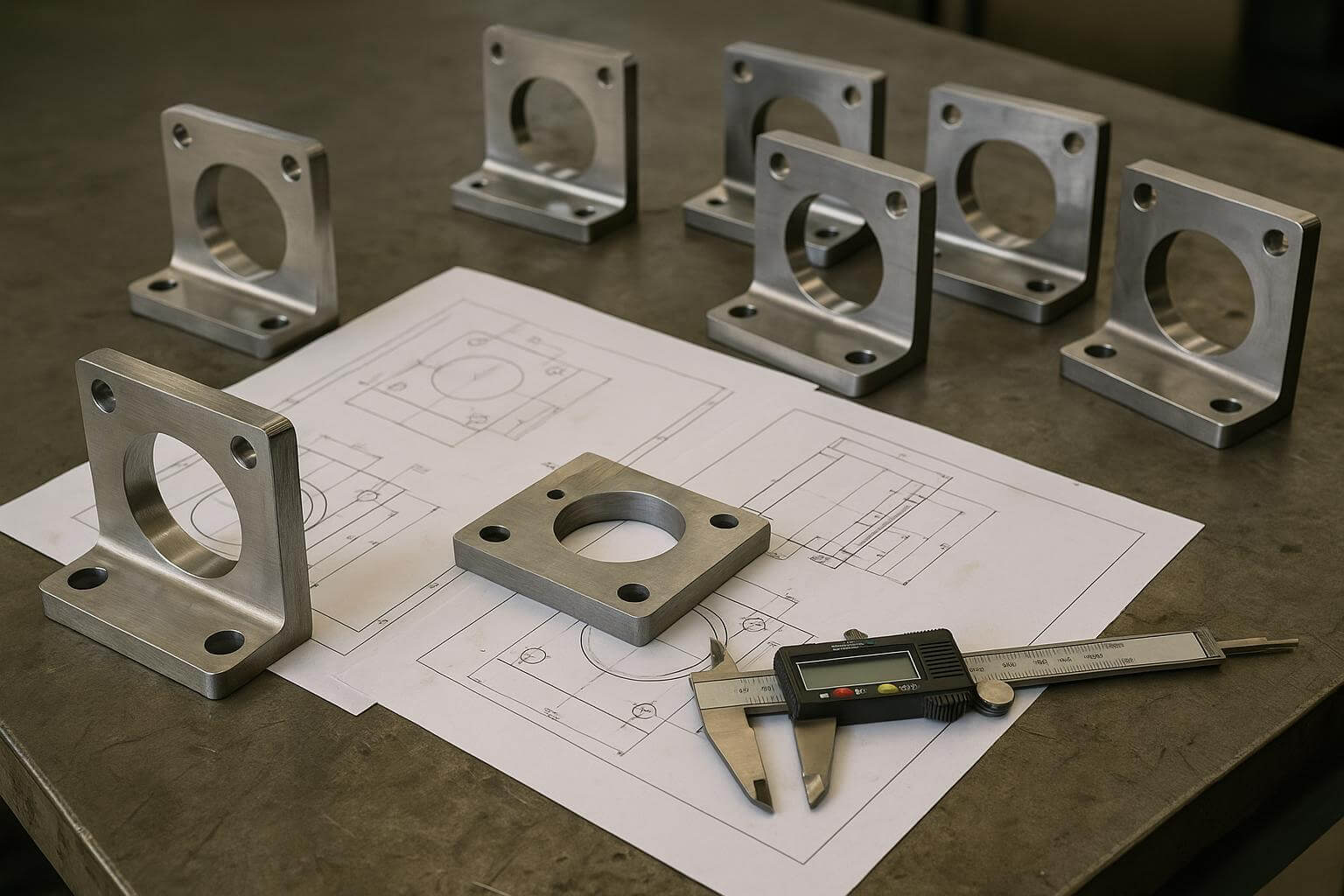
How Process Variability Affects Batch Consistency
Process variability is an often-overlooked factor that can significantly impact batch consistency. During the prototype phase, processes are typically more controlled and monitored closely. However, in batch production, the scale of manufacturing increases, and slight variations in cutting, bending, or welding can accumulate, resulting in parts that deviate from the expected standards. Consider a welded assembly for a frame; if welding parameters shift slightly due to equipment calibration or operator technique, the structural integrity might be compromised.
The Role of Tolerances and Specifications
Tolerances are a crucial aspect of ensuring batch consistency. Tight tolerances in the prototype might be achievable under controlled conditions but could pose a challenge in mass production. Without clear communication and understanding of acceptable variance, parts like brackets or frames may not fit together seamlessly in assembly, leading to functional issues or increased assembly time. It’s imperative to work closely with your fabrication partner to establish realistic tolerances that balance precision and manufacturability.
Ensuring Effective Communication with Your Fabrication Partner
Effective communication is the linchpin in maintaining batch consistency. Clearly outlining expectations in terms of materials, finishes, and tolerances in the RFQ stage can mitigate risks. Engaging with a reliable partner like Yishang can provide the necessary support in reviewing drawings and offering suggestions that enhance manufacturability while preserving design integrity. Regular updates and feedback loops during production can help catch potential issues early.
Ready to ensure your sheet metal parts meet your quality expectations? Send Yishang your drawings, material requirements, quantities, tolerances, and finish expectations to start your project with confidence.
Frequently Asked Questions
What should OEM buyers prepare before requesting a sheet metal fabrication quote?
Buyers should prepare drawings, material grade, sheet thickness, quantities, tolerance notes, finish expectations, and any assembly or inspection requirements. The clearer the RFQ, the fewer assumptions the supplier needs to make during quoting.
Why do sheet metal fabrication quotes vary between suppliers?
Quotes often vary because suppliers make different assumptions about tolerances, material yield, finishing steps, welding complexity, inspection needs, packaging, and lead time. A detailed RFQ helps buyers compare quotations on the same technical basis.
How can tolerance requirements affect fabrication cost?
Tight tolerances may require more controlled cutting, forming, fixturing, inspection, or secondary work. Buyers can control cost by separating fit-critical dimensions from non-critical dimensions instead of applying tight tolerances everywhere.
When is a prototype recommended before batch production?
A prototype is useful when the part has tight fit-up, visible surfaces, welded assemblies, complex bends, or mating components. It helps confirm manufacturability, assembly behavior, and finish expectations before larger quantities are produced.
What surface finish details should be included in an RFQ?
Buyers should specify finish type, color, coating thickness if required, cosmetic surfaces, corrosion expectations, masking areas, and any visual acceptance standard. This avoids finish-related rework or quote changes later.
How can Yishang support custom sheet metal fabrication projects?
Yishang can review drawings, clarify fabrication requirements, discuss materials and finishes, support prototypes, and prepare for batch production based on the buyer’s RFQ details.