
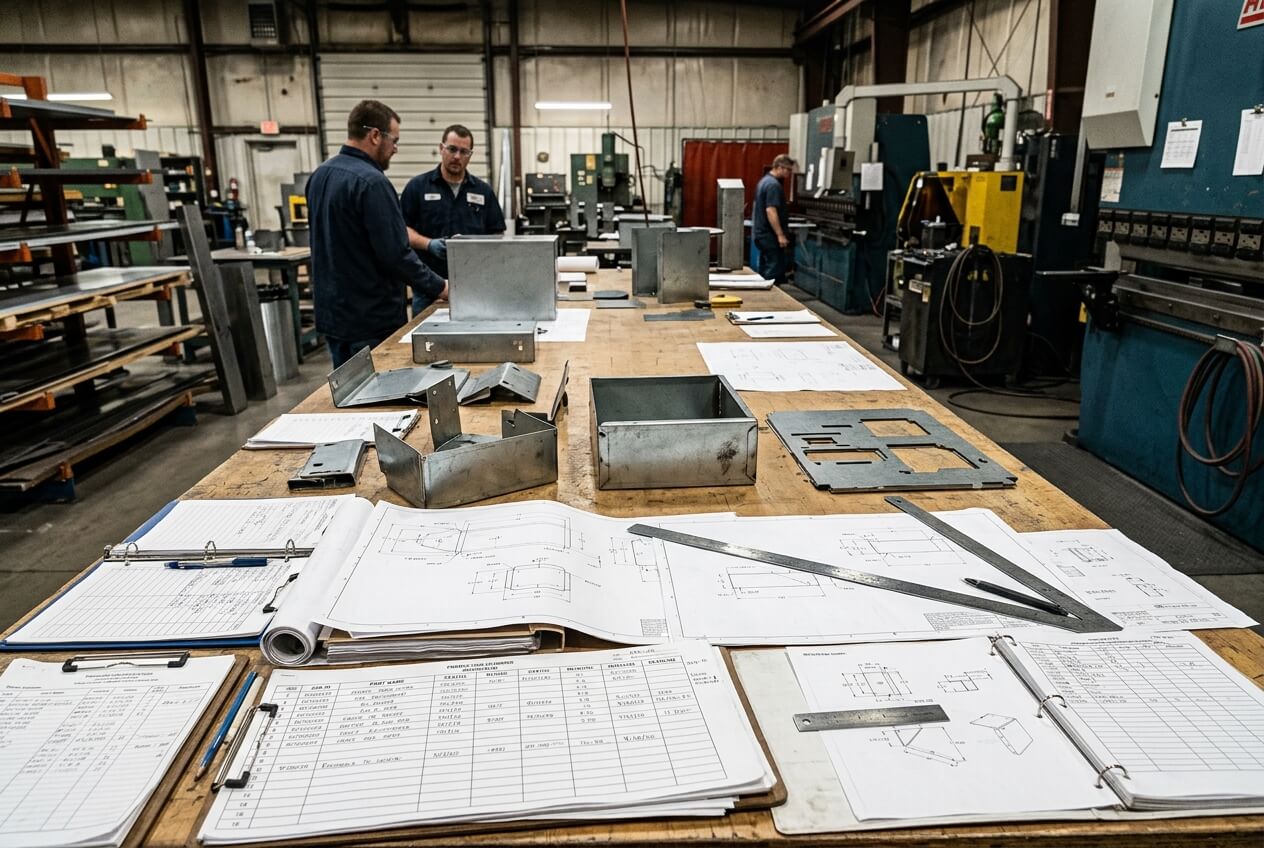
An OEM buyer approves a quote for powder-coated metal parts used in a machine enclosure. The package includes outer panels, two internal brackets, a hinged door, and a small welded base frame. Three suppliers quote similar unit prices. One supplier promises the shortest lead time, so purchasing releases the order and schedules assembly around that date.
Within a week, the schedule starts to move. The supplier asks whether the powder coat needs a texture sample, which surfaces count as cosmetic faces, whether hinge clearance includes coating thickness, and whether the welded frame needs a flatness report. None of these questions changes the basic product description. Each one changes when production can safely start.
This is the buyer risk that damages many custom sheet metal projects: the quote looks approved, but the release assumptions remain open. Buyers compare lead times as if every supplier counted from the same starting point. In reality, one quote may start after purchase order release. Another may start after final drawing approval, material confirmation, prototype sign-off, and finish approval.
A fast quote may not be a better schedule. It may only hide decisions that will stop cutting, bending, welding, coating, or assembly later. The safest procurement work happens before the purchase order, when buyers clarify which assumptions control the production clock.
Where RFQ Assumptions Turn an Approved Quote Into a Moving Schedule
Lead-time risk often starts in the RFQ, not on the factory floor. A sourcing team may send drawings, annual volume, target price, and a delivery request. That can look complete enough for budget pricing. It may not define the conditions needed for production release.
For custom metal parts, those conditions matter because each process depends on earlier decisions. Laser cutting needs the correct material grade and sheet thickness. Bending needs bend direction, grain direction, bend relief, and realistic inside radii. Welding needs fixture planning and distortion control. Powder coating needs color, texture, masking, and visible-surface standards. Assembly needs hardware, inserts, hinges, locks, and mating-part fit.
When the RFQ leaves these points open, suppliers quote different realities. One supplier adds time for drawing review and sample approval. Another assumes standard material and standard inspection. A third excludes coating approval from the quoted lead time. Procurement then compares days that do not mean the same thing.
The release point must be written, not assumed
A quote that says “15 working days” needs a start point. Does the clock start after purchase order, deposit, final drawings, material arrival, sample approval, or finish approval? If the quote does not say, the buyer may treat the date as firm while the supplier treats it as conditional.
This gap creates a consequence chain. The buyer books assembly labor. The supplier reviews the drawing after order release. Questions appear on finish, tolerances, and inspection. Engineering takes two days to answer. The supplier then orders material. Coating approval follows. A project that seemed late may never have been fully released.
A better RFQ asks suppliers to state included and excluded release conditions. That single requirement makes quotes easier to compare. It also exposes risky promises before the buyer commits to a launch date.
The Drawing Details That Change the Supplier’s Production Clock
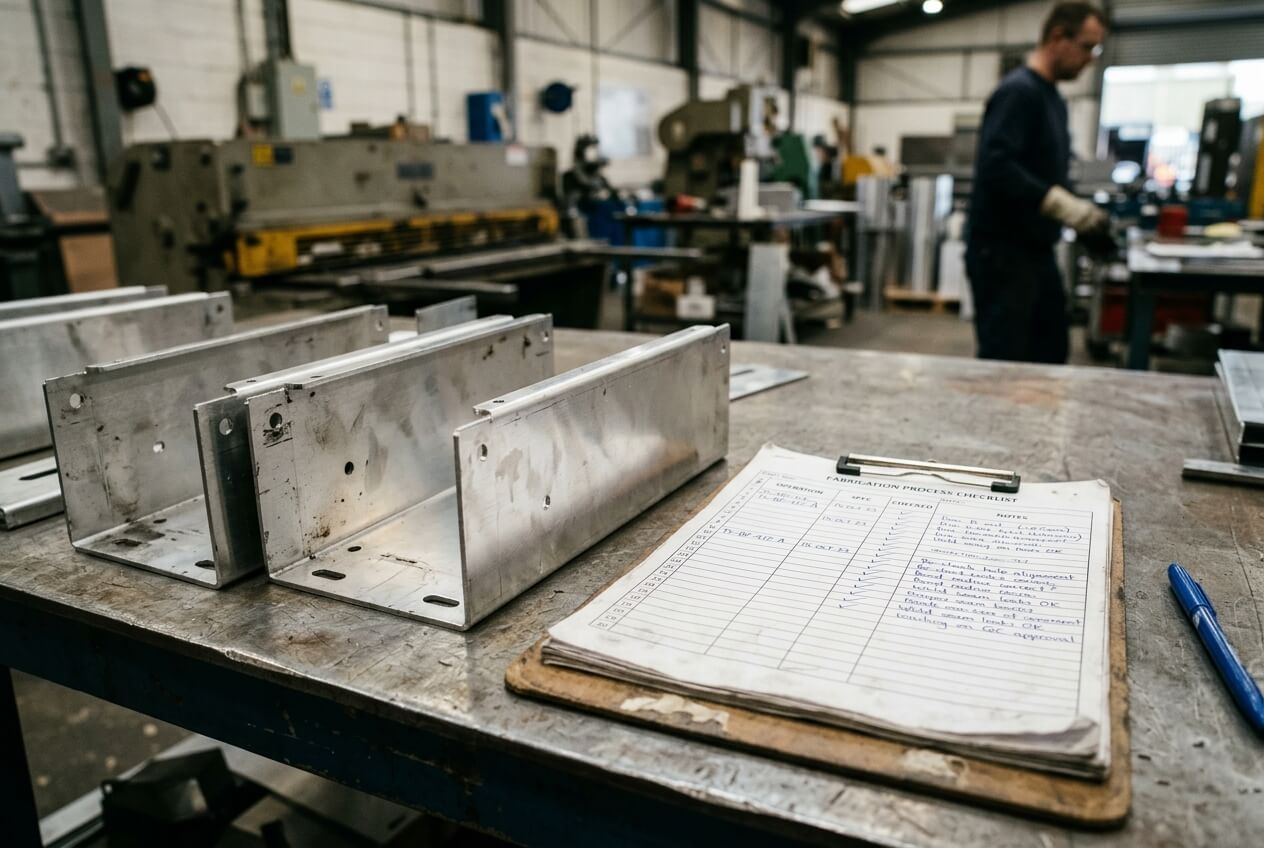
Drawings often contain enough geometry to price a part, but not enough information to protect the schedule. This difference matters. A supplier can estimate cutting and bending from a CAD file. The same supplier may still need clarification before buying material, building fixtures, coating parts, or approving shipment.
Small drawing gaps can become large schedule gaps because they appear late. A hole close to a bend may require relief. A tight tolerance across multiple bends may need extra inspection. A welded frame may need a datum scheme before anyone can judge squareness. A visible cabinet door may need a cosmetic standard that internal brackets do not need.
Material notes affect the start of fabrication
Many RFQs describe material too loosely. “Steel,” “stainless steel,” or “aluminum” may support an early price estimate. Those words do not always support immediate production. Grade, thickness, temper, surface condition, and approved substitutes can change both procurement time and forming behavior.
Consider a set of aluminum brackets for an equipment frame. The drawing says aluminum, 3 mm thick, with several formed flanges. The supplier quotes based on a common sheet grade. After order release, the buyer confirms 6061 because the bracket carries load. The material needs different bending assumptions and may not sit in stock. Cutting waits, forming review restarts, and the original lead time loses value.
The buyer can avoid this delay by naming the grade, acceptable substitutes, and approval process in the RFQ. If substitutes are allowed, suppliers can quote a realistic material path. If no substitutes are allowed, the lead time should include procurement.
Finish notes affect more than appearance
Finish details also change the schedule before coating begins. Powder coating requires color code, gloss, texture, pretreatment expectation, masking areas, hanging points, and cosmetic-face rules. These points affect queue planning and inspection. They also affect assembly fit.
A powder-coated metal enclosure may fit correctly before finishing, then bind after coating adds thickness around hinges or sliding panels. Mounting holes may accept screws in bare metal but become tight after coating buildup. If the drawing does not call out masking or clearance changes, the team may discover the problem after the first coated sample.
That discovery starts another chain. Parts return from coating. Assembly fails. Engineering debates whether to enlarge holes, mask areas, or accept a tighter fit. Rework competes with the original delivery date. Clarifying finish expectations during RFQ review prevents finished parts from becoming unfinished work.
Prototype Sign-Off Can Hide Batch Delays When Release Rules Stay Vague
Prototype approval reduces uncertainty, but it does not automatically release a batch. Many delays happen because the prototype passes, while the production rules remain unclear. Buyers approve what they can see. Factories must repeat what the process can control.
A prototype often receives extra attention. An operator may adjust a bend by hand, enlarge a hole slightly, polish a weld more than planned, or assemble parts with trial-and-error fitting. Those actions can help the sample pass. They can also hide conditions that will fail at quantity.
Batch production needs stable controls. Bend deductions, tooling, fixtures, weld sequence, inspection points, coating thickness, and packaging methods must match the approved intent. If prototype notes never reach the drawing or purchase order, the supplier may run the batch against incomplete information.
A bracket example where sample approval is not enough
An OEM approves a prototype mounting bracket for a motor base. The sample fits because the supplier opened two holes during finishing. The drawing still shows nominal hole sizes and tight spacing between bends. During the batch run, normal tolerance stack-up pushes several holes out of alignment with the motor base.
The problem did not start with poor cutting. It started when the prototype correction stayed informal. Production followed the drawing, not the sample adjustment. Inspection then sorts parts, engineering reviews rework, and assembly waits for corrected brackets.
A stronger release package would update hole size, tolerance, datum reference, or mating-part requirement before batch approval. It would also state whether the supplier must check the bracket against a fixture, mating sample, or key dimension report.
A welded assembly example where appearance hides distortion
A small welded frame for a display cabinet passes prototype review after grinding and powder coating. The photos look clean, and the outside dimensions seem acceptable. During batch production, heat input creates slight twist across the frame. Doors mounted to the frame no longer sit evenly.
If the drawing does not define flatness, squareness, or critical mounting datums, both sides lose time near shipment. The buyer sees an assembly-fit problem. The supplier sees an undefined acceptance standard. The schedule now carries sorting, possible straightening, recoating risk, and shipment delay.
Prototype sign-off should therefore include production release notes. Buyers should ask what changed during sampling, what required hand correction, and what needs a drawing update. Yishang can review prototype comments for custom sheet metal fabrication projects and flag points that may affect batch consistency before quantity release.
How to Compare Quotes by Release Conditions, Not Promised Days
Procurement teams cannot remove every uncertainty before sourcing. They can still force the right uncertainties into the quote. This changes the comparison from “Which supplier promised the fewest days?” to “Which supplier defined the most reliable production path?”
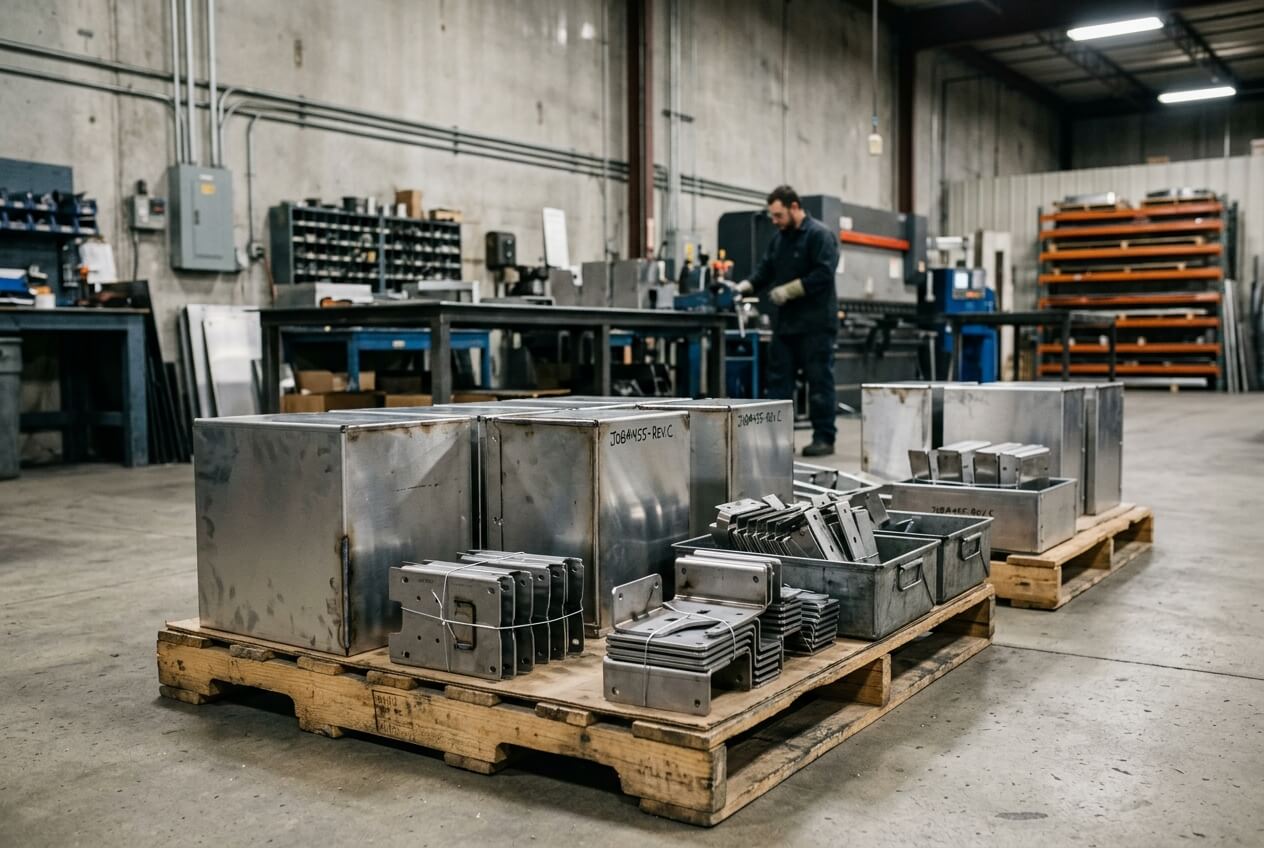
The most useful quote response separates confirmed requirements from open decisions. It states the lead-time start point, material assumptions, finish assumptions, prototype gate, inspection scope, and shipment packaging. It also identifies buyer-side items that may stop production, such as hardware, labels, mating parts, or approval samples.
Questions that reveal hidden schedule risk
Ask suppliers when they can release cutting. If they cannot release cutting until final drawings arrive, the quote should say so. Ask whether material procurement time sits inside the quoted lead time. If the material is unusual, the answer matters more than a small unit-price difference.
Next, ask which finish decisions must close before fabrication. Coating may happen later, but masking, clearance, hanging, and cosmetic standards can affect hole sizes, bend design, and assembly planning. A finish decision left until the end can create rework in parts that already passed fabrication.
Inspection questions deserve the same attention. If the buyer needs a first article report, key dimension report, fit check, coating photos, thread inspection, or packaging trial, the supplier should include that work in the schedule. Otherwise, final inspection becomes an unplanned operation at the worst time.
Cost drivers also follow release clarity
RFQ ambiguity does not only damage lead time. It also distorts cost. A supplier who assumes standard tolerances, standard packaging, and normal visual inspection may quote a lower price. Another supplier may include fixture checks, tighter inspection, masking labor, and protective packaging. Those quotes do not represent the same scope.
Buyers should not turn every drawing into an over-specified document. Over-control can increase cost without improving function. The practical goal is to identify the few details that control assembly, appearance, compliance, and shipment readiness. Those details deserve clear release rules.
For example, a cabinet front panel may need strict cosmetic control, while internal reinforcement plates only need functional coating coverage. A welded frame may need a flatness check across mounting pads, while non-contact areas can use normal fabrication tolerances. This targeted clarity protects the schedule without forcing unnecessary inspection across every surface.
Before accepting a schedule, ask the supplier to confirm what remains open and what happens if those items change. This conversation can feel slower than approving the fastest quote. It often saves more time than it costs.
Need a clearer RFQ before comparing suppliers? Send Yishang your drawings, material requirements, target quantities, tolerance notes, finish expectations, prototype comments, assembly needs, and packaging requirements. The team can review the release assumptions behind your custom metal parts and help identify which open items may affect cost, lead time, and batch consistency. Visit Yishang to share project details.
Frequently Asked Questions
Why can approved quotes for metal parts still miss the planned delivery date?
Approved quotes slip when the lead-time start point remains unclear. A supplier may count from final drawing approval, material arrival, prototype sign-off, or coating approval instead of purchase order date. Buyers should require each quote to define the release conditions behind the schedule.
What RFQ details most often change the schedule for custom sheet metal parts?
Material grade, thickness, bend requirements, tolerance expectations, coating specifications, masking, inspection reports, prototype approval, and packaging can all change the schedule. These details affect production release, not only final inspection. Clarify them before comparing supplier lead times.
How can finish expectations delay powder-coated enclosures?
Powder coating can delay enclosures when the RFQ lacks color code, gloss, texture, cosmetic-face rules, masking areas, or sample approval requirements. Coating thickness can also affect hinge, lock, and panel clearance. Finish decisions should appear before fabrication starts.
Why does prototype approval not always protect batch consistency?
A prototype may include hand adjustment, enlarged holes, extra polishing, or a special assembly method. If those changes do not reach the drawing and production notes, the batch may follow the original design and fail fit checks. Convert prototype findings into release documents.
How should buyers compare supplier lead times more safely?
Compare lead times by release conditions. Ask when the clock starts, whether material procurement is included, which approvals are required, and what inspection records ship with the order. A longer quote with clear assumptions may carry less risk than a faster quote with open conditions.
What should buyers send with an RFQ for fabricated brackets, frames, or enclosures?
Send current drawings, 3D files if available, material requirements, quantities, tolerance notes, finish expectations, cosmetic surfaces, prototype comments, mating-part information, inspection needs, and packaging requirements. This helps suppliers quote the same scope and expose schedule risks earlier.