
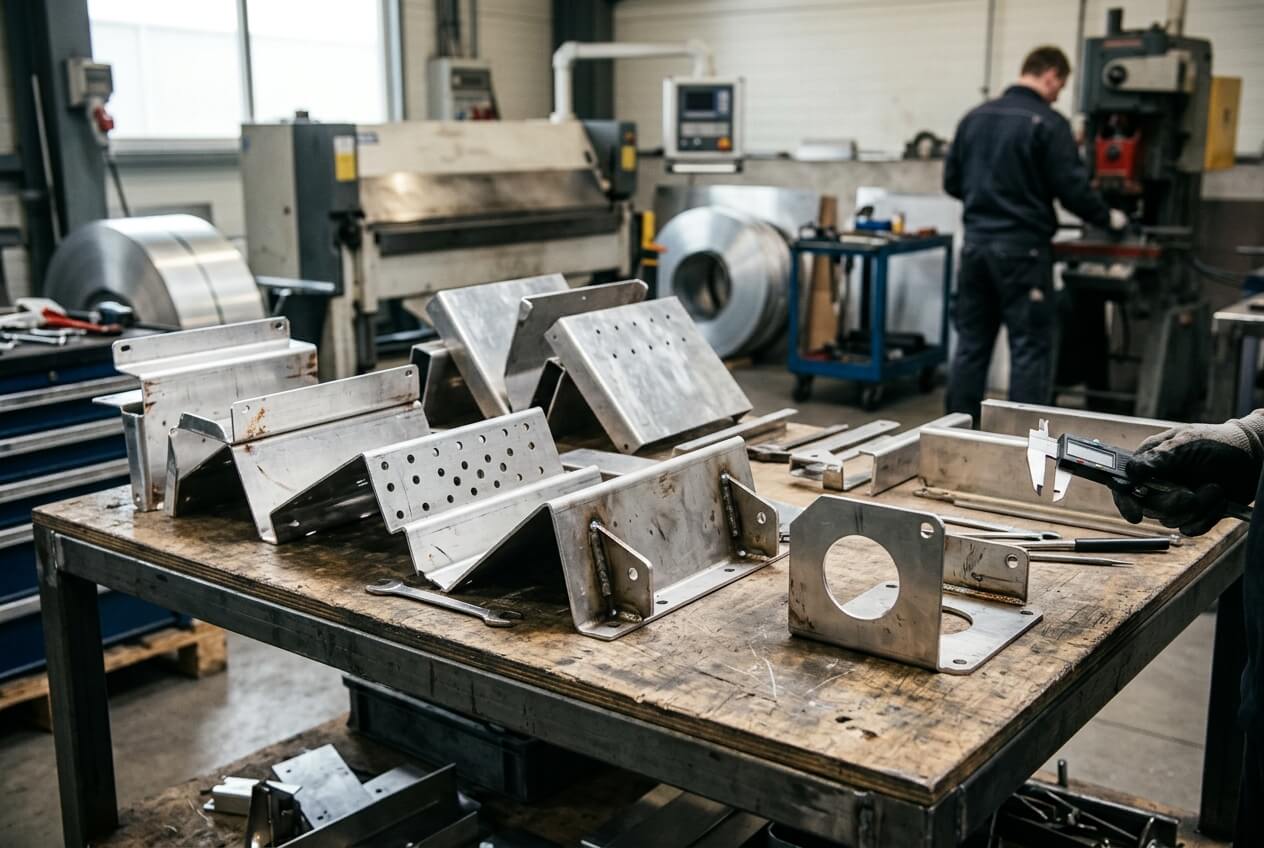
An OEM buyer sends drawings for aluminum control-box covers, bent brackets, and an outdoor display frame. The finish note says: aluminum powder coating, black, outdoor use. One supplier prices exterior polyester powder with standard pretreatment. Another adds masking for every thread, stricter film thickness control, and cosmetic packaging. A third includes primer because “outdoor” sounds severe.
The three prices now describe three different parts. Procurement may think it has found a low-cost supplier. Engineering may think the coating will protect the assembly. Production may later discover tight holes, scratched panels, weak adhesion, or a finish that does not match the approved prototype.
The dominant risk is RFQ ambiguity. Aluminum powder coating does not create the problem by itself. The problem starts when a short finish note forces each supplier to guess the same missing decisions. Those guesses affect cost, lead time, assembly fit, inspection, and batch consistency.
A useful RFQ does not need a long coating manual. It needs enough detail to make supplier assumptions visible before price comparison. That protects the buyer from paying for unnecessary controls while still keeping the requirements that protect the finished product.
Vague coating notes make suppliers quote different products
Broad finish wording often looks safe in an RFQ. Phrases such as premium finish, marine grade, no color deviation, heavy duty, UV resistant, or corrosion resistant sound protective. In practice, they often push suppliers toward different interpretations.
One fabricator may treat “corrosion resistant” as a normal polyester powder over cleaned aluminum. Another may assume conversion coating, primer, and a defined salt spray target. A third may price basic decorative powder because the drawing does not state test requirements. The buyer receives three unit prices, but none of them share the same finish scope.
This weakens procurement control. The lowest price may omit masking, pretreatment, or packaging that the assembly needs. The highest price may include primer, color measurement, and salt spray testing that the product will never justify. Both outcomes create risk. One hides future quality cost. The other inflates the purchase price without improving the part.
Example: indoor panels with copied outdoor wording
A buyer reused a finish note from a roadside cabinet on an indoor aluminum instrument panel. The drawing asked for outdoor-grade powder, high corrosion resistance, and tight color control. Suppliers priced stronger pretreatment and tighter inspection. After review, the panel only needed a clean black textured finish for indoor use and moderate handling resistance.
The cost driver did not come from the aluminum sheet or laser cutting. It came from finish language copied into the wrong project. A clearer note would separate the cosmetic requirement from the exposure requirement. It would also tell suppliers which surfaces matter to the end customer.
Pretreatment assumptions hide the largest quotation gap
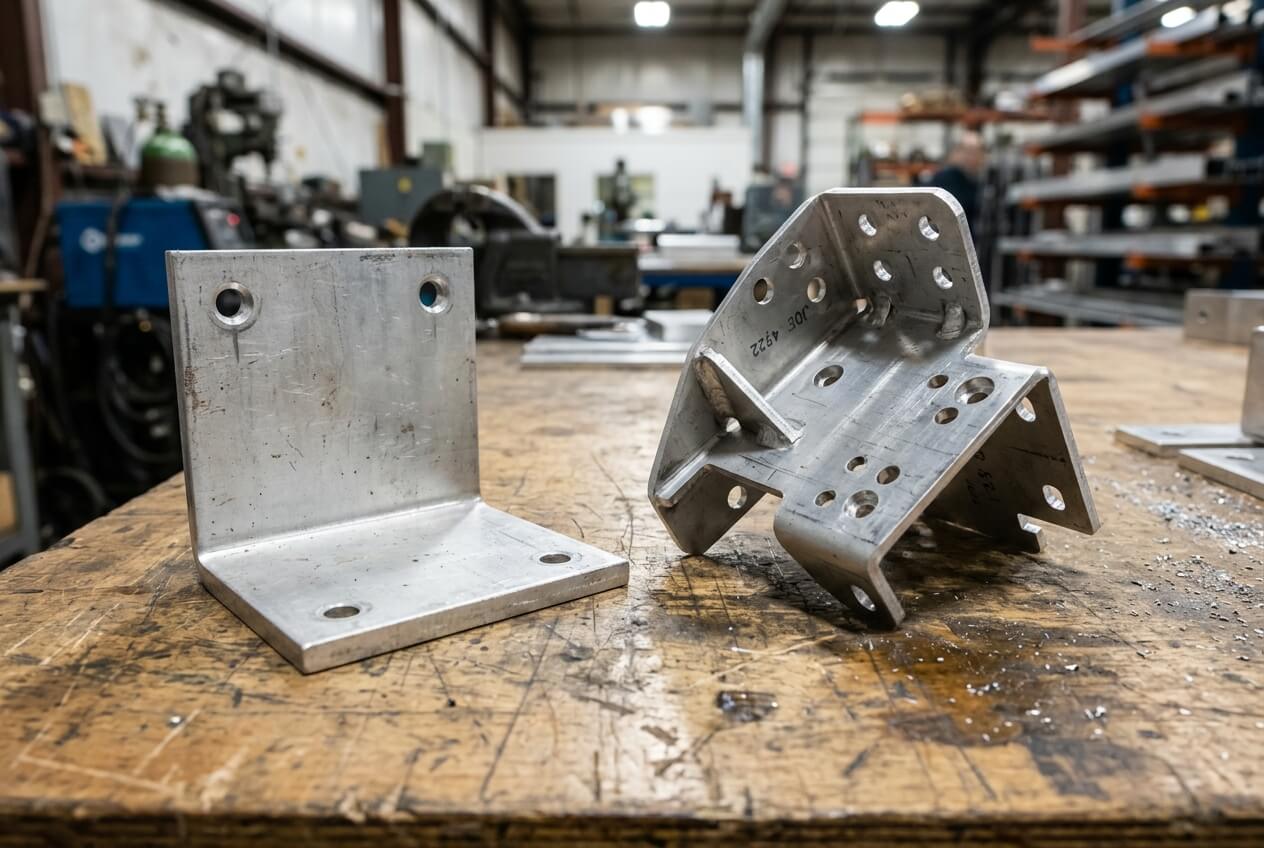
Buyers often see aluminum powder coating as the visible black, white, gray, or textured layer. Fabricators see a process route. Cleaning, etching, conversion coating, drying, handling, powder type, curing, inspection, and packing all affect the quote.
Pretreatment creates a major hidden gap. Aluminum parts may carry cutting fluid, bending oil, weld residue, fingerprints, or oxide. A flat laser-cut panel does not present the same risk as a welded aluminum enclosure with corners and heat-affected zones. If the RFQ only says “powder coat aluminum,” each supplier decides how much surface preparation to include.
Powder selection adds another layer. Epoxy powder can suit some indoor chemical environments, but many epoxy systems do not suit long outdoor UV exposure. Polyester powder often fits exterior aluminum sheet metal parts. Hybrid powders may suit indoor brackets and covers. Higher-weathering systems can help in demanding exterior projects, but they may affect cost, color range, and lead time.
The RFQ should connect the finish to the service environment. Indoor dry use, outdoor rain, coastal exposure, chemical contact, and high UV do not need the same coating basis. Without that context, suppliers either protect themselves with expensive assumptions or underquote the real requirement.
Example: outdoor cabinet versus internal bracket
An outdoor aluminum cabinet door may need exterior polyester powder, conversion coating, defined film thickness, and protected packing. The internal reinforcement bracket inside the same cabinet may only need basic corrosion protection and no tight color match. If the RFQ applies one premium finish note to every component, the buyer pays cosmetic cost on hidden parts.
Yishang can review drawings and finish notes during RFQ preparation for custom sheet metal parts, including enclosures, brackets, frames, and welded assemblies. The value of that review comes from exposing assumptions before quote comparison, not from making every finish requirement stricter.
Coating thickness can break assembly fit after the price is accepted
Aluminum powder coating adds measurable thickness. A typical target may sit around 60 to 100 microns, depending on the powder, geometry, grounding, and inspection standard. That build can help coverage on broad faces. It can also create assembly problems near threads, slots, hinges, gasket seats, countersinks, and mating flanges.
The issue usually starts in the drawing. Engineering defines a hole, slot, or flange tolerance for the bare metal part. Procurement then adds a finish note without confirming whether the final coated condition still fits. The supplier must choose between coating through, masking, post-cleaning, or leaving some areas bare.
Each choice changes cost and risk. Masking threads adds labor and consumables. Cleaning threads after coating can chip edges. Coating a grounding surface may break electrical continuity. Leaving a gasket seat uncoated may expose bare aluminum that the customer did not expect. If the buyer does not define the priority, the supplier’s quote contains an assumption.
Functional areas need different rules from cosmetic faces
A customer-facing enclosure cover may need a smooth visible surface, consistent texture, and scratch-protected packaging. The inside flange may need conductivity. A hinge slot may need a maximum coating build-up. A machined mounting pad may need no powder at all.
These are not only finishing choices. They affect tolerances, assembly sequence, inspection, and rework. A bracket with M5 threaded holes may pass visual inspection but fail when screws bind during final assembly. A welded frame may look acceptable but sit out of position because powder built up on mating pads.
Buyers should mark functional surfaces on the drawing. State which threads need masking, which grounding pads must remain bare, which gasket seats can receive powder, and where maximum coating thickness matters. This keeps the supplier from pricing a decorative finish while the product needs a controlled assembly finish.
Prototype approval does not freeze the batch unless acceptance is measurable
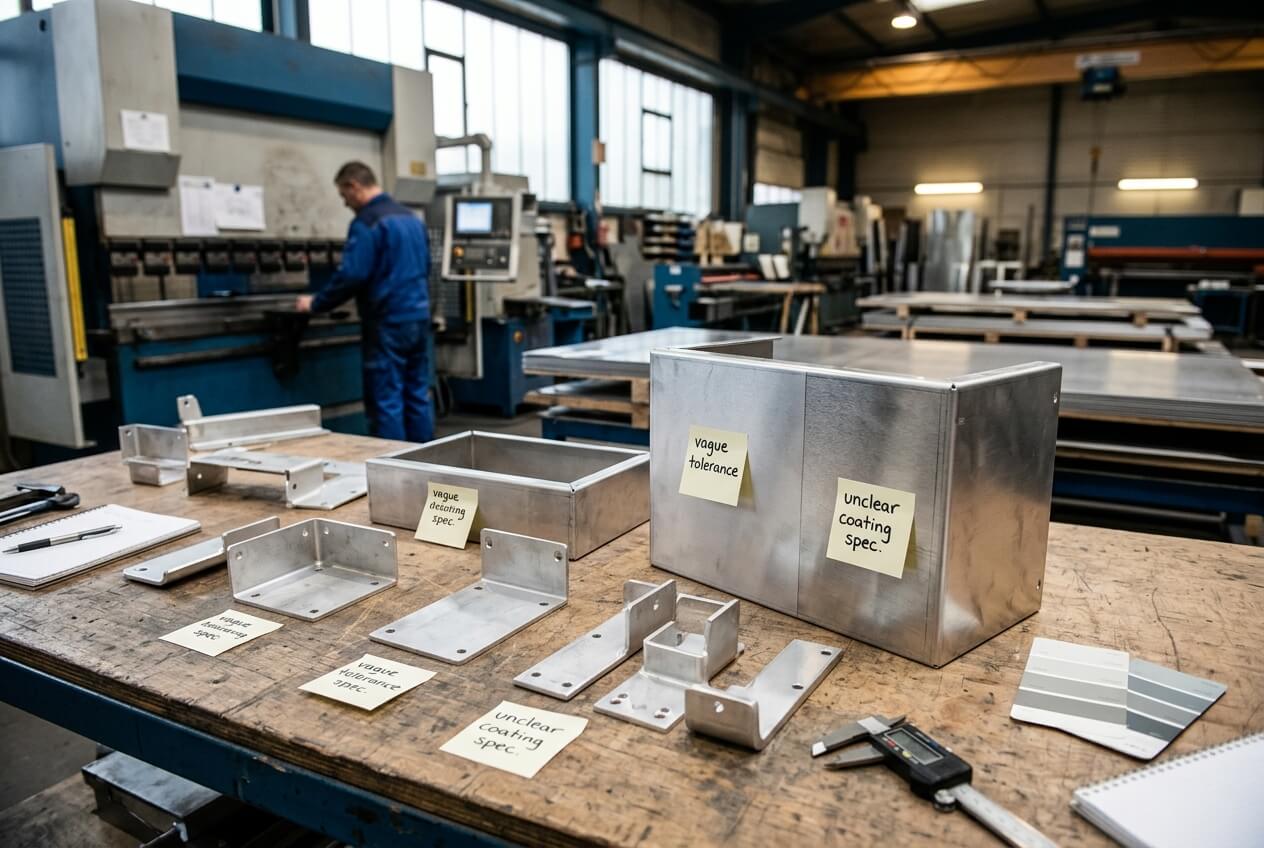
Many finish disputes start after a buyer approves a prototype. The prototype looks good, the photo enters the project file, and procurement releases the batch. Later, production parts arrive with slight color shift, different gloss, visible orange peel, small handling marks, or less coverage inside corners.
The supplier may not have changed the process. The prototype may have received extra attention, manual touch-up, or individual wrapping. Batch production exposes normal process variation. If the approval record only says “finish approved,” the buyer and supplier have no measurable standard to resolve the dispute.
Color, gloss, texture, film thickness, adhesion, edge coverage, and visual defects need practical limits when they matter. Not every aluminum part needs the same controls. A front panel on a machine may need a color chip, gloss range, viewing distance, and protected packing. An internal bracket may only need adhesion and basic coverage. An exterior enclosure may need defined pretreatment, exterior powder, and a corrosion test linked to the real environment.
Packaging also affects batch consistency. Powder-coated aluminum panels can scratch when large faces touch during export shipment. A sample may arrive wrapped in foam, while the production lot may use stacked cartons to reduce freight volume. If the RFQ does not define cosmetic surface protection, the supplier may choose standard packing and still believe it met the finish note.
Freeze the prototype standard in writing. Record the approved powder code, color reference, gloss range if required, texture, film thickness target, masking plan, and packing method. If the prototype needed rework, include that correction in the batch file. Otherwise, the first production run may repeat a known problem.
Clarify the coating scope before comparing unit prices
Procurement gains leverage when suppliers quote the same finish scope. The RFQ should not overload every aluminum powder coating project with extreme requirements. It should separate critical controls from preferences and from negotiable items.
Start with the product risk. Define the service environment, aluminum grade if fixed, quantity, tolerances, and assembly interfaces. Then describe the finish expectation in terms that affect production: powder type or performance level, pretreatment requirement, film thickness range, masked areas, cosmetic A-surfaces, inspection method, and packing expectations.
Supplier communication should happen before the purchase order, not after the first coated parts arrive. Ask each supplier to state its coating assumptions in the quotation. A useful quote should identify whether it includes conversion coating, primer, exterior polyester powder, thread masking, color control, salt spray testing, special packing, or post-coating cleaning.
Lead time also changes with scope. Standard powder colors may move quickly. Special colors, higher-weathering powders, primer plus topcoat, lab testing, or approved sample panels can extend the schedule. When the RFQ hides these needs, the supplier may quote a fast delivery and then request changes later.
Yishang reviews RFQs for laser-cut, bent, welded, and powder-coated aluminum parts when buyers share complete drawings and finish expectations. That review helps procurement compare the real cost of the required part, not the cost of each supplier’s guess.
Send a clearer coating RFQ: For aluminum enclosures, brackets, panels, frames, cabinets, or welded assemblies, send Yishang your drawings, material requirements, quantities, tolerances, coating notes, masking needs, cosmetic surface expectations, prototype feedback, packing requirements, and assembly constraints. Share the project through Yishang so fabrication and aluminum powder coating assumptions can be checked before final supplier comparison.
Frequently Asked Questions
What is the biggest procurement risk in aluminum powder coating RFQs?
The biggest risk is not the coating process itself. It is unclear RFQ wording that lets each supplier assume a different pretreatment, powder type, masking method, inspection level, and packing method. That makes quotations difficult to compare.
Which finish details should appear on drawings for powder-coated aluminum parts?
Mark the service environment, cosmetic surfaces, masked threads, grounding pads, gasket seats, mating faces, film thickness limits, color reference, gloss needs, and packing expectations. These details help suppliers price the same part and reduce later assembly disputes.
When should buyers specify conversion coating or primer?
Specify conversion coating or primer when the product environment justifies it, such as outdoor exposure, coastal use, demanding corrosion expectations, or customer test requirements. For indoor cosmetic parts, these controls may add cost without improving function.
Can powder coating thickness affect sheet metal tolerances?
Yes. Powder build can reduce clearance in slots, threaded holes, hinge areas, countersinks, and mating flanges. If the final coated dimension matters, define masking or maximum coating build-up before suppliers quote.
Why can a prototype finish look different from the production batch?
A prototype may receive extra handling, manual touch-up, or special packing. Batch production introduces normal variation in color, gloss, texture, coverage, and handling. Buyers should record measurable approval standards before releasing production.
What should buyers ask suppliers to confirm in the quotation?
Ask suppliers to confirm powder type, pretreatment basis, primer inclusion, film thickness range, masking assumptions, cosmetic inspection method, corrosion or adhesion tests, packing method, and any finish-related lead time impact.