

An OEM buyer sends an RFQ for a powder-coated sheet metal enclosure. The drawing shows M6 fasteners, but several holes only say “clearance hole.” Three suppliers quote the same part. One selects a close fit from a hole clearance chart. One applies a normal shop allowance. Another opens the holes because powder coating will reduce the finished diameter.
The unit prices look close, but the quotes do not describe the same product risk. The problem appears during assembly. Some screws pass through easily. Others bind after bending and coating. A welded bracket no longer lines up with the enclosure base. The prototype looked acceptable, yet the first batch needs sorting, hand chasing, or rework.
This is the procurement risk: an RFQ can look complete while it still leaves clearance hole function to supplier interpretation. A hole clearance chart helps choose a starting diameter. It does not define inspection timing, coating condition, hole position datums, or the difference between an access hole and a locating pattern. Buyers need to control those assumptions before comparing quotations.
RFQ Ambiguity Turns One Clearance Hole Note into Several Different Quotes
The phrase “M6 clearance hole” sounds specific. In sheet metal fabrication, it still leaves several choices open. The supplier must decide close fit, normal fit, or loose fit. The team also has to decide whether the hole must work after laser cutting, punching, bending, welding, deburring, powder coating, and final assembly.
Those choices affect the price. A close-fit hole may need better diameter control, extra deburring, post-forming checks, or a secondary drilling operation. A loose-fit mounting hole may suit field installation and reduce assembly pressure. A normal clearance hole often works for general bolted sheet metal parts, but not for every hinge, latch, PCB mount, or motor plate.
The quote changes before anyone changes the drawing
Suppliers may read the same drawing and build different process plans. One may laser cut all holes in the flat and perform standard deburring. Another may drill critical holes after forming. A third may punch the holes and inspect only the flat blank. Each quote can appear compliant because the drawing did not define the hole function.
This creates a false comparison. The lower price may carry more assembly risk. The higher price may include inspection or secondary operations the buyer did not request clearly. Procurement then compares margins instead of comparing assumptions.
A better RFQ separates hole types. Mark holes that only provide screw access. Mark holes that locate a component. Mark patterns that must match a mating part. If a preferred hole clearance chart applies, state the fit class and the finished condition. That small note gives suppliers a common basis for pricing.
For example, a wall-mounted cabinet may use loose rear mounting holes because installers need site adjustment. The same cabinet may need tighter hinge holes because they control door gap and latch engagement. Using one general clearance note for both features invites disputes later.
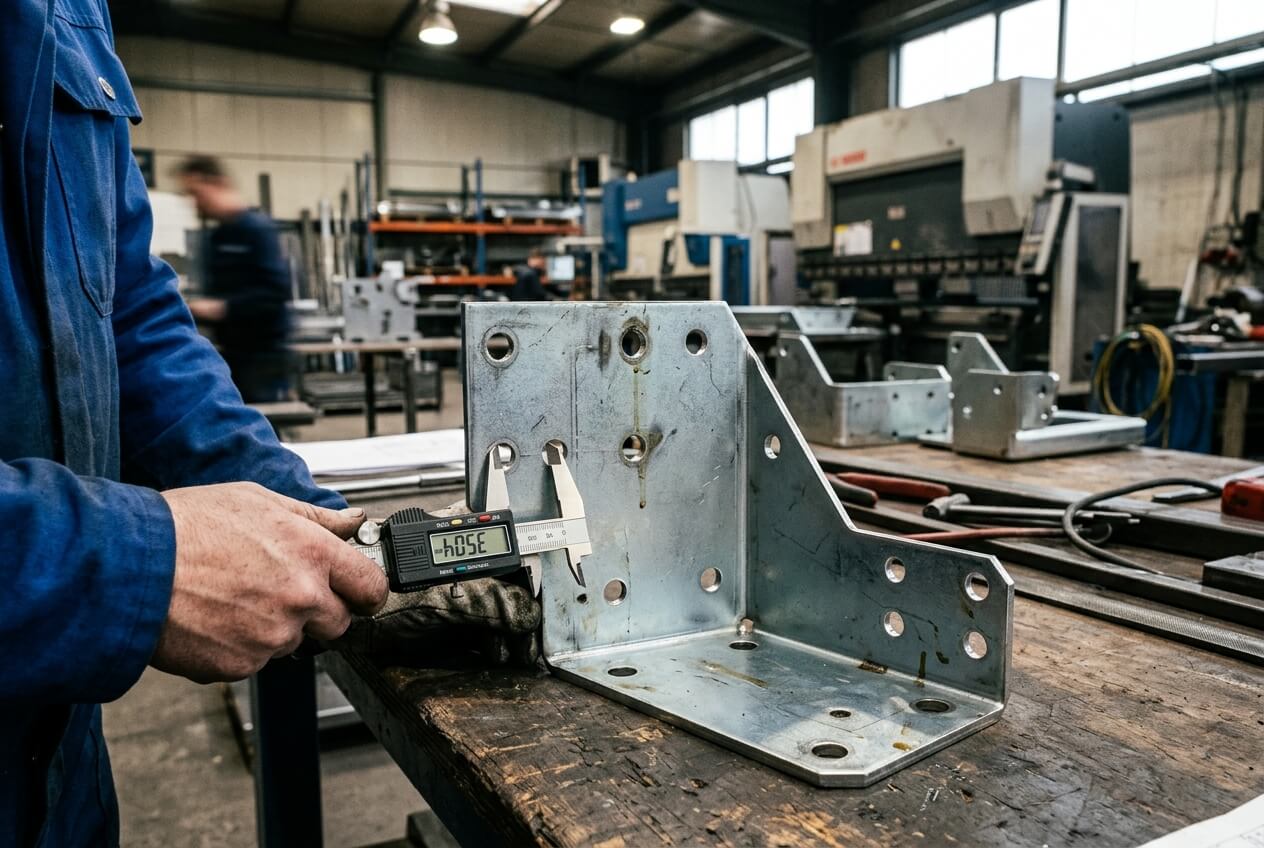
The Chart Diameter Does Not Control the Hole After Forming, Welding, and Coating
A hole clearance chart lists a nominal diameter for a fastener and fit class. The fabricated part then passes through processes that can change how that hole functions. Buyers who only control the chart value may still receive parts that pass diameter checks but fail assembly.
Laser cutting can produce accurate holes, yet small holes in thicker material need review. Pierce marks, taper, and heat effects can affect close-fit fasteners. CNC punching gives speed in batch production, but punch clearance, tool wear, burr direction, and hole-to-edge limits matter. Drilling or reaming can improve a critical hole, but those steps add cost and time.
Finished diameter and usable clearance are not always the same
Powder coating often exposes the gap between drawing intent and inspection reality. Coating buildup inside holes reduces practical clearance. The effect becomes more visible on smaller fasteners, close-fit holes, and holes near corners or recesses. If the RFQ does not state whether inspection occurs before or after coating, the supplier may check the cut size while the buyer checks the finished assembly.
A powder-coated motor bracket shows the consequence chain. The drawing calls out M8 clearance holes. The supplier cuts the holes to the chart value and coats the part. The coating narrows the opening just enough to make bolts hard to start. Assembly workers force the bolts, scratch the finish, and slow the line. The dispute does not start at assembly. It starts when the RFQ fails to say whether the functional hole must pass after coating.
Bending and welding can create a similar problem. A flat panel may pass individual hole diameter inspection. After forming, the position shifts relative to a flange. After welding, heat pull moves the pattern further. The fastener still fits each hole, but the set of holes no longer matches the mating bracket.
To prevent this, the drawing should connect diameter to function. State whether the supplier should mask the hole, chase the hole after coating, inspect with a go/no-go pin, or accept coating buildup. For critical patterns, define the datum from the formed edge, bend line, fixture, or mating component. This keeps the hole clearance chart from becoming a substitute for an assembly requirement.
Critical Hole Patterns Need Different Treatment from Low-Risk Access Holes
Many buyers respond to a fit issue by tightening every hole tolerance. That reaction raises cost and can still miss the real failure mode. The goal is not to make every clearance hole precise. The goal is to control the holes that create a procurement and production dispute if they fail.
Ventilation holes, cable access holes, and non-visible service holes often need consistent appearance more than tight diameter control. Slotted installation holes may need loose clearance by design. Hinge holes, latch holes, PEM hardware locations, motor mounting holes, and customer-supplied PCB patterns carry higher risk because they control function.
Over-controlling every hole makes quotes less useful
If the drawing applies tight tolerances to all holes, suppliers may add inspection time, slower cutting parameters, drilling, or fixture checks. The quote increases, and lead time may extend. Yet the buyer still may not get the right protection if the inspection datum does not match the assembly condition.
If the drawing marks no holes as critical, the opposite problem appears. The quote may look attractive because the supplier assumes standard fabrication inspection. Production then discovers that a hinge pattern needs post-coating control or that a welded frame anchor pattern requires fixture verification.
A practical drawing note might identify a pattern as functional and inspectable in the finished condition. Another note might allow general holes to follow normal fabrication tolerances. This split helps procurement compare real cost drivers. It also helps production avoid overprocessing low-risk features.
Consider a sheet metal display rack with laser-cut side panels and welded support tubes. The shelf holes may need to match several cross-members across the frame. Ventilation or branding holes may only need cosmetic consistency. If the RFQ treats both groups the same, one supplier may waste time inspecting decorative holes while another misses the shelf pattern that drives assembly fit.
Yishang can review drawings at the RFQ stage and help buyers separate functional clearance holes from general holes. That review matters most before quotation because it shows which holes can follow standard laser cutting or punching and which holes need extra control.
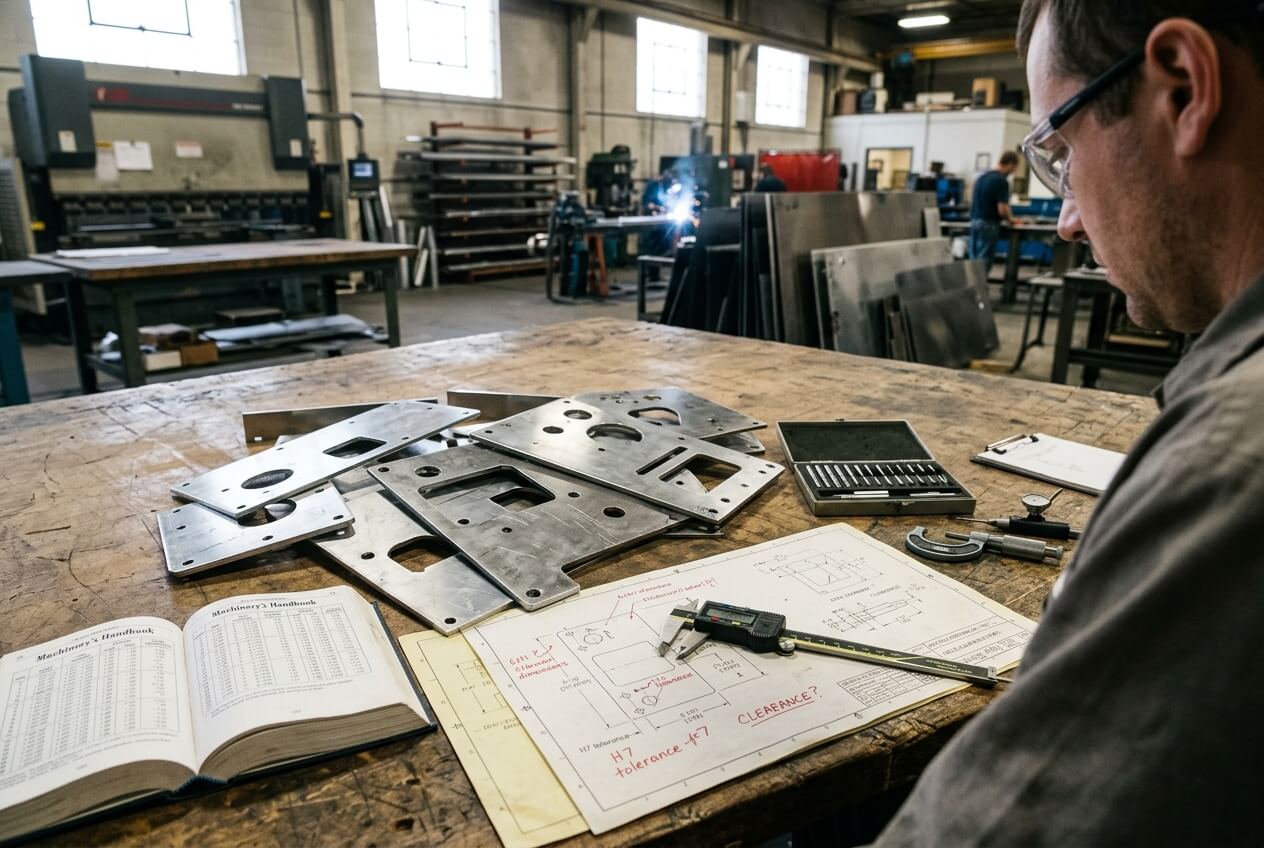
Prototype Approval Can Hide Hole Corrections That Fail in Batch Production
A prototype can pass while the production plan remains unclear. This happens when workers make small manual corrections during sample fitting. They deburr a hole more carefully, chase a coated hole, loosen a bracket during assembly, or slightly enlarge one mounting point. The prototype then looks acceptable, but the process record does not capture the adjustment.
Batch production does not always repeat that informal attention. Parts may use a different nest. Punch tools may wear. Operators may follow a standard deburring route. Weld sequence may change. Powder coating thickness may remain within specification but vary enough to reduce clearance. Each change looks small. Together, they can create a fit problem across dozens or hundreds of parts.
The sample should prove the process, not only the shape
Buyers should ask what the prototype actually proved. Did the sample use the same hole-making process planned for the batch? Did anyone adjust holes after coating? Did the supplier inspect the hole pattern in the flat, formed, welded, coated, or assembled condition? Did the sample rely on manual alignment that production workers cannot repeat efficiently?
A welded equipment frame gives a common example. One prototype frame bolts to a base plate after workers nudge the structure during assembly. The buyer approves it. In batch production, several frames must mount side by side. Weld pull varies slightly, and anchor holes no longer align without forcing the bolts. The prototype did not reveal the risk because no one recorded the amount of manual correction.
For enclosures, the hidden issue often appears at hinges and latches. One door sample closes after workers clean coating from the hinge holes. The batch uses the same nominal hole diameter, but coating buildup remains. Door gaps vary, latch engagement changes, and the assembly line slows down.
Before releasing the batch, convert prototype lessons into drawing or inspection requirements. Note any hole chasing, masking, special deburring, post-coating pin check, or fixture check. If a hole clearance chart value changed after trial assembly, update the drawing before procurement locks the price and lead time.
Yishang can use prototype notes, mating part drawings, and finish expectations to review which clearance holes need finished-condition verification before batch production.
What to Clarify Before Comparing Clearance Hole Quotes
Procurement teams do not need to overcomplicate every RFQ. They need to remove the assumptions that cause suppliers to quote different risks. A clear clearance-hole package gives suppliers enough information to price the same work scope and protect assembly fit.
Start with the fastener and fit intent. Use terms such as M6 close fit, M6 normal fit, or M6 loose fit. If your company follows a specific hole clearance chart, include it or reference the standard. Then identify the hole patterns that affect assembly, appearance, service access, or field installation.
Clarify the inspection condition before price comparison
State when the hole must meet the requirement. Some holes only need to meet cut size before forming. Others must pass after bending, welding, coating, or final assembly. For powder-coated parts, note whether holes may keep coating, need masking, require chasing, or need go/no-go inspection after finishing.
Define the position datum for critical patterns. A hole measured from a flat-pattern edge may not represent how the formed part mounts. Enclosures, brackets, frames, and welded assemblies often need inspection from a formed edge, functional face, fixture, or mating component. This prevents arguments over parts that measure correctly but assemble poorly.
Also explain tolerance priorities. Tighten holes that locate parts or affect visible alignment. Allow normal fabrication tolerances on low-risk access holes. This reduces unnecessary cost and protects the features that matter. It can also shorten lead time because suppliers do not need secondary operations on every hole.
Supplier communication should happen before final quote comparison, not after a failed batch. Ask each supplier to confirm hole-making method, deburring approach, coating assumptions, inspection timing, and any secondary operations. When answers differ, the buyer has found a quote assumption, not just a price difference.
Send Yishang the risk details before the batch quote is locked: drawings, material requirements, quantities, tolerances, fastener sizes, preferred hole clearance chart or fit class, finish expectations, mating part drawings, prototype notes, and assembly photos. Yishang can review which clearance holes need finished-condition control and which holes can stay under standard fabrication inspection.
Frequently Asked Questions
Is a hole clearance chart enough for an M6 clearance hole?
No. The chart gives a starting diameter, but the RFQ should also state fit intent, inspection timing, coating condition, and whether the hole controls assembly.
Why can a hole pass diameter inspection and still fail assembly?
The diameter may be correct while the hole pattern shifts after bending, welding, or coating. Critical patterns need the right datum and finished-condition inspection.
When should buyers request post-coating hole checks?
Request them when coating buildup can reduce functional clearance. Hinge holes, latch holes, motor mounts, close-fit holes, and smaller fasteners often need this control.
Should every clearance hole have a tight tolerance?
No. Tight tolerances on every hole increase cost and inspection time. Mark functional holes as critical and allow standard fabrication control on low-risk access holes.
What prototype notes help prevent batch hole-fit disputes?
Record any deburring, hole chasing, coating cleanup, manual enlargement, fixture adjustment, or assembly force used on the sample. Add those lessons to the batch drawing.
What should procurement ask suppliers before comparing quotes?
Ask how they will make the holes, when they will inspect them, how they will handle coating inside holes, and which patterns they consider critical.