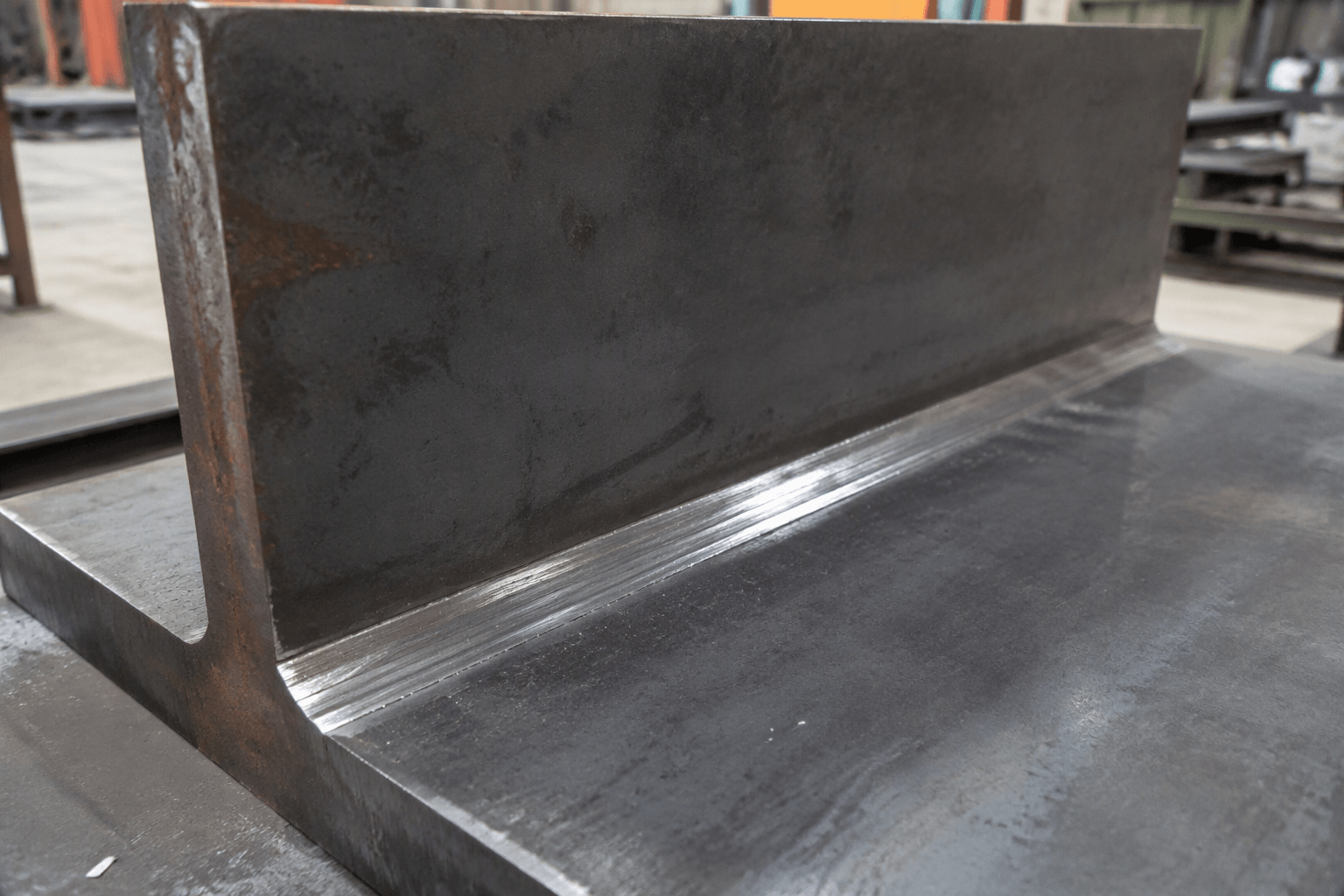
4140 can be welded, but its hardenability makes procedure and thermal control important. A suitable approach depends on the steel’s supplied condition, section thickness, joint geometry, restraint, welding procedure, and required properties. There is no single preheat, filler metal, or post-weld heat-treatment schedule that applies to every 4140 weldment.
For a design review, identify the material condition and what the welded part must do in service before setting production requirements. Those details determine whether the proposed joint and thermal cycle can meet the required performance, and what machining or inspection must follow welding.
Why 4140 Needs More Welding Control
4140 is a chromium-molybdenum alloy steel. Its alloy content increases hardenability compared with low-carbon mild steel: depending on the thermal cycle, the heat-affected zone (HAZ) can form harder microstructures as it cools. A hard, hydrogen-affected region under tensile stress can be susceptible to cracking. The actual risk depends on the material, joint, restraint, consumables, and procedure; the grade name alone does not establish weldability for a particular part.
Welding is therefore possible, but the process needs to account for how heat enters and leaves the joint. Rapid cooling, high restraint, or an unsuitable material condition can make the outcome less forgiving. Conversely, thermal controls chosen without regard to the specified properties can affect strength, hardness, distortion, or downstream operations. A procedure should be developed for the actual weldment rather than copied from a general recommendation.
Part and Service Details That Change the Decision
| Input | Why it matters |
|---|---|
| Grade and supplied condition | Confirm the material identification and heat-treatment or delivery condition. The starting properties and any later treatment affect procedure choices and the properties that must be retained or restored. |
| Section thickness and geometry | Thickness, joint type, weld size, and weld extent influence heat flow and the volume of material affected. A local attachment and a full-penetration joint on a thick section are not equivalent cases. |
| Restraint and fit-up | How the parts are held, the joint access, and the ability to accommodate movement influence residual stress and distortion. Tight restraint can increase cracking concerns and affect final geometry. |
| Service and mechanical requirements | Loading, service conditions, and specified strength, hardness, or other performance needs determine what properties the weld and surrounding material must deliver. |
| Process and consumables | These are procedure-specific decisions. Selection should account for the base material, joint, service requirements, and any required post-weld condition, not a generic 4140 recipe. |
Consider a design with a 4140 bracket welded onto a thicker 4140 body. Before release, the engineer needs to establish the body and bracket conditions, the attachment’s size and location, how the assembly is restrained, and what loads the attachment carries. Those inputs can change the procedure review and whether the part should be machined before or after welding. This is an illustrative decision path, not a recommended joint design or a claim about a particular production result.
Thermal Controls Must Fit the Application
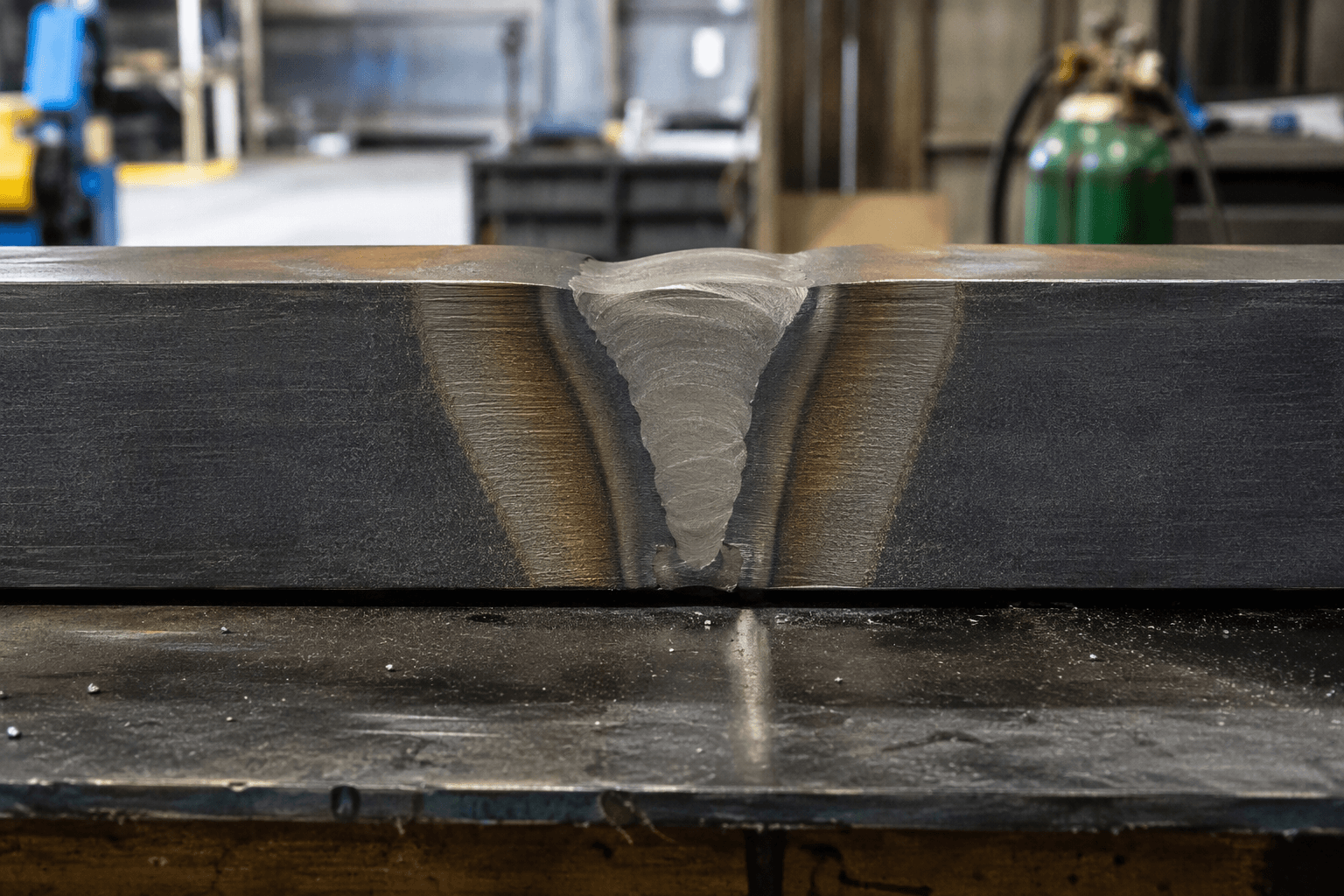
Preheat, interpass temperature, heat input, and any post-weld heat treatment influence the weld’s thermal history. Preheat can slow cooling and help manage hydrogen-cracking risk; interpass control keeps successive weld passes within the procedure’s intended range. Heat input affects the fusion zone and HAZ. Post-weld treatment, when specified, can alter residual stresses and material properties. These controls interact, so selecting one value in isolation is not a reliable procedure.
The appropriate temperatures, limits, and treatment depend on verified material information, section and joint details, restraint, welding method, consumables, and required properties. They should be determined through engineering review and an applicable qualified procedure, where required for the project. Do not infer a universal value from the 4140 designation or from a procedure for a different part.
There are tradeoffs to resolve. A thermal cycle intended to reduce cracking risk must still be compatible with the required properties and dimensional needs. Treatment or welding can affect distortion and may change the condition that machining or assembly expects. If the component must retain a specified condition, define how that condition is established and verified after welding; do not assume welding itself preserves it.
Information to Define Before Specifying a 4140 Weldment
- Base material: grade, identification, and supplied heat-treatment or delivery condition.
- Joint details: location, geometry, access, weld size or extent, and any features that constrain fit-up.
- Part context: section thickness, restraint or fixturing considerations, and dimensions that must remain controlled after welding.
- Performance: service loading and the required mechanical properties for the weldment and adjacent material.
- Welding requirements: the procedure basis and any project-specific process or consumable constraints, without assuming a universal setup.
- Post-weld condition: whether treatment is required, what material condition is expected afterward, and any sequence constraints.
- Acceptance: applicable weld acceptance and inspection criteria, stated separately from dimensional, surface-finish, and assembly requirements.
- Downstream work: machining datums, tolerances, finishing, and assembly interfaces affected by weld location or distortion.
For example, if a welded 4140 housing must mate to a machined face, the drawing should identify the functional datum and required finished geometry, as well as the weld scope and post-weld condition. Machining is a separate operation: define its datums and tolerances rather than treating a weld acceptance note as a dimensional requirement. For broader assembly context, see custom metal frames; this is a related fit-up example, not a claim of 4140-specific capability. If post-weld machining is needed, define that operation separately, as described in custom CNC machining.
Mixed-Material Joints and Related Alloys
4140 can be joined to mild steel in some applications, but the combination does not make the joint routine or establish a universal filler or thermal cycle. The procedure review must account for both materials, joint design, service requirements, and the intended post-weld condition. Where strength, toughness, heat treatment, or other critical properties govern, engineering review should precede production release.
4130 and 4140 are related alloy steels, but similarity does not make their welding procedures interchangeable. Confirm the exact grade, condition, joint, and requirements before applying prior guidance or a procedure developed for another alloy or component.
Project Review
Yishang supports B2B OEM and ODM custom manufacturing projects. For a project discussion, provide the drawing or joint details, 4140 grade and supplied condition, service and mechanical requirements, required post-weld condition, and inspection criteria. That information supports a focused review of the manufacturing details that need clarification; it is not a substitute for a project-specific welding procedure.
Ready to Review This RFQ Before Production?
If your project involves 4140 weldability, send Yishang your drawings, material requirements, quantities, tolerance notes, finish expectations, photos, samples, and assembly needs through custom sheet metal fabrication support. A clearer review before quoting can reduce avoidable clarification rounds, rework, and production uncertainty.
Frequently Asked Questions
What 4140 weldability details should buyers define before requesting a quote?
Buyers should define the functional requirement, drawing notes, critical dimensions, material or process expectations, and any inspection points related to 4140 weldability. This helps suppliers quote the same manufacturing scope instead of making different assumptions.
How can RFQ details affect cost, fit, or lead time?
RFQ details can change tooling, forming, welding, finishing, inspection, or rework requirements. If buyers do not clarify it early, two supplier quotes may look comparable while covering different production risks.
Why should drawing requirements be reviewed before prototype approval?
drawing requirements may look acceptable on a single sample but become harder to control during batch production. Buyers should confirm whether the prototype reflects the same process, finish, and inspection conditions expected for production.
What inspection points matter most for 4140 weldability projects?
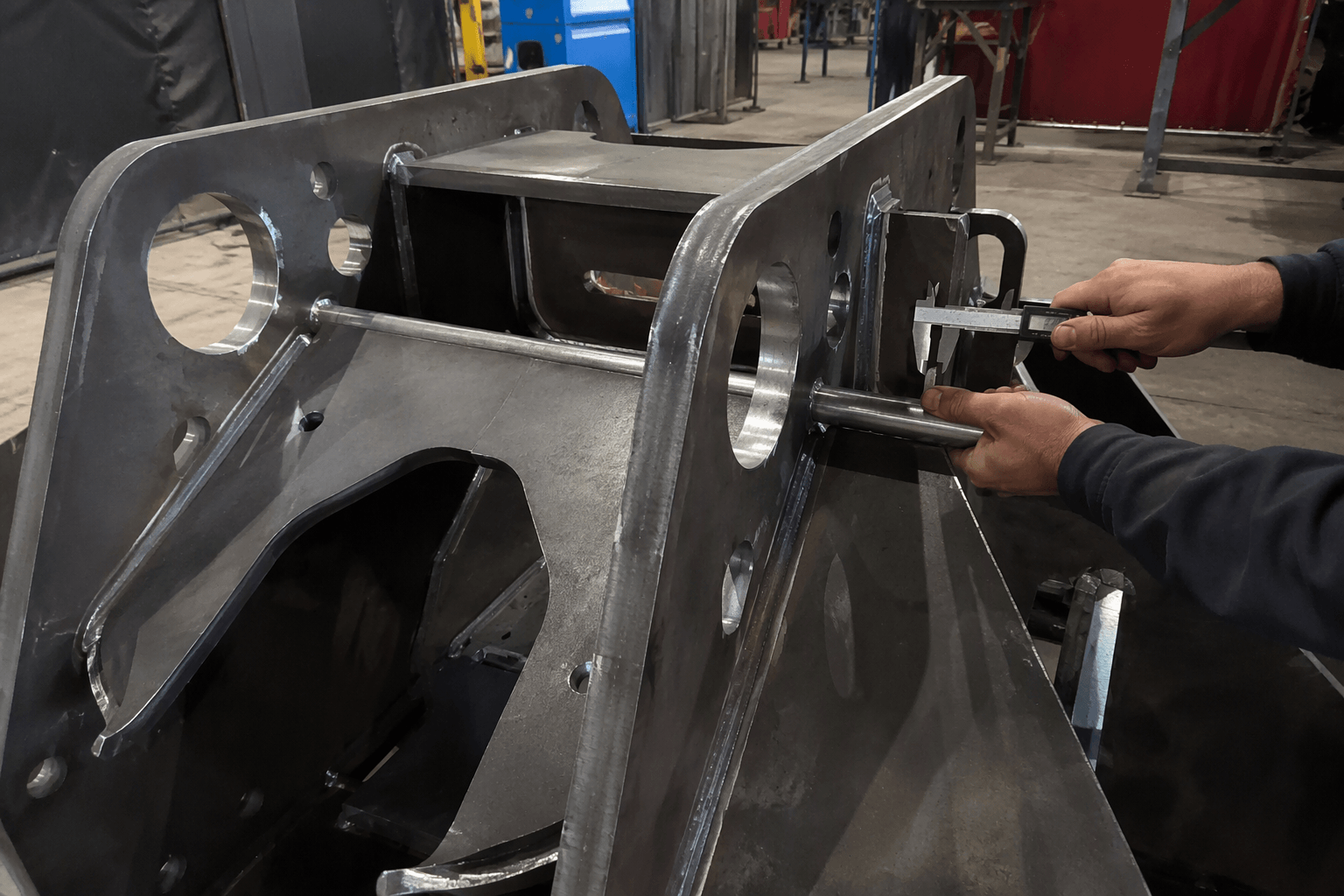
Important inspection points usually include fit-critical dimensions, holes or mating areas, cosmetic surfaces, finish build-up, welded or formed features, and any dimensions that affect downstream assembly. These points should appear in the RFQ or drawing notes.
How can buyers reduce prototype approval risk before batch production?
Buyers can reduce risk by clarifying drawings, locking key material and finish assumptions, defining inspection timing, approving a representative sample, and confirming which dimensions or surfaces require tighter process control.
How can Yishang help review 4140 weldability requirements?
Yishang can review drawings, RFQ notes, material requirements, tolerance expectations, finish details, samples, and assembly needs to identify unclear assumptions before quoting or batch production.