
Introduction
At first glance, the question “Is tin magnetic?” sounds simple. In real procurement work, though, it is tied to a bigger issue: whether the material in your drawing behaves the way your product actually needs it to behave.
Tin appears in solder, plating, connectors, terminals, and precision hardware across electronics, medical devices, control systems, and industrial assemblies. Because of that, buyers often run into confusion—not always about tin itself, but about what sits underneath the tin layer, what alloy is really being used, and whether a plated part is still magnetic as a whole.
This article explains tin’s real magnetic behavior, where the confusion usually starts, and how buyers can avoid material-selection mistakes that lead to redesigns, failed testing, or application mismatch.
1. Tin’s Real Magnetic Behavior
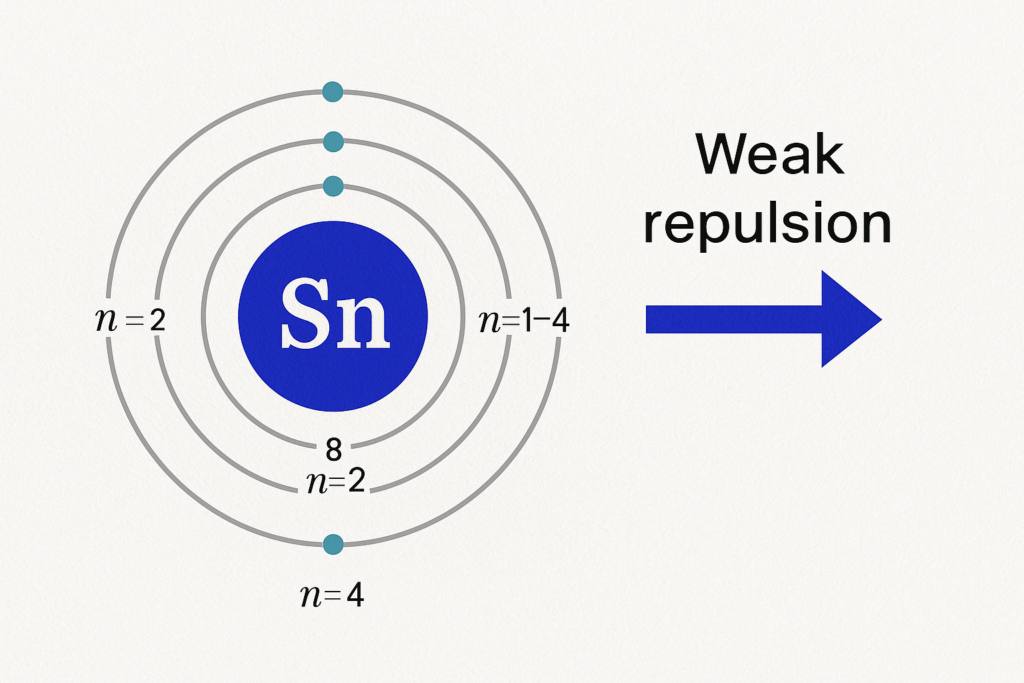
From a materials science standpoint, tin is diamagnetic. That means it does not attract a magnet in the way iron or steel does, and it does not hold a magnetic field after exposure.
In laboratory terms, tin shows a very weak opposing response to an external magnetic field. In practical industrial use, that response is so small that tin is generally treated as a non-magnetic metal.
What This Means in Real Applications
For most buyers, the useful takeaway is straightforward:
pure tin is not magnetic in normal industrial use
tin plating does not turn a ferromagnetic base material into a non-magnetic part
the substrate still matters as much as the coating
This is where confusion often starts. People hear the word “tin” and assume the whole part is non-magnetic. That is not always true.
The “Tin Can” Problem
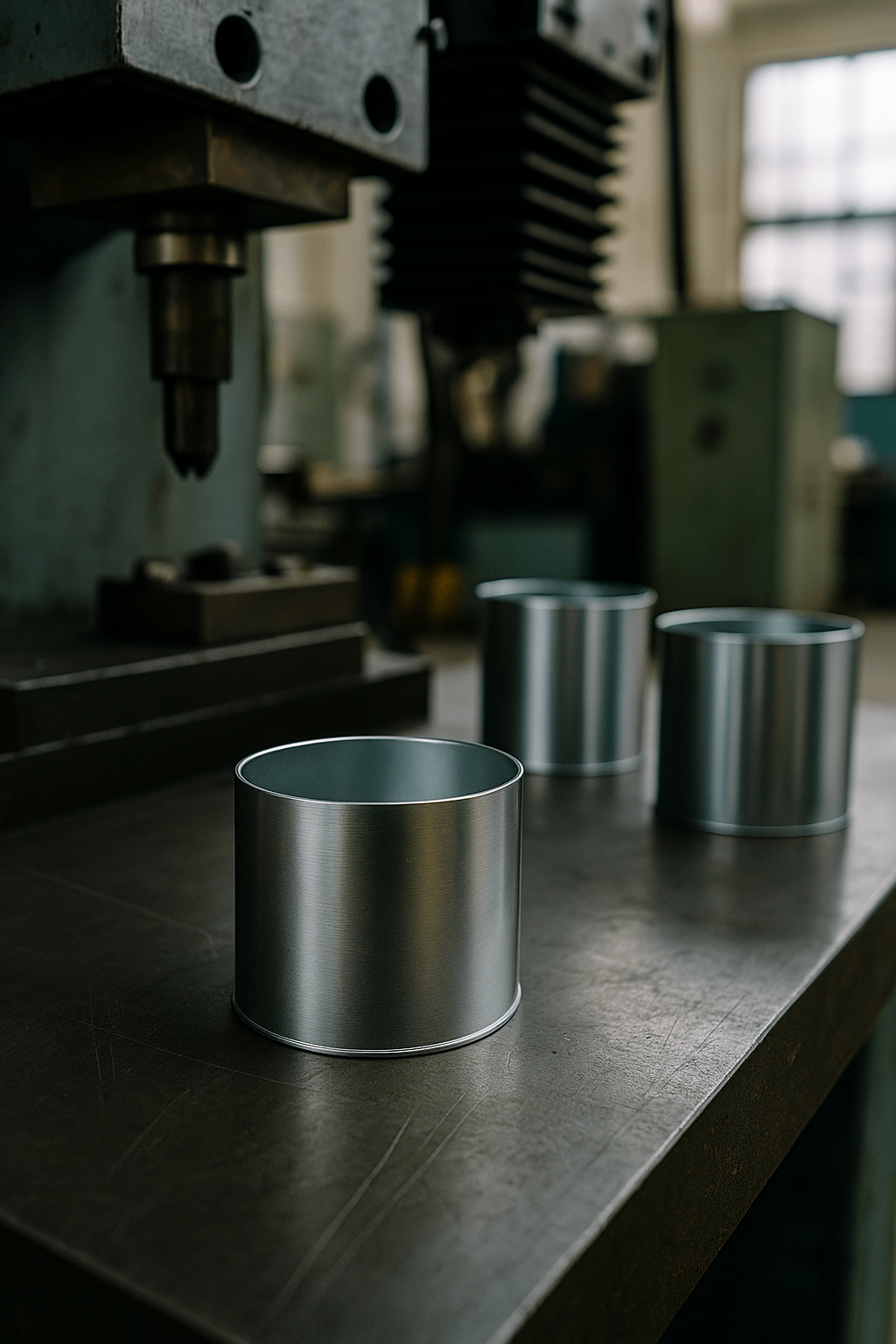
A familiar example is the tin can. Many people think of it as a tin product, but most so-called tin cans are actually steel with a thin tin coating. The steel remains magnetic. The tin surface does not change that basic behavior.
For buyers, this is more than a trivia point. It is exactly why material naming, coating naming, and actual substrate verification all matter in OEM sourcing.
2. Why Tin’s Non-Magnetic Nature Matters in OEM Sourcing
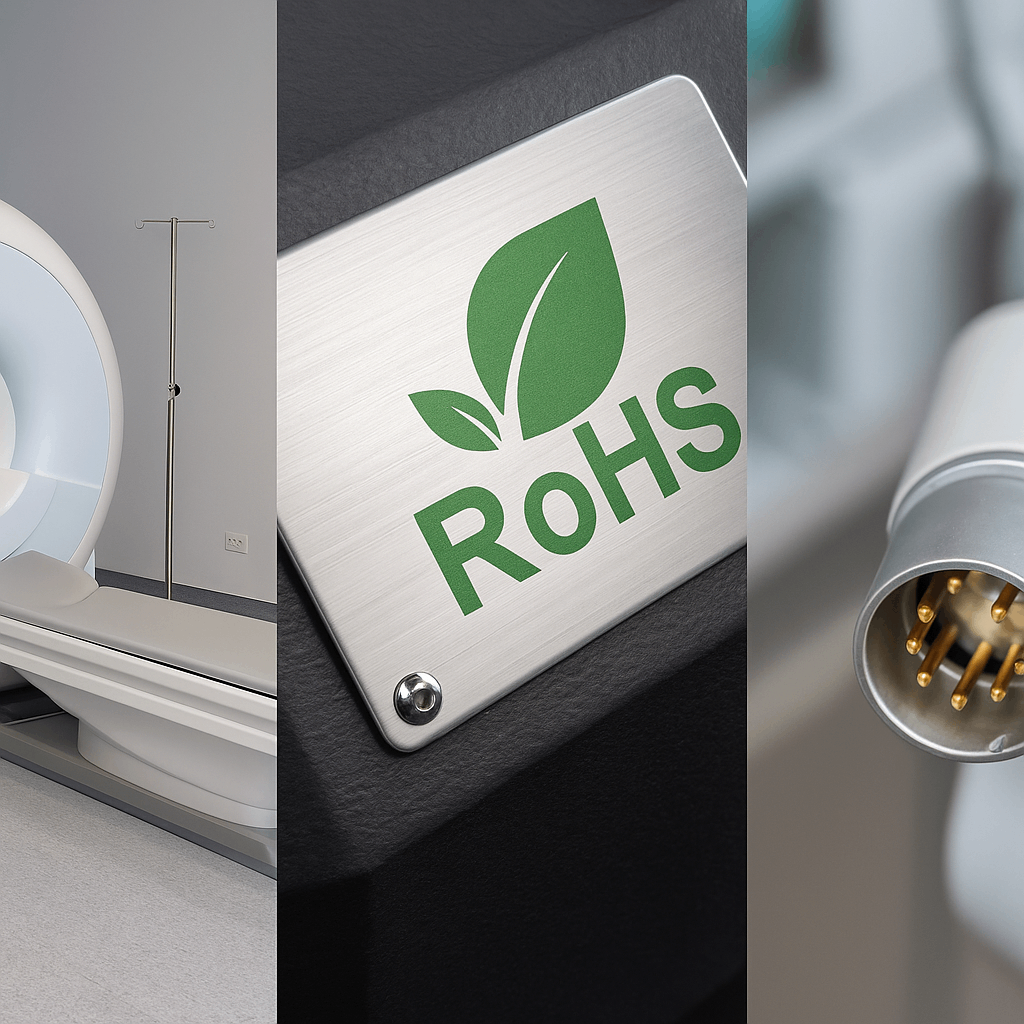
Tin’s non-magnetic behavior matters most in products where signal stability, sensor performance, or magnetic neutrality cannot be treated casually.
That is often the case in:
electronics and PCB-related assemblies
medical devices near sensitive imaging or detection systems
precision connectors and terminals
instrument housings and internal shielding parts
In these situations, the issue is not that tin is somehow “special” on its own. The issue is that it can be a safe, stable surface material when the design requires a material that will not introduce unwanted magnetic behavior.
Where Buyers Usually See the Benefit
A few examples make this easier to understand:
In electronic assemblies, tin-based finishes are widely used because they support conductivity and solderability without adding magnetic interference.
In medical equipment, hardware near sensitive magnetic fields may need to avoid ferromagnetic materials altogether.
In control systems and instrumentation, choosing the wrong plated part can create problems that are difficult to trace later, especially if the substrate was assumed rather than verified.
For buyers, the real value of tin is not only that it is non-magnetic. It is that tin can be integrated into well-specified, application-appropriate assemblies without creating avoidable magnetic side effects.
3. The Procurement Mistakes Buyers Make Most Often
The biggest sourcing errors around tin usually come from naming shortcuts and visual assumptions.
Mistake 1: Assuming Tin Plating Defines the Whole Part
A tin-plated part is not the same thing as a solid-tin part. If the substrate is steel, the finished part will still behave like a magnetic part overall.
That matters in products such as:
sensor mounts
terminal hardware
medical brackets
electronics housings
Mistake 2: Judging by Appearance
Tin can look similar to other light-colored metals or plated surfaces. A part may visually resemble aluminium, zinc, or nickel-plated hardware, but that says nothing reliable about its magnetic performance.
Mistake 3: Using Internal Descriptions Instead of Material Specs
Terms like:
magnetic-safe
non-magnetic finish
tin-type coating
shielding metal
are not enough for real procurement. They may sound useful internally, but they are too vague for supplier control.
What Buyers Should Request Instead
To avoid mistakes, buyers should ask for:
base material identification
coating specification
plating thickness if relevant
test or compliance documentation where magnetic neutrality matters
The goal is simple: do not buy “tin” as a vague idea. Buy a fully defined material system.
4. Working with Tin: What Actually Matters for Better Sourcing
Tin is popular because it is practical. It is widely used in plating, solder-related applications, low-friction contacts, and conductive surfaces. That said, the way tin is specified still determines whether the finished part will work as expected.
Tin-Plated Copper vs Tin-Plated Steel
This is one of the most important distinctions a buyer can make.
| Material Choice | Magnetic Result | Typical Procurement Meaning |
| Tin-plated copper | Generally non-magnetic in practical use | Better choice for connectors, terminals, and EMI-sensitive assemblies |
| Tin-plated steel | Still magnetic overall | May be cheaper or structurally useful, but unsuitable where magnetic neutrality matters |
That difference alone can decide whether a part passes or fails in an EMI-sensitive product.
Processing and Handling Considerations
Tin is soft compared with many engineering metals. That makes it useful, but also means buyers should pay attention to:
surface damage during forming or transport
plating integrity after bending or handling
soldering or heating conditions if the part is later assembled
In other words, sourcing tin-based parts is not only about choosing a non-magnetic material. It is also about choosing a process route that preserves the part’s intended function.
5. Where Tin’s Magnetic Neutrality Becomes Commercially Useful
Tin matters most when the product lives in an environment where magnetic behavior is not just theoretical, but operationally important.
Common Industrial Use Cases
Electronics and Signal-Carrying Components
Tin-based finishes are common in connectors, terminals, solder-ready parts, and PCB-adjacent hardware because they support conductivity without introducing ferromagnetic behavior.
Medical and Imaging-Adjacent Hardware
In medical settings, especially near sensitive equipment, magnetic neutrality may be part of the material-selection logic. Here, verifying both the substrate and plating system becomes especially important.
Control Units, Sensors, and Instrument Assemblies
In systems with radar, wireless communication, or fine signal control, plated hardware that behaves unexpectedly can create problems that are difficult to diagnose after assembly.
Battery and Energy Storage Assemblies
Battery terminals, contact points, and low-resistance conductive parts often use tin-coated copper where both electrical performance and magnetic neutrality matter.
Quick Material Reference
| Material | General Magnetic Behavior in Practice | Buyer Note |
| Tin (Sn) | Non-magnetic / diamagnetic | Suitable where magnetic neutrality is needed |
| Copper (Cu) | Non-magnetic | Common substrate for tin plating in conductive parts |
| Aluminium (Al) | Very weakly paramagnetic | Usually treated as non-magnetic in many practical applications |
| Steel (Fe-based) | Magnetic | Tin plating does not remove base magnetic behavior |
| Zinc (Zn) | Non-magnetic in practical use | Surface appearance can still confuse buyers |
6. FAQ: Tin and Magnetic Performance
Q1: Is tin magnetic in normal industrial use?
No. Tin is generally treated as a non-magnetic metal in practical engineering and sourcing contexts.
Q2: Can a tin-plated part still be magnetic?
Yes. If tin is plated over steel or another ferromagnetic substrate, the part can still behave as a magnetic part overall.
Q3: What is the safest way to verify magnetic behavior?
Do not rely on appearance or naming alone. Check the base material, plating specification, and test documentation if the application is sensitive.
Q4: Where do buyers make the biggest mistake?
The most common mistake is assuming the coating defines the whole part. In reality, the substrate often determines the magnetic behavior that matters in use.
Conclusion
So, is tin magnetic? In practical terms, no—tin is generally non-magnetic. The bigger sourcing issue is not tin itself, but whether the full material system matches the application.
That means buyers should not stop at asking “Is tin magnetic?” They should also ask:
What is the base metal?
Is the part plated or solid material?
Will the finished assembly still meet magnetic requirements in real use?
For OEM and industrial buyers, this is where better sourcing decisions begin. A part described as “tin” may behave very differently depending on what sits underneath the surface.
At YISHANG, we help buyers review plated parts, base materials, and application requirements with real manufacturing logic in mind. If you are comparing tin-plated options for electronics, medical hardware, energy systems, or custom industrial assemblies, our team can help you evaluate the right material route before it becomes a production problem.