
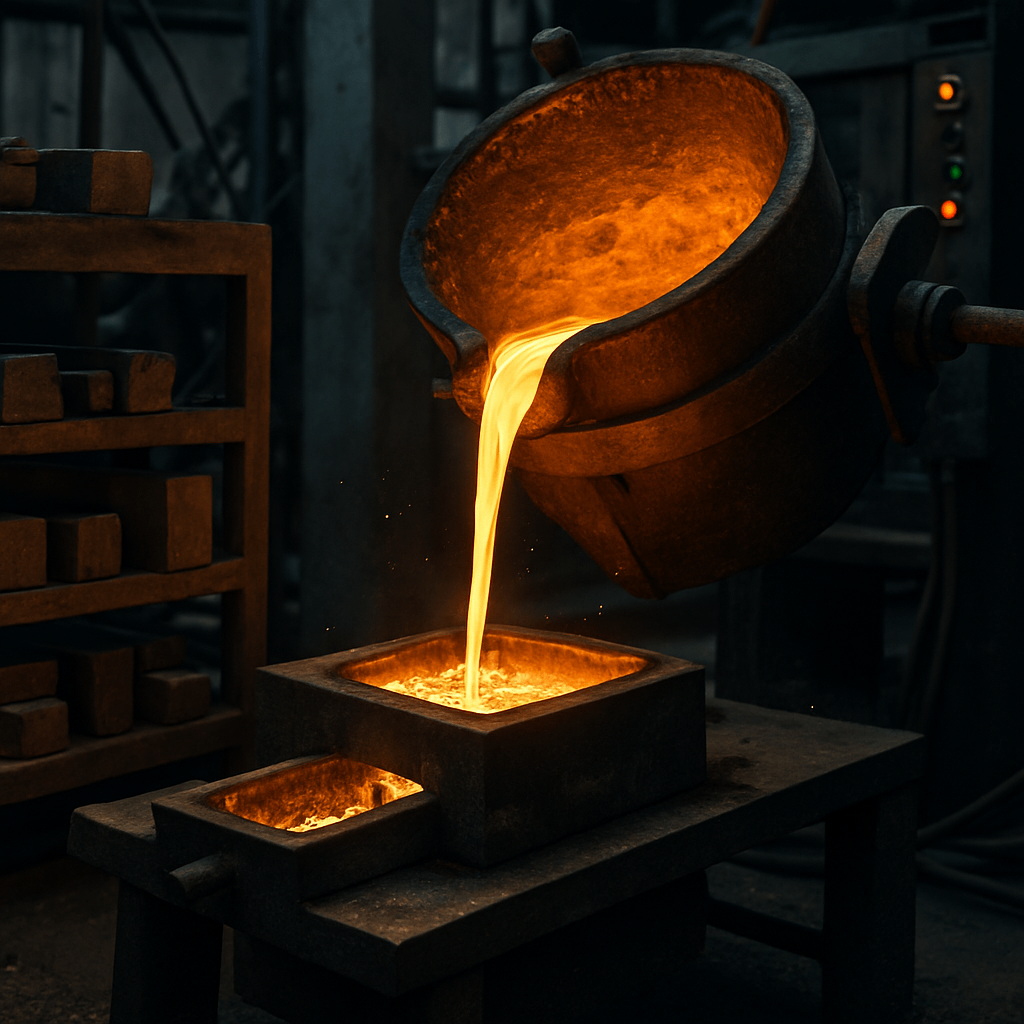
When buyers search for the melting point of brass, they are rarely looking for a textbook answer.
Most of the time, they are trying to solve a production problem: choosing the right alloy for casting, checking whether a brass grade can tolerate downstream welding or laser cutting, or confirming that a supplier actually understands how brass behaves under heat.
That is where confusion usually begins. Brass is not one metal with one fixed melting point. It is a family of copper-zinc alloys, and each composition reacts a little differently once thermal processing starts. A small misunderstanding at the quoting stage can later show up as porosity, weak joints, zinc loss, inconsistent machining behavior, or unnecessary trial-and-error in production.
This article explains brass melting temperature from a practical sourcing perspective. Instead of treating it as a single number, it shows how buyers should connect alloy type, melting range, downstream process, and supplier controls before locking a material into a bulk order.
Brass Grades & Their Melting Ranges
Brass does not melt at a single fixed point. It softens and transitions through a range, and that range depends on composition.
For buyers, this matters because alloy choice changes what the material is good at.
C260 Cartridge Brass is widely used where forming performance matters.
C360 Free-Cutting Brass is favored for machining efficiency.
C464 Naval Brass is selected when corrosion resistance is more important than machining speed.
Those choices also influence thermal behavior.
Typical Brass Alloy Melting Ranges
| Brass Type | Cu/Zn/Other Composition | Melting Range (°C) |
| C260 Cartridge Brass | 70/30 | 900–920 |
| C464 Naval Brass | 60/39.25/0.75 Sn | 915–940 |
| C360 Free-Cutting Brass | 61.5/35.5/3 Pb | 875–895 |
These figures show why the phrase “melting point of brass” can be misleading. Brass should be treated as a thermal range material, and that range should be checked against the intended process.
Microstructure & Alloy Behavior Under Heat
The reason brass grades behave differently under heat is not just copper-zinc ratio. It is also about how alloying additions change the internal structure and the way heat affects that structure.
For example:
Leaded brasses can behave unpredictably in joining operations because low-melting phases may soften earlier than the rest of the alloy.
Aluminum-bearing brasses can respond differently to laser energy and edge heating.
Corrosion-resistant brasses often trade easy processing for more stable service performance.
This is why heat-related decisions should not be made by grade name alone. A buyer may specify brass correctly on paper and still end up with a poor outcome if the alloy’s thermal behavior does not match the actual manufacturing route.
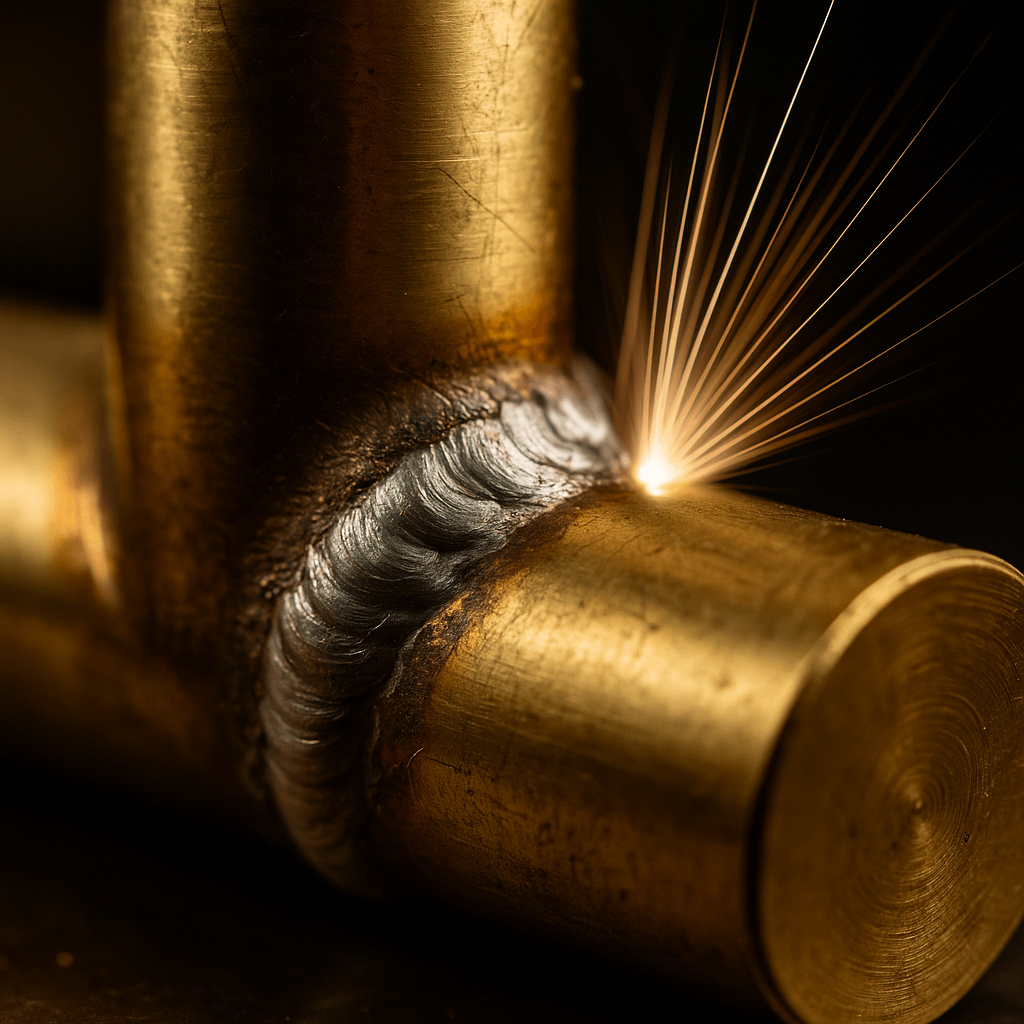
Thermal Processing in Manufacturing: Real-World Impacts
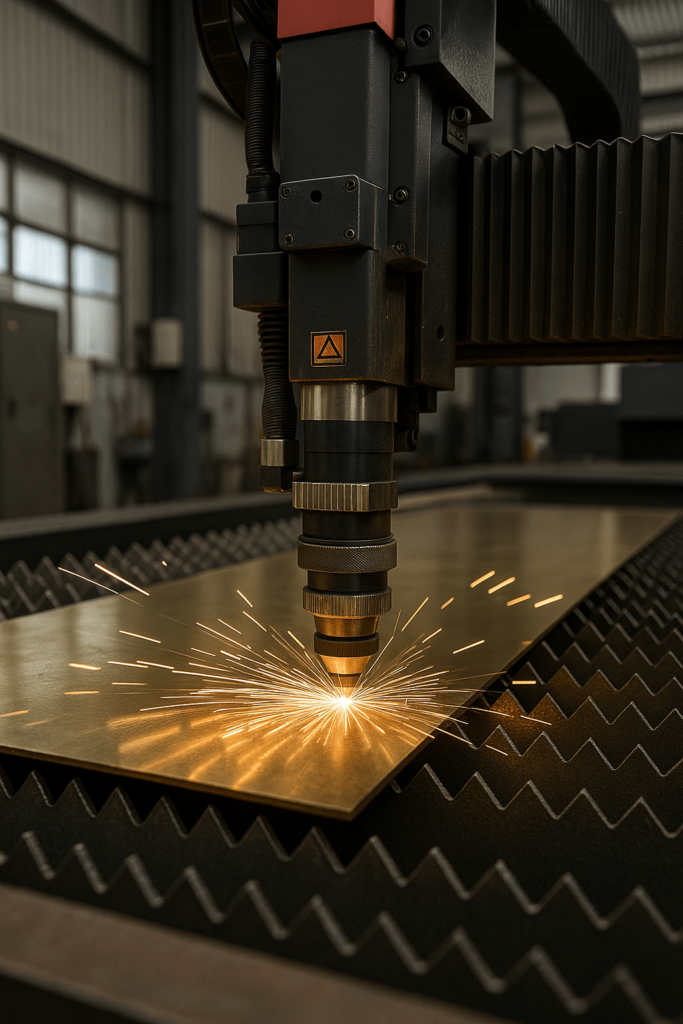
In real production, brass melting behavior becomes important the moment heat is introduced intentionally or repeatedly.
This includes:
casting
welding or brazing
laser cutting
thermal forming
repeated remelt cycles
If the working temperature is poorly controlled, several problems can appear:
molds may not fill cleanly
welds may weaken or crack
zinc can evaporate faster than expected
edges may burn during cutting
thermal distortion can increase
For buyers, the takeaway is simple: confirming the brass alloy is not enough. The supplier also needs a process window that fits that alloy.
Zinc Vapor: A Hidden Safety and Quality Variable
One of the most overlooked issues in brass processing is zinc vaporization.
When brass is overheated, zinc begins to leave the alloy more aggressively. That creates two types of risk at the same time:
safety risk, because zinc oxide fumes require proper extraction and handling
quality risk, because alloy chemistry and surface condition can shift if zinc loss is not controlled
This matters even more when suppliers use recycled feedstock, repeated remelt cycles, or mixed thermal operations. Buyers sourcing brass parts in bulk should therefore ask not only about alloy certification, but also about thermal discipline and ventilation practice where melting or repeated heating is involved.
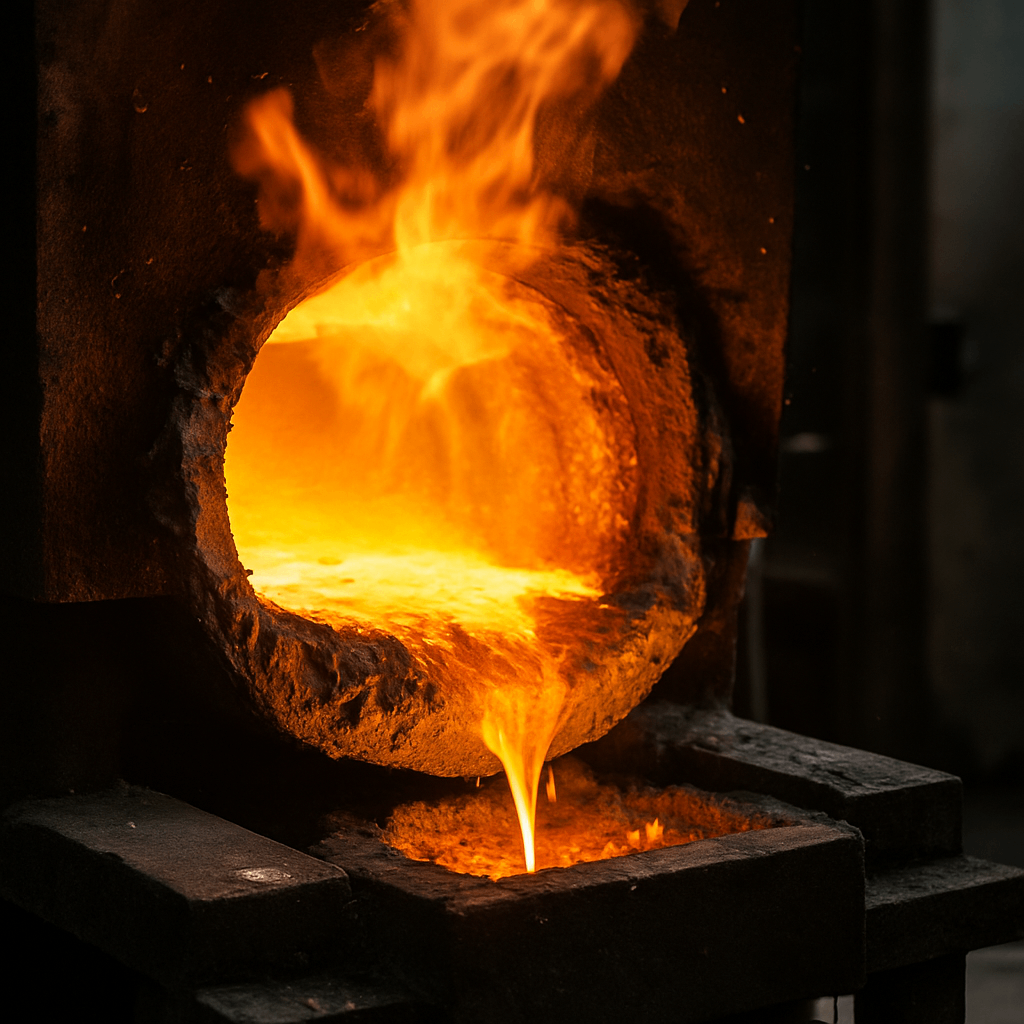
How Suppliers Monitor and Control Brass Melting
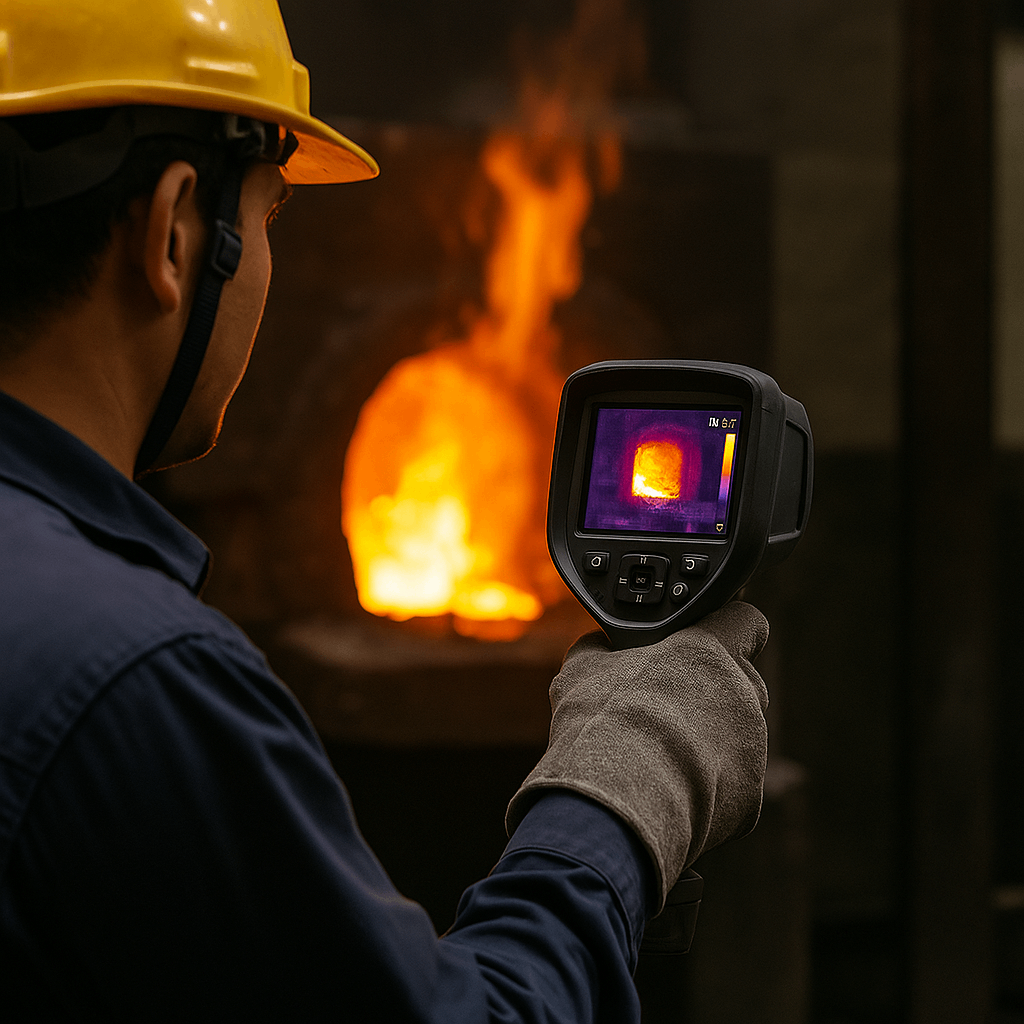
Strong suppliers do not work from assumptions. They measure, document, and control.
For buyers, useful control signals often include:
alloy certification tied to the delivered batch
process temperature monitoring during melting or heat-intensive operations
traceability records for material input and remelt practice
clear limits on how the alloy is handled during production
In more advanced settings, suppliers may also reference tools such as DSC or TGA to confirm melt-range behavior. Not every order requires that level of testing, but critical jobs should not rely on generic alloy assumptions alone.
When brass parts are heading into demanding downstream processes, buyers should request proof that material behavior and process conditions have been matched deliberately.
Matching Alloy to Application: A Procurement Priority
The most practical way to avoid problems is to stop asking only for “brass” and start asking for the right brass for the actual job.
A few examples make this clearer:
If the part will be machined heavily, C360 may be a better fit.
If the part needs good forming behavior, C260 is often more suitable.
If the part will face marine or corrosive conditions, C464 makes more sense.
The thermal side should be reviewed with the same logic. A brass alloy that looks economical in one process may become expensive if it creates defects in another.
For procurement teams, that means the material callout should be tied to both function and manufacturing route.
FAQs for Buyers and Engineers
What is the melting point of brass?
Brass melts over a range, not at one exact number. In many common grades, that range is roughly 875°C to 940°C, depending on alloy type.
What is the difference between yellow brass and red brass in melting behavior?
Yellow brass, with higher zinc content, generally melts lower than red brass. Red brass contains more copper and can show slightly higher melting behavior and different corrosion performance.
Is brass melting temperature fixed?
No. It changes with composition. That is why buyers should verify the specific alloy rather than assume all brass behaves the same way.
Why does melting range matter in procurement?
Because it affects casting quality, joining performance, zinc evaporation risk, laser response, and overall process stability.
Conclusion
Brass should never be treated as one thermal value.
Its melting behavior depends on alloy composition, and that behavior shapes what buyers care about most in real production:
processing stability n- weld and cast quality
zinc-loss risk
downstream consistency
repeatability across bulk orders
For procurement professionals, the safest approach is straightforward:
specify the exact alloy
match it to the real application
confirm how the supplier controls thermal behavior
request documentation when the project is process-sensitive
At YISHANG, we help buyers connect brass alloy selection with actual manufacturing conditions so thermal performance, process stability, and order quality stay aligned from quote to shipment.