
Introduction
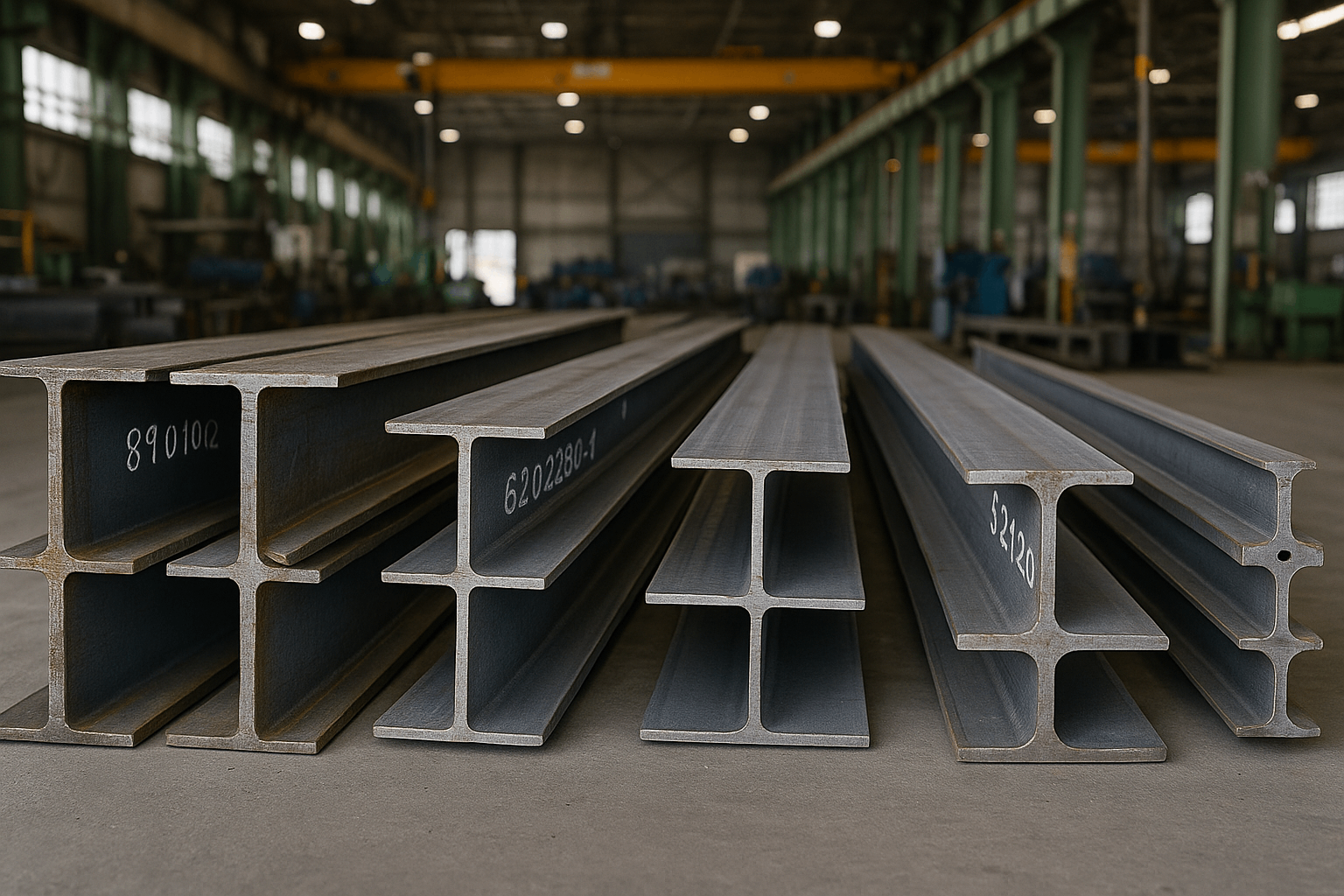
In structural steel procurement, selecting the right beam type directly affects project timelines, load capacity, and cost-efficiency. For overseas wholesalers and sourcing managers, understanding the distinctions between H, W, and S beams isn’t just technical—it’s a crucial commercial factor.
This guide is tailored to international buyers, especially those seeking reliable OEM suppliers for structural steel. Backed by over 26 years of manufacturing experience, YISHANG shares practical insights on beam profiles, performance, and how to make purchasing decisions that reduce risk and maximize long-term value.
Understanding Global Beam Terminology
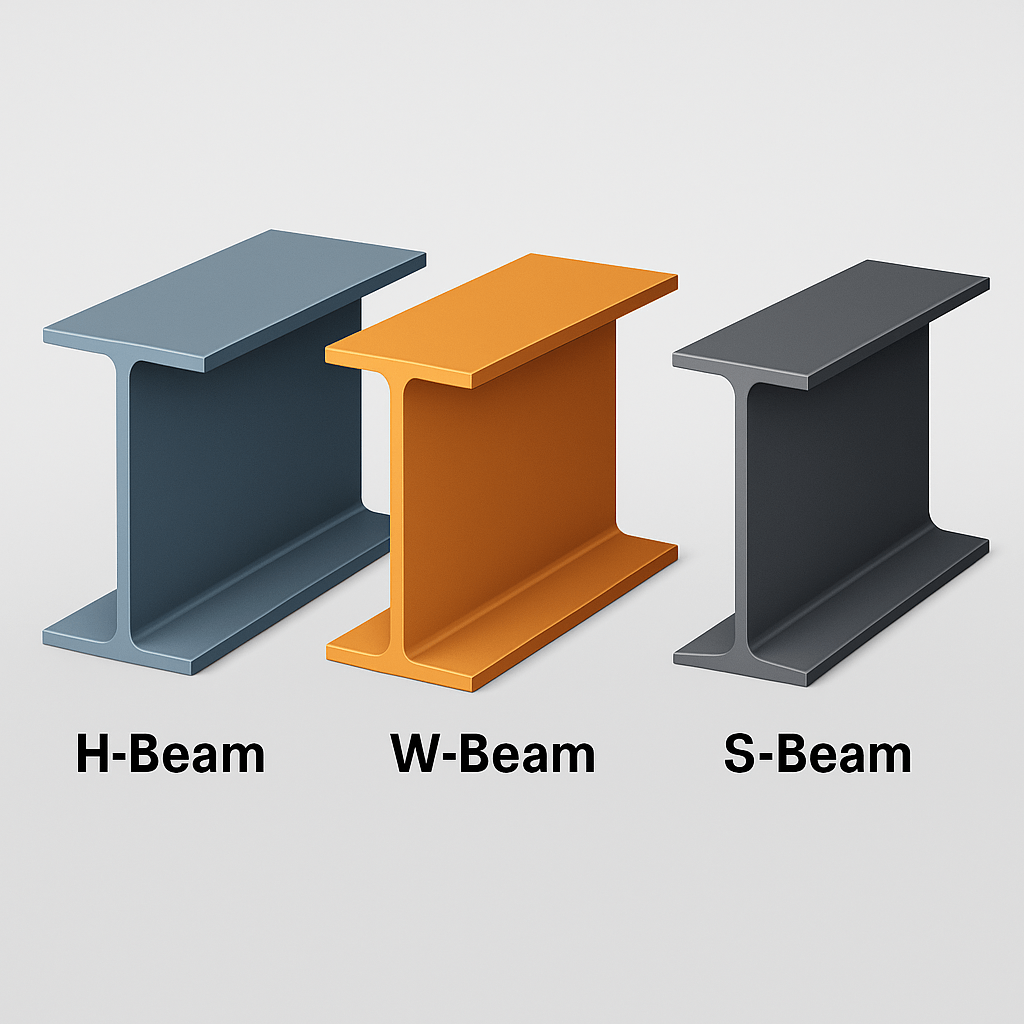
Beam classifications vary widely between regions, which complicates international sourcing. H, W, and S beams often look alike in diagrams but are engineered to different standards.
H Beams—common in Europe and Asia—are manufactured to EN 10025 or GB/T standards. Their uniform web and flange thickness allow excellent stress distribution and stability, especially for seismic or high-load foundation projects.
W Beams, short for wide flange beams, are the American standard (ASTM A992, AISC). They are structurally efficient and highly compatible with composite concrete systems and pre-engineered frames. Their modular sizes make them ideal for bulk export.
S Beams, used primarily in legacy U.S. construction, have tapered flanges and narrower profiles. Though less flexible, they’re essential in renovation projects requiring precise dimension matching.
For global buyers, aligning beam standards to local code (EN, ASTM, JIS) ensures both compliance and performance compatibility.
Materials and Manufacturing That Build Trust
Procurement decisions are often driven by reliability and compliance. YISHANG uses hot-rolled steel in all structural beams, with mill test certificates (MTCs) available for each batch.
Material Grades: H and W beams are made from ASTM A992 or Q345B, providing 50 ksi yield strength. These are ideal for infrastructure and warehousing. S beams typically use ASTM A36 or Q235 for lighter load applications.
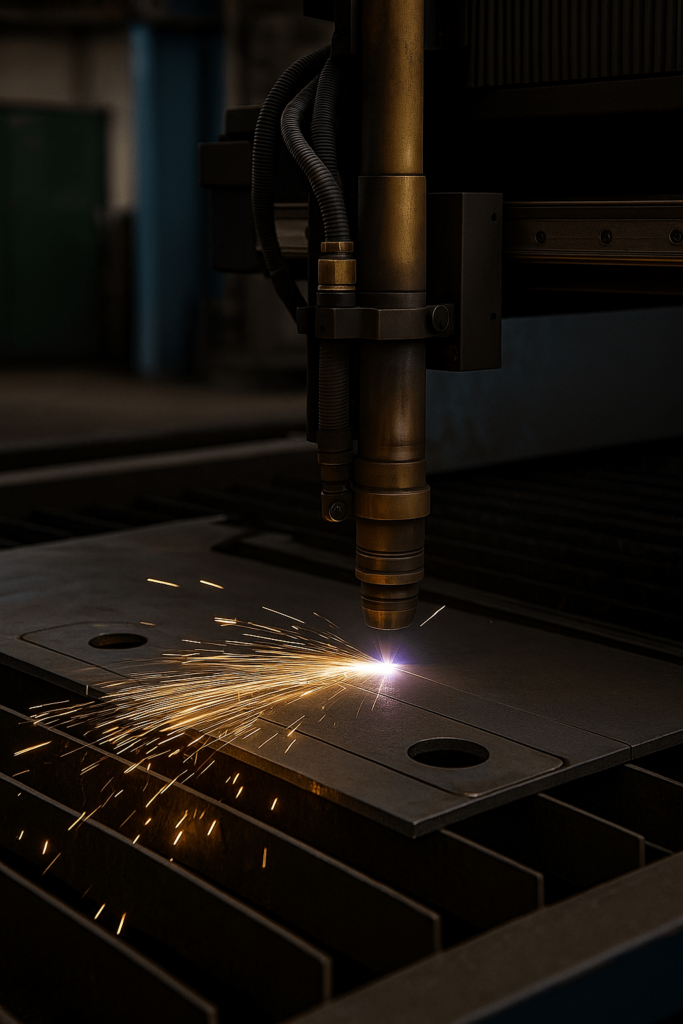
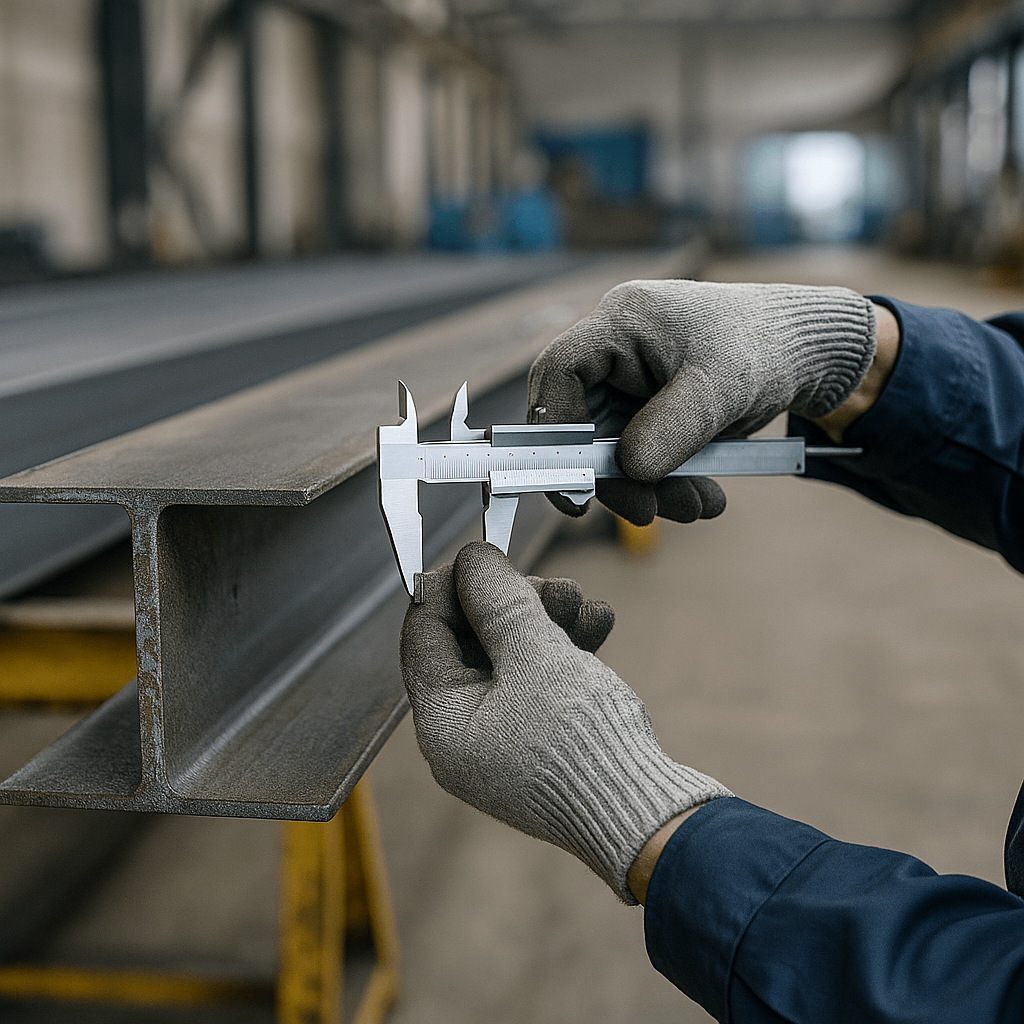
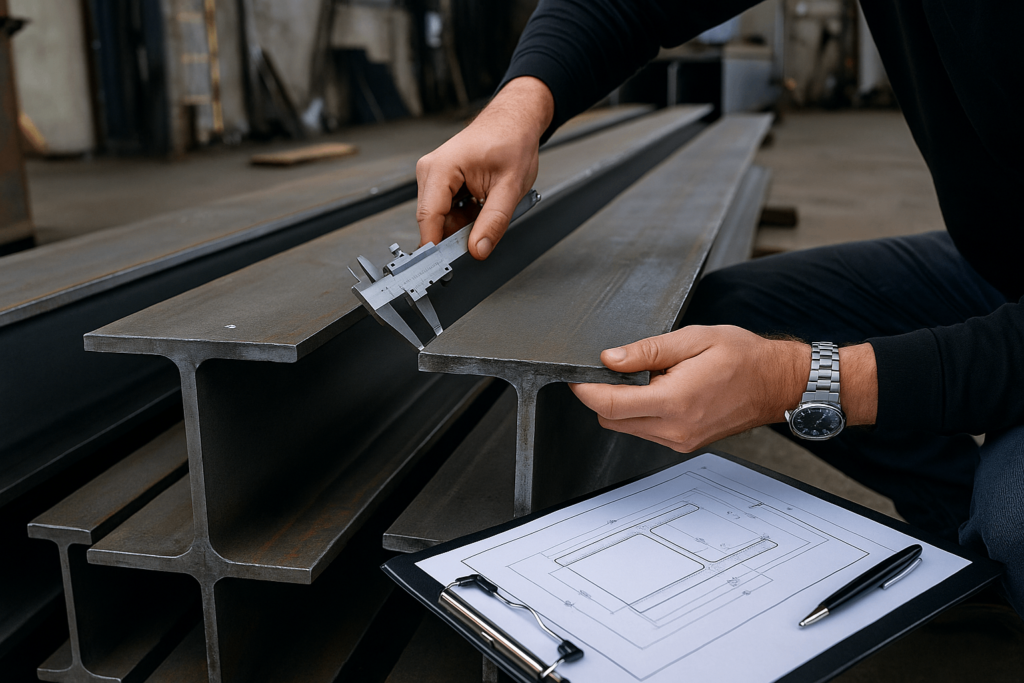
Manufacturing Precision: With CNC plasma cutting, robotic welding, and laser hole drilling, YISHANG ensures tight tolerance control. Overseas buyers benefit from predictable sizing, which minimizes onsite fabrication adjustments.
Protective Coatings: Galvanized, epoxy-painted, and powder-coated finishes are available. These coatings extend durability in marine, desert, and industrial zones. We also provide RoHS and ISO 9001 certification, easing customs and compliance verification.
Global clients often ask about lead times and shipping terms. We support FOB Shenzhen and Guangzhou, with most orders fulfilled in 15–25 working days.
Performance Metrics That Influence Purchasing
Procurement teams must balance structural performance with logistical realities. Our international clients often require beams that perform well under stress but are easy to install and transport.
YISHANG provides datasheets with moment resistance, flange width, and section modulus for each beam profile. Engineers can plug these into STAAD.Pro or Tekla Structures for simulation. This enables sourcing managers to get fast internal approval before order commitment.
Real-World Export Applications
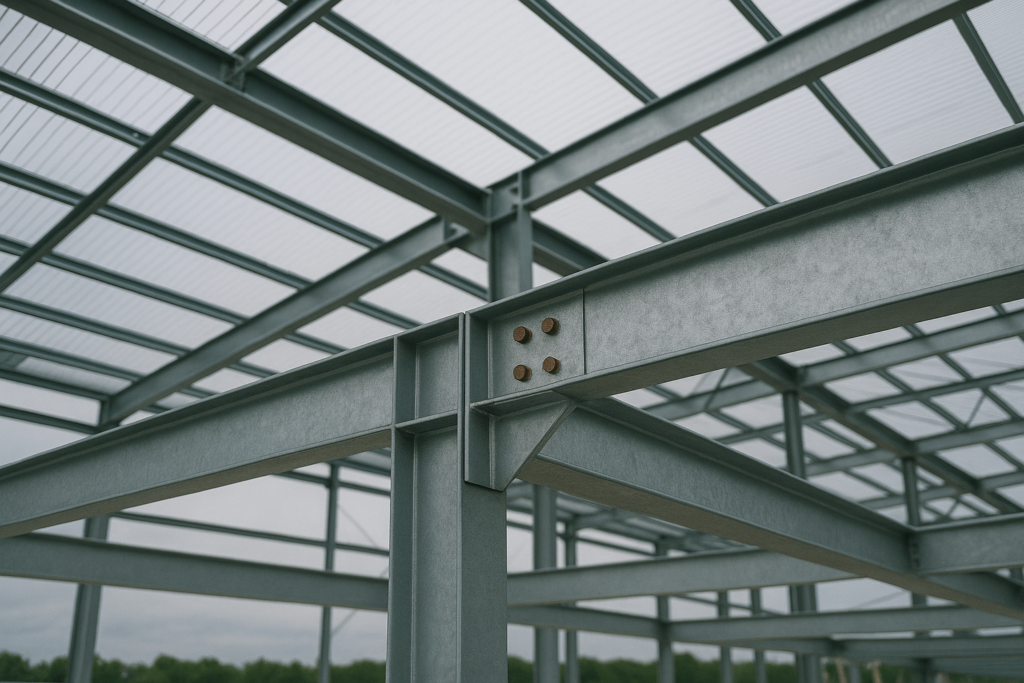
Beam usage varies by sector, and international buyers need to link function to ROI.
In Germany, our H beams supported wind farm bases where load uniformity and resistance to dynamic force were critical. In Saudi Arabia, the same profile was used for highway bridge columns requiring minimal lateral bracing.
W beams, known for efficient weight-to-load ratio, were selected for airport terminal decks in the Philippines—speeding up floor slab integration by 15%. Logistics hubs in Canada adopted them due to their bolt-ready flat flanges and ease of handling.
S beams, while niche, met dimension-specific needs in retrofitting Middle Eastern factory support structures—matching 1980s blueprints without reengineering.
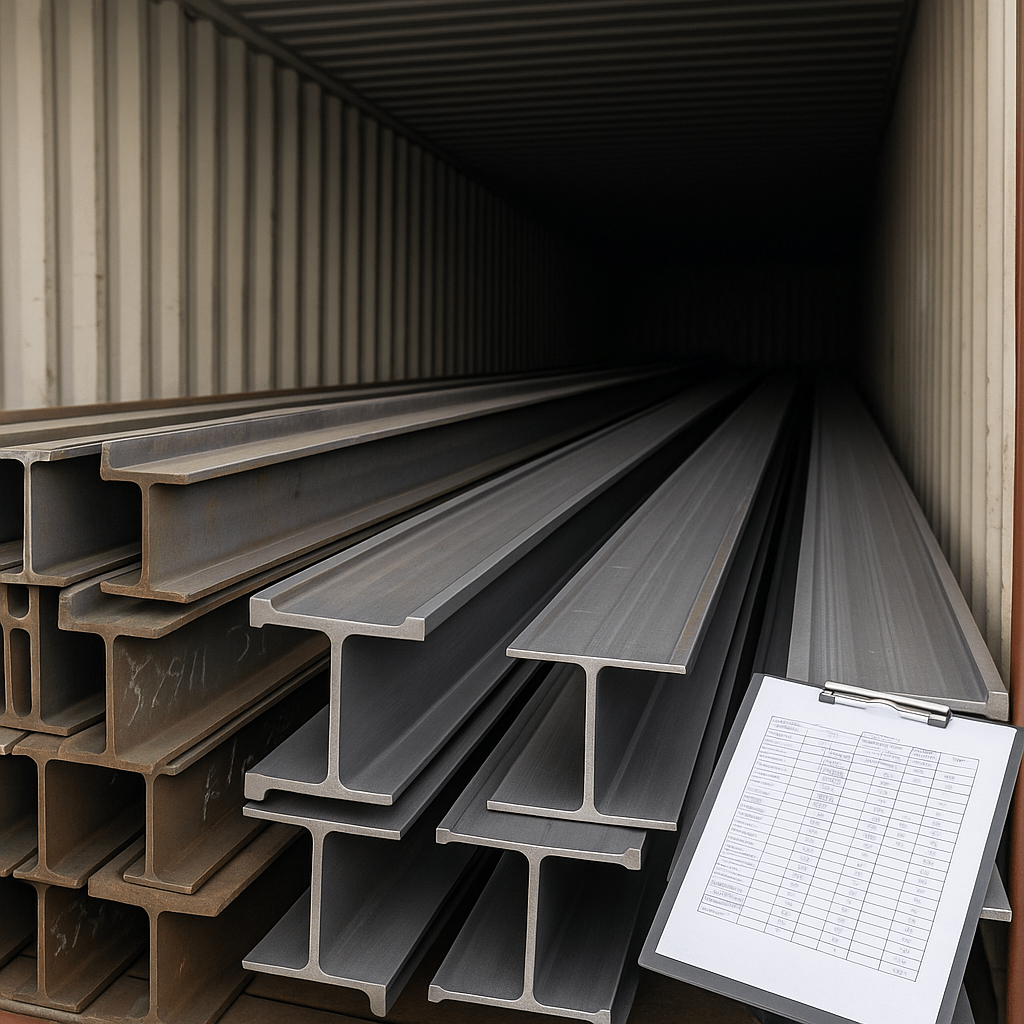
Every shipment includes ISPM 15-certified packaging, export-ready markings, and moisture-resistant wrapping to protect structural integrity during transit.
S Beams vs W Beams: Key Structural Differences
When comparing structural steel profiles, many international buyers specifically search for S beams vs W beams to understand which type better suits their projects. Though both belong to the I-beam family, their design and applications are distinct.
S Beams (Standard Beams)
Feature tapered flanges, typically with a 2:12 slope.
Narrower overall profile compared to wide flange beams.
Commonly used in older U.S. construction projects and retrofits where precise dimension matching is required.
W Beams (Wide Flange Beams)
Flanges are parallel and wider, offering greater bending efficiency.
More versatile in modern construction, particularly for tall buildings, bridges, and industrial structures.
Easier to weld, bolt, and integrate with pre-engineered framing systems.
Quick Comparison Table
| Feature | S Beam | W Beam |
|---|---|---|
| Flange Shape | Tapered (sloped) | Flat, parallel |
| Structural Efficiency | Lower | Higher (better weight-to-load ratio) |
| Installation | Requires adjustments due to slope | Easier bolting and welding |
| Applications | Renovation, legacy U.S. projects, crane rails | Modern buildings, bridges, warehouses |
Buyer Tip: For most international procurement, W beams are recommended due to their strength-to-weight efficiency and straightforward installation. S beams remain important for refurbishment or specialty projects where older standards must be matched.
Procurement Cost Drivers and Optimization Tips
Low unit price doesn’t guarantee lower total project cost. International buyers need to evaluate more than per-ton figures.
Material Cost Efficiency: H beams use more steel, but reduce bracing. W beams strike a cost-performance balance due to reduced mass and fabrication readiness.
Fabrication Time: Flat flanges on H and W beams allow for quick bolting and weld prep. S beams require additional edge treatment, adding labor hours.
Shipping Efficiency: YISHANG custom-packs beams in nested arrangements to lower container costs. In some cases, up to 20% more product fits in a 40-foot container when bundled correctly.
ROI Over Time: A Qatar logistics hub saw a 40% drop in post-installation weld repair when switching from S to H beams due to greater dimensional accuracy.
When sourcing, ask your supplier for “total landed cost” breakdowns including coatings, cuts, and packaging. We include that proactively in every quotation.
What International Buyers Value Most
Through years of export experience, we’ve observed four key priorities international purchasers focus on:
Standard Alignment: Ensuring the beam matches ASTM, EN, or JIS codes accepted by project consultants.
Dimensional Consistency: Reducing onsite cutting or adjustment to speed up installation.
Reliable Coating and Packaging: Especially for outdoor or marine structures to ensure long-term durability.
Export-Ready Documentation: Including MTCs, origin certificates, and load plans for customs clearance.
One buyer in Australia saved two weeks by sending beam cut-lists early, allowing our team to predrill holes. We welcome early design input to support schedule-critical projects.
Our team can also assist with factory inspections via live video, giving you eyes on the process before shipment.
Conclusion
Choosing the right steel beam type affects not only structural performance but also logistics, compliance, and procurement ROI. For international buyers, clarity in classification and confidence in supplier capability are essential.
YISHANG offers more than manufacturing—we deliver engineering-driven service, regulatory-ready documentation, and supply chain support tailored for export markets. From H beams to W and S profiles, we help buyers worldwide streamline procurement and ensure project success.
Send us your beam specs or drawings today. YISHANG will get back within 24 hours with a tailored quotation.