
Introduction: Why Temperature Precision Matters to Industrial Buyers
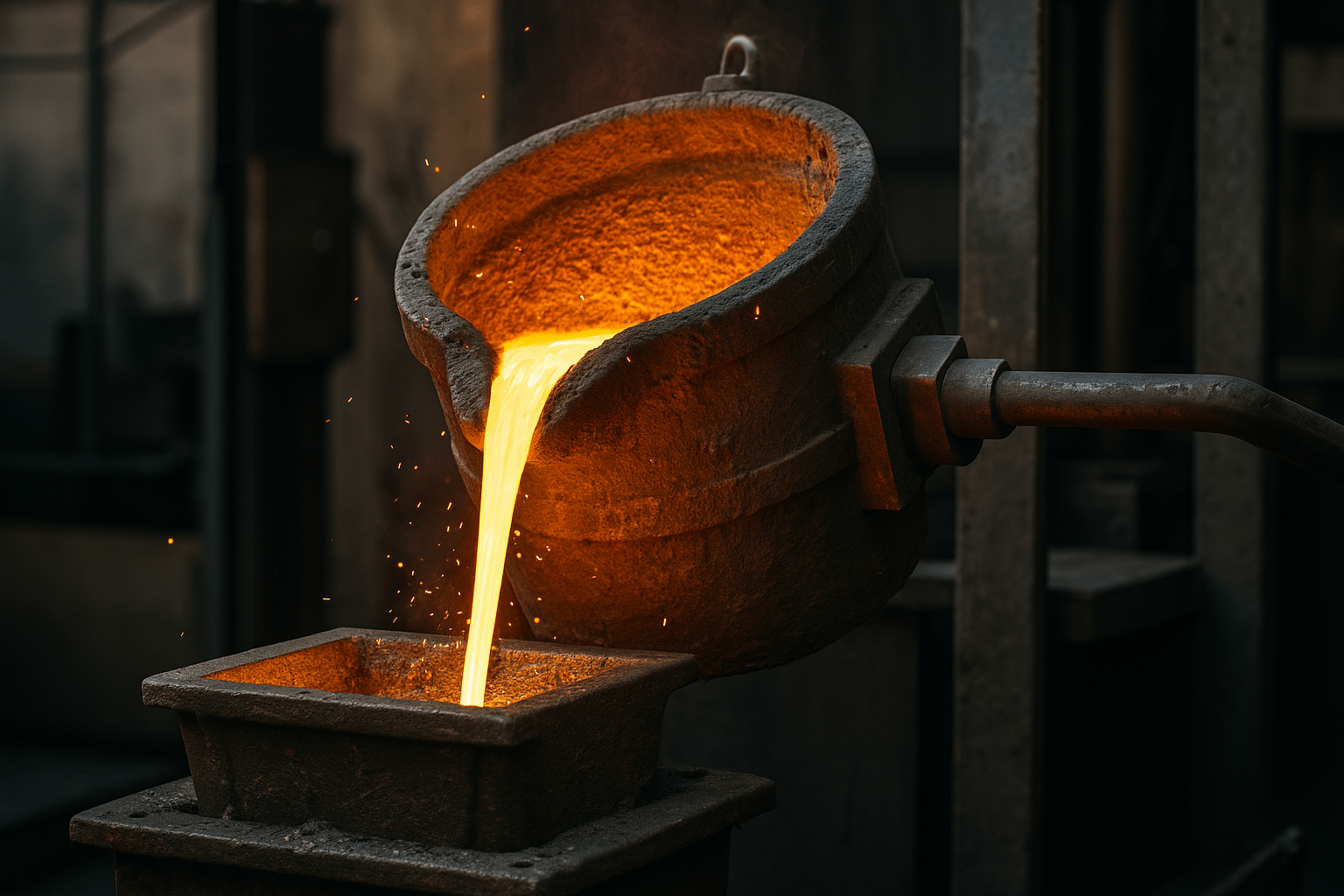
In global procurement, performance starts at the material level. For B2B buyers sourcing industrial components, especially in sectors like automotive, energy, and infrastructure, thermal behavior isn’t just academic—it’s practical. The melting point of iron plays a defining role in shaping how components perform under stress, resist heat, and maintain integrity over time.
Iron’s melting point of 1538°C (2800°F, 1811 K) influences everything from laser-cutting compatibility to iron soldering stability, especially for applications like cast iron fabrication or structural steel welding. Whether you’re specifying sheet metal enclosures or sourcing iron alloys for machine frames, understanding how iron behaves thermally helps you choose the right supplier, reduce waste, and avoid production delays.
Iron’s Melting Point: A Functional Threshold, Not Just a Number
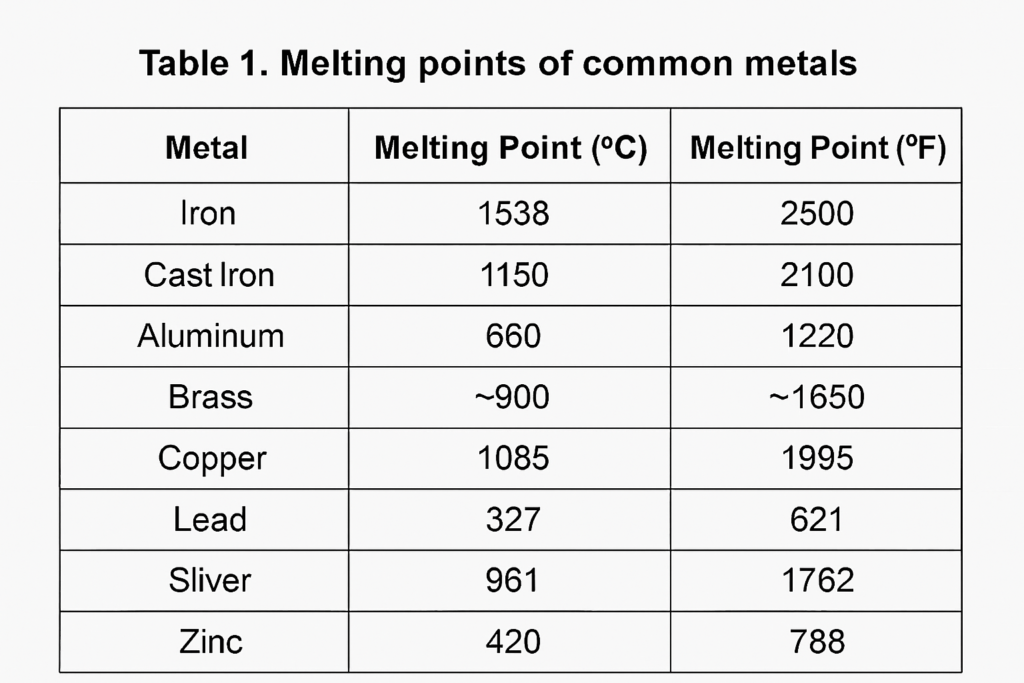
Iron melts at 1538°C, higher than many comparable industrial metals such as aluminum (660°C) or copper (1085°C). This high thermal threshold is one reason why iron remains foundational in heavy-duty applications where strength and temperature resistance are non-negotiable.
The lattice structure of pure iron contributes to this resilience. When transitioning from solid to liquid, its body-centered cubic structure requires a significant energy input. That makes iron and its alloys ideal for products that experience high mechanical stress alongside thermal exposure—like support brackets in industrial HVAC systems or energy enclosures in high-amp environments.
For procurement teams, this is more than data—it helps define allowable operating limits, joining methods, and heat-treatment cycles. It enables smarter planning for material substitutions when working under budget or performance constraints.While the melting point marks the solid-to-liquid transition, the boiling point of iron is an extreme 2862°C (5182°F), relevant in aerospace alloy production and high-temperature metallurgical applications.
Why Melting Point Impacts Your Fabrication Strategy
For buyers, reliable processing is critical. Every manufacturing step—from CNC milling to MIG welding—relates back to the melting point. Components must tolerate precision heating without deforming, cracking, or suffering internal stress.
Laser cutting requires consistent thermal behavior to deliver precise edges. When working with iron alloys, YISHANG calibrates beam intensity based on material grade—from stainless to alloyed cast iron—ensuring tight tolerances and zero post-processing delays. Iron’s high melting temperature demands pulse control accuracy to eliminate thermal distortion.
In welding, particularly with cast iron for machine building, understanding the cast iron melting temperature guides filler material selection and weld technique. The correct approach minimizes porosity and prevents cracking in structural applications or under vibration stress.
Which Iron Grade Is Best for Fabrication?
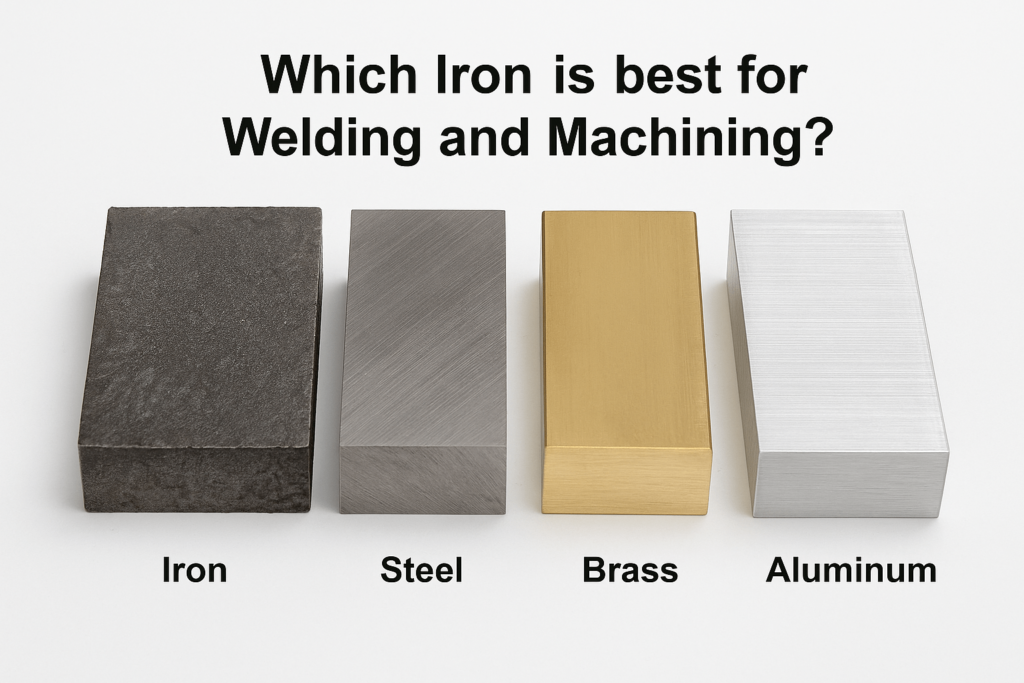
In sourcing fabricated components, selecting the right iron grade is a balance between strength, workability, and thermal behavior. For example, ductile cast iron is more suitable for parts requiring shock absorption, while gray iron supports high compressive loads with lower machinability.
Buyers should evaluate whether a part needs to be welded, machined, or die-formed—each process performs differently depending on the alloy. An alloy of iron and carbon might excel in one domain but underperform in another. That’s why working with a supplier experienced in cast iron application is essential to achieving functional precision.
Thermal Execution on the Floor: Process Control in Action
While the previous section outlined the importance of melting point in strategy, this section focuses on how YISHANG puts that into action during production. Every thermal process is optimized based on the unique behavior of iron alloys under heat.
Laser Systems: For every alloy, we apply specific beam parameters to manage heat-affected zones (HAZ) and preserve edge definition.
Welding Operations: In cast iron applications, we combine preheat cycles and slow-cooling protocols to avoid brittle microstructures, especially for export parts used in vibration-intensive environments.
CNC Machining Prep: Feed rates and spindle paths are fine-tuned for each alloy—be it cast of iron or austenitic stainless—to minimize work hardening or tool wear.
Process consistency is more than a buzzword; it’s embedded into our ISO 9001 and RoHS-certified systems. Batch traceability ensures repeatability for every delivery, helping buyers manage production timelines with confidence.
How Melting Point Varies Across Iron-Based Materials
Not all iron melts the same. Material composition matters. B2B buyers must distinguish between pure iron and engineered alloys to ensure compatibility with end-use requirements.
The pure iron melting point is 1538°C, but alloying elements like carbon or chromium adjust this range.
Cast iron typically melts between 1150°C and 1200°C. Its high carbon and silicon content allow for easier casting but reduce ductility. That makes it ideal for static, compressive applications—such as machine bases or heavy-duty support brackets. The cast iron metal composition enhances flow during casting, but not flexibility during forming.
This difference between pure iron melting point vs alloys is important for procurement planning, as it impacts casting temperature, tooling choice, and energy use.
Wrought iron, with its fibrous slag and low carbon, melts closer to 1500°C. It’s more malleable and suited for forging or decorative metalwork. Its cast iron yield strength is lower than steel, but it’s easier to hot form.
Mild and carbon steels, which are alloys of iron and carbon, melt between 1425°C and 1540°C. These are widely used for general fabrication, from vending machine enclosures to electric panel housings.
Stainless steel (e.g., 304, 316) melts slightly lower due to chromium and nickel additives. These materials balance corrosion resistance with heat tolerance, ideal for outdoor or food-grade components.
What Procurement Teams Should Ask About Iron Alloys
When ordering alloy iron and carbon materials or fabricated parts, melting behavior can influence lead time, quality, and unit price. Smart sourcing means knowing what to ask.
Is the alloy an engineered blend (e.g., an alloy of iron and carbon) or commodity grade?
What is the exact cast iron description—is it gray, ductile, or malleable?
How does the supplier handle heating during processing? Do they use preheating and slow cooling?
At YISHANG, our team assesses every incoming order for alloy type, batch consistency, and process compatibility. For instance, aluminium iron oxide layers on galvanized components can affect weld quality—so we perform oxide removal before joining.
Such quality assurance steps are crucial, especially when working with alloyed cast iron or cast steel parts that will be deployed in mission-critical environments.
Strategic Value of Iron’s High Melting Point
Some buyers may worry that high melting points mean higher production costs. But in practice, iron’s thermal resilience enables cost control in long-term usage. For example, panels fabricated from cast iron for machine building show lower failure rates in thermal cycling conditions compared to aluminum components.
Iron’s high-temperature endurance also allows for thinner gauge usage in certain applications, reducing material volume without compromising safety. That’s a measurable advantage in structural projects or when managing shipping costs.
High melting points also support multi-process compatibility. For example, one material can undergo both laser cutting and powder coating without degrading the microstructure—useful for buyers consolidating suppliers.
Quick Checklist for Industrial Buyers
Before finalizing an order for iron-based parts, consider these checkpoints:
✅ Is the iron grade compatible with your fabrication process?
✅ Do your specs require welding, cutting, or machining? Are melting points aligned?
✅ Is the material certified (RoHS, ISO)?
✅ Has the supplier provided cast iron metal composition and melting temp data?
✅ Are there provisions for batch traceability and post-fabrication inspection?
These checks streamline RFQs and reduce back-and-forth in tech confirmations.
Conclusion: Thermal Understanding Enables Better Sourcing
Iron’s melting point may seem like a technical detail, but for procurement managers sourcing large quantities or high-spec parts, it’s a practical lever. It affects tooling precision, alloy choice, thermal distortion risk, and weld behavior.
At YISHANG, we don’t just process metal—we engineer fabrication to the thermal profile of every material. That’s how we help global buyers avoid post-production delays, maintain compliance, and get repeatable quality across shipments.
FAQ
Q: What is the melting point of iron in Kelvin?
A: About 1811 K, which equals 1538°C or 2800°F.
Q: Does pure iron have a higher melting point than alloys?
A: Yes. Alloying elements such as carbon or nickel typically lower the melting temperature, as seen in steel and cast iron.
Contact YISHANG today for a precise quote—we’ll build your next project degree by degree.