
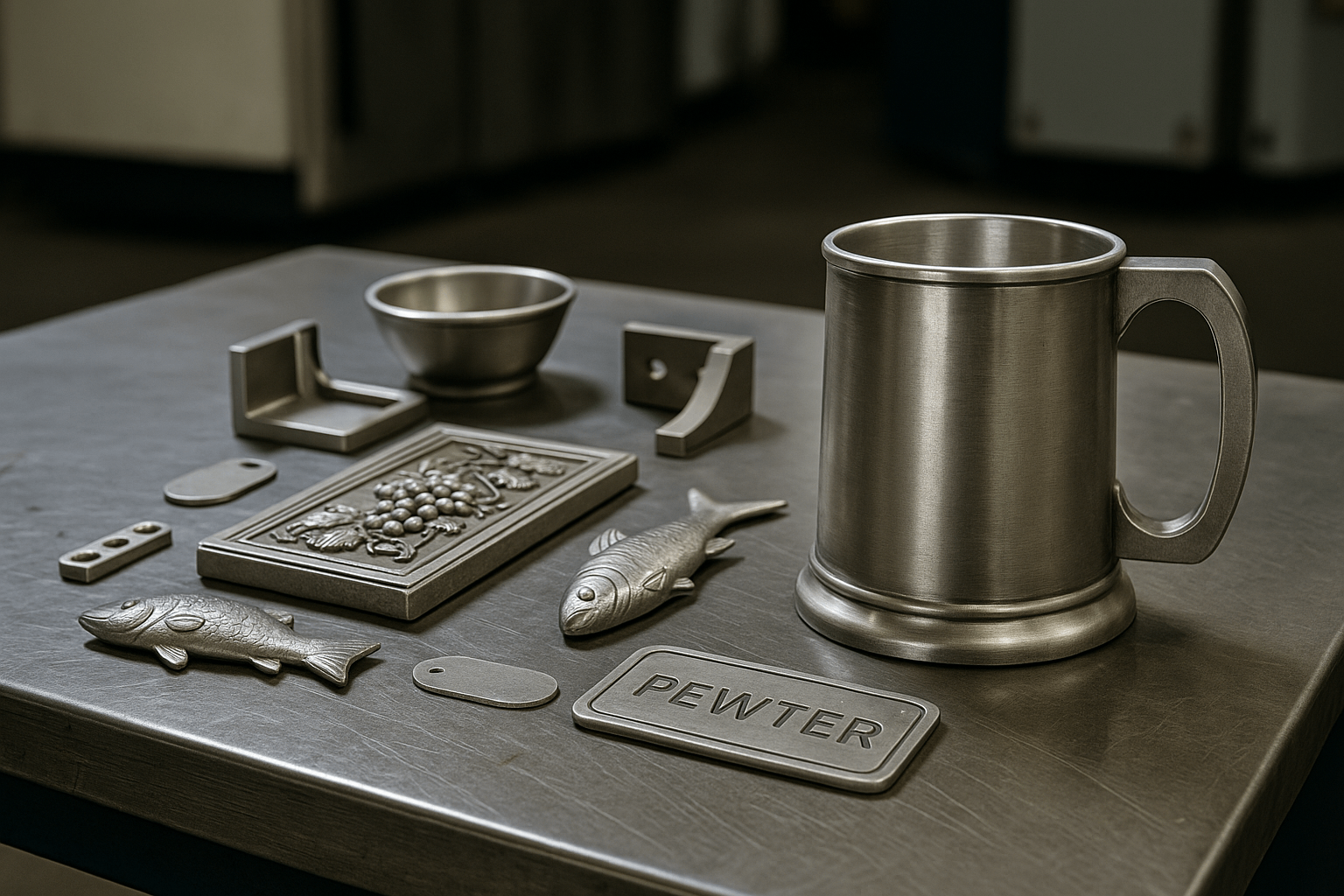
Decorative metal parts are often judged by appearance first, but procurement teams know better. The real decision usually sits at the intersection of finish quality, tooling cost, lead time, compliance, and order flexibility.
That is exactly where pewter starts to make sense.
For OEM badges, nameplates, trims, medallions, knobs, and other non-structural decorative parts, pewter can offer a useful balance: it is easier to cast and detail than many harder metals, more visually refined than some low-cost alternatives, and often better suited to short-run or low-MOQ projects than aluminum or stainless steel.
This article explains why buyers choose pewter, what material properties actually matter in procurement, and where pewter is commercially strong—or commercially weak—when decorative OEM programs move from concept to real production.
What Is Pewter and Why It Matters for OEM Buyers
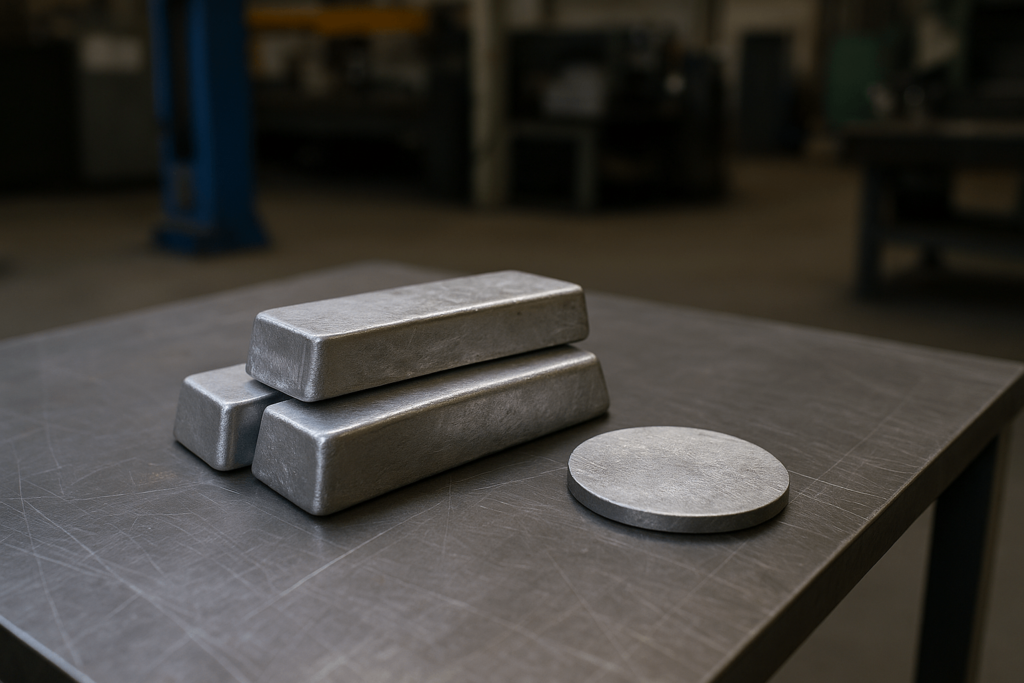
Pewter is a tin-based alloy, most commonly built around a high tin content with smaller additions of antimony, copper, bismuth, or similar elements to improve formability and durability.
For buyers, the appeal is practical rather than historical.
Pewter works well when a project needs:
a decorative metallic appearance
crisp molded or cast detail
lower tooling pressure than harder engineering metals
relatively fast development for short runs
a lead-free alloy suitable for regulated markets
Unlike structural metals, pewter is not usually chosen for load-bearing strength. Its value is strongest in decorative and semi-functional parts where brand presentation, surface feel, and production flexibility matter more than high mechanical performance.
That makes pewter especially relevant in OEM programs involving trims, plaques, promotional hardware, knobs, logos, inserts, and custom branding elements.
When Pewter Delivers Value — Use Cases with Verified ROI
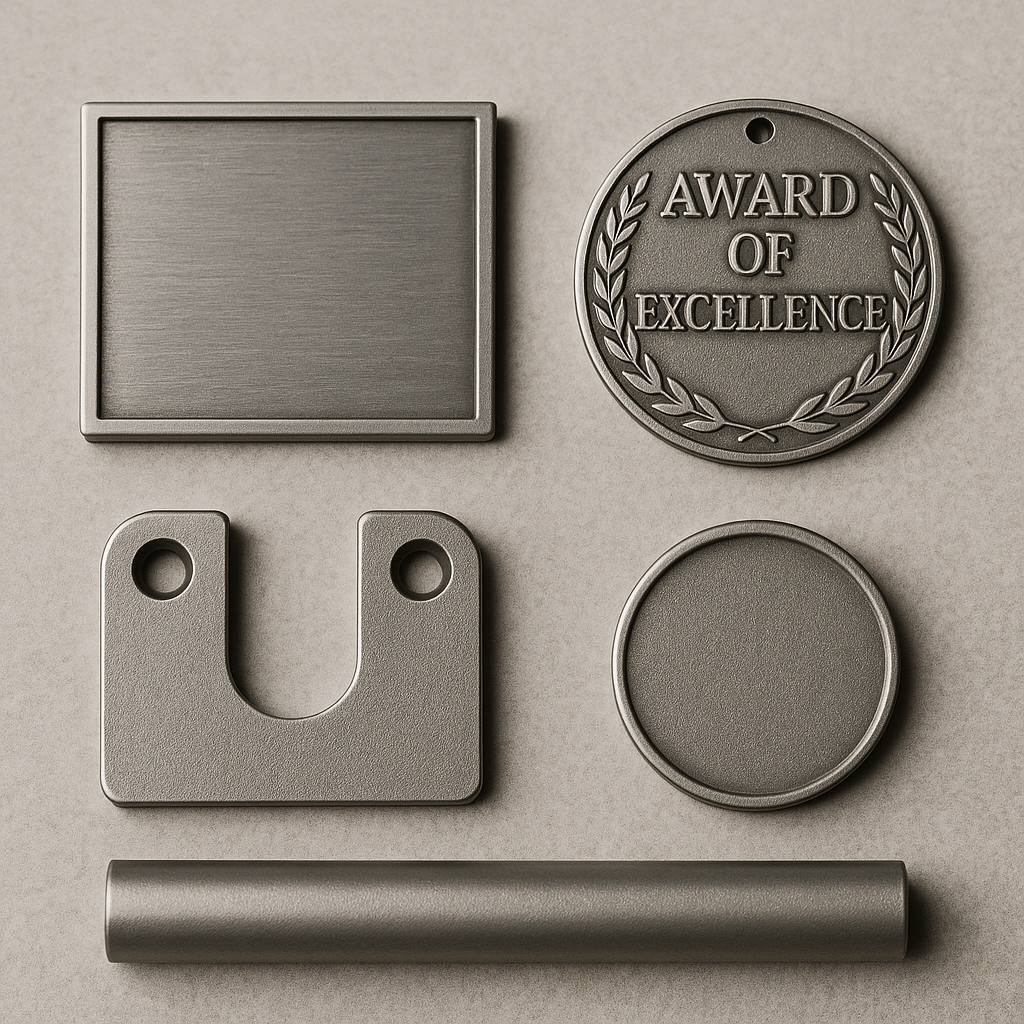
Pewter creates value when the decorative part needs to look premium without forcing the project into high tooling cost or slow revision cycles.
That usually happens in projects such as:
branded decorative plates
retail fixture accents
custom medallions and award components
logo-bearing inserts and trim details
OEM badges, decorative knobs, and display-facing hardware
What buyers often like about pewter is not just the finish. It is the way the material supports shorter runs, lower setup burden, and easier design iteration.
Compared with harder metals, pewter can be a better fit when:
the order volume is modest
the part is appearance-driven
tooling investment needs to stay controlled
surface detail matters more than structural strength
SKU variety matters more than extreme throughput
In those situations, pewter is not simply a substitute metal. It becomes a purchasing strategy that reduces friction in development and small-batch production.
Key Material Attributes That Matter to Buyers
For procurement, material value becomes clearer when each property is tied to a commercial result.
| Property | Pewter | Buyer Relevance |
| Melting Point (°C) | 170–230 | Easier casting and lower thermal input than many harder metals |
| Density (g/cm³) | ~7.3 | Gives parts a solid, premium hand-feel |
| Brinell Hardness | 10–15 | Supports decorative detail, but not intended for heavy wear loading |
| Lead-Free Compliance | Yes | Important for export-facing and regulated consumer markets |
| MOQ Suitability | High | Useful for short production runs and SKU flexibility |
These attributes matter because decorative parts are often judged by tactile quality, finish consistency, and how easily they can be sourced in practical quantities.
Pewter performs well when those priorities come first.
What Buyers Expect — Documentation & Compliance
Decorative parts still need serious documentation when they move through export channels or branded retail supply chains.
For buyers, that usually means confirming:
alloy composition and consistency
lead-free status
RoHS or related compliance support where needed
material safety documentation
traceability suitable for the order type and market
In many decorative OEM programs, compliance is not the headline specification, but it becomes important the moment the part is tied to branded consumer-facing products or regulated destination markets.
That is why buyers generally prefer suppliers who can support both the visual side of the product and the documentation side of the shipment.
Processing and Operational Advantages
Pewter’s operational value comes from the fact that it is relatively easy to shape, finish, and adapt within short-run manufacturing logic.
In practical sourcing terms, that can mean:
lower energy demand during casting
manageable machining for decorative detail work
simpler engraving and branding operations
easier bonding or low-temperature joining where needed
less finishing burden for parts designed around the material’s natural surface character
This does not mean pewter is ideal for every workflow. It means it can remove unnecessary complexity in projects where the part’s role is decorative, visible, and low-load.
That is where its processing advantages become commercially useful.
Buyer Scenario Highlight — North American Retail Fixtures
In retail fixture programs, buyers often need surface quality and brand consistency without locking themselves into oversized batch commitments.
In one decorative fixture scenario, shifting from aluminum nameplates to pewter reduced tooling pressure and simplified quality control around visible finish. The benefit was not just the initial cost change. It was the ability to support seasonal SKU variation without carrying unnecessary stock or forcing every update through a heavier production route.
This is where pewter can outperform more familiar metals: not by replacing them everywhere, but by fitting the commercial logic of decorative short-run programs more closely.
Sourcing FAQs: What Buyers Often Ask
Can pewter be used in export-facing products?
Yes, when the alloy is lead-free and the supplier can support the compliance documents required by the destination market.
Is pewter durable outdoors?
It can perform in semi-exposed conditions when protected properly, but buyers should not treat it like a structural outdoor engineering metal.
Is pewter a good choice for low-volume orders?
Often yes. That is one of its strongest commercial advantages, especially for decorative parts and branded components.
Is pewter environmentally friendly?
It is recyclable, and lead-free grades align better with modern environmental and compliance expectations than older traditional pewter compositions.
What is pewter made of?
Modern pewter is mainly tin, usually combined with smaller amounts of antimony, copper, bismuth, or similar alloying elements to improve performance.
Where Pewter Is Strong — and Where It Is Not
A useful procurement decision starts by being honest about both sides of the material.
Where Pewter Is Strong
decorative OEM parts
premium-feel visible components
branding hardware and trims
short-run and flexible-volume programs
projects where tooling cost must stay controlled
Where Pewter Is Not the Best Fit
structural parts under repeated load
heavy-wear contact components
applications that need high mechanical strength
environments where harder engineering metals are clearly more suitable
This distinction matters because pewter performs best when it is selected for the right job. Buyers usually get the most value from it when they treat it as a decorative specialty material, not as a substitute for every metal part in the assembly.
Conclusion
Pewter earns its place in OEM sourcing when the part is decorative, visible, brand-sensitive, and produced in volumes where flexibility matters.
Its value is not based on maximum strength. It comes from a more practical mix of benefits:
attractive metallic appearance
premium hand-feel
easier short-run production logic
lower tooling pressure than harder alternatives
lead-free compliance for export-facing applications
For procurement professionals, that makes pewter a smart option when the project calls for decorative impact without overcomplicating the manufacturing route.
At YISHANG, we support buyers evaluating pewter for decorative OEM metal parts, including short-run development, material review, and production planning aligned with finish expectations and sourcing realities.