What Is a Press Fit — And Why It Matters in Manufacturing
Press fits are widely used in modern mechanical assemblies, from electric motors and sensor housings to vending machines and structural metal components.
For wholesale buyers and procurement engineers, understanding what a press fit can—and cannot—do is more than a technical detail. It affects sourcing decisions, assembly cost, service life, and long-term product reliability.
A Simple Definition
A press fit is a joining method where one component is pressed tightly into another. The slight size difference between the two parts creates interference, allowing them to hold together without screws, adhesives, or welding.
Relevance for Sourcing and Procurement
A good press fit is not created by simply making one part “a little bigger” than the other. Its performance depends on tolerance control, material behavior, roundness, surface finish, and process stability.
For procurement teams, this matters because press fit problems often appear after production has already started. In high-volume OEM parts, enclosures, structural frames, or functional assemblies, a small tolerance choice can decide whether the joint stays reliable—or becomes a costly rework issue.
The Engineering Behind a Press Fit: Avoiding Common Misconceptions
Overestimating Interference — A Common Pitfall
One common mistake in press fit design is assuming that tighter always means stronger. It often does not. Too much interference can deform mating parts, raise insertion force beyond safe limits, or crack softer materials such as aluminum or plastics.
For example, a medical device supplier once increased press fit force by 30% to “improve retention.” The result was not better reliability, but stress fractures in 12% of assemblies during the first production run.
A well-designed press fit uses only the interference needed for the material pair, operating environment, and retention load. Surface preparation, roundness, and insertion speed are not minor details; they are part of the fit.
Manufacturing Standards and Control
Dimensional fits are usually guided by standards such as ISO 286 and ANSI B4.2. Tolerance pairings like H7/h6 or H7/p6 are selected for different purposes, from light location fits to heavier interference fits.
In dynamic assemblies, such as pressed sheet steel housings in vending equipment, control becomes especially important because vibration and fatigue can gradually weaken a poorly designed joint.
Suppliers involved in pressing, punching, or machining for press fit parts should be able to show that they can hold tolerance consistently across batches. For buyers, it is reasonable to ask whether the supplier uses CMM inspection, batch records, or SPC data for critical press fit dimensions.
Fit Design Based on Function: What Buyers Should Know
Performance Defines the Fit
The function of the joint should define the fit. If the part needs to transfer torque, radial retention matters. If it must resist pull-out or axial force, contact area and insertion depth become more important.
These requirements should be discussed early during RFQ review, not after a failure occurs. A practical supplier should help balance fit strength with assembly efficiency through tolerance review and process planning.
Materials Make the Difference
Material choice directly affects press fit behavior. Aluminum-on-steel and brass-on-stainless combinations, for example, do not respond the same way under pressure, heat, or repeated use. Their expansion rates and elastic limits are different.
In applications such as energy storage or EV-related assemblies, the fit may also need to survive repeated thermal cycles. In those cases, material pairing should be reviewed carefully before production, especially when the component will see repeated stress or demanding assembly conditions.
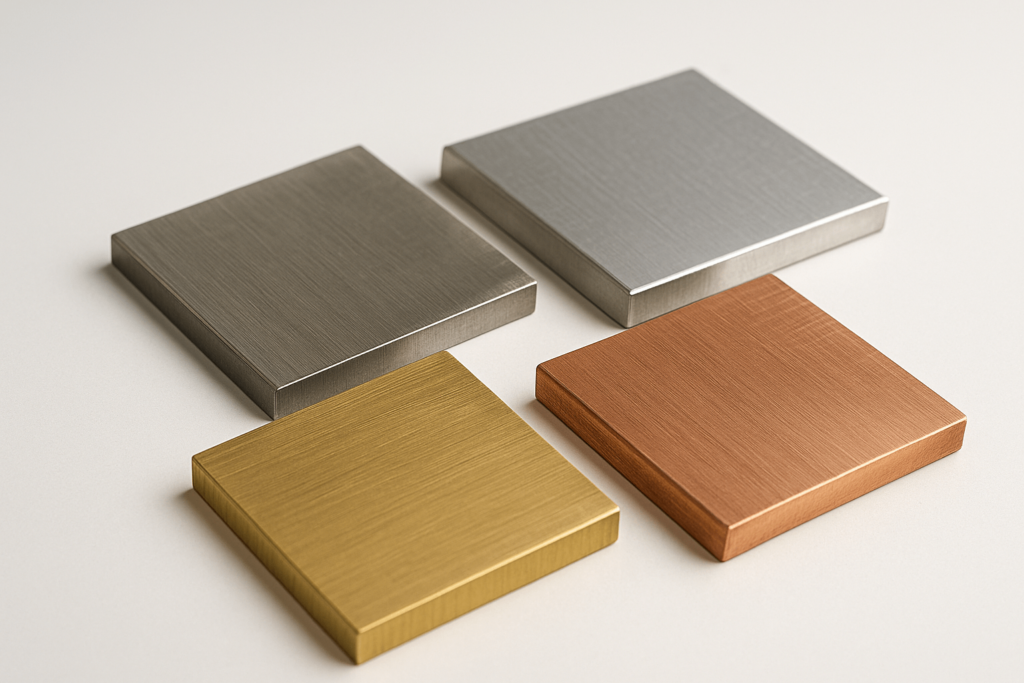
Surface and Finish Are Critical to Fit Integrity
Surface finish has a direct impact on assembly force and long-term fit stability. A rougher surface may increase friction, but it can also raise the risk of galling. A smoother surface may reduce force variation, but it can also reduce retention if the fit was not designed for it.
For many press fit interfaces, a finish range around Ra 0.8–1.6 µm is often used as a practical reference. If powder coating, zinc plating, or another coating is involved, its thickness must be included in the tolerance stack-up.
This is why functional interfaces should be discussed during DFM review, not left for final inspection.
Real-World Applications Across Industries
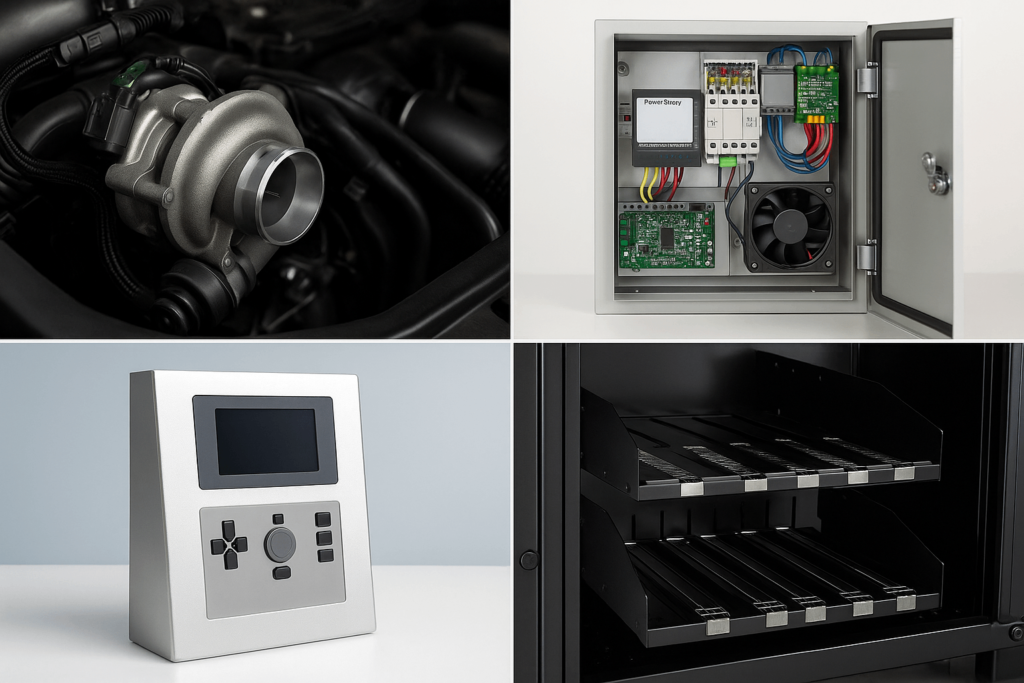
| Industry | Press Fit Use Case |
|---|---|
| Automotive | Driveshafts, sensor housings |
| Electronics | Heatsink mounting, PCB connectors |
| Medical | Surgical tools, diagnostic equipment |
| Energy Storage | Battery module joining |
| Industrial Vending | Panel frames, security locks |
Press fits are useful in industries where compact assembly, vibration resistance, and stable component location are important.
Buyers should match the application environment—heat, movement, chemicals, vibration, or repeated assembly—with the supplier’s actual experience. A vendor familiar with EV or vending machine components, for example, is more likely to understand risks such as thermal shift or repeated operating loads.
Troubleshooting Common Press Fit Failures
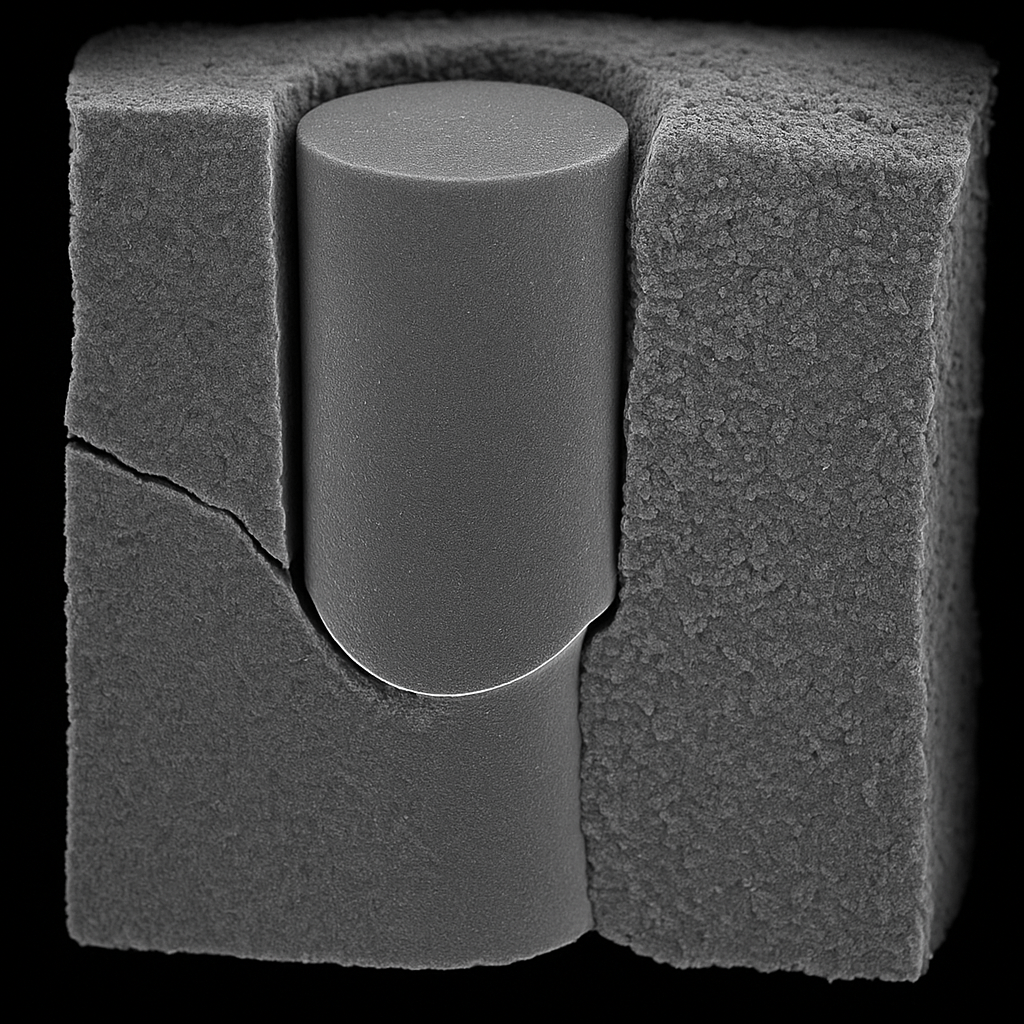
Press fit failures can happen even when the basic dimensions look correct. Often, the problem comes from surrounding conditions: the wrong insertion force, poor fixture alignment, unsuitable materials, or unaccounted coating thickness.
Common failure types include:
cracking of housings caused by excessive press force;
loosening over time due to wear or thermal cycling;
distortion caused by misaligned insertion or poor fixture design.
Preventing these issues starts during design review. Material compatibility, insertion tooling, press speed, and long-term operating environment should all be considered before mass production begins.
When Press Fit Isn’t the Best Option
Press fits are useful, but they are not always the best choice. Some assemblies need another joining method.
For example:
plastic parts may deform under interference loads;
parts requiring regular maintenance may be better suited to slip fits or fasteners;
high-vibration environments may need bonded joints or additional retention features.
When sourcing metal components, buyers should be prepared to compare press fits with alternatives such as riveting, bolted connections, or other assembly methods. The right answer depends on load, maintenance access, material behavior, and product lifecycle.
Advanced Design Tactics for High-Volume Assembly
Press fit reliability improves when the design supports the assembly process. Small design changes can reduce insertion damage, improve alignment, and lower reject rates.
Useful tactics include:
adding lead-ins or small chamfers to guide insertion;
using self-locating features to improve alignment;
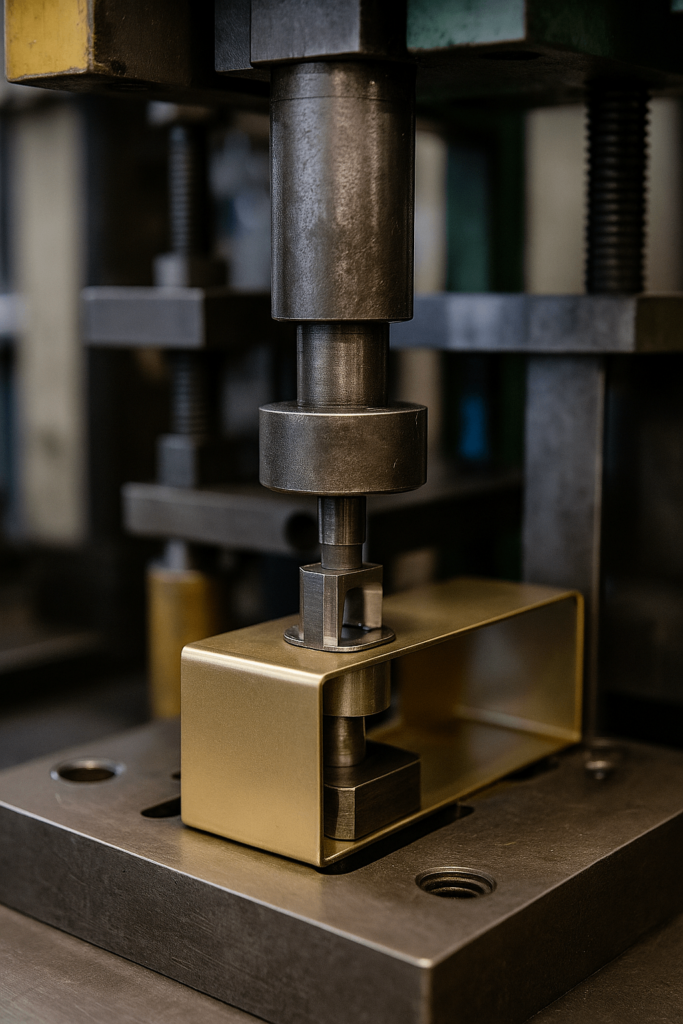
allowing enough tool clearance for pressing and inspection;
checking fixture access before finalizing the design.
For sheet metal assemblies or frame-based products, these small adjustments can make high-volume assembly more stable and reduce avoidable press-time issues.
How to Evaluate a Press Fit Supplier
A reliable press fit supplier should be able to show how the fit will be controlled, not just say that it can be made.
Buyers can ask for:
tolerance documentation and drawing validation;
tooling inspection records or assembly test data;
sampling procedures for interference fit dimensions;
experience with similar industries and production volumes.
For larger runs, gage R&R studies or similar process validation can help confirm that measurement and production methods are stable enough for batch manufacturing.
Final Takeaway for Procurement Teams
Press fits are not just simple mechanical tricks. When designed well, they can reduce part count, save space, and create reliable assemblies without extra fasteners.
For procurement teams, the key is early validation. Interference, material pairing, surface finish, coating thickness, and insertion process should be checked before volume production begins.
If your project includes high-tolerance or function-critical press fit components, YISHANG can review your drawings and help identify practical risks before production.