

What Global Buyers Really Need from Structural Steel Design
For international wholesale buyers and OEM procurement professionals, structural steel design directly impacts outcomes like lead time, cost efficiency, and ease of installation. A well-planned design ensures frames can move seamlessly from manufacturing to on-site installation without rework.
We focus on making structural steel designs procurement-aligned from the beginning—helping you reduce lead time, minimize field adjustments, and streamline communication across teams. This article explores how each stage of the design process can better serve purchasing workflows and delivery expectations.
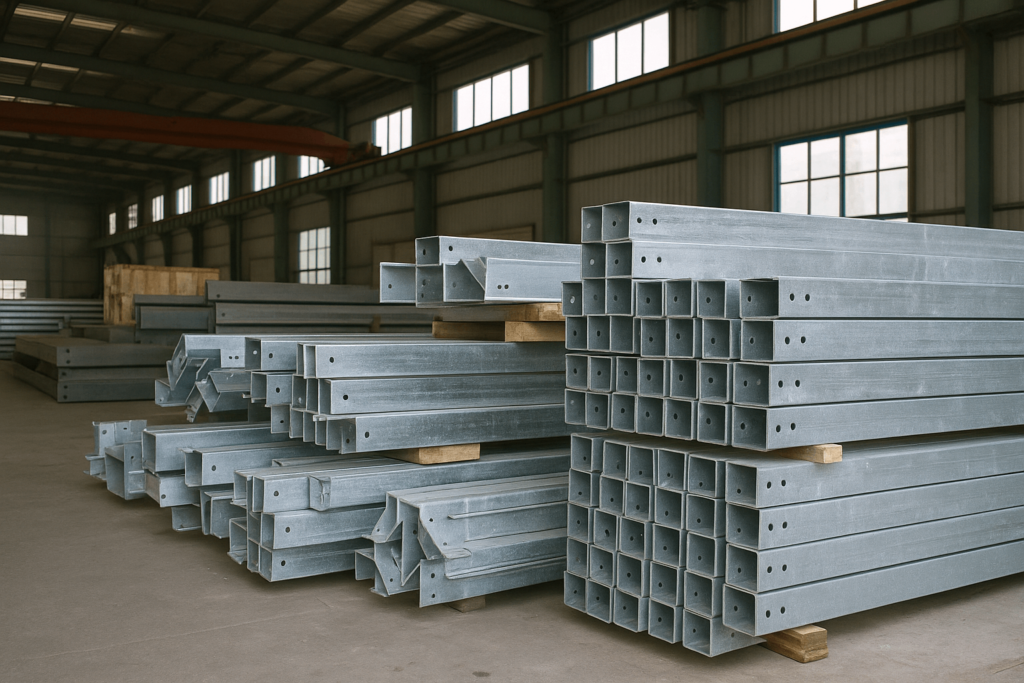
From Load to Layout: Design that Aligns with Application
Fit First: Application-Based Geometry
Smart structural steel design begins with your product’s purpose. Whether it’s for an automation rack or a refrigeration unit frame, aligning structural elements with real-world assembly paths, clearances, and mounting logic is critical.
Buyers expect components to fit without excessive adjustment. We apply layout tools like Revit and SolidWorks to simulate spatial conflicts early, reducing on-site surprises and field modifications.
CAD Integration That Prevents Rework
OEMs often supply CAD computer assisted design packages. We simulate integration early to minimize misalignment, rework, or late-stage design changes. This helps procurement avoid unnecessary tooling or redesigns.
Bending and Bracket Alignment
We embed bending design principles and bracket orientation in early planning to avoid interference with enclosures and sealing zones—eliminating the need for late-stage redesigns.
Optimization with Purpose: Reducing Cost Without Sacrificing Function
Material Reduction Strategies Buyers Care About
Steel prices are volatile. In bulk procurement, every kilogram affects landed cost. Our engineers apply finite element analysis (FEA) and section comparison techniques to prevent overdesign and minimize steel weight.
For example, one enclosure redesign replaced W16x50 beams with optimized W14x30, cutting material cost by 40%. Not only did this lower logistics expenses, it simplified welding and improved cycle time—helping procurement teams stay under budget.
Smart BOM Management
To make replenishment easier, we avoid unnecessary profile variety. A compact Bill of Materials (BOM) helps buyers manage sourcing and reduces machine setup times for fabricators. We also apply insights from casting design and cnc design program logic to optimize manufacturability.
| Member | Original Size | Optimized Size | Weight Saved (%) |
|---|---|---|---|
| Beam A | W16x50 | W14x30 | 40% |
| Column B | HSS 6x6x1/2 | HSS 5x5x3/8 | 18% |
| Truss Diagonal | L4x4x3/8 | L3x3x1/4 | 28% |
Designed to Be Built: Fabrication-Centric Thinking
Make Welding and Cutting Easier by Design
A technically correct structure means little if it’s difficult to produce. A design that considers how fabricators cut, bend, and join materials reduces costly production issues.
We use design for welding, laser cutting design, and metal fabrication design consultation standards to streamline assembly and minimize labor cost. These practices are key for buyers evaluating production feasibility.
Reduce Delays with Fabrication-Ready Details
Features like corner reliefs, weld callouts, and standardized hole sizing reduce ambiguity for manufacturers—helping you avoid rejections, rework, and delivery delays that impact lead times.
Clear Assembly, Lower Rework
Simulating assemblies in Tekla helps avoid mismatches and part delays—critical to keeping your production lead time on track. Our design group includes part IDs and directional markers for accurate 3D reassembly—reducing confusion during local install and integration.
Procurement-Driven Collaboration: Supplier Design that Fits Your Workflow
Modular Thinking for Fast-Paced Teams
Most OEM buyers manage fast-turnaround projects. Our modular logic—interchangeable brackets, pre-slotted panels, and universal bolt grids—lets you adapt specs without reworking core frames.
For instance, we supported a 3-dimensional services group – urgent design request for EV charging bays. By re-optimizing mount placements without changing structural geometry, we kept their project on schedule.
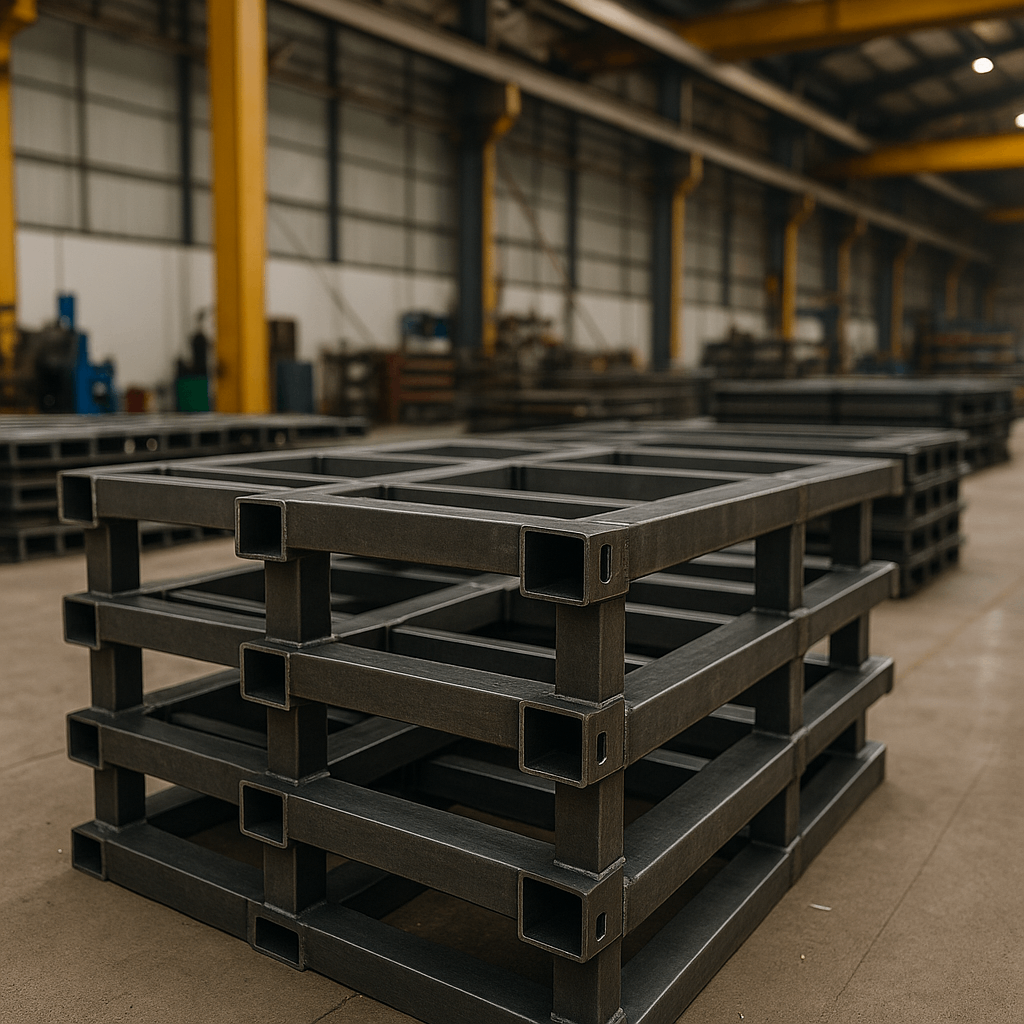
CAD CNC Compatibility Built In
We follow your file hierarchies and CAD CNC standards across all touchpoints. That means faster RFQ response, cleaner reviews, and less lost time during prototyping or transfer builds.
Standards and Software: Global Readiness Built In
Always Compliant, Globally
We deliver files that comply with your preferred regional codes—AISC, Eurocode, GB—plus passivation specs, revision tracking, and nesting logic. This shortens vendor pre-qualification and speeds up RFQ cycles.
CAD-Friendly for Speed and Precision
From Tekla to Inventor and SolidWorks, our native file outputs match your internal systems. This eliminates translation errors and improves first-pass approval rates.
Advantages of Computer-Aided Design
Beyond speed, advantages of computer aided design include cross-department clarity, more consistent documentation, and faster design iteration—key for large-batch metal products.
Strategic Material Selection: Impact on Cost and Lead Time
What Procurement Needs from Material Choices
Material isn’t just about tensile strength. It affects cost, fabrication time, and logistics. Choosing between carbon steel vs aluminum or cast iron vs steel impacts your lead time and available processing methods.
Use Cases: Stainless vs Mild Steel
For food-grade or outdoor enclosures, stainless steel may be essential—but adds polishing steps and price. For utility-grade racks, powder-coated mild steel offers lower cost and faster production.
Aluminum Extrusion Design Guide Principles
We also support clients using aluminum profiles. We apply aluminum extrusion design guide best practices, including wall thickness, support ribbing, and CNC jointing logic.
Conclusion: Procurement-Aligned Design That Performs
Reliable steel design is more than just structural performance—it’s an enabler for shorter RFQ cycles, fewer design changes, and smoother logistics. When design aligns with procurement logic, projects stay on schedule and under budget.
If you’re sourcing for enclosures, kiosks, or modular assemblies, we’re here to reduce the friction from design to delivery.
Contact our team to explore structural steel designs that meet your procurement goals.