
Prototype approval is often seen as a green light for moving forward with production, but in sheet metal fabrication, it can be a false sense of security. For industrial buyers sourcing custom metal enclosures, brackets, frames, or welded assemblies, the transition from prototype to batch production is fraught with risks that can compromise quality, lead times, and costs. Understanding these risks and addressing them early in the procurement process is critical to ensuring consistent results.
How Prototype Success Can Mask Batch Production Risks
Prototypes are typically produced under controlled conditions, often with more time and attention to detail than what’s feasible in mass production. This can create discrepancies when scaling up. For example, a prototype enclosure might fit perfectly during manual assembly, but in batch production, small variations in cutting or bending processes could lead to misalignment issues. Without adjustments to account for production realities, these deviations can snowball, resulting in rejected parts, rework, or assembly delays.
Buyers often assume that prototype approval guarantees the same outcome at scale, but this is rarely the case. Factors such as material lot variability, tool wear, and process tolerances can introduce inconsistencies. Clarifying how the supplier plans to transition from prototype conditions to batch production is essential to mitigating these risks.
Why Batch Consistency Depends on Detailed RFQs
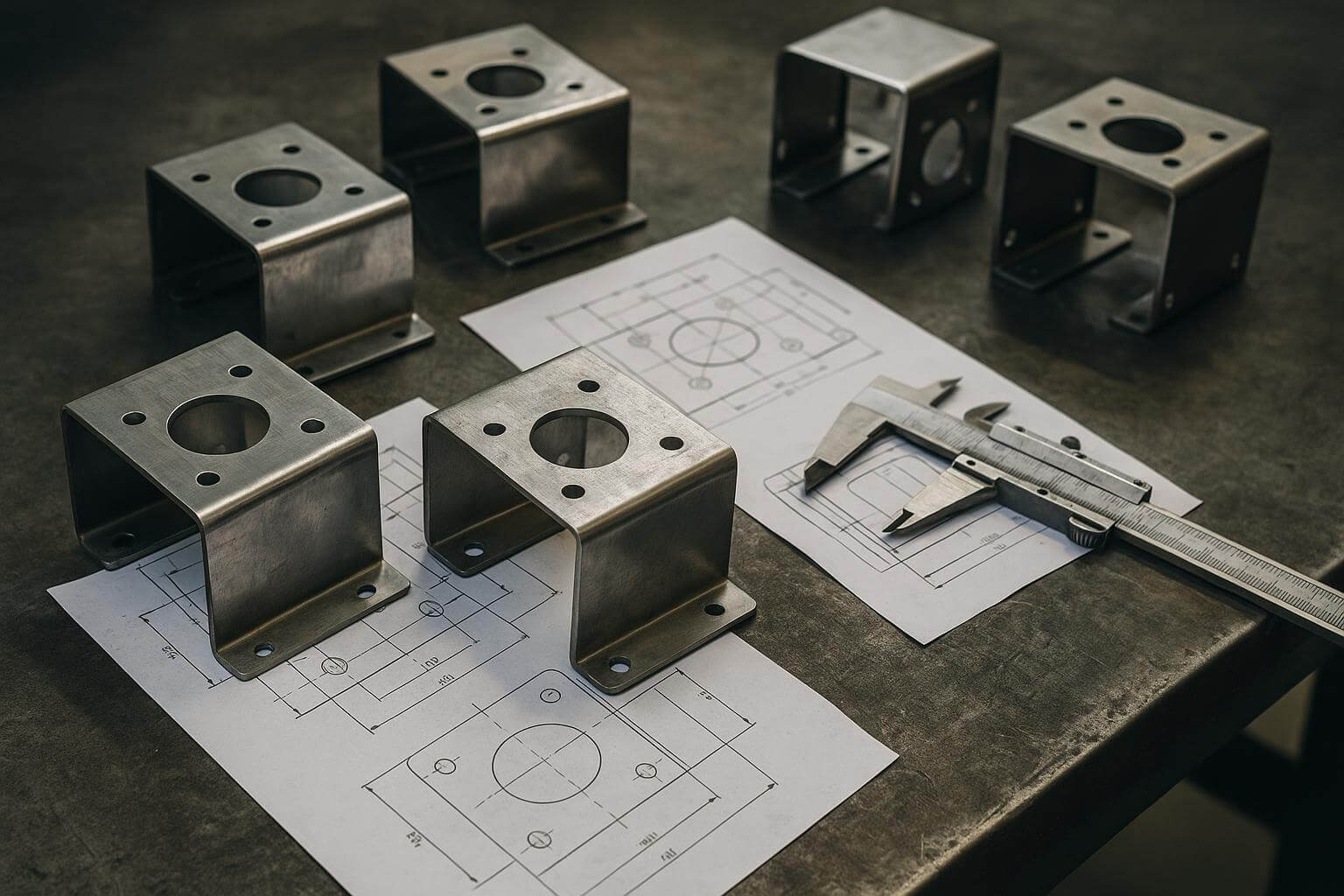
One of the most common reasons for batch inconsistency is inadequate detail in the initial RFQ. For instance, a buyer requesting 500 units of a custom bracket may provide a CAD file but fail to specify critical tolerances, surface finish expectations, or functional fit requirements. This leaves room for interpretation, leading to quote assumptions that may not align with the buyer’s expectations.
Consider a scenario where a prototype bracket is produced with a ±0.1mm tolerance for a tight assembly fit. If this tolerance is not explicitly stated in the RFQ, the supplier might default to a standard tolerance of ±0.3mm in batch production to reduce costs. The result? Parts that don’t assemble properly, causing delays and additional expenses. A comprehensive RFQ that includes material specifications, tolerances, finish requirements, and assembly considerations is the foundation for consistent production.
The Role of Process Adjustments in Maintaining Consistency
Batch production often requires process adjustments that weren’t necessary during prototyping. For example, a prototype frame might be welded manually, allowing for precise control over joint alignment. In contrast, batch production may rely on automated welding, which, while faster, can introduce variability if the fixtures and settings aren’t optimized.
Similarly, cutting and bending processes may need to be fine-tuned to account for material springback or tool wear. Without these adjustments, batch parts may deviate from the approved prototype, leading to functional or aesthetic issues. Collaborating with a fabricator like Yishang, which has experience in scaling production, can help address these challenges proactively.
How Inspection Plans Prevent Surprises in Batch Production
Inspection protocols often differ between prototypes and full production runs. A prototype might undergo exhaustive quality checks, but in batch production, sampling is more common. If the sampling plan doesn’t account for the critical dimensions or features that were validated in the prototype, defects can go unnoticed until assembly or final inspection.
For example, a custom metal enclosure might pass prototype inspection due to its precise fit and finish, but in batch production, minor deviations in corner radii or hole alignment could render it unusable. Establishing a detailed inspection plan that mirrors the prototype’s validation criteria can prevent such issues. This includes agreeing on sampling rates, key dimensions to measure, and acceptable tolerances.
The Importance of Supplier Communication During Scale-Up
Effective communication with your sheet metal fabrication shop is critical during the transition from prototype to batch production. Misaligned expectations or assumptions can lead to costly mistakes. For instance, if a buyer assumes the supplier will make adjustments for automated production but doesn’t explicitly request it, the resulting parts may not meet functional requirements.
Regular communication helps identify potential risks and align on solutions. For example, discussing tooling upgrades, process changes, or inspection criteria with your supplier can ensure that batch production meets the same standards as the prototype. Yishang’s team, for instance, works closely with buyers to review drawings, clarify requirements, and implement process controls that support consistent production.
Contact us today with your drawings, material specifications, quantities, tolerances, and finish requirements to receive a detailed quote tailored to your project. Let Yishang help you bridge the gap between prototype approval and batch production success.
Frequently Asked Questions
What should OEM buyers prepare before requesting a sheet metal fabrication quote?
Buyers should prepare drawings, material grade, sheet thickness, quantities, tolerance notes, finish expectations, and any assembly or inspection requirements. The clearer the RFQ, the fewer assumptions the supplier needs to make during quoting.
Why do sheet metal fabrication quotes vary between suppliers?
Quotes often vary because suppliers make different assumptions about tolerances, material yield, finishing steps, welding complexity, inspection needs, packaging, and lead time. A detailed RFQ helps buyers compare quotations on the same technical basis.
How can tolerance requirements affect fabrication cost?
Tight tolerances may require more controlled cutting, forming, fixturing, inspection, or secondary work. Buyers can control cost by separating fit-critical dimensions from non-critical dimensions instead of applying tight tolerances everywhere.
When is a prototype recommended before batch production?
A prototype is useful when the part has tight fit-up, visible surfaces, welded assemblies, complex bends, or mating components. It helps confirm manufacturability, assembly behavior, and finish expectations before larger quantities are produced.
What surface finish details should be included in an RFQ?
Buyers should specify finish type, color, coating thickness if required, cosmetic surfaces, corrosion expectations, masking areas, and any visual acceptance standard. This avoids finish-related rework or quote changes later.
How can Yishang support custom sheet metal fabrication projects?
Yishang can review drawings, clarify fabrication requirements, discuss materials and finishes, support prototypes, and prepare for batch production based on the buyer’s RFQ details.