
Introduction
Metals are typically valued for their strength and rigidity—especially in fields like aerospace, automotive, and precision tooling. But not all metals conform to these expectations. Cesium, known as the softest metal on Earth, challenges traditional assumptions and presents unique engineering implications.
With a Mohs hardness of just 0.2, cesium is softer than talc and behaves almost like a liquid at room temperature. While it’s not a material you’d bulk order for structural use, its properties are highly relevant to decision-makers sourcing soft metals for custom applications. In this article, we explore what makes cesium unique and how that knowledge translates into better material choices in procurement, especially for companies requiring metals for low yield strength fabrication, metal housing customization, or conductive alloy components.
Rethinking Softness: Why It Matters in Manufacturing
In procurement, softness isn’t a buzzword—but it should be. In sectors where formability, bend radius, or surface reactivity are key (think: enclosures, EMI shields, or deep-drawn housings), understanding a metal’s softness can directly impact cost, tooling, and product yield.
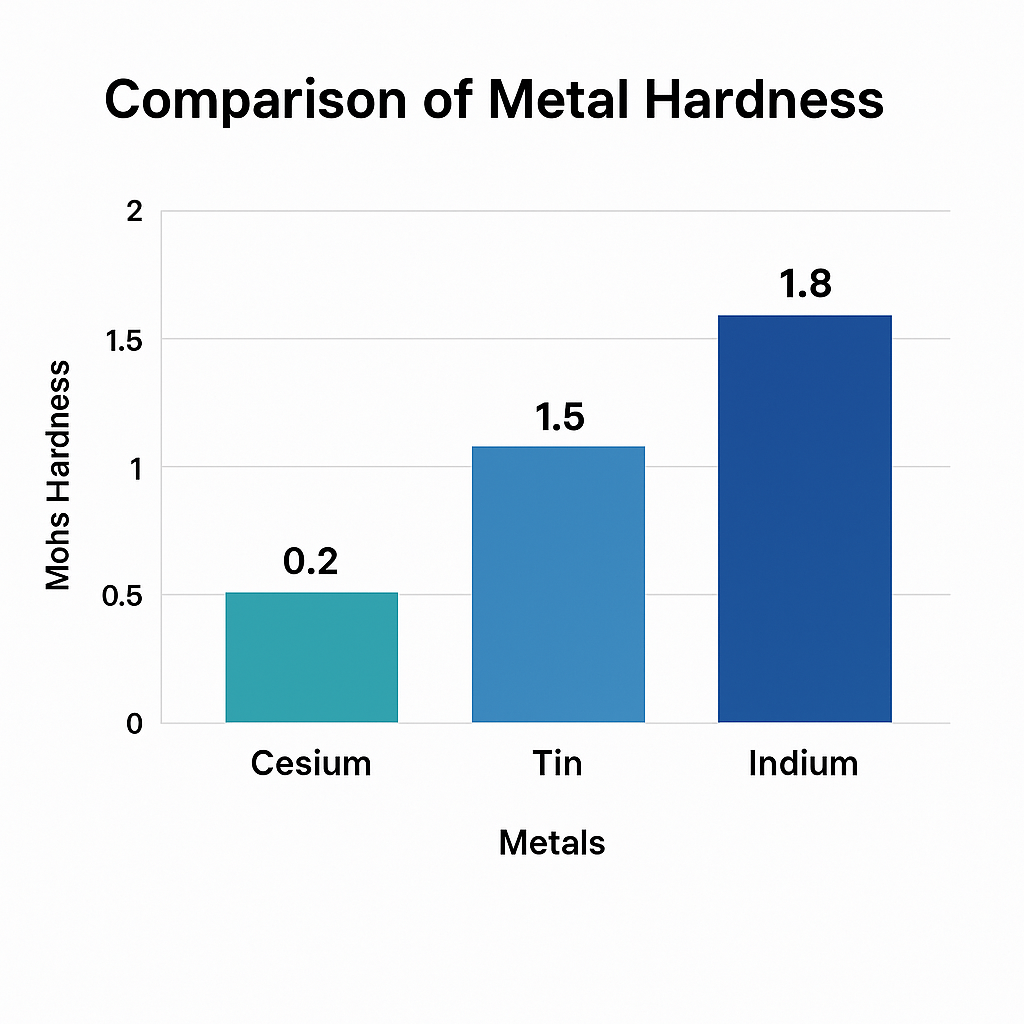
Hardness scales matter here. On the Mohs scale, cesium scores 0.2, making it the least resistant to scratch or indentation. That softness stems from its large atomic radius, low bonding energy, and body-centered cubic crystal structure—traits that reduce interatomic cohesion.
Technical buyers often refer to Vickers or Brinell data during supplier audits. Knowing that cesium’s softness is structural, not merely superficial, helps material engineers benchmark more practical options like tin, indium, or aluminum, which retain processability without cesium’s volatility.
For those sourcing soft sheet metal for deep forming or custom copper/tin enclosures, this foundational understanding supports better decisions when evaluating low-hardness metal fabrication suppliers.
Cesium Under the Microscope: Behavior and Industrial Relevance
Cesium (element 55) exists on the far end of the metallic behavior spectrum. With a melting point of just 28.5°C and a density of 1.93 g/cm³, it begins to lose structural integrity in warm environments—offering insight for evaluating thermally sensitive alloys.
For manufacturers of components requiring high electrical conductivity, malleability, or atomic precision, cesium provides a conceptual baseline. Its photoelectric properties, low ionization energy, and high ductility have inspired innovations in quantum clocks, radiation sensors, and specialized fluid systems.
Understanding cesium doesn’t mean using it—it means making informed decisions about which materials offer similar flexibility or forming behavior under lower risk. In sourcing scenarios where low yield strength and electronic responsiveness are priorities, evaluating adjacent soft metals becomes a strategic step.
Comparing Cesium with Processable Soft Metals
Let’s put cesium’s softness into perspective. Other low-hardness metals are far more common—and safer—for industrial and OEM use.
| Metal | Mohs Hardness | Melting Point (°C) | Density (g/cm³) | Sheet Processable? | Typical Use Cases |
|---|---|---|---|---|---|
| Cesium | 0.2 | 28.5 | 1.93 | ❌ (too reactive) | Atomic clocks, ion thrusters |
| Tin | 1.5 | 231.9 | 7.31 | ✅ | Electronics, plating, solder |
| Indium | 1.2 | 156.6 | 7.31 | ✅ | Thermal pads, touchscreens |
| Lead | 1.5 | 327.5 | 11.34 | ✅ (with precautions) | Shielding, cable sheathing |
| Gallium | 1.5 | 29.8 | 5.91 | ❌ (melts in hand) | Soft circuits, semiconductors |
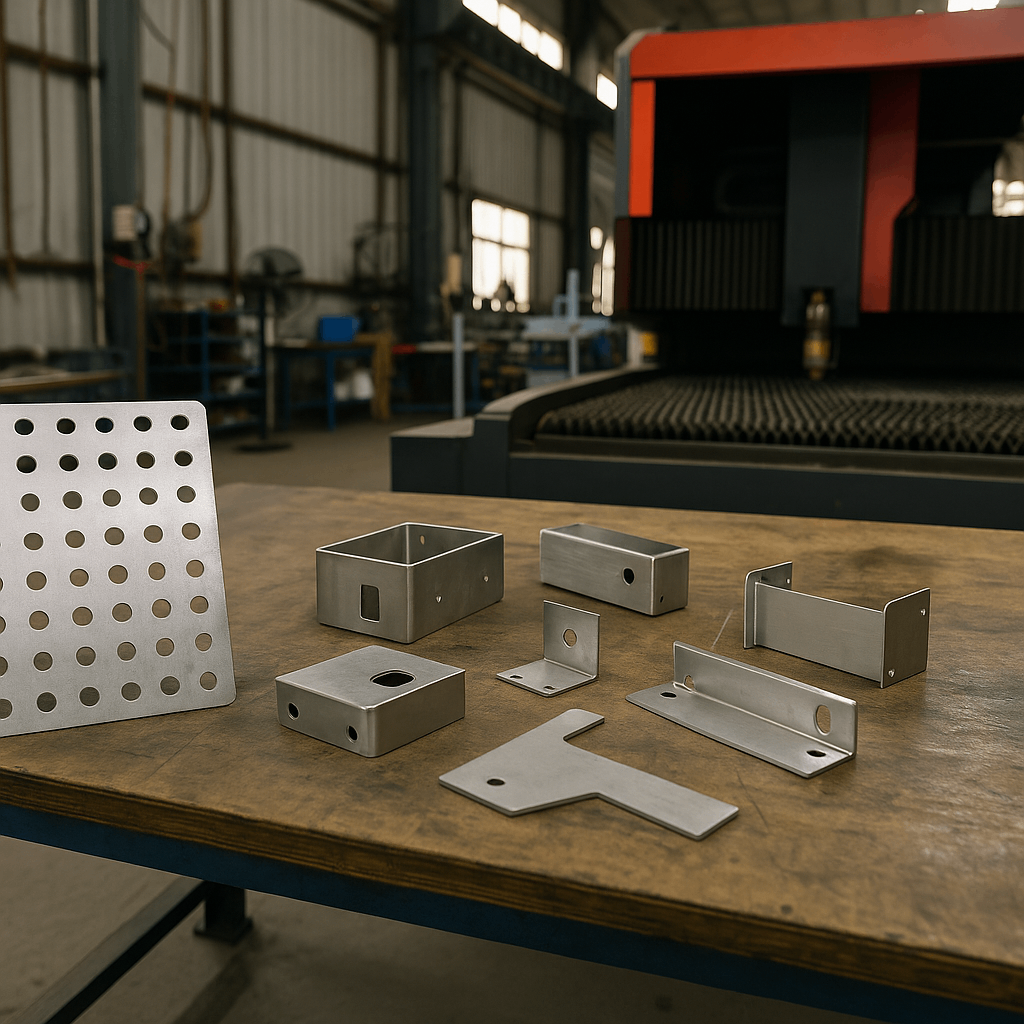
For metal buyers, tin and indium offer the best compromise between formability and safety. These are widely used in precision forming, electronics housing, and surface bonding. At YISHANG, we’ve developed optimized processes for handling such metals, ensuring structural integrity even in low-force applications.
Practical Insights for Wholesale Buyers and Engineers
In sheet metal fabrication, understanding softness means optimizing for design tolerance, tooling life, and end-use performance. At YISHANG, we work extensively with low-hardness metals for industries including:
Consumer electronics (shielding, casings)
Medical hardware (enclosures, EMI protection)
Display systems (mounting, surface integration)
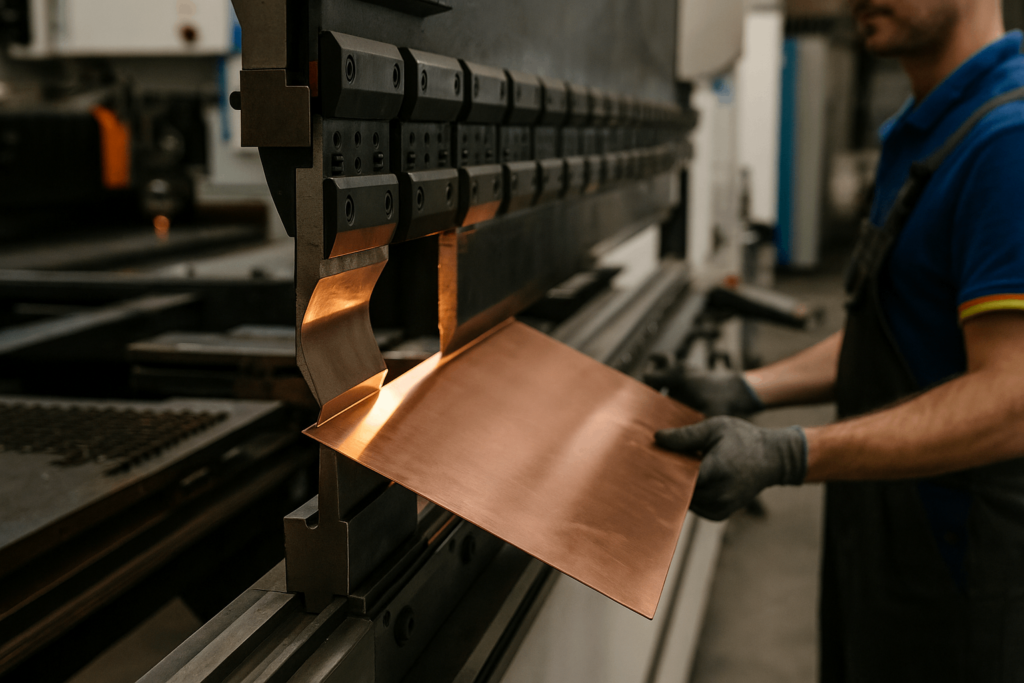
Soft metals like tin, brass, aluminum, and copper are preferred for their ease of processing, tight-tolerance forming, and surface finish compatibility. This leads to reduced reject rates and higher efficiency—key factors wholesale buyers weigh when sourcing components internationally.
We also support OEM/ODM customization with flexible Minimum Order Quantities (MOQ), responsive lead times, and full-process quality inspection. YISHANG offers material sourcing, design assistance, and export-ready packaging to meet global supply chain standards.
YISHANG recently helped a UK-based electronics wholesaler reduce tooling costs by 18% by replacing a standard aluminum housing with a custom high-formability tin enclosure. This switch also accelerated production lead times by 22%, aligning perfectly with their contract manufacturing deadlines.
According to MarketsandMarkets, global demand for soft conductive metals in electronics is expected to grow at a CAGR of 6.2% through 2028—driven by consumer device miniaturization, 5G infrastructure, and EV battery systems. This trend underscores the importance of selecting metals with predictable formability and performance, especially when production scaling is involved.
Frequently Asked Questions
Which soft metals are RoHS compliant?
Tin, indium, aluminum, and brass alloys offered by YISHANG meet RoHS requirements. We provide full material traceability and certificates with every batch.
What’s the typical lead time for soft alloy sheet metal orders?
For most standard sheet metal soft alloy components, YISHANG can deliver within 15–25 days depending on order volume and customization requirements. We provide DDP, CIF, and FOB shipping terms based on your preference.
Is YISHANG an ISO-compliant soft metal manufacturer?
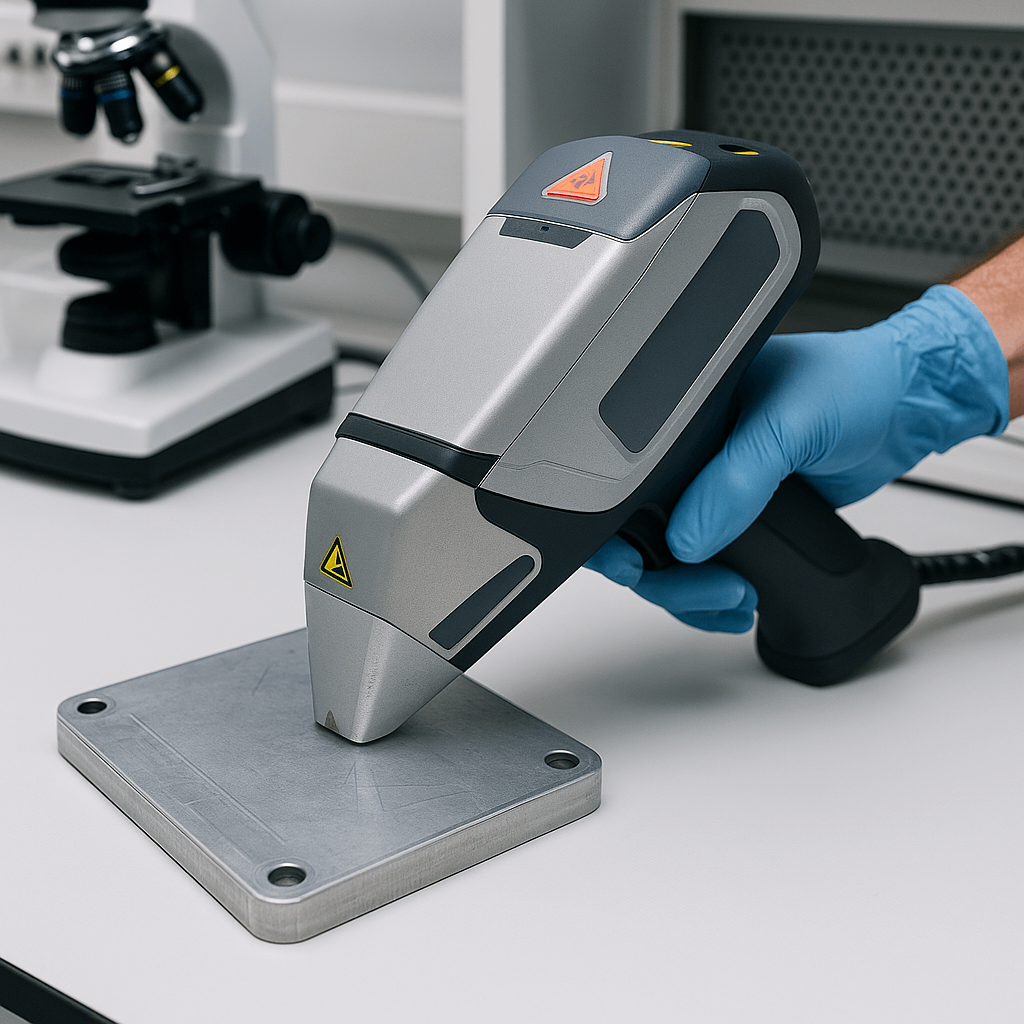
Yes. YISHANG is certified under ISO 9001 and adheres to strict internal QA processes, with RoHS-compliant soft alloy options. Our operations align with international fabrication and environmental safety standards.
Do you support tin casing OEM for electronics?
Absolutely. YISHANG provides full-service OEM tin enclosures for consumer and industrial electronics, customized to your exact specifications.
Can you deliver soft metal housings internationally?
Yes. We support global exports with flexible incoterms. DDP, FOB, and CIF options are available, and all products are shipped with secure, export-ready packaging.
Conclusion
Cesium sets the scientific benchmark for softness, but in industrial and commercial manufacturing, safer metals like tin, indium, and aluminum offer practical formability without the risks. By understanding these properties in depth, procurement teams can make better material selections based on formability, certification, and sourcing reliability.
At YISHANG, we help global buyers turn material science into tangible value through precision manufacturing, certified compliance, and flexible customization.
Looking for a trusted soft alloy sheet metal supplier or RoHS-certified tin housing OEM? Contact YISHANG today to explore how our team can streamline your next sourcing project.