Introduction: Why This Question Matters to Engineers and Procurement Teams
Whether magnesium is magnetic is not just a classroom question. For engineers and procurement teams, it can directly affect device safety, EMI behavior, compliance, shielding performance, and material selection risk.
In sectors such as medical equipment, aerospace electronics, instrumentation housings, and EV-related systems, even slight magnetic response can create functional or regulatory problems. That is why buyers should treat magnetic behavior as a specification issue, not as a casual assumption about the base metal.
Is Magnesium Magnetic?
Magnesium is generally considered non-magnetic in practical engineering use. More precisely, it is a diamagnetic metal, which means it weakly repels an external magnetic field rather than being attracted to it.
For buyers, the practical conclusion is clear: magnesium does not behave like ferromagnetic metals such as iron, cobalt, or nickel, and this makes it valuable in applications where magnetic neutrality matters.
Magnetism Explained: What Engineers and Buyers Need to Know
To understand magnesium’s behavior, it helps to separate three broad categories of magnetic response.
Ferromagnetic metals show strong attraction and can retain magnetization.
Paramagnetic metals show weak attraction without strong retained magnetism.
Diamagnetic metals weakly repel magnetic fields.
Magnesium falls into the third group. For sourcing teams, this means the material itself is naturally well suited to applications where strong magnetic interaction would be a problem.
Is Magnesium Magnetic? What the Data and Testing Say
In technical testing, magnesium consistently behaves as a diamagnetic material. It does not show the kind of magnetic response associated with steels containing significant ferromagnetic content.
From a technical standpoint, magnesium is not magnetic. It cannot retain or respond meaningfully to magnetic fields. Its magnetic susceptibility measures at −13.1 × 10⁻⁶, placing it firmly in the diamagnetic group.
Laboratory Validation
Laboratory instruments can confirm this behavior with high sensitivity, but for many industrial buyers the main concern is simpler: whether the delivered batch remains within the required non-magnetic performance expectation.
That is why real-world supplier control matters as much as theory. Batch verification, alloy review, and trace-element control are often more relevant to procurement than the abstract magnetic category alone.
Are Magnesium Alloys Magnetic? How Alloying Affects Magnetic Behavior
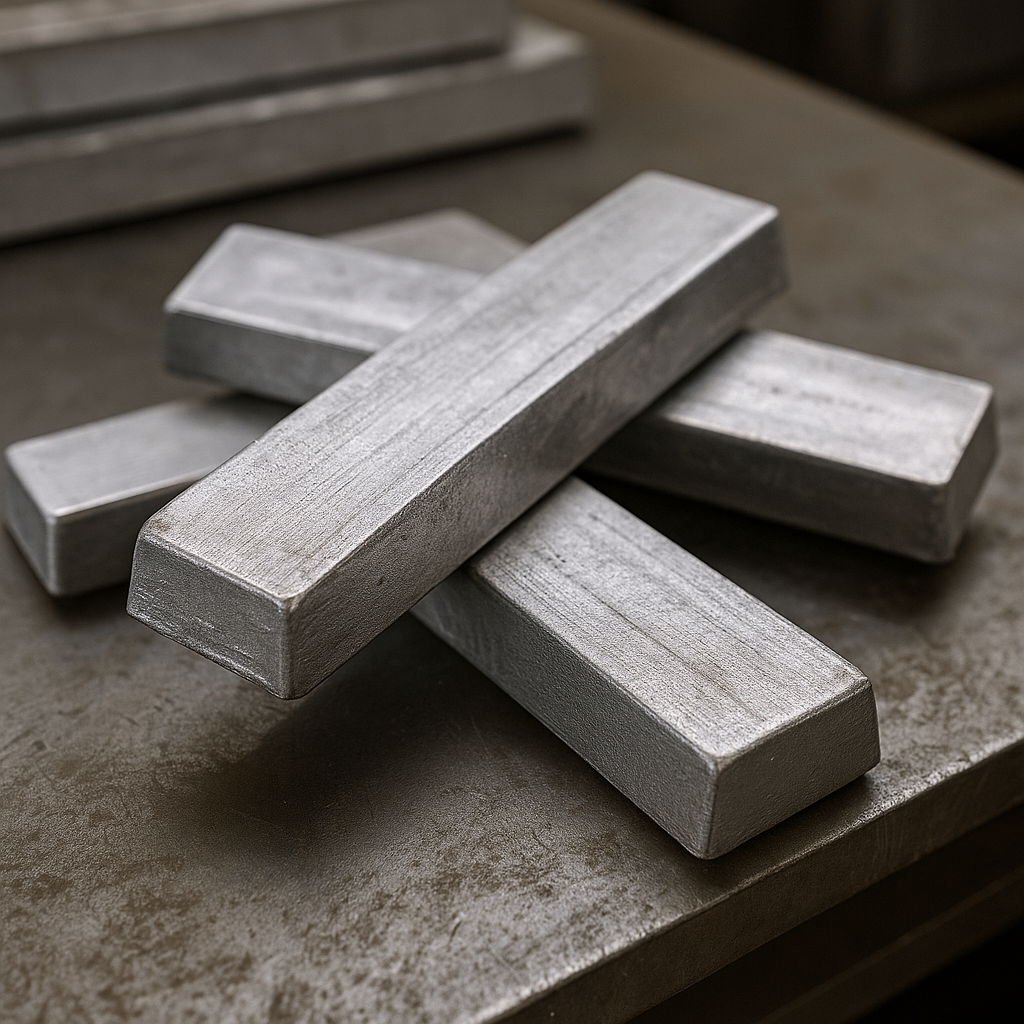
Most industrial magnesium parts are not pure magnesium. They are magnesium alloys designed to improve strength, formability, or corrosion behavior. In practice, that means buyers should evaluate not only the base metal, but also the specific alloy chemistry.
Even when magnesium itself is diamagnetic, alloying additions and contamination can change how the finished part behaves in sensitive environments.
Alloy Magnetic Properties Comparison
| Alloy Type | Key Elements | Magnetic Response | Use Case Notes |
|---|---|---|---|
| AZ31 | Aluminum, Zinc | Diamagnetic | Suitable for EMI-sensitive designs |
| ZE41 | Rare earths, Zinc | Diamagnetic | Often used in aerospace-related brackets |
| Mg-Ni | Nickel-containing | Paramagnetic tendency | Avoid in MRI-adjacent or strongly magnet-sensitive use |
| Mg-Fe | Iron-containing | Mild magnetic risk | May create compliance or testing issues |
This kind of table is useful for buyers because it shows that “magnesium alloy” is not always enough as a specification.
Trace Elements = Real Risk
For magnetic-sensitive applications, trace elements are not minor details. Small levels of iron, nickel, or contamination introduced through alloying or processing can shift the practical magnetic behavior enough to matter.
That is why buyers should request both composition verification and magnetic compliance evidence where the application is sensitive enough.
Magnetic Testing: What Fabricators Like YISHANG Actually Do
A non-magnetic requirement should always be verified, not assumed.
For production supply, the supplier should be able to explain how magnetic behavior is checked, how batches are screened, and how results are documented before shipment.
Common Testing Methods
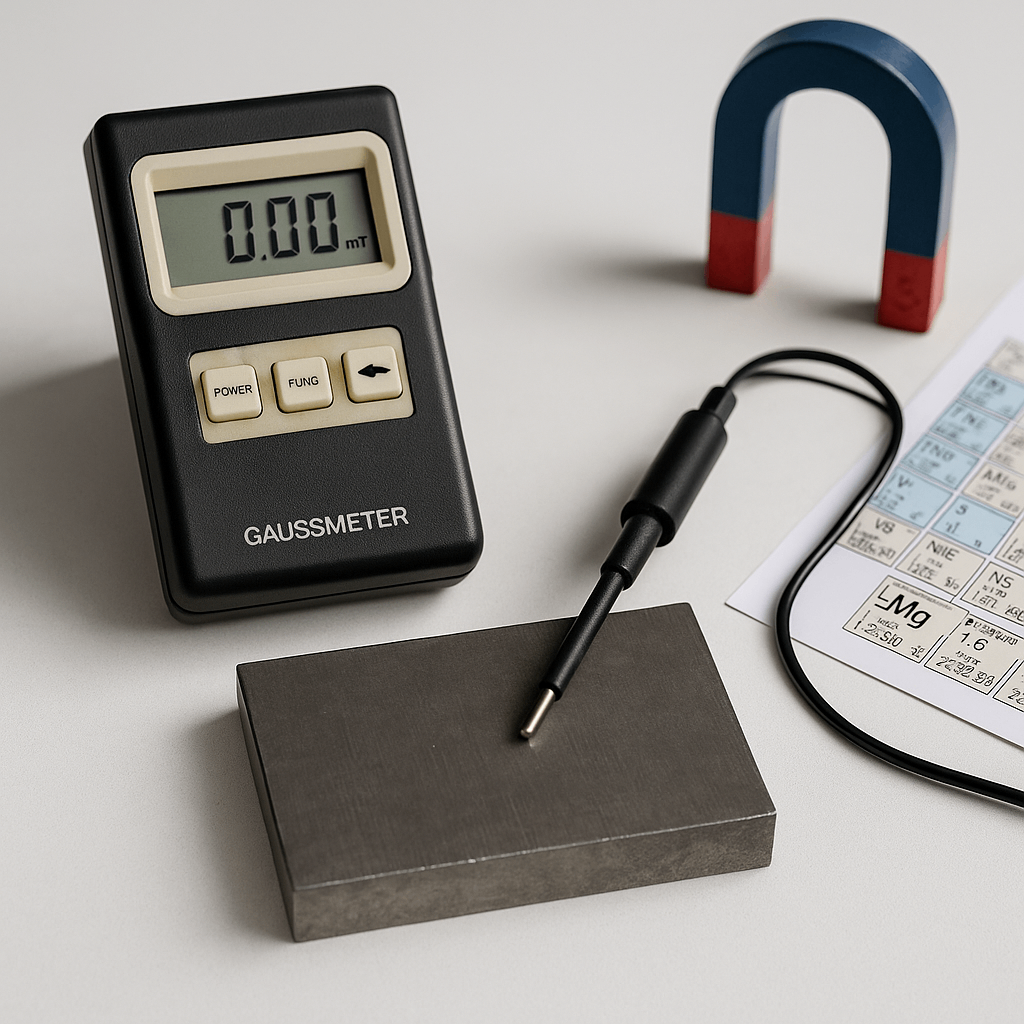
Common approaches may include gaussmeter-based checks, permeability-related verification methods, alloy confirmation, and controlled batch screening. The exact method depends on the application’s sensitivity and the customer’s specification level.
Where Magnesium’s Non-Magnetic Advantage Matters Most

Magnesium’s non-magnetic behavior becomes especially valuable when the project also benefits from its low weight and structural efficiency.
Medical Devices
Medical and imaging-adjacent systems often require metals that do not interfere with magnetic environments. In these cases, magnesium alloys can support structural needs without introducing strong magnetic disturbance.
Aerospace & UAVs
Aerospace and UAV applications often combine lightweight design with sensor sensitivity. Here, magnesium can help reduce mass while also avoiding the stronger magnetic interaction seen in ferromagnetic materials.
Power Systems / EVs
In EV and power-system assemblies, magnetic neutrality can matter where electrical noise, enclosure behavior, or nearby electronic sensitivity must be controlled carefully.
Factory Insight: What Buyers Overlook in Alloy Selection
One of the most common procurement mistakes is assuming that the correct base metal automatically means the correct alloy choice. In reality, alloy chemistry, trace elements, process route, and verification method all matter.
Real-World Scenario
In sensitive applications, a buyer may select magnesium correctly at the base-metal level but still run into trouble if the alloy variant, composition control, or validation method is not matched tightly enough to the final operating environment. That is why alloy-level review is essential before scaling to production.
Quick Reference: FAQs on Magnesium’s Magnetism
Is magnesium attracted to magnets?
Not in the way ferromagnetic metals are. Its response is weakly diamagnetic.
Can magnesium impact EMI design performance?
Yes. When the correct alloy is chosen and validated properly, magnesium can be useful in EMI-sensitive and magnetically sensitive designs.
What if my alloy contains trace nickel or iron?
That can change the magnetic behavior enough to matter in stricter applications, which is why alloy verification is important.
How do I confirm a batch is non-magnetic?
Use a defined testing method and request documented verification from the supplier before shipment.
Is magnesium better than aluminum for shielding?
That depends on the exact frequency range, design structure, and performance target. Material choice should be validated at application level, not reduced to a blanket claim.
Conclusion: Why Sourcing Non-Magnetic Magnesium Requires Engineering Oversight
Magnesium is generally a reliable non-magnetic material, but the sourcing decision should not stop at that basic fact. For production buyers, alloy chemistry, trace contamination, validation method, and application context all influence whether the material will truly perform as expected.
Where magnetic neutrality is critical, procurement should be supported by engineering review, testing discipline, and batch-level quality control rather than assumption.
Need Certified Non-Magnetic Magnesium Parts?
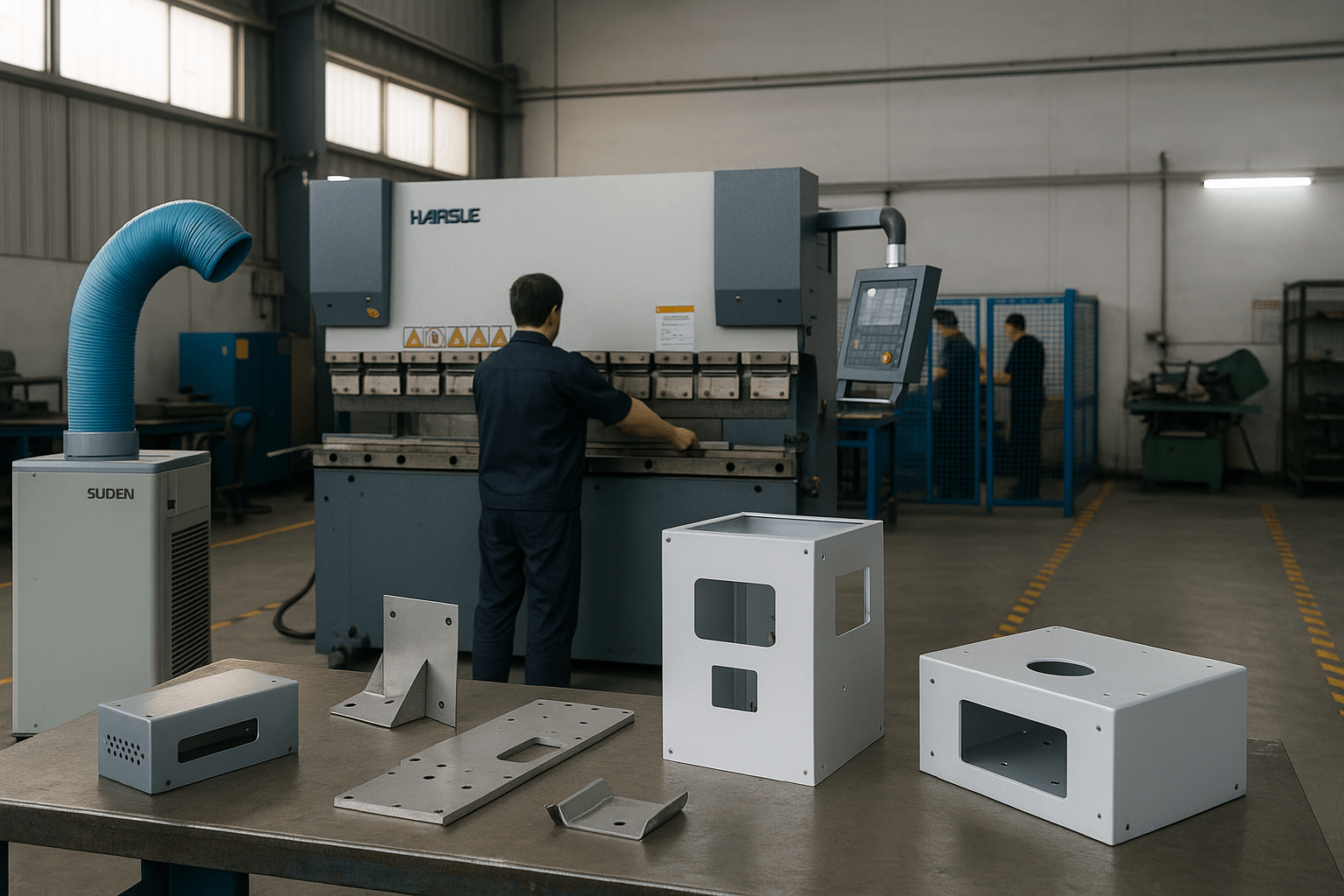
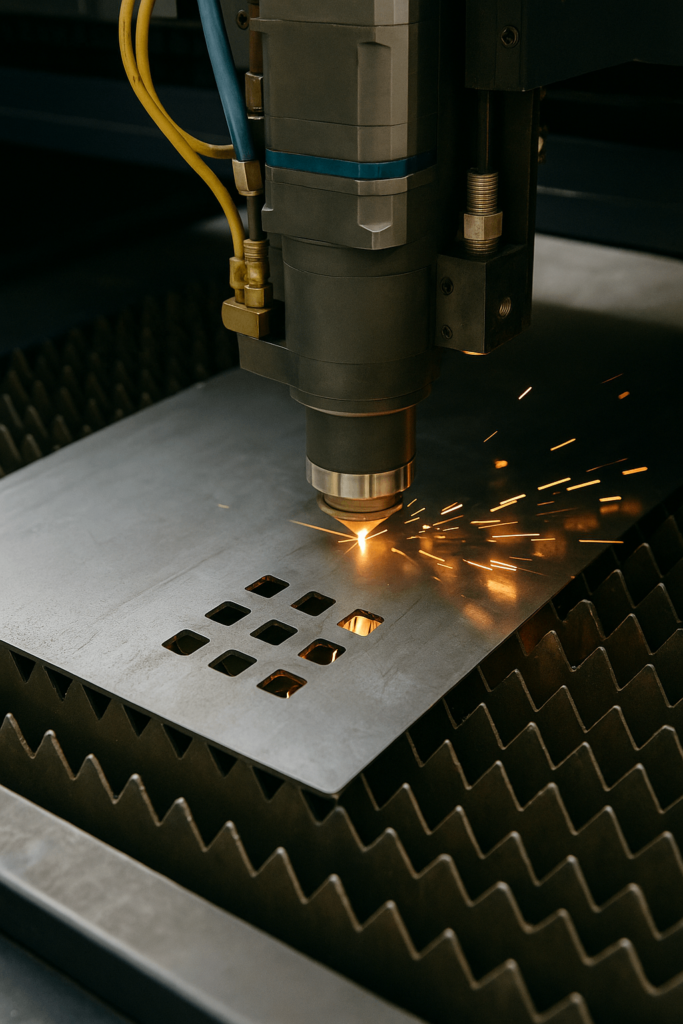
At Yishang Metal Products Co., Ltd., we support OEM and wholesale customers with custom metal fabrication for magnesium, aluminum, stainless steel, and other industrial materials where dimensional control and application suitability matter. With 26+ years of manufacturing experience, we support processes including laser cutting, bending, stamping, welding, CNC machining, surface treatment, assembly, packaging, inspection, and shipment.
For projects involving magnesium or other non-magnetic metal parts, we help customers align alloy selection, fabrication method, and inspection logic with real application requirements.
📩 If you need custom magnesium parts with verified material control for your next project, send us your drawings or requirements to discuss the most suitable manufacturing approach.