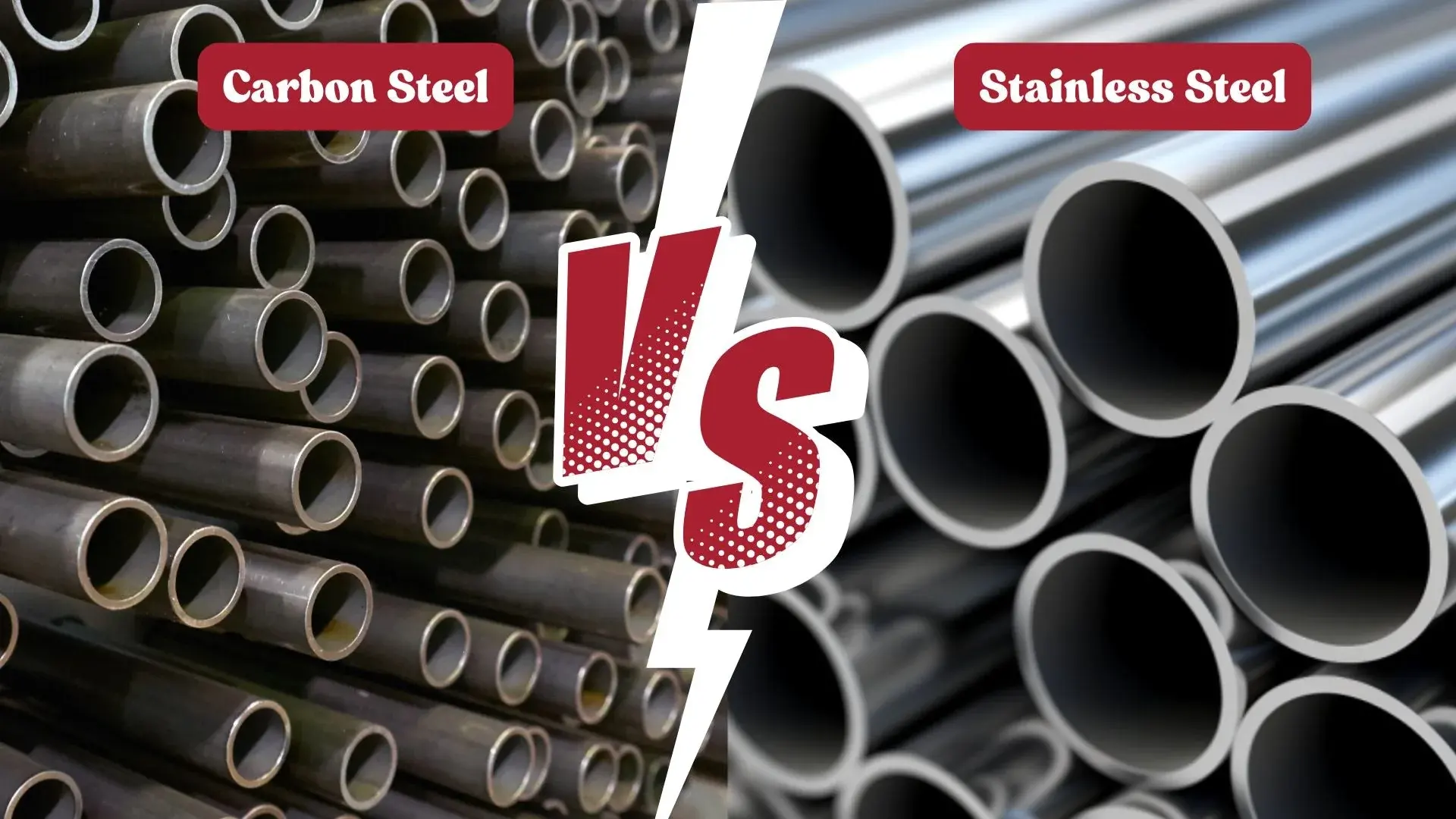
In the competitive landscape of global metal fabrication, selecting the right material is a strategic pivot that dictates the lifecycle success of an entire product line. For procurement managers and strategic wholesalers, the debate of
stainless steel vs carbon steel is not merely a technicality but a critical balance of project profitability, supply chain resilience, and brand reputation.
Whether your current project involves a custom
mount electrical enclosure or high-capacity
solar battery enclosure, the choice of substrate directly influences your Total Cost of Ownership (TCO). This guide explores the metallurgical divergence and procurement logic that define these two ferrous giants from the expert perspective of
YISHANG.
As a leading partner with over 26 years of OEM/ODM experience,
YISHANG understands that high-volume buyers require more than just raw data. You require insight into how material behavior translates into shipping durability, assembly precision, and market competitiveness in over 50 countries across the globe.
Quick Procurement Reference: The Decision Matrix
| Feature |
Carbon Steel (A36/Mild) |
Stainless Steel (304/316) |
| Initial Cost |
Budget-Friendly / High Volume |
High-End Strategic Investment |
| Corrosion Goal |
Requires Coating (Powder/Galv) |
Innate Self-Healing (Passive Layer) |
| Best For |
Heavy Frames, Structural Skeletons |
Medical, Marine, High-Traffic Kiosks |
| Compliance |
NEMA 1, 3, 12 Standards |
NEMA 4X, IP66, IP69K Standards |
| Maintenance |
Regular Coating Cycles Required |
Minimal to Zero Post-Installation |
1. The Atomic Blueprint: Metallurgy as a Predictor of Wholesaler ROI
To understand why
stainless steel is often prioritized for premium applications while
carbon steel is the bedrock of structural mass production, we must look at their atomic structures. At the core, both are iron-based alloys, but their “genetic makeup” dictates their shelf-life and performance during international transit and long-term storage.
The Chromium Threshold and the Formation of the Passive Layer
The defining characteristic of stainless steel is its chromium content, which acts as a strategic barrier against environmental degradation. By international standards, an alloy must contain at least 10.5% chromium to trigger
the formation of a passive chromium oxide layer.
Unlike the hydrated iron oxide (rust) that plagues unprotected steel, this microscopic film is non-porous and self-healing. For a global wholesaler, this means the product remains “shelf-ready” even in humid shipping containers or coastal warehouses. If the surface is scratched during a
quick inquiry now or during local assembly, the chromium reacts with ambient oxygen to reform the barrier instantly.
In high-end grades like 316, the addition of Molybdenum strengthens this film against chloride-induced pitting. This is a non-negotiable feature for
control station enclosures used in marine or chemical processing environments. By selecting the right
material stainless steel, you effectively eliminate the risk of post-sale corrosion claims and maintain high customer satisfaction across your distribution network.
Carbon’s Role in Structural Integrity and Hardness
Steel carbon steel variants rely on carbon as the primary hardening agent, prioritizing mechanical strength over innate chemical resistance. By manipulating the carbon content—from
low carbon steel to
ultra high carbon variants—manufacturers can drastically alter the metal’s lattice structure to meet specific industrial needs.
In low-carbon variants, the material remains ductile and highly weldable, making it ideal for large-scale
steel enclosure carbon frames. However, the lack of chromium means the iron atoms remain exposed to the elements. For a procurement manager, this implies that while the initial
price of stainless might be higher, carbon steel necessitates secondary coatings to survive the same environments.
Without a protective barrier like galvanization or powder coating,
carbon steel can rust rapidly when exposed to moisture. Therefore, when sourcing a
carbon steel enclosure, wholesalers must verify the quality of the surface treatment to ensure long-term durability in the field.
YISHANG provides specialized pre-treatment protocols to maximize coating adhesion on every
steel enclosure carbon unit we manufacture.
Trace Elements and Supply Chain Volatility: Nickel and Manganese
Beyond the basics, the introduction of nickel and manganese creates the various “series” of steel that dominate the market. Nickel stabilizes the austenitic structure, making
a stainless steel variant non-magnetic and highly impact-resistant even at cryogenic temperatures.
Because Nickel is a traded commodity,
the price of stainless steel can fluctuate based on global market shifts. Savvy wholesalers monitor these trends to predict lead times and inventory costs. In contrast, manganese in carbon steel improves hardenability but offers zero assistance against oxidation.
At
YISHANG, we provide full Material Test Reports (MTRs) for every batch. This ensures that the
properties carbon steel or stainless steel you receive today will match the performance of your previous orders. This level of traceability is crucial for wholesalers who value supply chain consistency and long-term risk mitigation.
2. Mechanical Performance: Engineering for Reliability and Safety
Now that we have covered the microscopic structure, let’s examine how these properties manifest in large-scale structural performance. Procurement teams must distinguish between static strength and environmental durability to avoid costly field failures and warranty issues.
Tensile Yield Strength and Hardness in Industrial Environments
Carbon steel exhibits superior
strength and hardness in its high-carbon forms, reaching a
tensile yield strength that makes it ideal for cutting tools and structural skeletons. Standard A36 carbon steel provides a reliable balance for construction-grade hardware and heavy-duty industrial frames.
Stainless steel has a different profile, often excelling in ultimate tensile strength and ductility. This means under extreme stress, the material is more likely to deform rather than snap. For wholesalers distributing
enclosure electrical meter boxes, this ductility translates to a product that is less prone to brittle fracture during rugged handling or installation.
Interestingly,
high carbon steel can achieve a hardness range of 32.3 to 3100 MPa depending on heat treatment. However, this hardness often comes at the expense of weldability.
YISHANG helps clients navigate these trade-offs to ensure the final product meets the specific safety standards of their target market without compromising assembly speed or structural integrity.
Thermal Conductance and Expansion Factors
A frequently overlooked factor in
electrical enclosure raw material selection is thermal performance.
Carbon steel is a significantly better conductor of heat than stainless steel. In heat exchangers or certain
solar battery enclosure designs, this high thermal conductivity is an essential advantage for passive cooling.
However,
stainless steel which is used in sub-zero environments maintains its toughness where carbon steel would become brittle. Furthermore, the thermal expansion coefficient of stainless steel is about 50% higher than that of carbon steel.
In precision assemblies like a
push button enclosure, engineers must account for the material “growing” and “shrinking” during temperature cycles. If not managed, this can lead to warping or joint failure.
YISHANG incorporates these thermal factors into our DfM (Design for Manufacturing) process to protect your long-term investment against environmental fatigue.
Magnetism and Industrial Compliance Standards
For electronics and medical imaging, the magnetic signature of a
material stainless steel is a critical specification. Most
carbon steel in its common forms is ferromagnetic, which can interfere with sensitive electronic signals in a
control station enclosures setup.
Within the
stainless steel or carbon steel debate, magnetism is nuanced. Ferritic and
martensitic stainless steel grades are magnetic, while
austenitic stainless steel (like 304 and 316) is generally non-magnetic in its annealed state.
However, intense cold-working during the fabrication of a
junction box nema can induce a slight magnetic response. If “zero-magnetism” is a requirement for your end-user,
YISHANG ensures the correct annealing protocols are followed. We provide the technical documentation necessary to satisfy even the most stringent industrial compliance needs.
3. The Fabricator’s Reality: Shop Floor Mastery and Precision
Understanding the mechanical limits is only step one. For a wholesaler, knowing how the material is handled in the factory is the best way to judge the final quality of the product. Precision is born from the interplay of advanced machinery and metallurgical knowledge on the production floor.
Navigating the Challenges of Work Hardening
One of the most significant shop-floor differences is that
stainless steel is difficult to machine compared to carbon steel. This is due to “work hardening,” where the act of cutting the metal creates heat that instantly makes the remaining material harder.
To overcome this,
YISHANG utilizes high-quality carbide tooling and specialized cooling systems. For a wholesaler, this means that while
stainless steel was more expensive to source, the labor and tooling overhead are also higher.
Carbon steel, by comparison, machines cleanly and predictably. This is why
carbon steel which comes in at a lower unit cost is often the favorite for high-volume CNC parts. When you
send your inquiry to us, we provide a detailed cost-breakdown based on these fabrication realities to help you maximize your wholesale margins.
The Art and Science of Precision Welding: Carbon Migration
Welding
stainless steel to carbon steel—known as “dissimilar metal welding”—is a common requirement for a
mount electrical enclosure with a carbon steel frame. However, it is a technical minefield due to the risk of “carbon migration.”
During welding, carbon can move into the stainless steel side, depleting the chromium and creating a zone prone to corrosion. To prevent this,
YISHANG uses specialized filler metals like 309L to act as a chemical buffer.
Furthermore, because stainless steel warps more easily due to its thermal expansion, precision jigging is essential. Our welding teams ensure that your
enclosure aluminum enclosure or steel assembly maintains its dimensional accuracy. This meticulous attention to detail prevents fitment issues during your client’s final assembly process, reducing after-sales support needs.
Laser Cutting Dynamics and Assist Gas Selection
In modern fabrication, the choice of assist gas—
air or oxygen vs nitrogen—is vital. For a
carbon steel enclosure, we often use oxygen, which creates an exothermic reaction to speed up the cut. This leaves a thin oxide layer that must be removed before painting.
For
stainless steel this process requires high-pressure nitrogen. This “inert” process results in a clean, silver edge ready for immediate welding. While nitrogen is more expensive, it eliminates the secondary cleaning labor, allowing for a more streamlined production cycle.
Wholesalers benefit from this efficiency through faster lead times. Whether it is a
galvanized steel enclosure or a polished stainless unit,
YISHANG optimizes the cutting process to deliver a burr-free, high-precision finish that significantly enhances your brand’s perceived value in the competitive marketplace.
The Zero-Contamination Protocol: A Professional Requirement
A professional manufacturing environment must strictly separate the processing of
steel carbon steel from stainless steel. If carbon steel dust settles on a stainless surface, it will rust when
exposed to air and moisture, compromising the passive layer.
At
YISHANG, we maintain isolated assembly areas and dedicated grinding tools for stainless steel projects. We understand that a
stainless steel enclosure arriving with “rust spots” is a disaster for a wholesaler and a failure in quality control.
Our “Zero-Contamination” protocol is a key part of our ISO 9001 quality management system. When you partner with us, you are buying the peace of mind that your premium products will remain pristine from our floor to your customer’s door, regardless of the transit distance or duration.
4. Aesthetics and Brand Perception: The Visual Advantage
Beyond raw performance, the visual appeal of a
push button enclosure or
electrical meter box is often the first thing your customers notice. Material choice directly impacts your market positioning and the perceived reliability of your brand.
Native Brilliance and Professional Surface Finishing
Stainless steel is
popular to use because it provides a premium look without the need for additional coatings. From a standard
2B mill finish to a high-end
mirror polish, it offers an “honest” aesthetic that communicates quality and technological superiority.
In architectural or high-traffic vending environments, this native finish is a massive advantage. If a
stainless steel enclosure is scratched, the color and corrosion resistance remain consistent. There is no paint to chip, flake, or peel under heavy use.
For wholesalers, this means fewer returns due to surface damage during the “last mile” of delivery.
YISHANG offers various mechanical finishes to match your brand’s style, ensuring that your
material stainless steel choices translate into a high-end user experience that commands respect.
Protective Barriers for Carbon Steel and Galvanization
Carbon steel exhibits a raw, industrial look that necessitates a secondary finish. However, it is an excellent substrate for
galvanized steel enclosure treatments or high-durability powder coating.
The limitation is that these coatings are mechanical barriers. If a
carbon steel enclosure is chipped during installation, the metal underneath is immediately vulnerable. This rust can then “creep” under the paint, leading to widespread delamination.
To mitigate this,
YISHANG utilizes a multi-stage pre-treatment process before coating. This ensures maximum adhesion and provides a secondary layer of protection, making your
galvanized steel products more resilient in challenging outdoor or heavy industrial fields.
Hygiene and the Food-Grade Compliance Standard
In the food and medical sectors,
stainless steel is used almost exclusively. This is due to its low porosity. Surfaces can be electropolished to an atomically smooth level, leaving no place for bacteria or chemical residue to hide.
Carbon steel is not suitable for these sterile environments because even with coating, the surface can harbor contaminants if the paint is compromised. This is a critical factor for wholesalers targeting the pharmaceutical, catering, or biotech industries.
By specifying
stainless steel or a specialized
austenitic stainless steel, you ensure compliance with global hygiene standards.
YISHANG provides the necessary certification to prove your products are fit for high-compliance, regulated markets where safety is paramount.
5. Economic Strategy: Total Cost of Ownership (TCO)
Procurement managers must look beyond the initial invoice price and calculate the
Total Cost of Ownership. While the
price of stainless steel is higher upfront, the long-term ROI is often superior for your end-users and wholesale clients.
Initial CapEx vs. Supply Chain Resilience
The raw material cost of
stainless steel carbon variants is driven by Nickel and Chromium prices. While
mild carbon steel is cheaper to source initially, it often involves higher logistics risks due to its susceptibility to rust during sea freight.
Wholesalers often find that
stainless steel has a more stable “shelf-life.” A product that can sit in a warehouse for 12 months without losing its finish is a safer asset than one that requires climate-controlled storage and careful humidity monitoring.
YISHANG works with you to optimize material thickness and grade selection. Sometimes, a
low carbon steel with a high-quality finish is the right answer; other times, a
stainless steel which is thinner but stronger provides the best long-term value for your specific target market.
Maintenance Cycles and Long-Term Warranty Costs
The “maintenance equation” is where stainless steel truly shines. A
carbon steel enclosure in a coastal environment will require repainting or touch-ups every few years. This adds a hidden cost to your customer and devalues the asset over time.
In
comparison to stainless steel, which is essentially “set and forget,” carbon steel can lead to higher warranty claims if the environment is more aggressive than anticipated.
For B2B buyers, offering a
stainless steel enclosure option allows you to target high-margin industrial projects where maintenance downtime is more expensive than the initial hardware cost.
YISHANG helps you position these products to maximize your profitability and brand trust among professional installers.
Sustainability and the Scrap Market Value
Sustainability is becoming a key procurement factor for global enterprises.
Stainless steel is 100% recyclable, and its high alloy content means it retains a significant scrap value at the end of its functional life.
In contrast, the scrap value of
carbon steel which is oxidized or heavily coated is much lower. For global corporations with strict ESG goals, the recyclability of
a stainless steel solution is a strong selling point that aids in market differentiation.
By choosing materials that align with circular economy principles, you future-proof your product line.
YISHANG supports your green initiatives by ensuring efficient material usage and promoting highly recyclable metal solutions across our entire manufacturing range.
6. Industry-Specific Selection: Detailed B2B Applications
Based on our global experience, we have identified clear patterns in material selection for high-demand industrial hardware. These insights help you match the right material to the right market and technical requirements.
6.1 Energy Storage & Solar Battery Enclosures
For
solar battery enclosure units, we often recommend a hybrid approach. High-strength
carbon steel enclosure frames provide the structural skeleton, ensuring the enclosure can support the weight of heavy battery stacks. However, external hardware and connectors are made from stainless steel to prevent localized corrosion in remote, outdoor solar farms.
6.2 Electrical Infrastructure & NEMA Ratings
A
mount electrical enclosure in a coastal city must meet
NEMA 4X standards. Grade 316 stainless steel is the only viable solution to prevent salt-air degradation. For indoor
electrical meter box applications, powder-coated carbon steel often suffices, meeting NEMA 1 or 12 standards at a much lower cost point.
6.3 Industrial Control Stations & Hygiene
A
push button enclosure or
control station enclosures must withstand daily chemical cleaning. Here,
steel stainless steel 304 is the industry standard for its balance of cost and chemical resistance. Wholesalers stocking these items must prioritize “easy-clean” surfaces to meet the demands of pharmaceutical and food processing facilities.
6.4 Vending, Kiosks, and Advertising Displays
The kiosk market demands both aesthetic appeal and anti-vandalism strength. While internal frames utilize
mild carbon steel for cost-efficiency, the exterior “skins” are often brushed stainless steel to resist scratches and environmental wear, maintaining a “new” look for years in high-traffic public areas.
6.5 Medical Equipment & Pharmaceutical Hardware
Sterility is non-negotiable.
Austenitic stainless steel 304 or 316L is used for medical carts, diagnostic enclosures, and hospital hardware. The non-porous nature of the material ensures that medical-grade disinfectants do not degrade the surface, a critical factor for wholesalers selling to public health networks.
6.6 Automotive & Agricultural Equipment
In the automotive sector,
stainless steel to carbon steel ratios are carefully balanced. Exhaust systems require 409-series stainless to handle thermal cycling, while chassis components prioritize high-strength carbon steel. In agriculture, farming equipment increasingly uses stainless steel control boxes to resist corrosion from fertilizers and organic waste.
6.7 Construction & Architectural Hardware
Carbon steel Exhibits its best value in structural beams and supports. For decorative elements, railings, and outdoor cladding, however,
stainless steel is the only choice that prevents the “rust streaks” that can ruin a building’s facade. This allows architects to achieve a long-lasting, high-end finish without maintenance burdens.
6.8 Petrochemical & Oil Exploration
In the harshest environments on earth, specialized stainless alloys are mandatory. Wholesalers in this niche focus on Grade 316 or Duplex stainless steel to survive constant immersion in saltwater and exposure to acidic compounds, where
carbon steel would fail in a matter of weeks.
6.9 Public Transport & Signage
Outdoor signage for transit hubs requires
enclosure galvanized steel for the main body to manage weight. However, to maintain the professional look, the bezels and fasteners are almost always stainless steel, ensuring the “face” of the brand remains rust-free regardless of the local climate conditions.
6.10 Vending Machine Enclosures & ATM Safes
Security is paramount for ATM hardware.
High carbon steel is often utilized in internal locking mechanisms for its extreme hardness, while the outer cabinet uses
stainless steel enclosure panels to resist outdoor weathering and prevent tampering through corrosion.
6.11 Industrial Cooling & HVAC Units
In HVAC systems,
carbon steel is often used for the main chassis, while stainless steel is reserved for the drip pans and cooling coils. This strategic use of
stainless steel or carbon steel ensures the unit handles condensation without structural rot, extending the product life for the end-user.
6.12 Telecommunications & 5G Infrastructure
For outdoor 5G base station enclosures,
stainless steel carbon hybrid designs are common. The high-frequency electronics are protected within a stainless steel shell to prevent electromagnetic interference and environmental damage, while the mounting poles utilize heavy-duty galvanized carbon steel for cost-effective height.
7. Quality Control & Logistics: The Wholesaler’s Safety Net
For a global wholesaler, your reputation depends on the quality of the documentation and the arrival condition of the goods.
YISHANG ensures you have a complete “Safety Net” for every shipment that leaves our facility.
7.1 ISO Compliance and RoHS Regulatory Standards
We strictly adhere to
ISO 9001:2015 quality management systems. This ensures that every
steel enclosure aluminum or steel product is manufactured under controlled, repeatable conditions. Our products are fully
RoHS and REACH compliant, a mandatory requirement for entering European and North American markets.
7.2 Material Traceability (MTR) & Empirical Testing
Every batch of
carbon steel and stainless steel comes with a
Material Test Report (MTR). We certify the chemical composition and mechanical properties, so you can prove to your end-users that the material is as specified. This transparency is a key differentiator in the professional B2B marketplace.
7.3 Advanced Testing & Inspection
We offer secondary testing to validate field performance. This includes
salt spray testing for
galvanized steel enclosure units to simulate years of ocean-side exposure, as well as
passivation testing for stainless units to ensure the chromium oxide layer is fully developed and free of free iron.
7.4 Strategic Packaging for Long-Distance Sea Freight
Overseas shipping is a corrosive environment.
YISHANG utilizes custom-engineered packaging—including VCI (Vapor Corrosion Inhibitor) bags and reinforced moisture-resistant wraps—to ensure your order survives 30 plus days at sea. This prevents the “hidden” cost of receiving damaged or oxidized inventory, ensuring every unit is ready for immediate distribution.
8. Conclusion: Your Partner in Strategic Fabrication
The debate between
stainless steel vs carbon steel is not about finding a universal winner, but about finding the right tool for the job. Carbon steel provides the “muscle” for mass-produced, cost-effective frames, while stainless steel provides the “skin” that survives the harshest environments on Earth.
For the strategic wholesaler, partnering with
YISHANG means more than just placing an order. It means gaining a technical ally who understands the nuances of
tensile yield strength,
carbon migration, and
TCO optimization. We provide the expertise that allows you to scale your business with total confidence.
We are here to help you navigate these metallurgical complexities and build a product line that stands the test of time.
Send your inquiry today to explore how our 26 years of high-volume manufacturing expertise can elevate your next industrial project and secure your dominant market position.
9. Technical FAQ for Procurement Teams
Which is better, stainless steel or carbon steel?
It depends on your environment and budget. For indoor, dry environments,
carbon steel is more cost-effective. For outdoor, coastal, or sterile settings,
is better stainless steel to prevent failure and minimize high maintenance costs.
Is stainless steel waterproof?
Stainless steel waterproof is a common term, but it is actually “corrosion-resistant.” It will
not rust when exposed to water, but it can be damaged by concentrated chlorides if the wrong grade (like 304 in a marine area) is used.
What chefs use carbon alloy or stainless steel?
In the culinary world,
what chefs use often depends on performance.
Chefs use carbon alloy for sharpness and edge retention but
stainless steel or alloys for durability and hygiene in high-volume, professional kitchens where rust prevention is vital.
Can you weld carbon steel to stainless?
Yes,
stainless steel to carbon steel welding is common. However, it requires a 309L filler rod to act as a chemical buffer, preventing brittleness and maintaining the integrity of the
stainless steel carbon junction over time.
Does carbon steel rust faster than stainless?
Yes,
carbon steel exhibits oxidation much faster. When
rust when exposed to moisture occurs, carbon steel begins to flake away, whereas stainless steel uses its passive chromium layer to stay protected for decades.