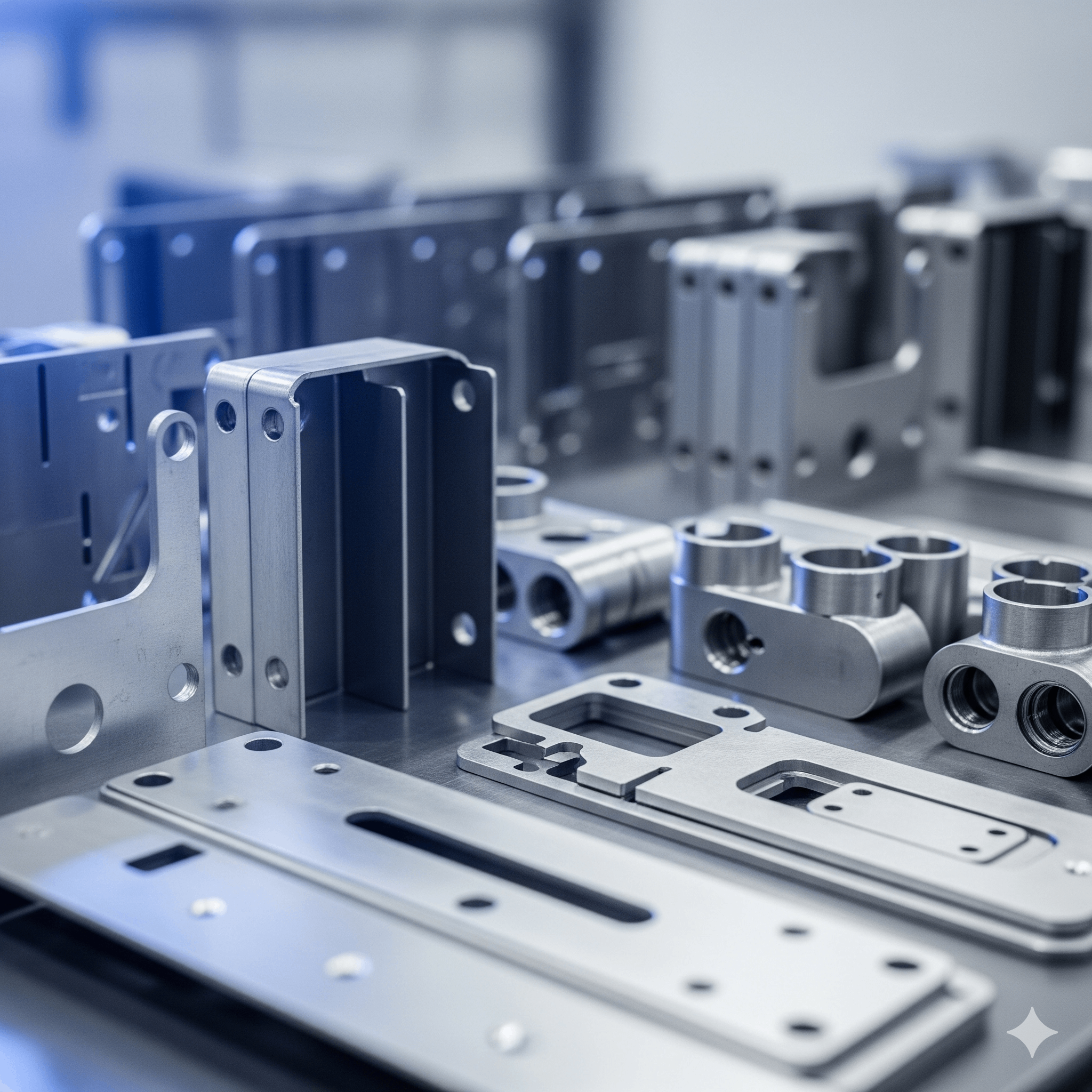
In the competitive global industrial landscape of 2026, procurement officers and lead engineers have transitioned from simple material sourcing to high-level risk mitigation. Success in global supply chains is no longer defined by finding the lowest unit price; it is about ensuring long-term asset integrity and manufacturing resilience. As critical sectors—ranging from renewable energy infrastructure to advanced medical diagnostics—demand higher precision, YISHANG has evolved fabrication from a service into a comprehensive engineering partnership.
For an international wholesale buyer, the primary challenge is identifying a partner who masters the engineering logic behind the metal. This mastery ensures that Unit 1 is identical to Unit 10,000, preventing costly field failures. This process involves a deep dive into the raw material knowledge center and a rigorous verification of technical drawing material specifications. In the world of high-volume
sheet metal fabrication, technical oversight is the only insurance against brand damage and operational downtime.
Stainless steel is often miscategorized by generalist fabricators as a mere premium version of carbon steel. This technical misunderstanding often results in massive budget overruns due to improper tooling or thermal distortion. True industrial-grade fabrication requires a complete recalibration of design logic. At YISHANG, our 26 years in the industry have proven that precision is not an accident—it is the result of aligning advanced fabrication with the metallurgical realities of the alloy.
1. Navigating Metallurgy: Strategic Grade Selection and Verification Logic
When a project enters the design phase, the first decision a procurement officer faces involves selecting the specific alloy. This choice is the foundation of the entire steel metal fabrication project. Choosing between stainless steel 304 and stainless steel 316 is more than a price point comparison on a spreadsheet. At YISHANG, we guide our clients to understand that this choice dictates the Total Cost of Ownership (TCO) and determines the survival of stainless steel parts in extreme environments.
304 vs. 316: The Strategic Choice for Long-term ROI
Stainless steel 316 is the perfect choice for marine environments or chemical processing plants. This is due to its 2% molybdenum content, which provides a specialized defense against chloride-induced pitting. For a buyer, specifying 316 for a solar battery enclosure in a coastal region can increase the asset’s lifespan by 150%. Conversely, for indoor applications like a push button enclosure or an electrical meter box, 304 provides an excellent balance of durability and cost-efficiency without over-engineering the solution.
The logic deepens when considering the “L” grade variants, such as 304L and 316L. During the high-temperature cycles of fabricated stainless steel welding, standard alloys can undergo sensitization. This leads to chromium depletion at the grain boundaries, causing intergranular corrosion or weld decay. By mandating low-carbon variants for a junction box NEMA rated unit, buyers ensure their components remain as corrosion-resistant as the base metal, regardless of the thermal stress applied during assembly.
| Technical Specification |
Grade 304 |
Grade 316 |
Grade 430 |
| Chromium Content |
18.0 – 20.0% |
16.0 – 18.0% |
16.0 – 18.0% |
| Nickel Content |
8.0 – 10.5% |
10.0 – 14.0% |
under 0.75% |
| Molybdenum |
Not Available |
2.0 – 3.0% |
Not Available |
| Magnetic |
No |
No |
Yes |
| Corrosion Resistance |
High |
Superior |
Moderate |
To further support procurement logic, YISHANG utilizes Positive Material Identification (PMI) testing as a standard entry protocol. This ensures that every stainless steel sheet entering our facility matches the material inspection certification. Whether you require ss 301 is properties for spring-like applications or specialized ferritic grades for magnetic shielding, our raw material knowledge center provides the data needed for informed decision-making.
2. The Physics of Precision: Mastering Processing and Mechanical Forming
Moving from material science to physical execution, the core of any high-quality project lies in mastering the metal fabrication process. For the wholesale buyer, consistency is the most valuable commodity. This consistency is achieved through the mastery of thermal and mechanical stress. At YISHANG, our quality control process begins the moment the sheet metal laser cuts the first contour of your stainless steel metal part.
Advanced Fiber Laser Cutting Dynamics
Sheet metal laser cutting is the gold standard for high-precision stainless steel parts. Modern fiber laser systems, when paired with high-purity nitrogen-assist gas (typically 99.99% purity), provide a decisive edge. Nitrogen acts as an inert cooling agent, preventing the formation of an oxidized slag layer. This allows the fabricated stainless steel components to move directly to the welding station with zero secondary grinding, significantly reducing the turnaround time for wholesale orders.
The use of oxygen as an assist gas is often avoided in stainless steel processing because it creates an exothermic reaction. This reaction leaves a dark, oxidized edge that compromises the passive layer of the stainless steel. By strictly adhering to nitrogen-assist protocols, YISHANG ensures that the edge integrity is preserved, which is critical for projects requiring high-end surface finishes or pharmaceutical-grade sterilization.
Bending Mechanics and the Springback Effect
Forming stainless steel introduces a mechanical complexity known as the springback effect. Stainless steel has a high modulus of elasticity; it aggressively seeks to return to its original flat state after being bent. Achieving a consistent +/- 0.3mm tolerance across a 5,000-unit run of electrical enclosure 3d designs requires sophisticated CNC press brakes and a predictive database of material behavior.
| Material Thickness |
Min. Bend Radius (Inner) |
Suggested Die Opening |
| 1.0 mm |
1.0 – 1.5 mm |
8.0 mm |
| 2.0 mm |
2.0 – 3.0 mm |
16.0 mm |
| 3.0 mm |
3.5 – 5.0 mm |
24.0 mm |
If the fabricator fails to account for the grain direction of the steel metal fabrication batch, the resulting sheet metal parts will vary, leading to assembly bottlenecks at your facility. Common techniques used at YISHANG include curling deep drawing and high-speed precision punching. Depending on the complexity, we may suggest bending sheet metal instead of welding multiple sections together. This integral design approach reduces the number of potential failure points and lowers the labor hours per unit.
3. Specialized Customization: Engineering for NEMA and IP Standards
The breadth of stainless steel fabrication at YISHANG covers a vast array of specialized products tailored for global infrastructure. We recognize that an enclosure solar battery unit faces different environmental and thermal requirements than a control station enclosures unit in a sterile factory. Our engineering team handles the unique sheet metal laser and forming challenges presented by these diverse vertical markets.
Deep Dive into Protection Ratings: NEMA vs. IP
A junction box NEMA certified unit is a staple in the sheet metal parts industry. However, procurement officers often confuse NEMA ratings with IP ratings. While they overlap, they test for different environmental stressors.
NEMA 3R provides protection against rain, sleet, and external ice formation, making it suitable for standard outdoor electrical meter box applications. NEMA 4X, however, is the gold standard for stainless steel enclosure projects. It requires the enclosure to withstand a 65 gallon-per-minute hose stream test while being completely resistant to corrosion. This level of protection typically necessitates the use of 316 stainless steel and specialized gasket materials.
IP66 is an international standard that signifies total protection against dust and powerful water jets. When YISHANG designs an electrical enclosure 3d model, we factor in the compression of the gaskets and the alignment of the hinges to ensure these ratings are met consistently across mass production. This “installation-ready” approach defines the value YISHANG offers to wholesale clients.
Wholesale buyers often require a variety of enclosure types to fulfill large-scale utility projects. This might include the electrical meter box for residential developments or heavy-duty steel enclosure carbon units for mining operations. By offering a send your inquiry and get an instant quote service, YISHANG enables procurement officers to quickly budget for these diverse needs. Whether it is enclosure galvanized steel for public works or material stainless steel for medical labs, our facility has the capacity to scale.
4. Surface Integrity: The Engineering Science of Micro-Finishing
In the competitive B2B market, the aesthetic finish of stainless steel parts is the first indicator of quality. However, for the engineer, the stainless steel surface finish is primarily a functional barrier against degradation. The legendary corrosion resistance of the material comes from a microscopic, self-healing chromium oxide layer. If this layer is compromised during sheet metal fabrication, the product’s lifespan is drastically reduced.
The Critical Role of Chemical Passivation
During the metal fabrication process, many steps can damage this layer, such as high-heat welding or mechanical grinding. If the passive layer is not restored through a chemical passivation process, even high-grade 316 stainless steel will eventually rust. This is why passivation is a mandatory final step in the YISHANG quality control process. We utilize nitric or citric acid baths to remove free iron contaminants from the surface, allowing the chromium oxide to reform uniformly according to ASTM A967 standards.
We ensure that no iron contamination from carbon steel tools reaches our stainless steel metal production lines. This cross-contamination is the silent killer of stainless steel integrity in many generalist shops. By maintaining dedicated stainless steel metal fabrication zones, YISHANG guarantees the long-term reliability of every fabricated stainless steel component.
Common Industrial Finishes and Ra Values
At YISHANG, we offer a variety of finishes depending on the application and the client’s budget. The roughness of the surface is measured by the Ra (Roughness Average) value, which is critical for hygiene and cleanability.
- #4 Brushed Finish (Satin): The industrial standard for an electrical meter box, providing a professional look that hides minor scratches and fingerprints.
- 8K Mirror Polish: Required for medical cleanrooms or food processing to prevent bacterial adhesion in microscopic valleys.
- Electropolishing: An electrochemical process that yields the lowest possible Ra value, ideal for pharmaceutical grade stainless steel metal parts.
- Sandblasting: Provides a uniform matte finish that reduces glare on control station enclosures.
Applying surface finish is a delicate process that must be performed in a clean, controlled environment. Our 26 years in the industry have led us to invest in dedicated finishing bays to prevent cross-contamination. For a wholesale buyer, this means the stainless steel alloy products you receive will maintain their integrity for decades in the field.
5. Economic Strategy: Optimizing TCO and Supply Chain Resilience
For a wholesale procurement manager, the “Landed Cost” is the only metric that truly matters. This encompasses the unit price, shipping, duties, and the cost of any potential defects. At YISHANG, we believe the most significant cost-savings happen at the 3d design electrical stage. This is why we prioritize Design for Manufacturing (DFM) for every instant quote we provide.
DFM and Nesting Efficiency for Cost Reduction
Through our technical drawing material review, we help project managers identify areas for cost reduction. For example, a designer might specify a tolerance of +/- 0.1mm where +/- 0.5mm is sufficient. Reducing this unnecessary precision can lower the price of sheet metal parts by up to 20% due to faster production speeds and lower scrap rates.
Material nesting efficiency is another critical area where YISHANG saves you money. Because stainless steel is a high-value commodity, we use advanced software to minimize scrap on every stainless steel sheet. By optimizing the layout of stainless steel 304 components, we can fit more parts on a single sheet compared to standard nesting methods. This efficiency is directly passed to the client in our wholesale pricing models.
Global Logistics and Packaging Engineering
Operating from a high-density manufacturing hub in China, YISHANG provides a link stainless steel supply chain that is both agile and reliable. Our raw material knowledge center keeps us updated on market fluctuations, allowing us to help our clients lock in prices during volatile periods. This transparency helps wholesale buyers build a more resilient supply chain.
Furthermore, our enclosure packaging inspection ensures that your stainless steel parts arrive in pristine condition. We design custom moisture-proof crating and use high-density foam inserts to withstand the rigors of trans-oceanic transit. This Packaging Engineering stage is vital for preventing the “hidden costs” of transit-related returns and ensures that Unit 10,000 is as perfect as Unit 1.
6. Quality Assurance: The Framework of Global B2B Trust
For a B2B buyer, trust is built on data, not promises. Our commitment to
ISO 9001:2015 standards is backed by a transparent audit trail for every fabricated stainless steel part. We provide a comprehensive material inspection certification as standard documentation for all wholesale orders.
Traceability and the MTR Protocol
The foundation of trust begins with the Material Test Report (MTR). We track the chemical and physical properties of the stainless steel metal back to the original heat number at the mill. This ensures that the 316 stainless steel you ordered actually contains the required molybdenum. Without this traceability, a buyer is taking a massive risk on the long-term durability of their stainless steel parts.
Our quality control process at YISHANG includes:
- Material Inspection: Verifying the raw material knowledge center data and performing PMI tests.
- In-Process Checks: Measuring critical dimensions at the bending sheet metal and welding stages using calibrated CMM (Coordinate Measuring Machine) equipment.
- Final QC: A full packaging inspection report and inspection certification electrical enclosure check.
Wholesale buyers can download technical drawing files and access our inspection report resource library through a secure portal. This level of documentation is essential for industries with high regulatory requirements, such as medical diagnostics or telecommunications. Finally, our enclosure packaging inspection ensures that your stainless steel parts are ready for immediate deployment upon arrival.
7. FAQ: Expert Insights for Industrial Buyers
Q1: What is the typical lead time for a high-volume stainless steel enclosure run? A: Depending on the complexity and 3d design electrical requirements, typical lead times range from 3 to 6 weeks. Our get an instant quote system provides a more precise timeline based on your specific sheet metal parts volume and material availability.
Q2: Can YISHANG handle both OEM and ODM projects? A: Yes, we provide full support for both OEM & ODM. Whether you provide the download technical drawing or require our team to handle the enclosure 3d design from scratch, we offer end-to-end solutions including prototyping and mass assembly.
Q3: How do you prevent contamination of stainless steel in your facility? A: We maintain dedicated stainless steel metal fabrication zones and use specialized tooling that never comes into contact with carbon steel. This prevents “free iron” transfer, ensuring the surface integrity of every stainless steel alloy part we produce.
Q4: Do you provide support for international compliance and certifications? A: Absolutely. We assist our clients in achieving NEMA, IP, and CE certifications by providing the necessary technical drawing material and material inspection certification documents required for third-party audits.
8. Conclusion: Partnering with YISHANG for Industrial Scaling
The fabrication of stainless steel metal is an exacting science that rewards precision and punishes shortcuts. For the global procurement community, the objective is to find a partner who balances the technical requirements of metallurgy with the economic requirements of high-volume supply chains. YISHANG has spent over a quarter-century perfecting this balance.
By integrating 26 years in the industry with advanced 3d design electrical protocols and a robust ISO-certified quality framework, we empower our clients to scale their production without compromise. We invite you to explore our resource catalog download or engage with our knowledge center contact team to discuss how we can optimize your next sheet metal fabrication project.
Send your inquiry today to experience the engineering logic and manufacturing excellence that defines the future of sheet metal parts. Our team is ready to provide an instant quote and move your project from concept to final delivery.
Industrial Procurement Checklist:
- Verify Traceability: Ensure every batch is backed by an MTR heat number to guarantee alloy purity.
- Audit the Finish: Confirm that passivation is a standard part of the process for all assemblies.
- Optimize for DFM: Involve the YISHANG team early to identify cost-saving nesting and tolerance opportunities.
- Validate QA Documentation: Ensure you receive a full inspection report resource package with every shipment.
- Check Logistics: Confirm the use of moisture-proof enclosure packaging inspection for international transit.