
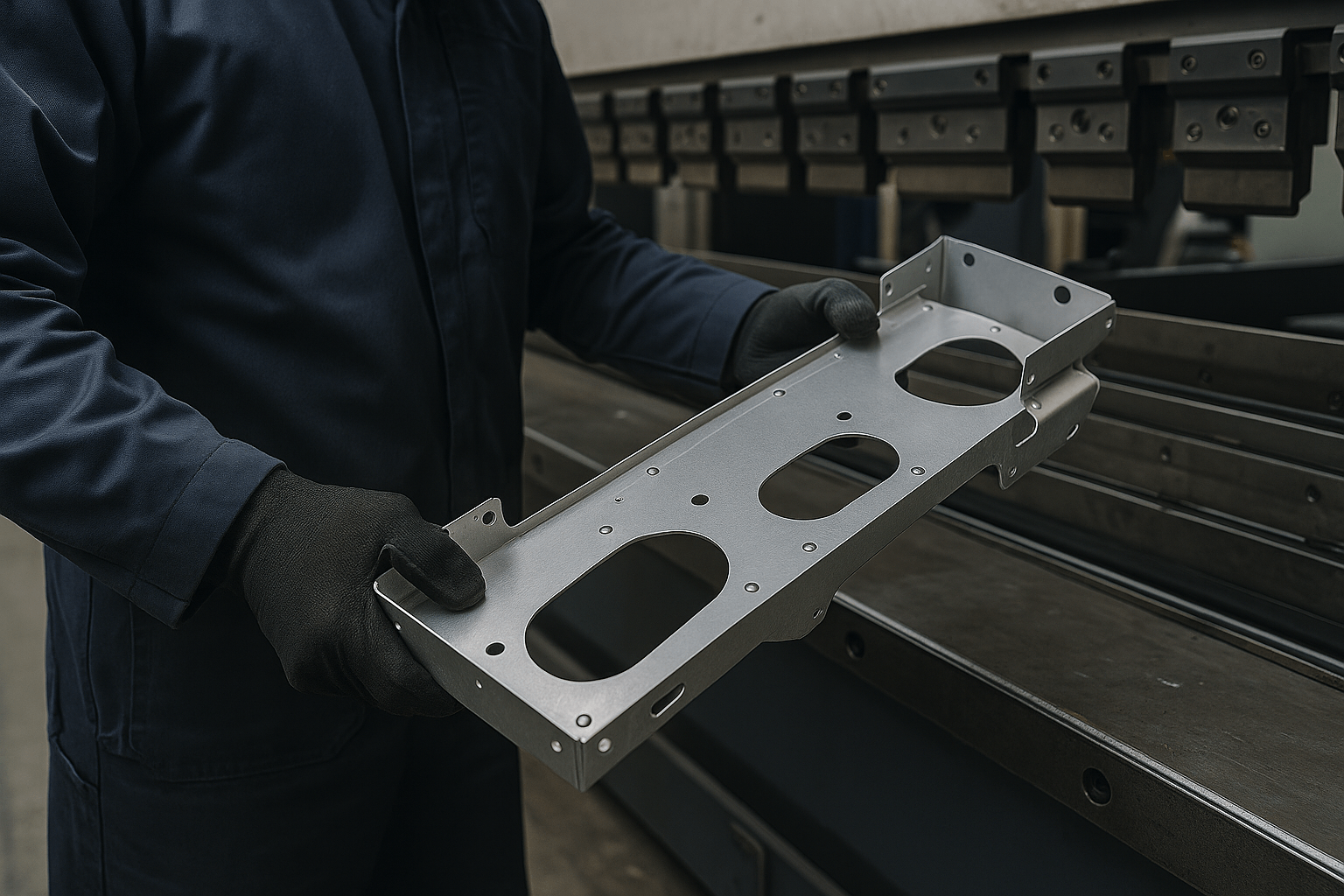
Why Aerospace Sheet Metal Fabrication Is Different
Compared with many general industrial sheet metal projects, aerospace-related fabrication usually demands tighter tolerances, stronger process discipline, clearer material traceability, and more rigorous documentation.
Aerospace parts often face strict requirements for weight control, strength, fatigue performance, and dimensional consistency. This makes supplier capability especially important in both fabrication and quality control.
Materials Used in Aerospace Sheet Metal Parts
Material selection is one of the most important decisions in aerospace sheet metal work because it directly affects weight, strength, corrosion behavior, heat resistance, and manufacturability.
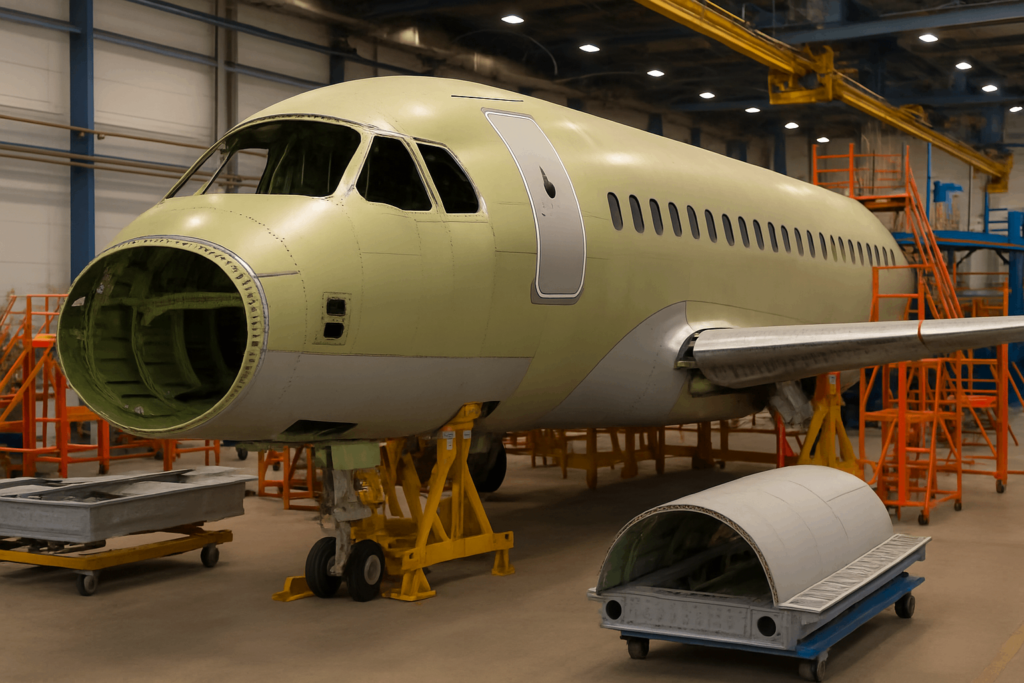
2024-T3 vs. 7075-T6 Aluminum
These two alloys are widely discussed because they serve different roles:
- 2024-T3 is often associated with good fatigue resistance in structural sheet applications;
- 7075-T6 is often selected when higher strength is needed.
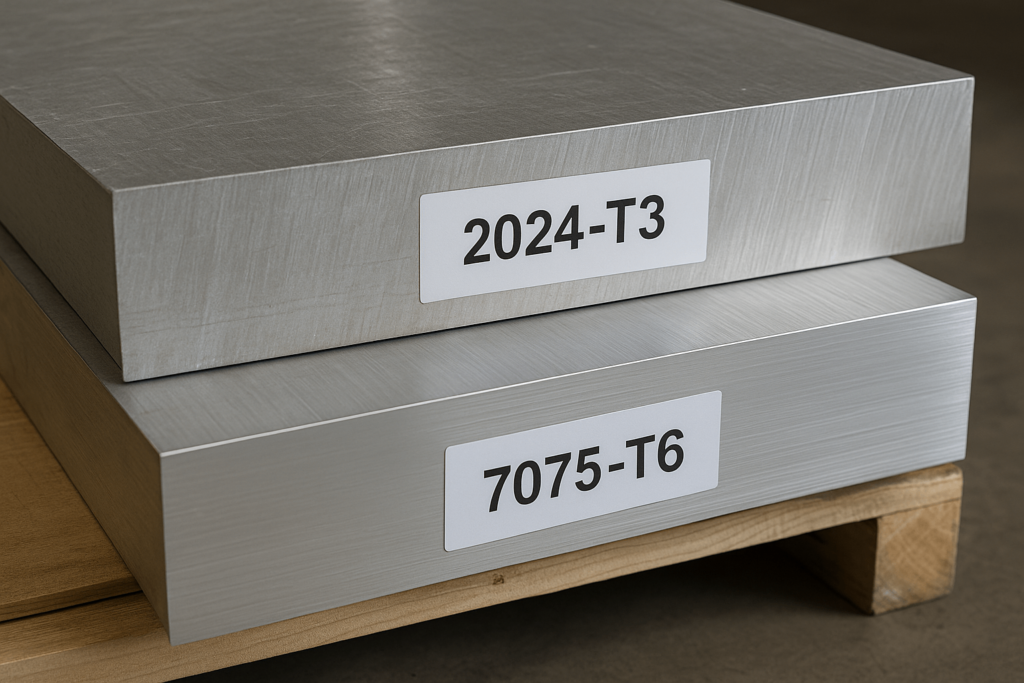
Titanium, High-Strength Steel, and Superalloys
More demanding applications may also involve titanium alloys, high-strength steels, or heat-resistant superalloys. These materials can provide higher strength or better high-temperature performance, but they also require more careful process control and usually increase manufacturing difficulty.
Comparative Materials Reference
| Material | Main Strength | Typical Use Direction |
| 2024-T3 Aluminum | Good fatigue-related performance | Structural sheet applications |
| 7075-T6 Aluminum | Higher strength | Load-bearing parts where strength is more critical |
| Ti-6Al-4V Titanium | High strength with elevated-temperature capability | High-performance or high-stress applications |
| High-Strength Steel | Very high strength and durability | Highly loaded mechanical areas |
| Heat-Resistant Superalloys | Strong high-temperature capability | Hot-zone or thermally demanding parts |
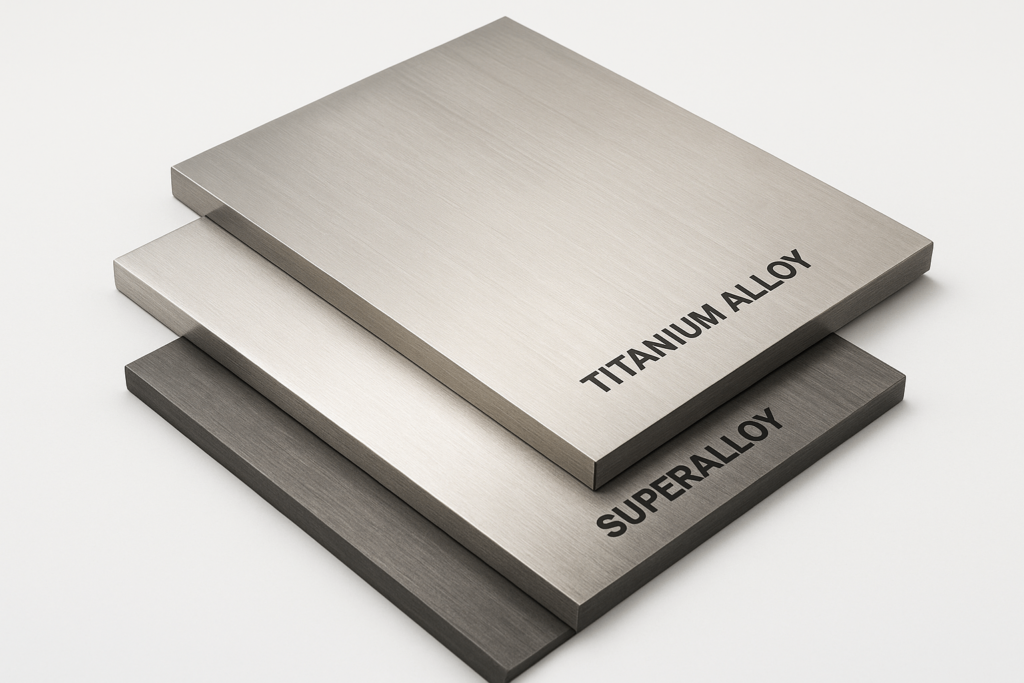
Core Aerospace Sheet Metal Fabrication Processes
After material selection, the next key issue is process route. In aerospace-related sheet metal fabrication, process choice affects dimensional accuracy, residual stress, edge quality, repeatability, and later inspection requirements.
Cutting Methods
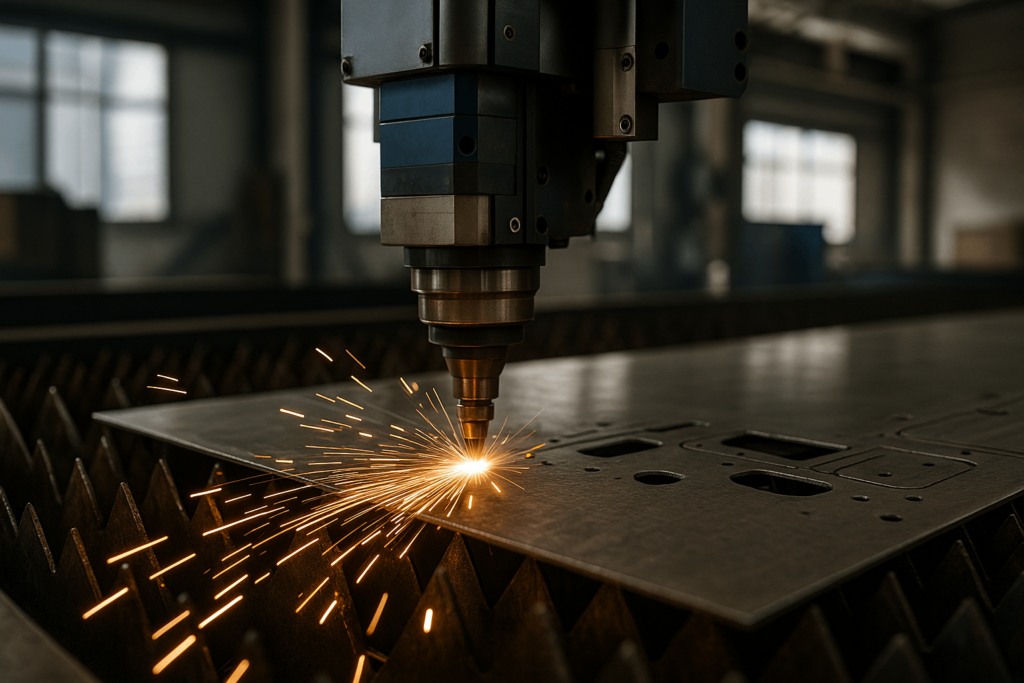
Common cutting methods may include laser cutting, waterjet cutting, and CNC punching.
- laser cutting offers good speed and precision but may create a heat-affected zone on some materials;
- waterjet cutting avoids thermal influence and may be preferred where material property retention is critical;
- CNC punching can be efficient for repeated hole patterns and simpler sheet features.
Forming and Bending
Bend radius, springback, and crack risk must be controlled carefully, especially in higher-strength aerospace materials. Suppliers should be able to evaluate bend feasibility before production rather than correcting problems later.
Hydroforming and Complex Geometry
Hydroforming can be useful for creating more complex sheet metal shapes with fewer joints. In some designs, this can reduce assembly complexity and improve structural continuity.
Joining Methods
Aerospace-related parts may use riveting, welding, adhesives, or mixed joining methods depending on design, material, and load path.
Hybrid Manufacturing and Process Combination
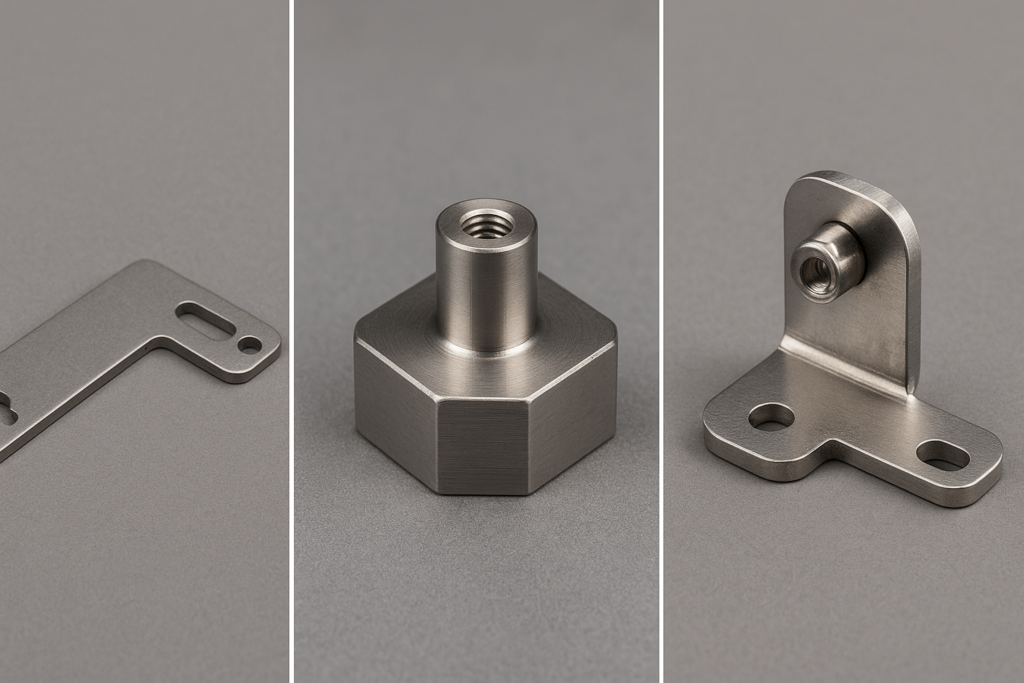
In more complex projects, sheet metal fabrication may be combined with CNC machining or other precision processes. This kind of hybrid route can help when a part needs both lightweight formed geometry and highly accurate local features.
Quality Control, Inspection, and Certification Considerations
For aerospace-related projects, quality control should be reviewed as carefully as fabrication capability. Buyers often need to confirm how the supplier handles traceability, dimensional verification, inspection records, and special process control.
Certification and System Review
In aerospace supply chains, buyers commonly review quality systems and process qualifications such as AS9100 and Nadcap depending on project requirements and process scope. These standards are often important reference points when evaluating supplier suitability.
Dimensional Inspection
High-precision parts may require CMM-based dimensional verification or other structured inspection methods to confirm that manufactured parts match drawing requirements.
Non-Destructive Testing (NDT)
Depending on the part type, NDT methods such as dye penetrant inspection, ultrasonic testing, or radiographic inspection may be used to identify defects without damaging the component.
Process Digitalization and Automation
Automation and digital production systems can improve repeatability, documentation control, and process consistency, especially when tight tolerance and repeat production are required.
How Buyers Should Evaluate an Aerospace Fabrication Supplier
When evaluating a supplier for aerospace-related sheet metal work, buyers should review:
- material knowledge and alloy handling capability;
- process suitability for cutting, forming, and joining;
- dimensional control and inspection capability;
- documentation and traceability discipline;
- project-specific certification or quality-system fit.
A supplier should be judged not only by whether it can make the part once, but also by whether it can manage the required consistency, records, and process discipline.
FAQ
What materials are commonly used in aerospace sheet metal parts?
Common materials include aluminum alloys such as 2024-T3 and 7075-T6, titanium alloys, high-strength steels, and heat-resistant superalloys, depending on the application.
Why is waterjet sometimes preferred over laser cutting in aerospace work?
Because waterjet avoids thermal influence and may be more suitable where heat-affected zones must be minimized.
What should buyers review in supplier quality control?
Buyers should review traceability, dimensional inspection method, documentation, special process handling, and whether the supplier can meet project-specific quality requirements.
Can low-volume prototype work still require aerospace-level process control?
Yes. Even prototype or low-volume parts may require strict material, dimensional, and documentation control depending on the project.
Precision Metal Fabrication Support from YISHANG
YISHANG Metal Products Co., Ltd. is a metal products factory with more than 26 years of experience in custom metal manufacturing for wholesale and OEM/ODM projects.
We support precision sheet metal fabrication and related custom metal component manufacturing for technical and industrial applications, including drawing review, prototyping, fabrication coordination, assembly, packaging, and shipment.
Our broader manufacturing capabilities include sheet metal laser cutting, bending, deep drawing, stamping, welding, CNC machining, surface finishing, assembly, packaging, and quality inspection.
We are certified to ISO 9001 and RoHS. For projects requiring high process discipline and detailed quality communication, we can support project-based manufacturing review and production coordination according to customer requirements.